
Serengeti Predator-Prey Balance
Explore how the Serengeti's intricate web of life depends on 1.5 million grazers and the predators, plants, and people connected to them. This category unpacks ecological science, seasonal rhythms, and conservation strategies in clear, guest-focused language perfect for travelers, nature lovers, and anyone curious about how large herbivore populations sustain one of the world's most dynamic ecosystems.
Serengeti Predator-Prey Balance: How 1.5 Million Grazers Sustain an Ecosystem
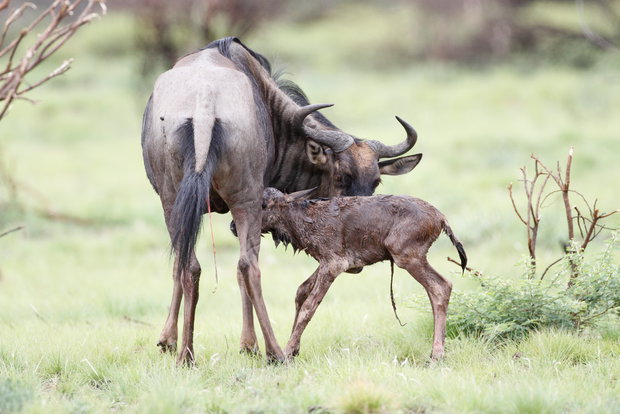
The Serengeti–Mara ecosystem in Tanzania and Kenya hosts the annual 650 km Great Migration of wildebeests from the Masai Mara to Ndutu for calving season.
As herds graze, they enrich soils, nurture biodiversity, and prevent overgrazing, sustaining the entire ecosystem.
From calving (January–March) to crossings at the Grumeti River and return to the Masai Mara by September, their cycle weaves through diverse habitats.
This dramatic natural event is vital for ecological health and underscores the need to protect these landscapes for future generations.

Share This Page