
8-Day Tanzania Walking Safari: Kilimanjaro, Maasai Lands and Ngorongoro
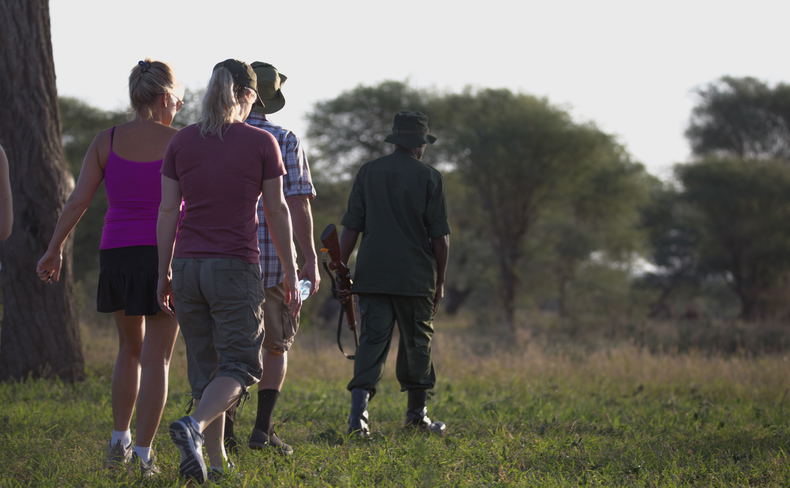
What does Tanzania look like when you leave the vehicle behind? On this 8-day walking safari, you find out on foot. You begin on the open slopes of West Kilimanjaro, then walk with your guide through Tarangire National Park, learning to read tracks, trails and the signs animals leave behind. From there, the journey continues to the Ngorongoro Conservation Area, with its sweeping highland views and crater landscapes.
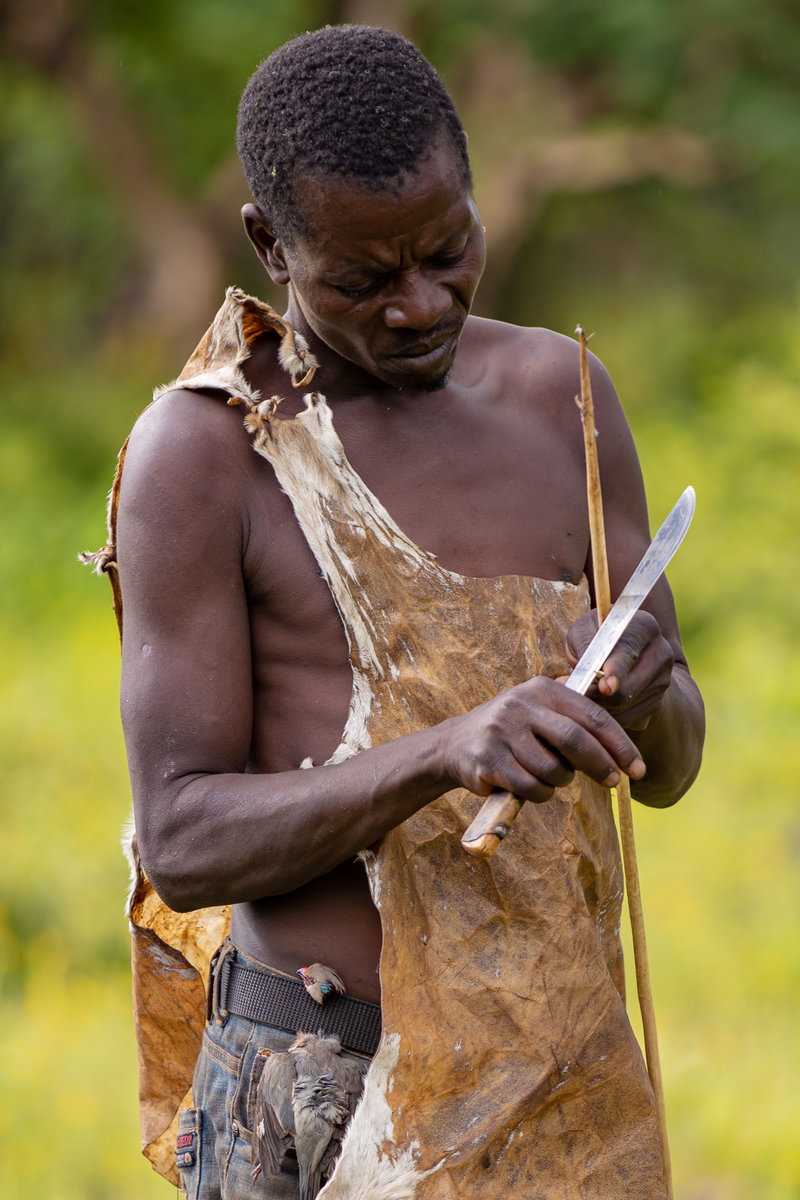
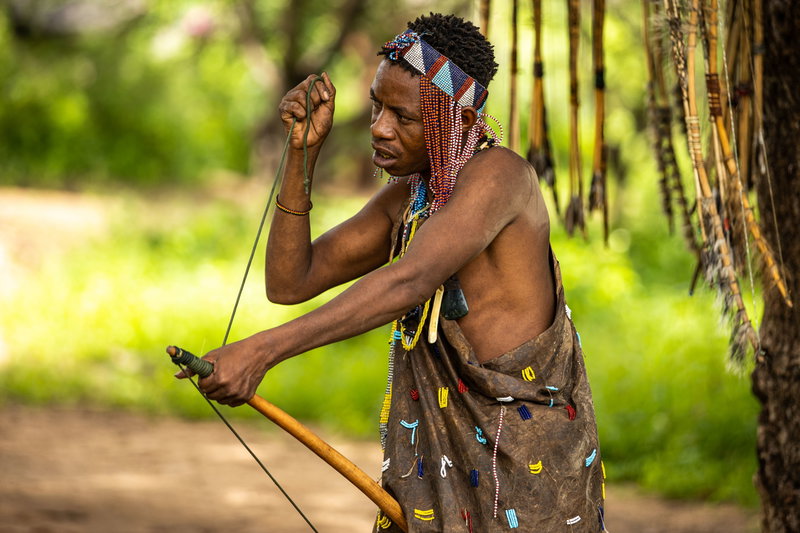
Near Lake Eyasi, you spend time with Hadzabe, Datoga and Maasai communities, learning how each lives with and from this land. Walking at a slower pace, with small groups and a light footprint, makes this a journey built around understanding the places you visit, not just seeing them. The safari runs year-round.
This 8-day safari mixes walking and driving to show you northern Tanzania from different angles. You spend three days exploring West Kilimanjaro on foot, then head to Tarangire National Park for a game drive, followed by a full day in the Ngorongoro Crater and a cultural day with the Hadzabe and Datoga communities at Lake Eyasi. None of these stops depend on the Great Migration, so the safari runs year-round.
The walking section is what makes this trip different. With your guide, you follow a wildlife corridor at the foot of Mount Kilimanjaro, reading tracks and signs along the way. This is dry, open country where you may see elephants, lesser kudu, gerenuk and bat-eared foxes, and, if you're lucky, a striped hyena
Gallery
Tanzania Walking Safari: Kilimanjaro to Ngorongoro
Days 1-3
West KilimanjaroThree days based in a wildlife corridor on Kilimanjaro's western slopes, reached by road from Moshi. Game drives run at dawn and after dark, when elephants, lesser kudu, gerenuk, bat-eared fox, and striped hyena are most active; birdlife includes Masai ostrich, kori bustard, and tawny eagle. A guided walking safari covers the corridor's hilly forest and Maasai homesteads on foot. An evening at Osiligilai Maasai Lodge includes traditional dance and storytelling. Scenic cycling routes are available as an optional add-on.
Day 4-5
Tarangire National ParkAfter breakfast, you leave West Kilimanjaro, stopping in Arusha for any last supplies before heading south into Tarangire National Park. Settle in for an afternoon game drive among Tarangire's elephant herds and ancient baobabs, then spend the night near the park. On Day 5, you spend the full day on a Tarangire game drive, with a picnic lunch out in the bush, before driving on to Karatu for the night ahead of Ngorongoro Crater the next day.
Day 6:
Ngorongoro Crater
A full-day game drive on the crater floor, one of Africa's densest concentrations of wildlife in a single, self-contained ecosystem. Optional add-ons, at an extra cost and subject to availability: Oldupai Gorge, a Maasai boma visit, a walking safari at Empakaai Crater, the Laetoli footprints, or the Shifting Sands. Overnight back in Karatu.
Day 7
Hadzabe and Datoga Cultural Day, Lake EyasiA day with two of Tanzania's distinct communities near Lake Eyasi: a sunrise hunt and fire-making demonstration with Hadzabe guides, one of Africa's last hunter-gatherer communities, followed by a visit with Datoga metalworkers to see traditional blacksmithing and jewelry-making firsthand. Both visits are facilitated by bilingual community guides, with contributions paid directly to the communities involved.
Day 8
DepartureAfter a final breakfast near Lake Eyasi, it's about a 4-hour drive back to Arusha, plus another hour on to Kilimanjaro International Airport (JRO) if that is your departure point, so flights scheduled for early afternoon or later work best. Along the way, reflect on a week spent walking terrain most safaris only drive through. A Zanzibar beach extension or a Kilimanjaro summit climb are both easy to tack on if you want more time in Tanzania.
Share This Page