

Kilimanjaro Summit Night: The Final Hours Before Uhuru Peak At midnight, the mountain disappears. Your headlamp becomes your horizon. Kilimanjaro summit night is the final and most demanding stage of the journey to Uhuru Peak at 5,895 metres. Starting around midnight, climbers face several hours of darkness, cold, fatigue, limited sleep and reduced oxygen availability. The challenge is physical, but it is also deeply mental. The key to managing summit night is...
Serengeti Predator-Prey Balance: How 1.5 Million Grazers Sustain an Ecosystem
Posted by Wolfgang on Sun March 2, 2025 in Serengeti Predator-Prey Balance.

The Serengeti–Mara ecosystem in Tanzania and Kenya hosts the annual 650 km Great Migration of wildebeests from the Masai Mara to Ndutu for calving season.
As herds graze, they enrich soils, nurture biodiversity, and prevent overgrazing, sustaining the entire ecosystem.
From calving (January–March) to crossings at the Grumeti River and return to the Masai Mara by September, their cycle weaves through diverse habitats.
This dramatic natural event is vital for ecological health and underscores the need to protect these landscapes for future generations.
The Serengeti-Mara ecosystem, spanning Northern Tanzania and Southwestern Kenya, is renowned for the Great Migration, an annual event primarily driven by wildebeests in search of fresh grazing and water. These remarkable animals, specifically the blue wildebeest, embark on a vast round-trip migration that can exceed 650 km. Starting in the Masai Mara during the short rains in November, they journey south to the lush grasslands of Ndutu in southern Serengeti, where calving occurs during peak vegetation growth. This spectacle is not just visually stunning; it plays an essential role in the region's ecology.
By consuming significant amounts of grass daily, wildebeests enrich the ecosystem, offering sustenance to predators and scavengers alike. Their migratory patterns enhance food availability and promote healthy grass growth, preventing overgrazing and fostering biodiversity. The large-scale movement of nearly 1.3 million wildebeests influences numerous ecological interactions, from nutrient cycling to predator-prey relationships. Thus, the wildebeest migration is a cornerstone of ecological health in the region, vital for both its environment and the communities that rely on it. This article will delve into the migration's ecological significance, exploring its effects on species relationships and conservation efforts.
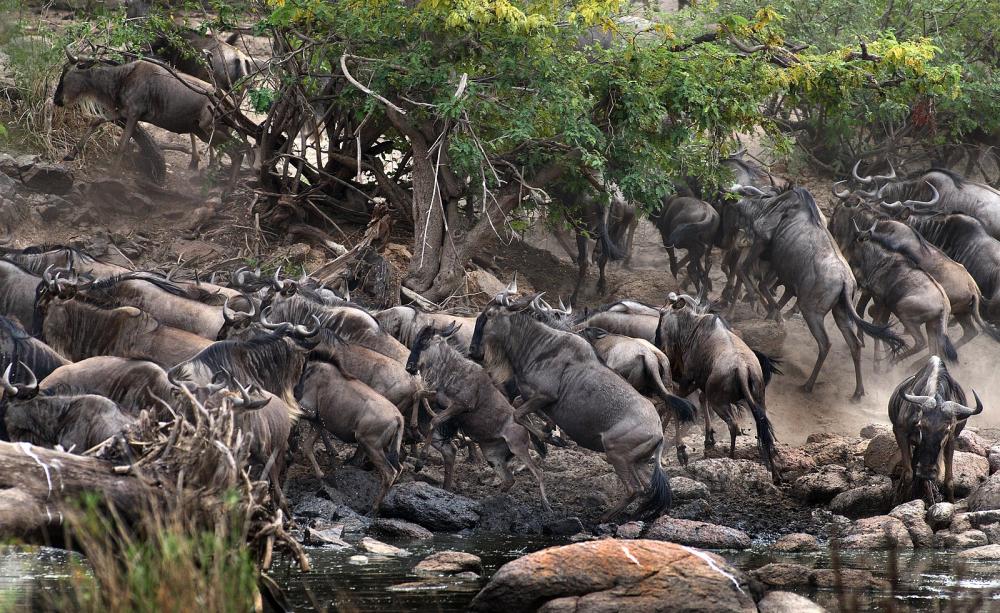
The wildebeest migration cycle is a remarkable natural phenomenon characterized by the coordinated movement of herds through the Serengeti ecosystem. This cycle begins with the birth of calves from January to March, followed by a northwest migration to the Grumeti River and then into Kenya's Maasai Mara National Reserve between July and September. As the short rains in November signal the return journey, the wildebeest complete their annual circuit, exemplifying the intricate relationship between seasonal changes and wildlife behavior. Moreover, wildebeests play a crucial ecological role in the Serengeti, with their grazing patterns influencing vegetation dynamics.
They primarily consume taller grasses, while other ungulates, such as zebras and gazelles, target shorter species. This varied grazing approach fosters plant diversity, prevents dominance of any particular grass species, and enhances overall ecosystem stability, highlighting the importance of understanding ecological significance for conservation efforts.
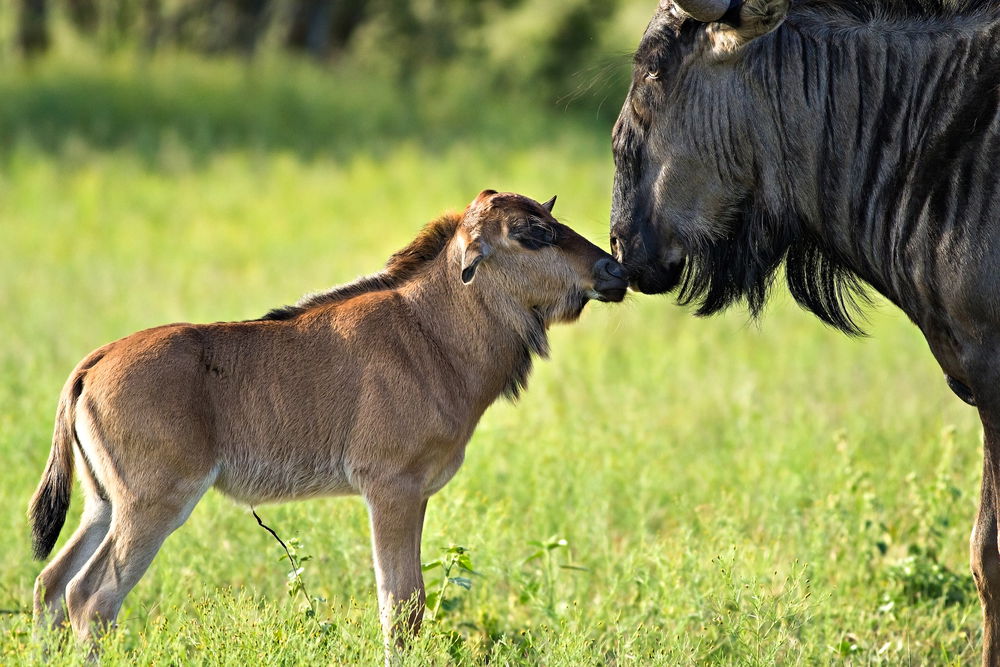
The migration of ungulates across the Mara and Serengeti ecosystems plays a crucial role in nutrient cycling and maintaining a balanced ecosystem. As large herbivores like wildebeests, zebras, and gazelles graze, they consume and quickly release nutrients back into the soil through their waste, significantly accelerating the natural nutrient recycling process. This fresh supply of nutrients not only enriches the soil but also creates concentrated patches beneficial for other vegetation.
The vast number of migrating animals supports a thriving predator population, ensuring that herbivore numbers remain in check, promoting ecological balance. Scavengers, such as vultures, jackals, and hyenas, find ample food sources in the carcasses of migrating animals, which contribute to nutrient recycling and help mitigate disease spread. Additionally, mass drownings during river crossings add significant biomass to the Mara River, enhancing aquatic life and impacting nutrient dynamics. While this influx boosts productivity, it can also lead to detrimental algal blooms if not balanced, showcasing the complex interplay of life in these ecosystems.
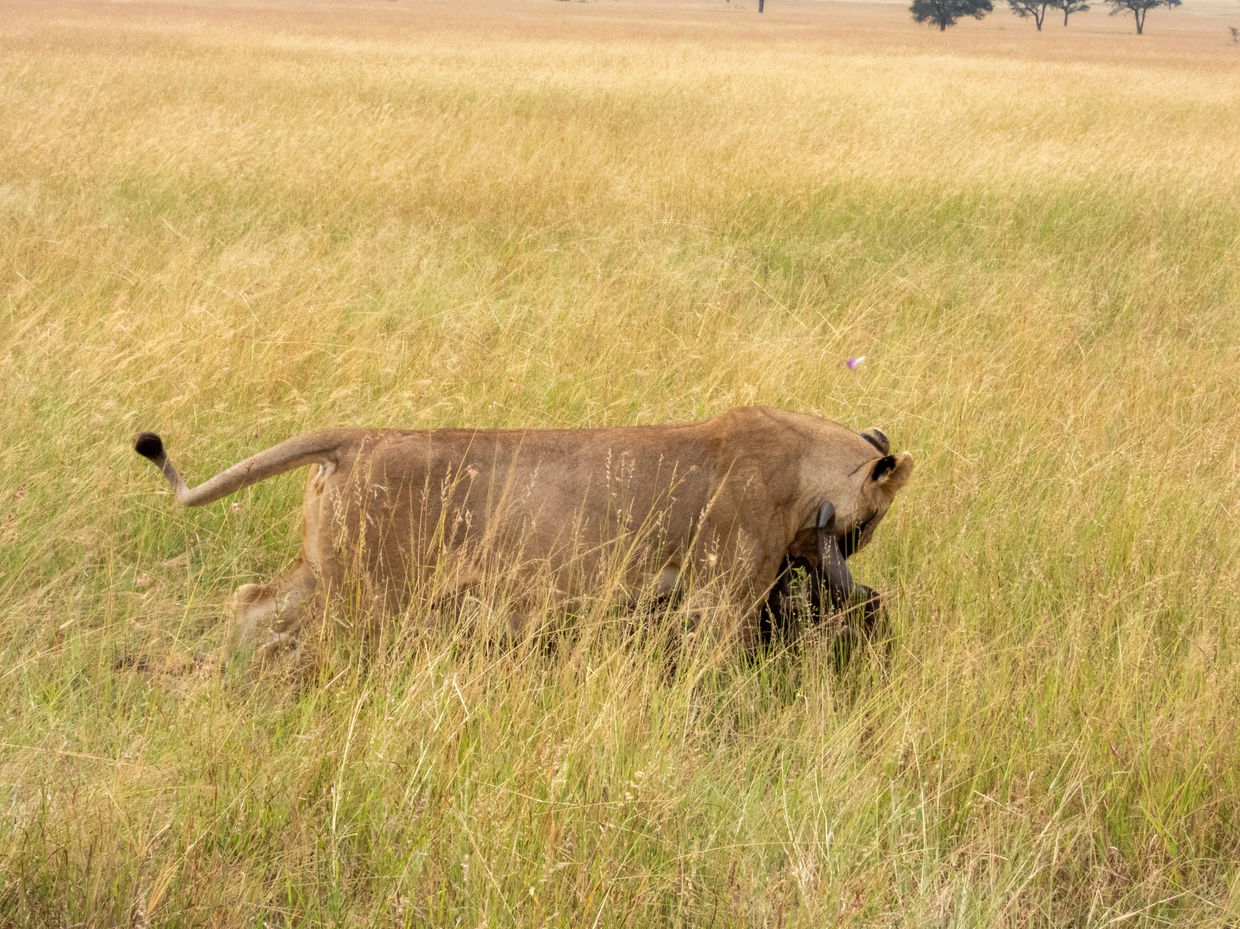
The annual migration of 1.3 million wildebeests has a profound impact on the Serengeti ecosystem. Their nutrient-rich dung and urine boost insect populations, including essential pollinators like bees and butterflies, fostering plant diversity as they graze and create new growth areas. This increase in insects also serves as a vital food source for numerous bird species during migration. As the wildebeests travel across the plains, birdlife flourishes, attracting various species, including raptors and wading birds, transforming the landscape into a vibrant tableau. However, their grazing has consequences for riparian vegetation along rivers, leading to overgrazing, soil erosion, and the loss of crucial plants that support aquatic organisms, ultimately disrupting the entire food web.
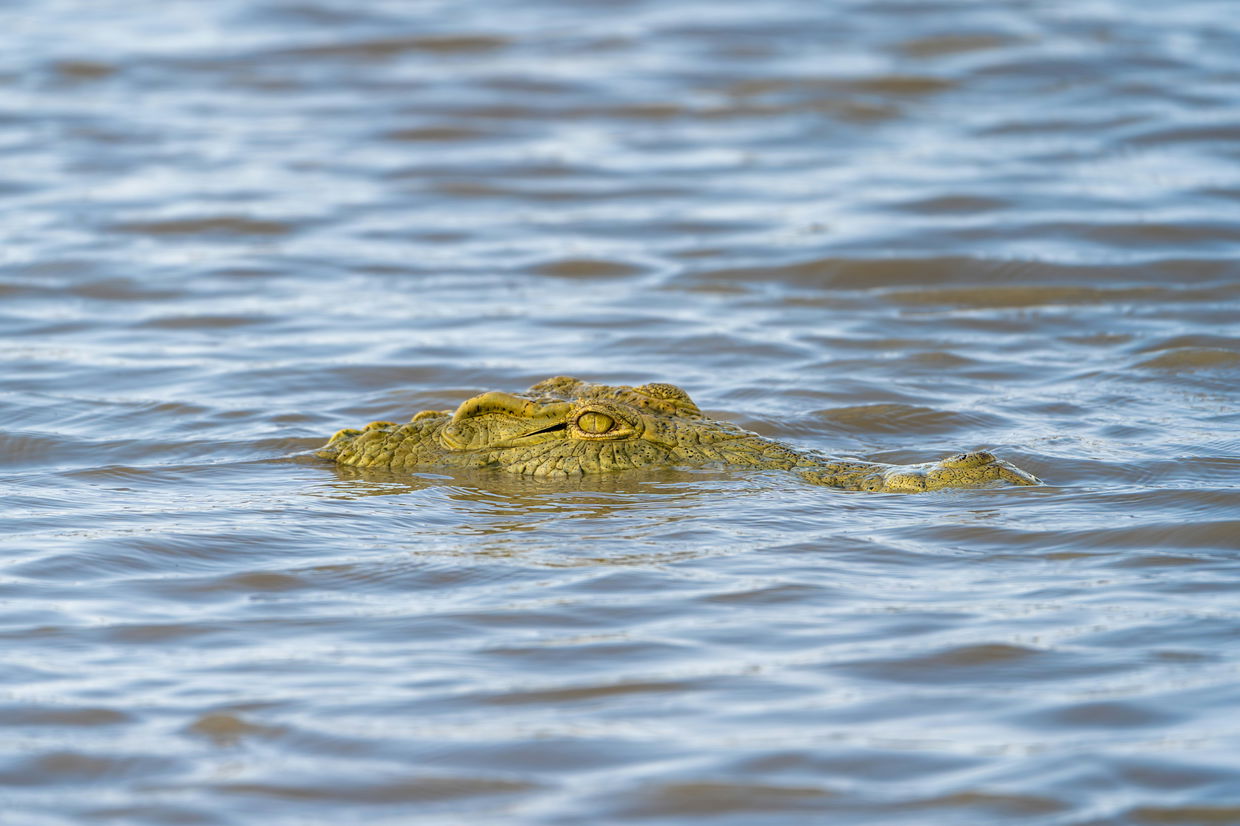
The wild, dynamic interplay between wildebeests and the ecosystem showcases the wonders of nature.Disturbances from the Wildebeest Migration, including increased sedimentation and altered water flow, have significant impacts on fish spawning sites in the Serengeti National Park. These disturbances can affect fish reproductive success, leading to shifts in population dynamics and community structure. Nevertheless, some fish species have adapted to the presence of large herbivores, potentially benefiting from the nutrients released by wildebeest activities, although they may also contend with resource competition and predation. Additionally, aquatic predators such as crocodiles and fish eagles track the movements of wildebeest across rivers, using the migration as an opportunity to adjust their hunting strategies and benefit from the influx of prey. This relationship influences predator behavior and population dynamics, highlighting the complex interactions within the Serengeti Mara Ecosystem that impact both terrestrial and aquatic species.
To sum up, the wildebeest migration in the Serengeti Mara Ecosystem is nothing short of spectacular. This incredible natural event holds immense ecological significance for the entire region and its surrounding habitats. As these magnificent large herbivores traverse the landscape in search of lush pastures, they play a vital role in shaping vegetation patterns and fostering biodiversity. Their grazing habits not only prevent shrub encroachment but also encourage the growth of grasses, benefiting countless species that rely on open spaces for their survival. But that's not all. Their migratory paths also help scatter seeds and nutrients over vast areas, enhancing plant diversity and promoting a thriving ecosystem. By recognizing the ecological importance of the wildebeest migration in Serengeti National Park, we can bolster conservation efforts to ensure this iconic phenomenon continues for generations to come. Let's relish the thrill of supporting this remarkable display of nature!
Join us to witness the amazing Wildebeest Migration, a vital event for our planet's ecosytem balance
Share This Post
Latest News
Tanzania Travel Guide | Safaris, Kilimanjaro, Beaches, Culture and Responsible Travel
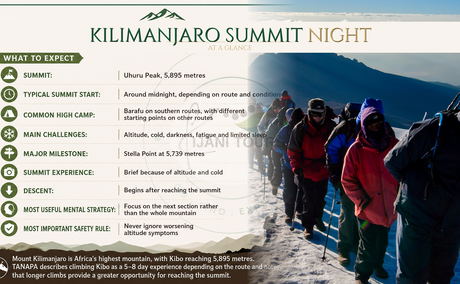
Kilimanjaro Summit Night: How to Prepare Mentally and What to Expect
Sun August 30, 2026
Read This Article
Is Tanzania Safe for Kids on Safari?: A Parent's Guide to Family Safari in Tanzania, 2026–2029
Sat August 29, 2026
Read This Article
Planning a Tanzania safari with children? This practical family safari guide helps parents understand when to go, which parks and experiences suit different ages, how to prepare for health and safety, and what to expect from accommodations, game drives, and wildlife encounters. It also explains how Kijani Tours can tailor a private safari to your family's needs, from the Serengeti and Ngorongoro to cultural experiences and Tanzania's coast, from Pangani to Mafia...
Climbing Kilimanjaro as a Woman: What No One Tells You Before You Go
Thu August 27, 2026
Read This Article
Climbing Kilimanjaro as a woman is absolutely possible, but there are practical things to prepare for before you arrive. This guide covers the realities many women want to know about, including hygiene at mountain camps, managing your period, physical preparation, altitude sickness, and what to expect on summit night. You will also learn which questions to ask Kijani Tours' team regarding privacy, female guides, hygiene and waste management, health monitoring, and emergency...
Share This Post