
12-Day Tanzania Big Cat Safari: Serengeti, Ngorongoro and Kilimanjaro
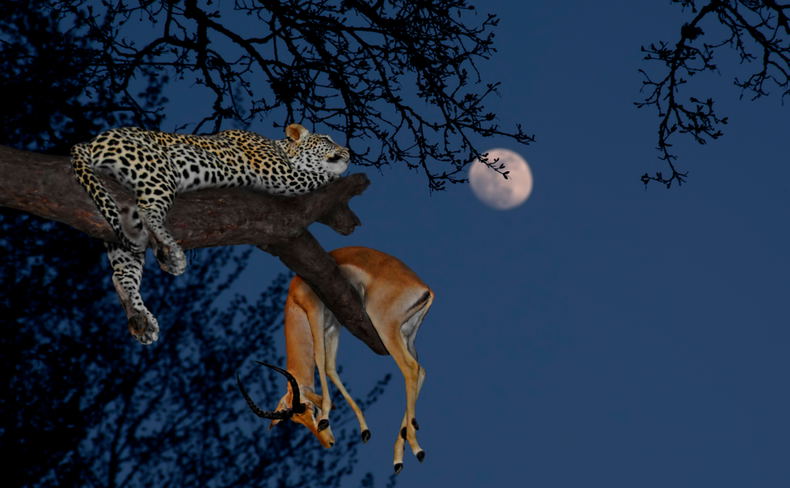
This 12-day Tanzania Big Cat Safari combines some of northern Tanzania's most important wildlife landscapes with two distinctly local experiences in Moshi: an immersive Chagga coffee experience and a day hike on Mount Kilimanjaro.
The journey begins in the forests and wetlands of Lake Manyara, then continues into the Ngorongoro Conservation Area and the predator-rich plains of the Serengeti. Along the way, the focus is not only on seeing lions, leopards, and cheetahs but also on understanding their behavior, habitats, relationships with prey, and the conservation challenges they face.
After the safari, the journey continues to Moshi, the town at the foot of Mount Kilimanjaro. Here, the pace changes. One day is dedicated to coffee, introducing you to the Chagga farming traditions and the journey from coffee plant to cup. The following day takes you to the lower slopes of Mount Kilimanjaro for a guided day hike through the mountain's forest.
This creates a broader Tanzanian experience that connects wildlife, landscape, agriculture, mountain heritage, and local communities.
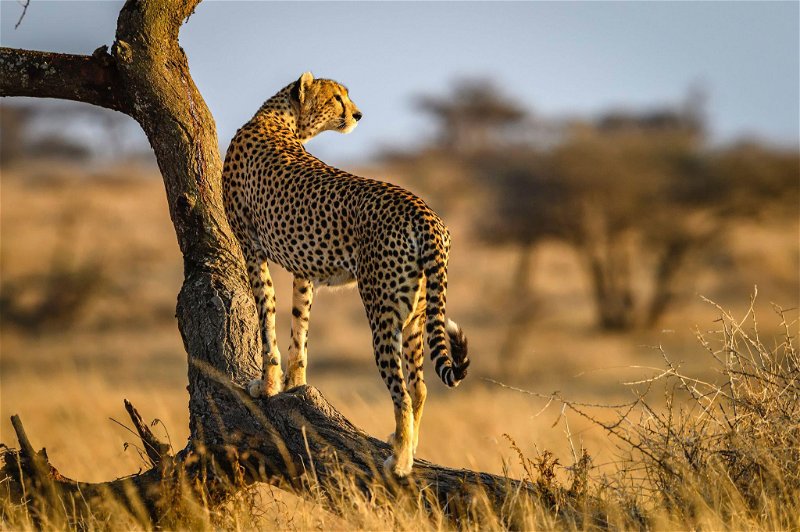
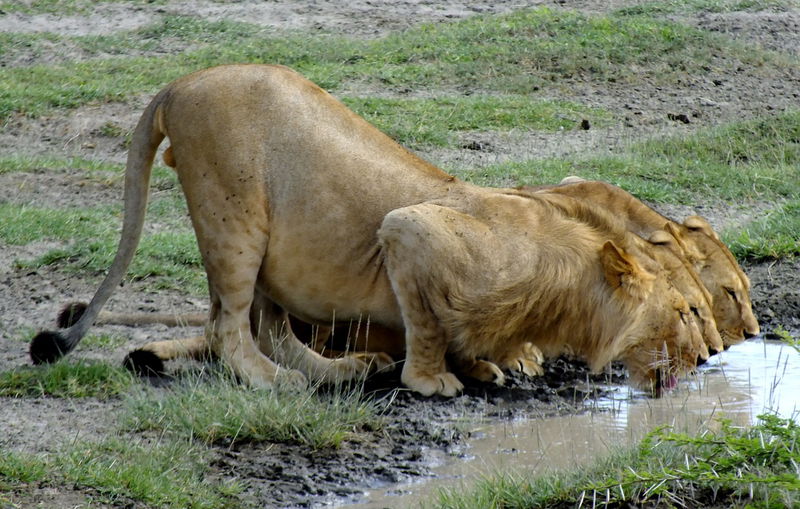
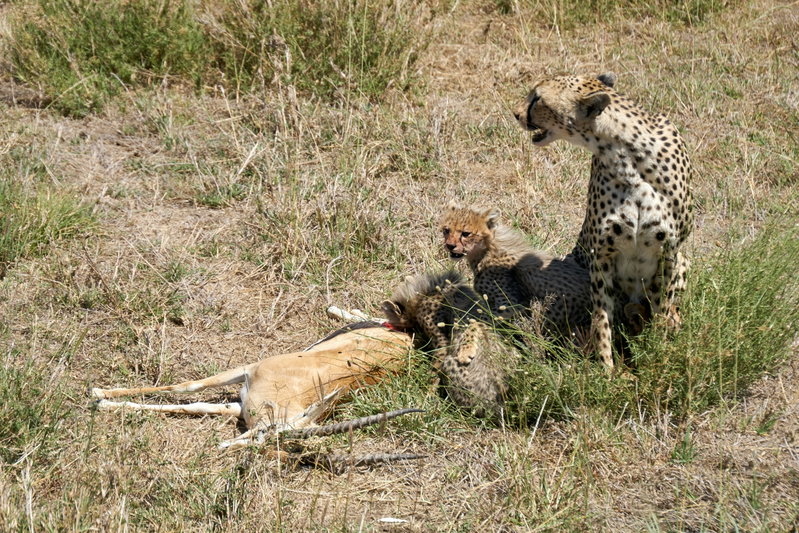
Three full days in the central Serengeti are split by species. Day 4 covers the Simba Kopjes for lion prides; Day 5 covers the open plains where cheetahs hunt; Day 6 covers the riverine woodland and rocky outcrops where leopards rest in trees. Your guide explains why each cat uses different ground, so a quiet morning still teaches you something.
Gallery
Lions, Leopards and Cheetahs, Chagga Coffee Culture and a Kilimanjaro Day Hike
Day 1
Day 1: Arrival in Tanzania | Kilimanjaro International Airport to ArushaYour Tanzania journey begins at Kilimanjaro International Airport, where your Kijani Tours representative welcomes you and transfers you to your hotel in Arusha. Take the evening to rest after your journey and prepare for the days ahead.
Arusha is the natural starting point for exploring northern Tanzania's major wildlife areas. Tomorrow, you begin your journey into the landscapes where some of Tanzania's most iconic predators live.
Overnight: Arusha | Meals: Dinner
Day 2
Lake Manyara National Park | Forests, Wetlands and Tree-Climbing Lions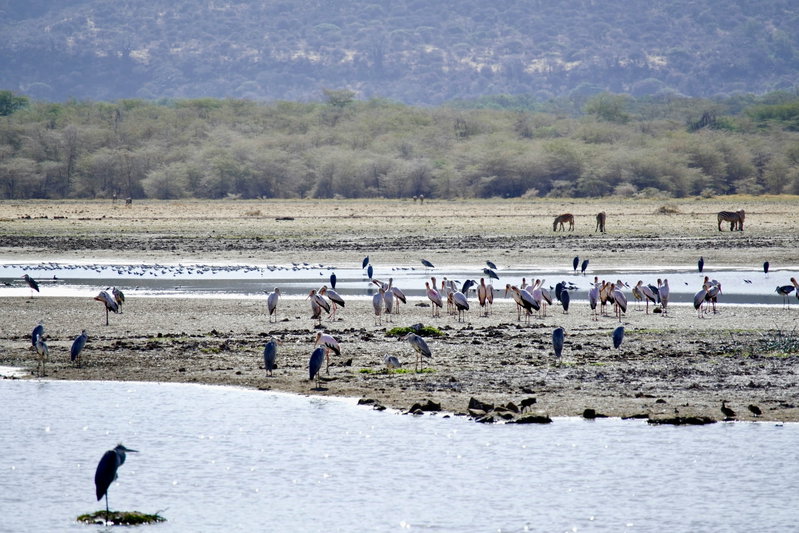
After breakfast, drive from Arusha toward Lake Manyara National Park.
The park offers a remarkably varied landscape within a relatively compact area. Forests, groundwater-fed wetlands, open grasslands, and the Rift Valley escarpment create habitats for a wide range of wildlife.
During your game drive, look for elephants, buffalo, giraffes, zebras, hippos, and a variety of birdlife. Lake Manyara is also known for its tree-climbing lions, though sightings are never guaranteed.
In the afternoon, continue toward Mto wa Mbu, where you can experience local food and community life. This is your first opportunity to begin understanding Tanzania beyond wildlife viewing.
Big Cat Focus: Tree-climbing lions
Overnight: Lake Manyara area
Meals: Breakfast, Lunch, Dinner
Day 3
Ngorongoro Crater | Predators, Prey and a Living EcosystemLeave Lake Manyara and head toward the Ngorongoro Conservation Area. Descend into the Ngorongoro Crater for a game drive through one of Tanzania's most extraordinary wildlife landscapes.
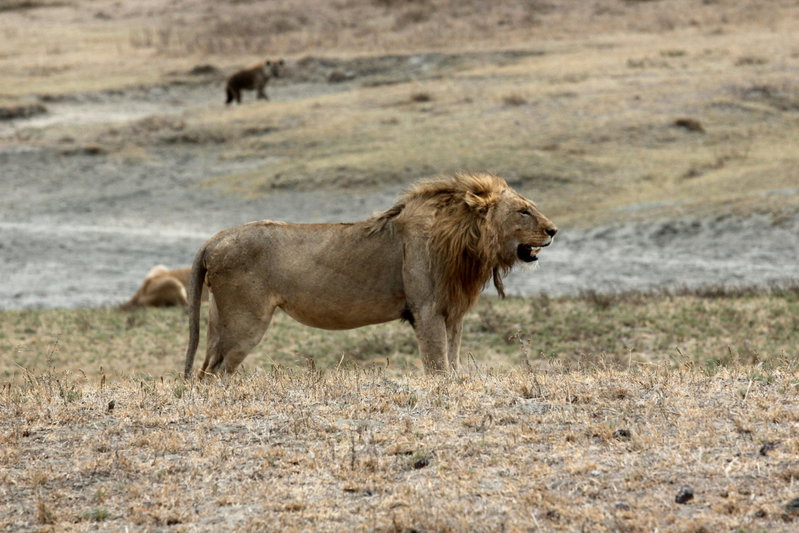
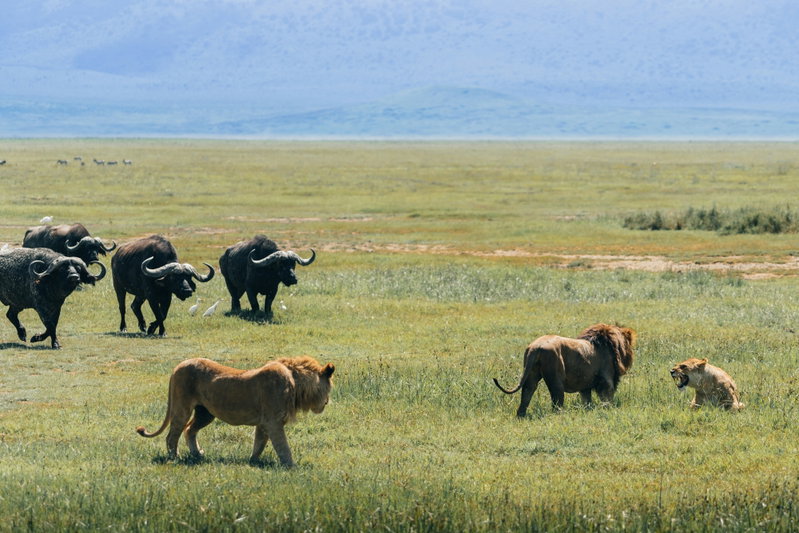
The crater's enclosed ecosystem supports large concentrations of herbivores and predators. Your guide will help interpret the relationships among lions, hyenas, wildebeest, zebras, buffalo, and other species that share this environment.
Rather than viewing the crater merely as a place with a high density of animals, explore how geology, water, vegetation, prey availability, and predator behavior interact in this unique ecosystem.
Later, continue toward the Serengeti.
Big Cat Focus: Lions and other predators
Overnight: Serengeti
Meals: Breakfast, Lunch, Dinner
Day 4
Serengeti Predator Territory | Lions and the Open Plains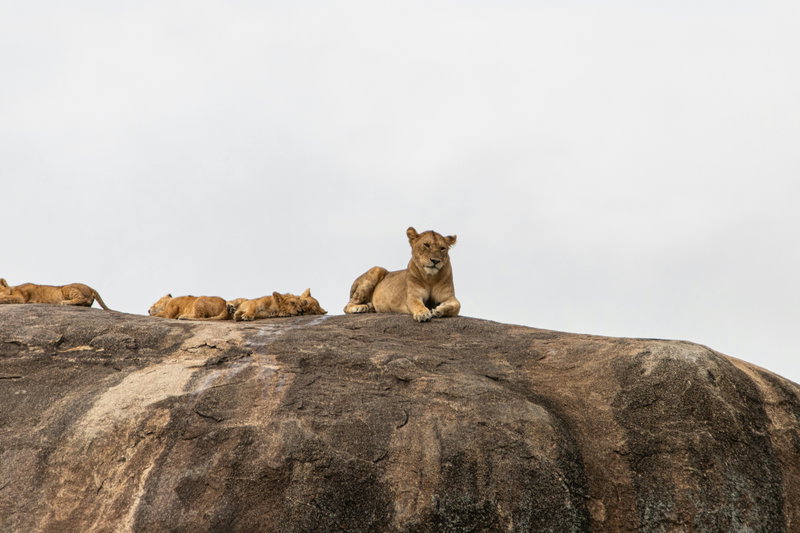
Wake early for your first full day exploring the Serengeti.
Head into the central Serengeti and the Simba Kopjes, where granite outcrops rise from the surrounding grasslands. These rocky formations offer shelter, lookout points, and resting places for lions and other wildlife.
Your guide will interpret predator behavior throughout the day, including lion social structures, territorial behavior, hunting strategies, and predator-prey dynamics.
The Serengeti is constantly changing. Wildlife movements, weather, seasonal conditions, and prey distribution all influence where predators are located.
Big Cat Focus: Lions.
Overnight: Central Serengeti
Meals: Breakfast, Lunch, Dinner
Optional: Hot-air balloon safari over the Serengeti, available by advance arrangement.
Day 5
Serengeti | Following Lions, Leopards and CheetahsContinue your exploration of the Serengeti with a full-day game drive. The day is dedicated to searching for the three principal predators on this journey: lions, leopards and cheetahs.
In the open plains, look for cheetahs using their exceptional speed to hunt. Around rocky kopjes, watch for lions resting and surveying their territory. In riverine forests and wooded areas, your guide will search carefully for leopards.
Wildlife viewing is never predictable. The value of the day lies not only in the sightings but also in learning how each species has adapted to its environment.
Big Cat Focus: Lions, leopards and cheetahs
Overnight: Central Serengeti
Meals: Breakfast, Lunch, Dinner
Day 6
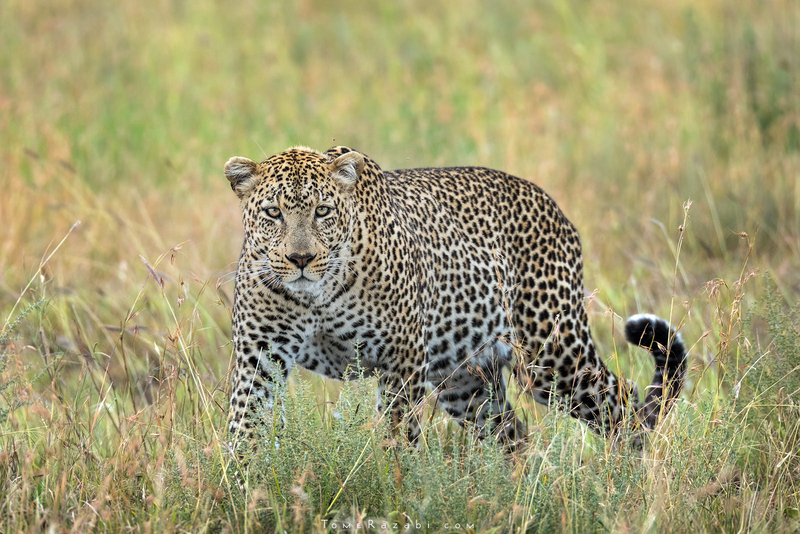
Serengeti Leopard Country | Riverine Forests and Wildlife CorridorsToday focuses on the elusive leopard.
Travel through areas of the Serengeti where riverine vegetation, woodlands, and rocky formations create suitable leopard habitat.
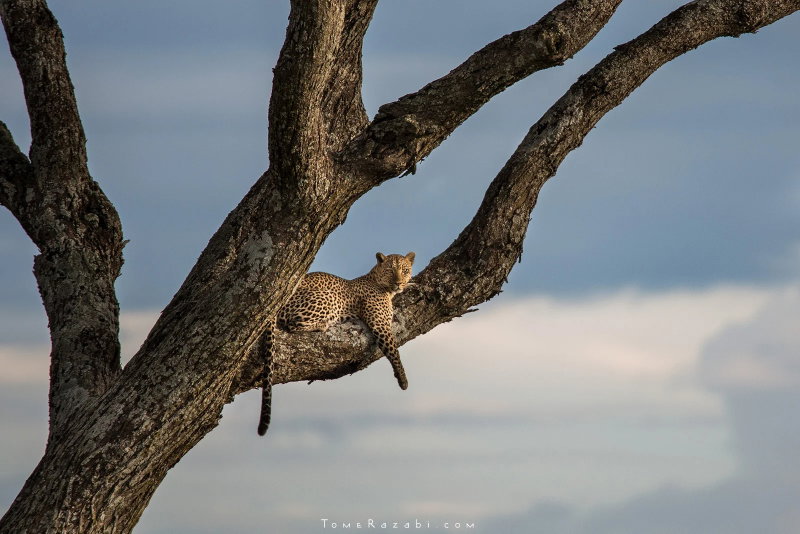
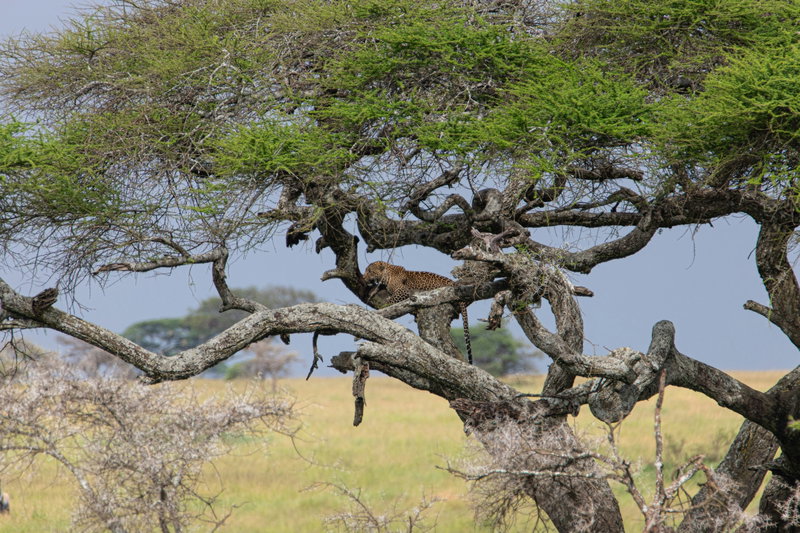
Leopards are solitary and highly adaptable. They often use trees, dense vegetation, and elevated positions to rest and protect their kills.
Your guide will explain how leopard behavior differs from that of lions and cheetahs and why these predators occupy different ecological niches within the same ecosystem.
Continue game viewing through the afternoon, with opportunities to observe hippos, giraffes, elephants, antelope, and birdlife alongside the major predators.
Big Cat Focus: Leopards
Overnight: Serengeti
Meals: Breakfast, Lunch, Dinner
Day 7
Serengeti to KaratuEnjoy a final morning in the Serengeti before driving south across the Ngorongoro Conservation Area to Karatu, a green farming town in the cool highlands above Lake Manyara. Arrive in the afternoon and take the rest of the day to relax, recover from the long safari days, and enjoy the fresh highland air.
Overnight: Karatu
Meals: Breakfast, Lunch, Dinner
Day 8
Moshi and the Foothills of Kilimanjaro | Local Orientation DayAfter the wildlife portion of the journey, slow the pace in Moshi.
Moshi sits at the southern foothills of Mount Kilimanjaro, offering a different perspective on northern Tanzania. Spend the day exploring the town and surrounding area at an unhurried pace.
Depending on conditions and your interests, this can include a visit to a local market, a walk through the historic part of Moshi, time at a local café, or a visit to one of the area's natural attractions.
The purpose of today is to transition from the safari environment to the mountain and community experiences that come next.
Overnight: Moshi
Meals: Breakfast
Day 9
Karatu to Lake EyasiAfter a relaxed breakfast, drive to Lake Eyasi, a region shaped by the close relationship between its communities and the land around them. In the afternoon, visit a Datoga family to learn about their pastoralist way of life, livestock keeping, and traditional metalwork. Spend the evening at your lodge near the lake and get an early night ready for the morning.
Overnight: Lake Eyasi
Meals: Breakfast, Lunch, Dinner
T
Day 10
Hadzabe Morning and on to MoshiRise early for a short drive to meet members of the Hadzabe community. Join them on a morning walk and learn how they find food, read the landscape, and share knowledge passed down through generations. These visits are community-led and are approached as cultural exchanges, not performances. After breakfast back at the lodge, continue to Moshi.
Overnight: Moshi
Meals: Breakfast, Lunch, Dinner
Day 11
Coffee, Waterfalls and the Foothills of KilimanjaroAfter breakfast, drive into the green foothills above Moshi to the village of Materuni. Walk through small farms and banana groves to Materuni Waterfall, where the river drops from the forest into a deep pool below. Afterwards, join a local family on their coffee farm and follow the journey of coffee from bean to cup: picking, pounding, roasting and finally tasting a fresh brew made from coffee grown on Kilimanjaro's slopes. Return to Moshi in the afternoon, with time to explore the town's markets or simply rest before your departure.
Overnight: Moshi
Meals: Breakfast, Lunch, Dinner
Day 12
DepartureEnjoy a final breakfast in Moshi, with a last view of Kilimanjaro if the morning is clear. Depending on your flight time, you may have a few free hours to relax, pick up coffee or souvenirs in town, or take a short walk before your transfer. Your driver will then take you to Kilimanjaro International Airport, about an hour from Moshi, for your onward flight.
Meals: Breakfast
What Makes This 12-Day Journey Different?
This is not simply a Big Five safari with two activities added at the end. The extended itinerary creates a more complete northern Tanzania journey.
Wildlife: Search for lions, leopards, and cheetahs across Lake Manyara, Ngorongoro, and Serengeti.
Wildlife understanding: Learn how predator behavior, prey availability, habitat, and ecosystems are interconnected.
Culture: Meet the Hadzabe and Datoga communities around Lake Eyasi through locally guided cultural experiences.
Coffee: Spend a full day with Chagga coffee farmers and explore the traditional farming systems of the Kilimanjaro foothills.
Kilimanjaro: Experience the mountain through a guided day hike into its lower forest zone.
Local connection: Spend additional time in Moshi rather than treating the town only as a transfer point.
Responsible travel: Prioritize locally guided experiences, respectful wildlife viewing, community interaction, and interpretation of the landscapes that sustain Tanzania's people and wildlife.
Frequently Asked Questions
Learn about Tanzania’s lions, leopards, cheetahs, their habitats, behaviour, and conservation.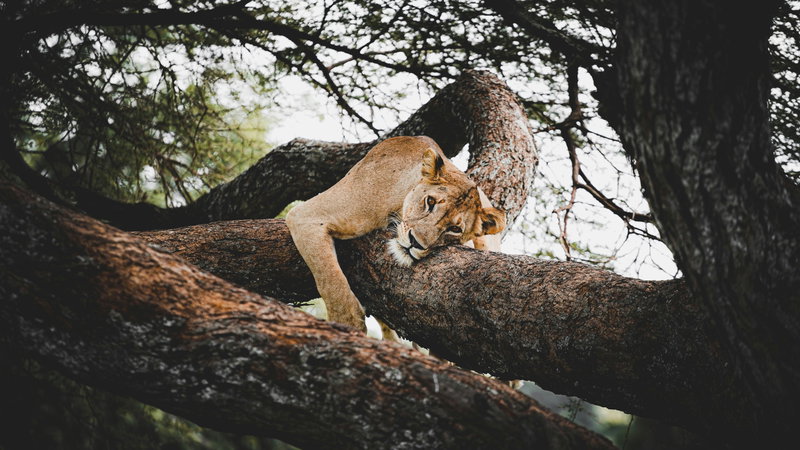
1. What is a Tanzania Big Cat Safari?
A Tanzania Big Cat Safari is a wildlife experience focused on discovering Africa’s most iconic predators, including lions, leopards, and cheetahs, within their natural habitats. The journey explores Tanzania’s famous wildlife ecosystems, including Serengeti National Park, Ngorongoro Conservation Area, and Lake Manyara National Park, where predators, prey, landscapes, and conservation efforts are deeply connected.
The Kijani Tours Tanzania Predator Heritage Safari™ goes beyond searching for wildlife sightings. It helps travellers understand predator behaviour, hunting strategies, social structures, and the role big cats play in maintaining healthy ecosystems. Each encounter becomes an opportunity to learn about Tanzania’s wildlife heritage and the conservation efforts protecting these species.
2. Where can travellers see lions in Tanzania?
Tanzania is one of the best destinations in Africa to observe lions in the wild, with some of the strongest opportunities found in Serengeti National Park and the Ngorongoro Conservation Area.
The Serengeti ecosystem provides vast grasslands, abundant prey, and key territories that support lion prides year-round. Here, travellers may witness lions resting after a hunt, moving across the plains, caring for cubs, or interacting within their social groups.
The Ngorongoro Crater offers another exceptional lion-viewing experience because its enclosed ecosystem supports a high concentration of wildlife. During the Tanzania Predator Heritage Safari™, guests learn about lion pride behaviour, territorial relationships, and the important role lions play within Tanzania’s natural ecosystems.
3. Where can visitors see leopards in Tanzania?
Leopards can be found in several regions of Tanzania, but the Serengeti ecosystem is one of the best places to search for these elusive predators.
Unlike lions that often live in groups, leopards are solitary animals known for their patience, adaptability, and ability to remain hidden. They are commonly found near riverine forests, woodland areas, and rocky landscapes where they can hunt, rest, and protect their prey.
During a Tanzania leopard safari experience with Kijani Tours, expert local guides interpret leopard behaviour, habitat preferences, and movement patterns to help guests better understand one of Africa’s most fascinating predators.
4. Where can visitors see cheetahs in Tanzania?
The best opportunities to see cheetahs in Tanzania are found in the open grasslands of the Serengeti National Park and surrounding Serengeti ecosystem.
Cheetahs depend on wide, open landscapes where they can use their incredible speed and hunting skills. Unlike lions and leopards, cheetahs rely heavily on visibility and space to successfully pursue prey.
A Tanzania cheetah safari allows travellers to discover how these specialised predators survive, including their hunting techniques, challenges with competition from other predators, and the importance of protecting open habitats.
5. What makes the Tanzania Predator Heritage Safari™ different from a normal safari?
The Tanzania Predator Heritage Safari™ is designed for travellers who want to understand wildlife, not only observe it.
Many safaris focus mainly on finding animals and taking photographs. This experience explores the deeper stories behind every sighting, including predator behaviour, ecosystem relationships, and conservation challenges.
Guests discover:
a) How lion prides communicate, hunt, and protect their territories
b) Why leopards depend on specific habitats and remain difficult to find
c) How cheetahs survive through speed, strategy, and adaptation
d) How prey species influence predator populations
e) Why protecting habitats is essential for the future of Tanzania’s wildlife
Kijani Tours combines expert local guiding, conservation storytelling, and responsible wildlife viewing to create a safari experience that connects animals, landscapes, and people.
6. What National Parks are included in the Tanzania Big Cat Safari?
The Tanzania Big Cat Safari explores three important wildlife destinations in northern Tanzania:
Lake Manyara National Park
A diverse ecosystem of forests, wetlands, and open plains where wildlife adapts to changing environments.
Ngorongoro Conservation Area
A unique conservation landscape where wildlife, communities, and natural systems exist together.
Serengeti National Park
The heart of Tanzania’s predator country and one of the world’s most important ecosystems for lions, leopards, cheetahs, and other wildlife.
Together, these landscapes reveal how different habitats support different predator behaviours.
7. How many days are needed for a Tanzania Big Cat Safari?
This itinerary spends four nights in the Serengeti; seven days is the realistic minimum for all three cats. A longer safari provides time to experience different landscapes, observe predator behaviour, and understand the relationship between wildlife and conservation. Kijani Tours can also combine this safari with other signature experiences, including Mount Kilimanjaro trekking and Chagga cultural heritage experiences.
8. Is the Tanzania Predator Heritage Safari suitable for wildlife photographers?
Yes. The itinerary is ideal for wildlife photographers who want opportunities to capture lions, leopards, cheetahs, landscapes, and predator behaviour in Tanzania’s natural environments.
The safari is designed with flexibility, allowing time for observation, photography, and understanding animal behaviour rather than rushing between sightings.
9. How does this safari support conservation?
Your price includes entry fees for Lake Manyara and the Serengeti, Ngorongoro Conservation Area fees, and the government conservation levy, which fund ranger patrols and habitat management in the parks you visit. The Lake Eyasi community fee and the coffee farm visit are paid to the hosts. Vehicle numbers are kept small, and your guide maintains distance at predator sightings.
Through this, guests learn about:
a) Wildlife habitat protection
b) Predator conservation challenges
c) Human-wildlife coexistence
d) The importance of protected areas
e) The connection between tourism and conservation
By travelling responsibly and supporting locally guided experiences, visitors become part of a wider effort to protect Tanzania’s wildlife heritage.
10. Can this safari be combined with Kilimanjaro trekking or beach holidays?
Yes. The Tanzania Predator Heritage Safari™ can be combined with other Kijani Tours experiences to create a complete Tanzania adventure.
Tanzania Predator Heritage Safari™
Understanding lions, leopards, and cheetahs through wildlife behaviour, ecosystem knowledge, and conservation.
Share This Page