• Home
  • About Us
  • Tanzania Wildlife Safaris
    • 7-Day Tanzania Safari: Serengeti, Ngorongoro and Lake Manyara
    • 8-Day Tanzania Serengeti Calving Season Safari
    • 8-Day Tanzania Walking Safari: Kilimanjaro, Maasai Lands and Ngorongoro
    • 9-Day Tanzania Great Migration Safari: Serengeti and Mara River
    • 11-Day Tanzania Big Cat Safari: Serengeti, Ngorongoro, Lake Manyara, Coffee and Kilimanjaro
    • 9-Day Tanzania Safari: Serengeti, Ngorongoro Crater and Ruaha
    • 12-Day Tanzania Safari: Wildlife, Culture and Conservation
    • 12 Days Tanzania Honeymoon safari
    • 12-Day Tanzania Safari: Wildlife, Culture and Conservation
    • 14-Day Tanzania Photography Safari: Northern Tanzania Wildlife
    • 15-Day Tanzania Safari: From Community to the Great Migration
  • Kilimanjaro Treks
    • 6-Day Kilimanjaro Marangu Route Trek: Itinerary and Guide
    • 7-Day Kilimanjaro Machame Route Trek: Itinerary and Guide
    • 9-Day Kilimanjaro Lemosho Route Trek: Complete Itinerary
    • 11-Day Kilimanjaro Northern Circuit Trek: Complete Route and Itinerary
  • Blog
  • Tanzania
  • Gallery
  • FAQ`S
Enquire Now
Enquire Now
  • Home
  • About Us
  • Tanzania Wildlife Safaris
    • 7-Day Tanzania Safari: Serengeti, Ngorongoro and Lake Manyara
    • 8-Day Tanzania Serengeti Calving Season Safari
    • 8-Day Tanzania Walking Safari: Kilimanjaro, Maasai Lands and Ngorongoro
    • 9-Day Tanzania Great Migration Safari: Serengeti and Mara River
    • 11-Day Tanzania Big Cat Safari: Serengeti, Ngorongoro, Lake Manyara, Coffee and Kilimanjaro
    • 9-Day Tanzania Safari: Serengeti, Ngorongoro Crater and Ruaha
    • 12-Day Tanzania Safari: Wildlife, Culture and Conservation
    • 12 Days Tanzania Honeymoon safari
    • 12-Day Tanzania Safari: Wildlife, Culture and Conservation
    • 14-Day Tanzania Photography Safari: Northern Tanzania Wildlife
    • 15-Day Tanzania Safari: From Community to the Great Migration
  • Kilimanjaro Treks
    • 6-Day Kilimanjaro Marangu Route Trek: Itinerary and Guide
    • 7-Day Kilimanjaro Machame Route Trek: Itinerary and Guide
    • 9-Day Kilimanjaro Lemosho Route Trek: Complete Itinerary
    • 11-Day Kilimanjaro Northern Circuit Trek: Complete Route and Itinerary
  • Blog
  • Tanzania
  • Gallery
  • FAQ`S
+255 784 830 837
Enquire Now
Tanzania Safaris and Kilimanjaro Treks | Kijani Tours
Menu
  • Home
  • About Us
  • Tanzania Wildlife Safaris
    • 7-Day Tanzania Safari: Serengeti, Ngorongoro and Lake Manyara
    • 8-Day Tanzania Serengeti Calving Season Safari
    • 8-Day Tanzania Walking Safari: Kilimanjaro, Maasai Lands and Ngorongoro
    • 9-Day Tanzania Great Migration Safari: Serengeti and Mara River
    • 11-Day Tanzania Big Cat Safari: Serengeti, Ngorongoro, Lake Manyara, Coffee and Kilimanjaro
    • 9-Day Tanzania Safari: Serengeti, Ngorongoro Crater and Ruaha
    • 12-Day Tanzania Safari: Wildlife, Culture and Conservation
    • 12 Days Tanzania Honeymoon safari
    • 12-Day Tanzania Safari: Wildlife, Culture and Conservation
    • 14-Day Tanzania Photography Safari: Northern Tanzania Wildlife
    • 15-Day Tanzania Safari: From Community to the Great Migration
  • Kilimanjaro Treks
    • 6-Day Kilimanjaro Marangu Route Trek: Itinerary and Guide
    • 7-Day Kilimanjaro Machame Route Trek: Itinerary and Guide
    • 9-Day Kilimanjaro Lemosho Route Trek: Complete Itinerary
    • 11-Day Kilimanjaro Northern Circuit Trek: Complete Route and Itinerary
  • Blog
  • Tanzania
  • Gallery
  • FAQ`S
Tanzania Safaris and Kilimanjaro Treks | Kijani Tours

The Kijani Collection is a curated showcase of Tanzania’s most inspiring travel experiences. Through captivating images of wildlife, landscapes, culture, and adventure, this gallery tells the stories of meaningful journeys that connect travelers with nature, local communities, and conservation. Each moment reflects the spirit of discovery, authentic connection, and responsible travel that defines Kijani Tours.
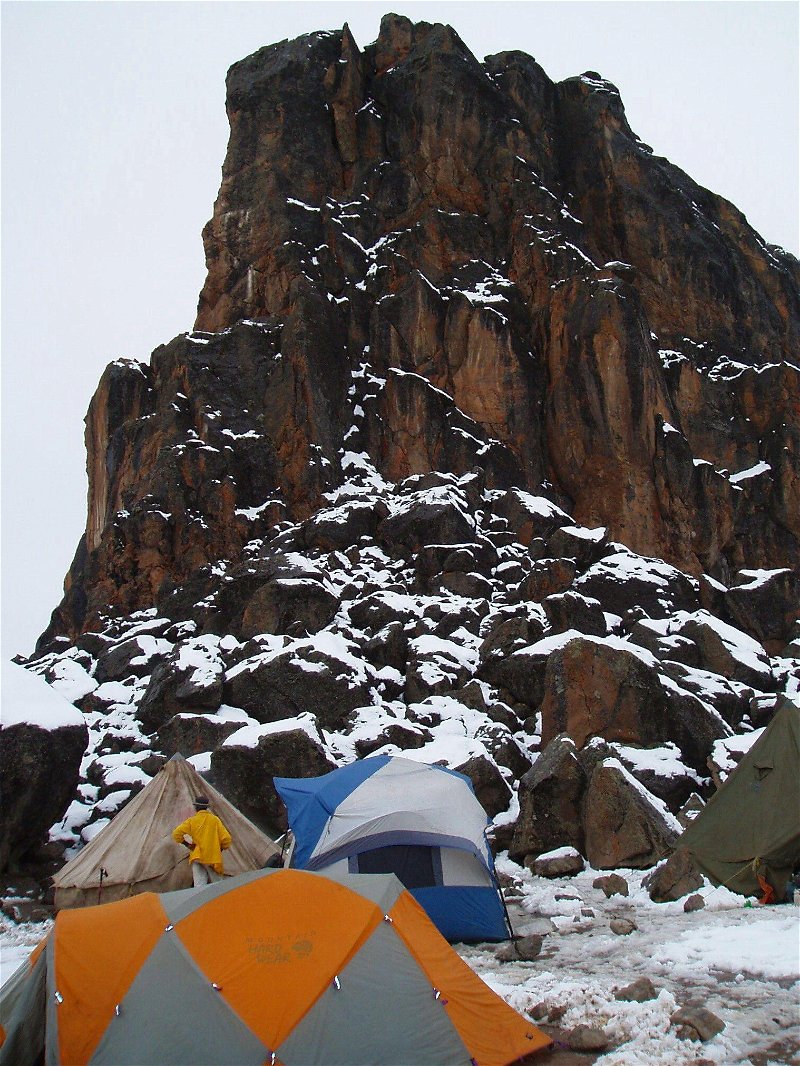
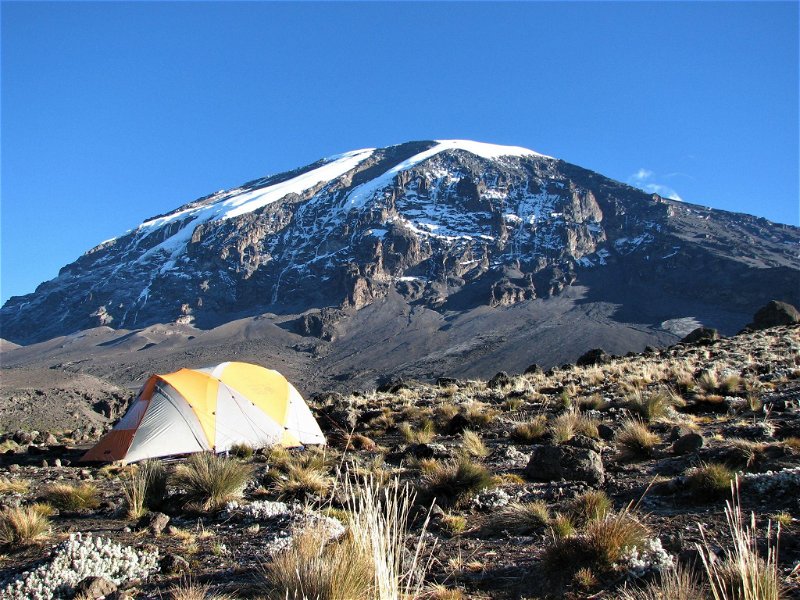
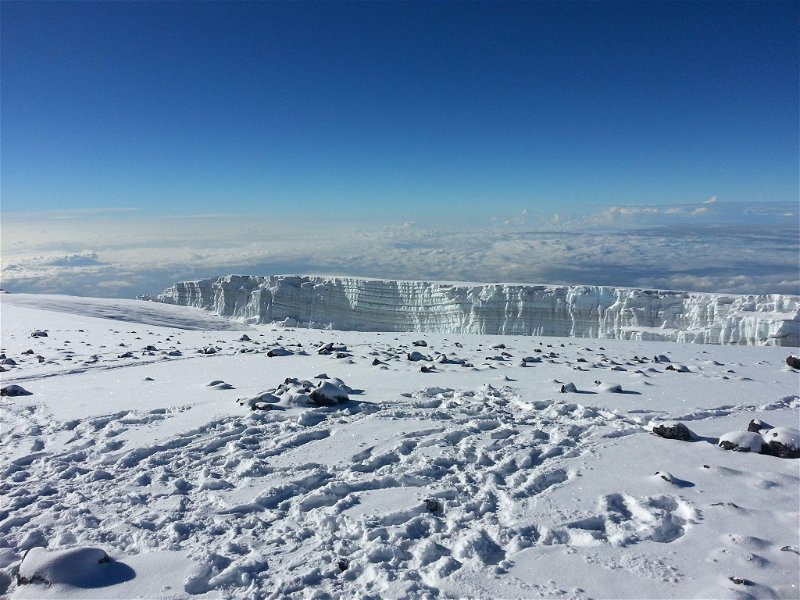
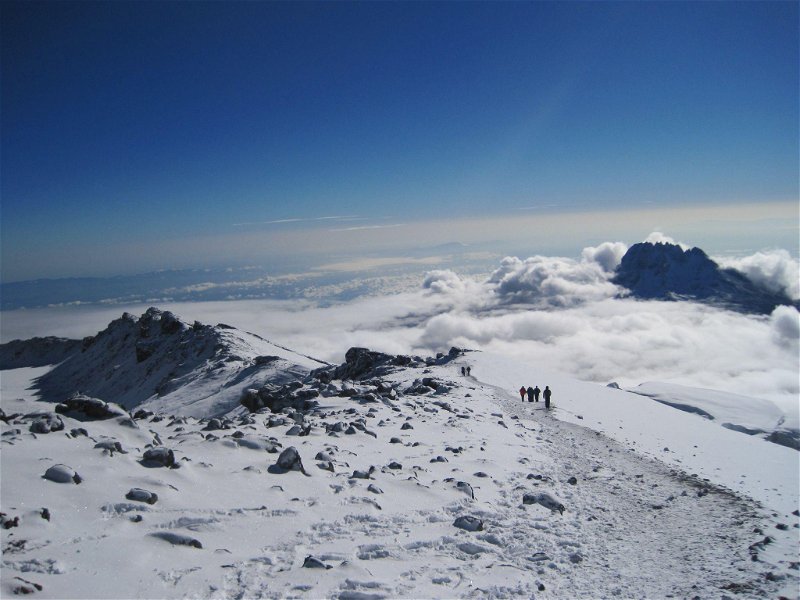
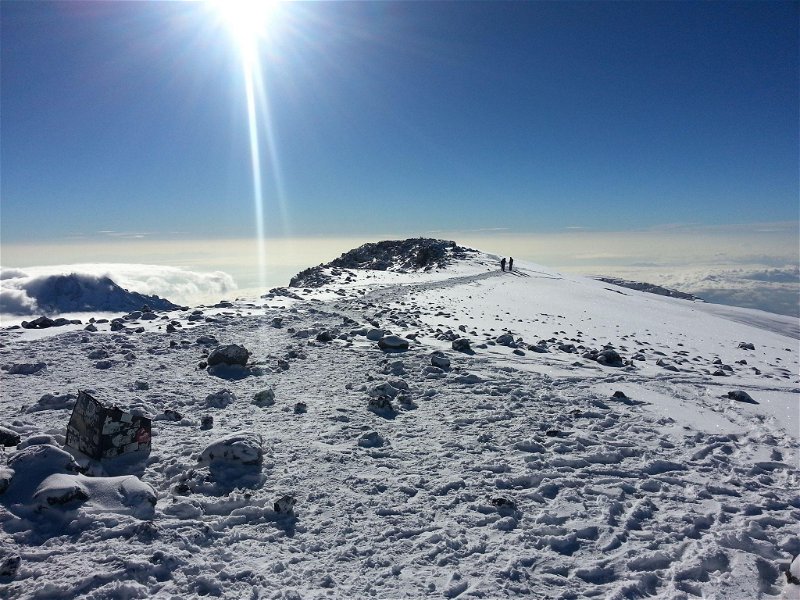
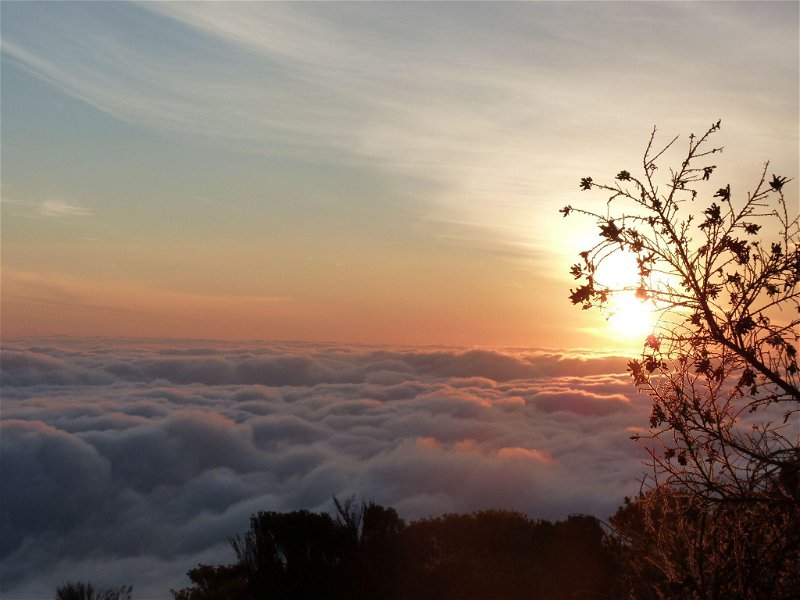
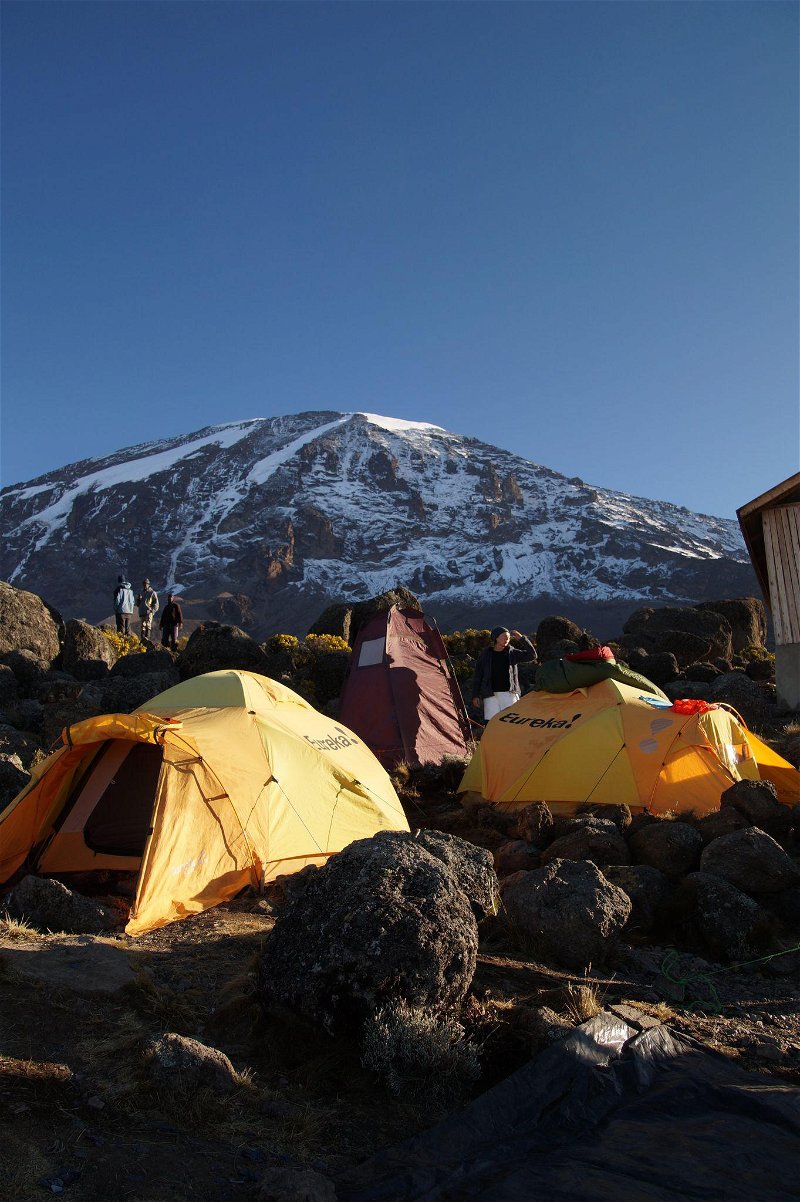
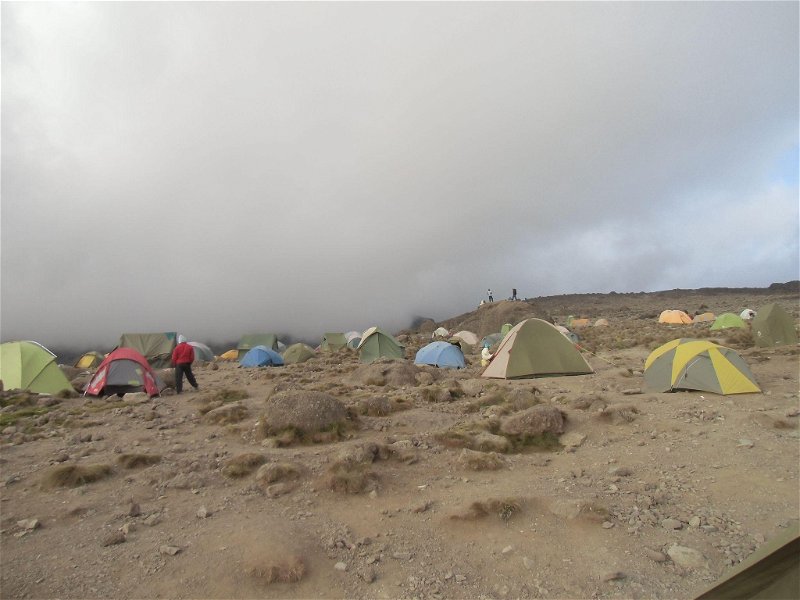
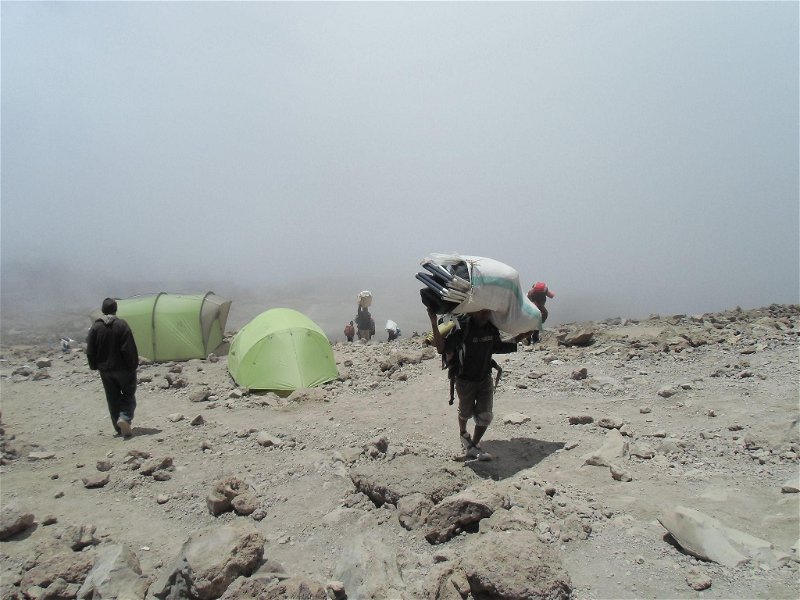
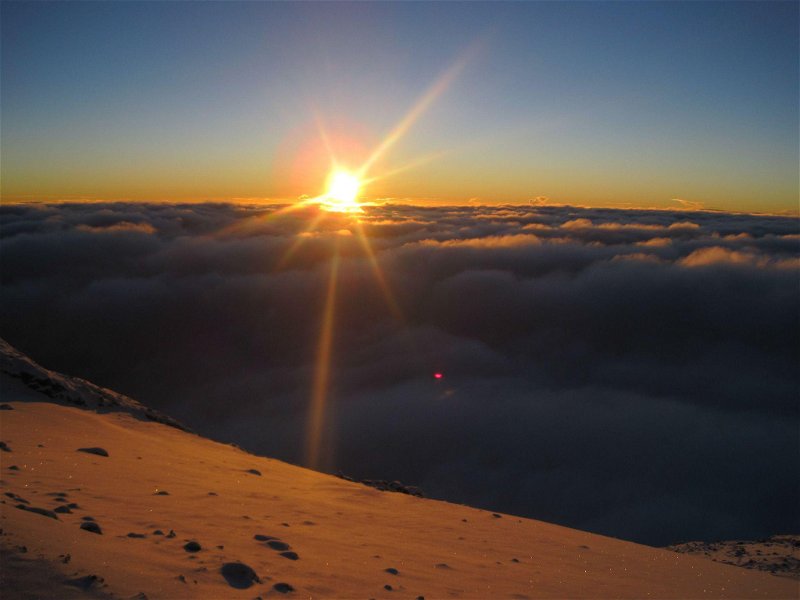
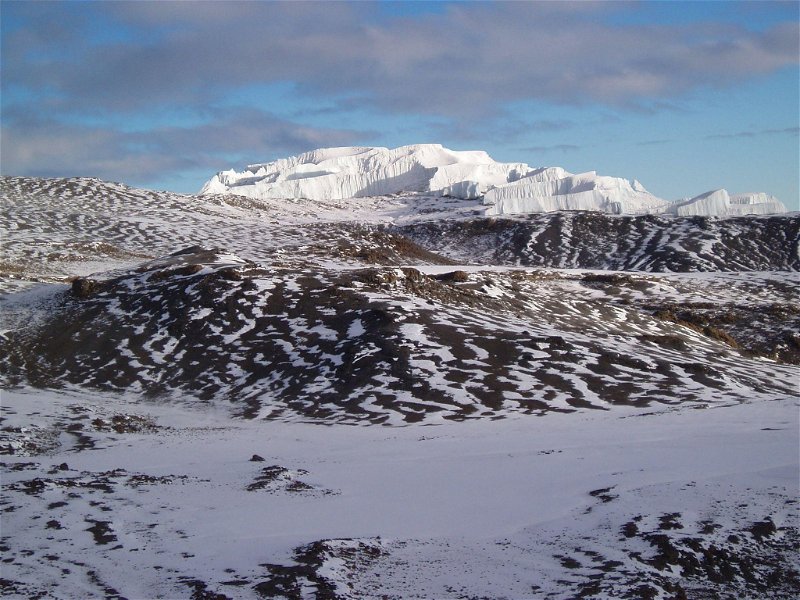
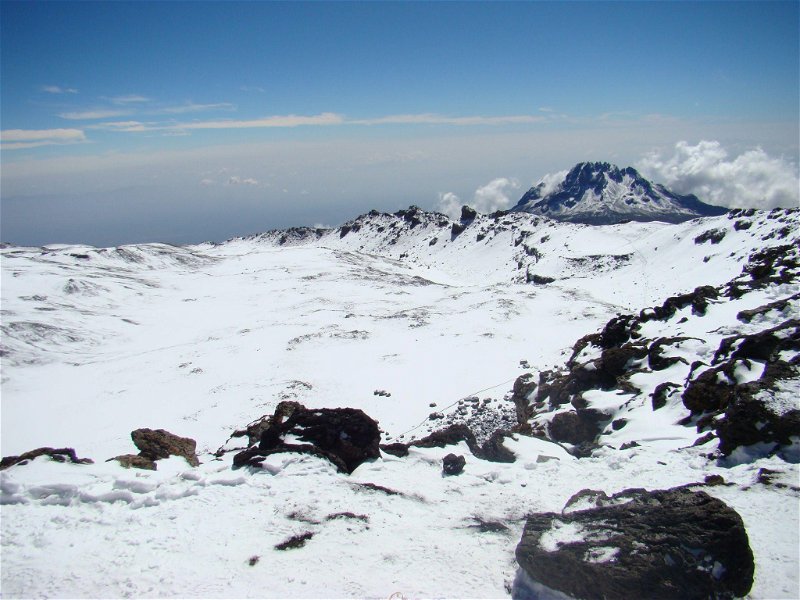
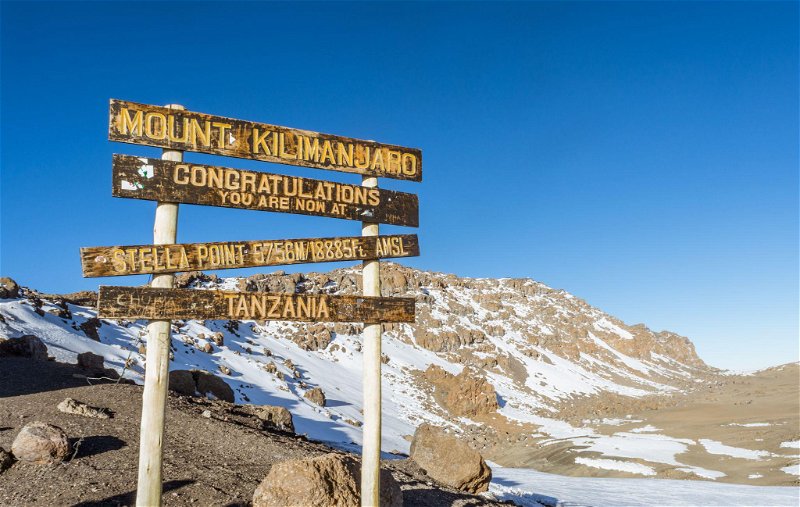
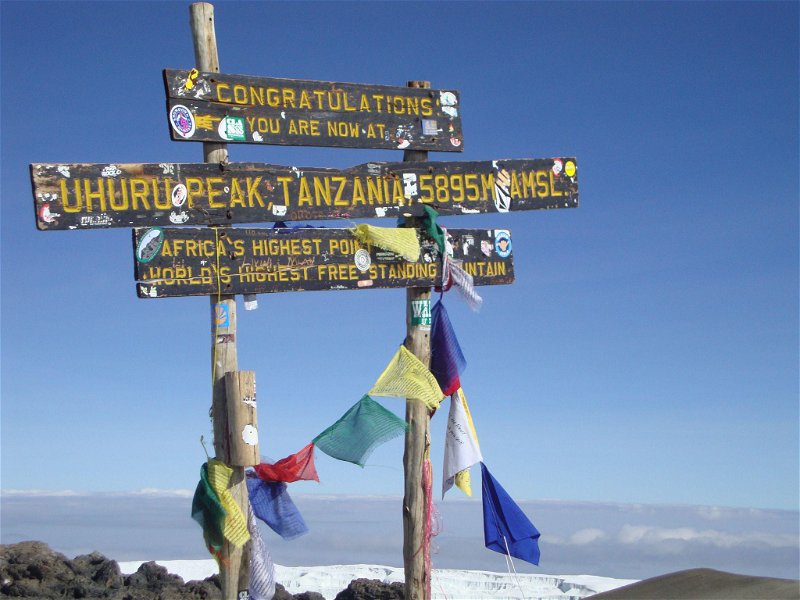
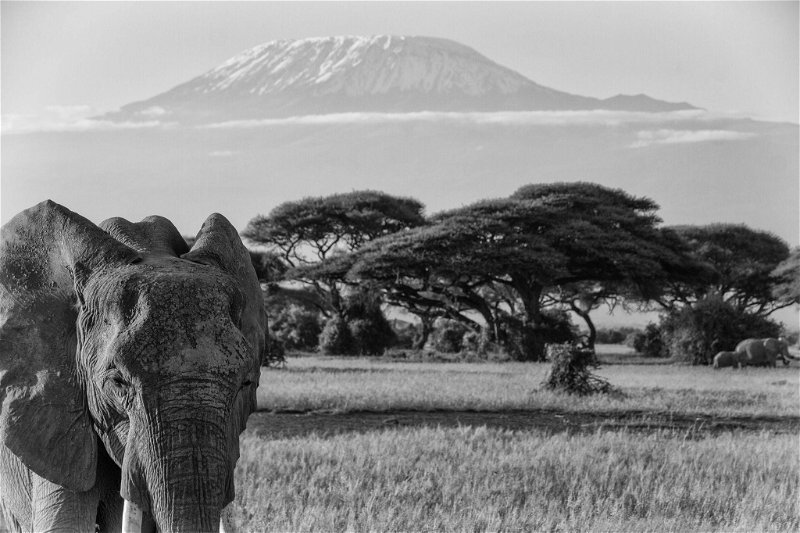
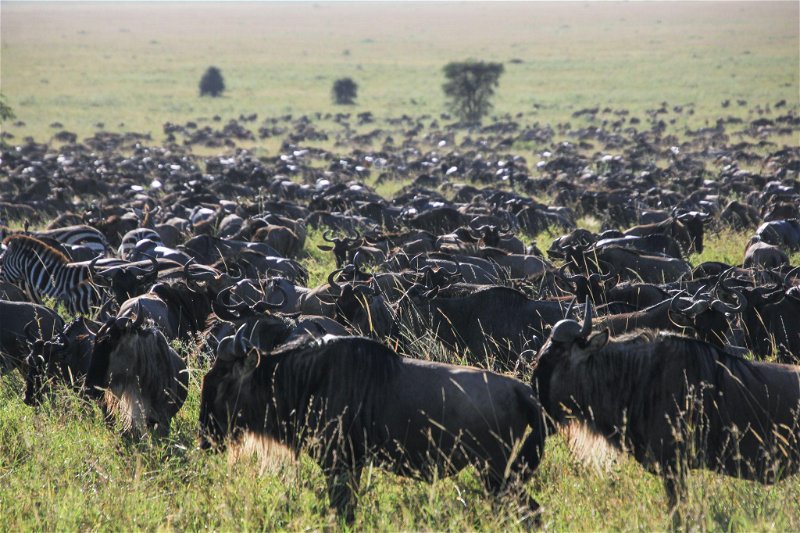
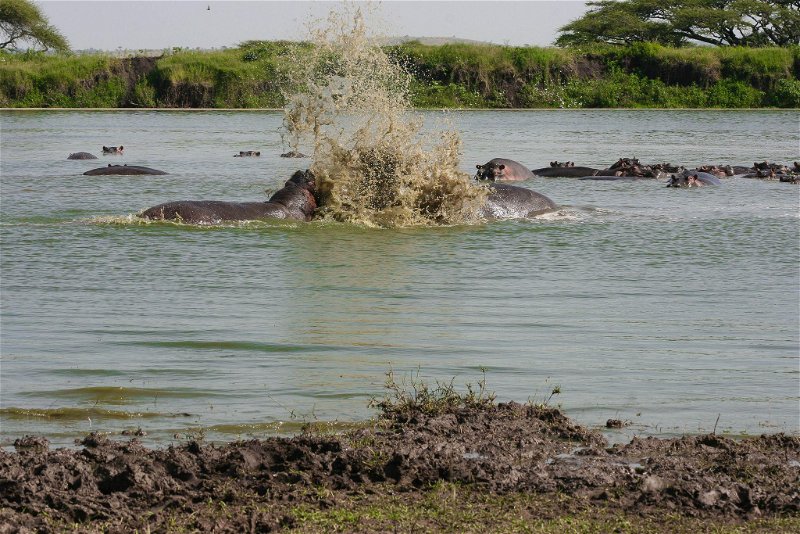
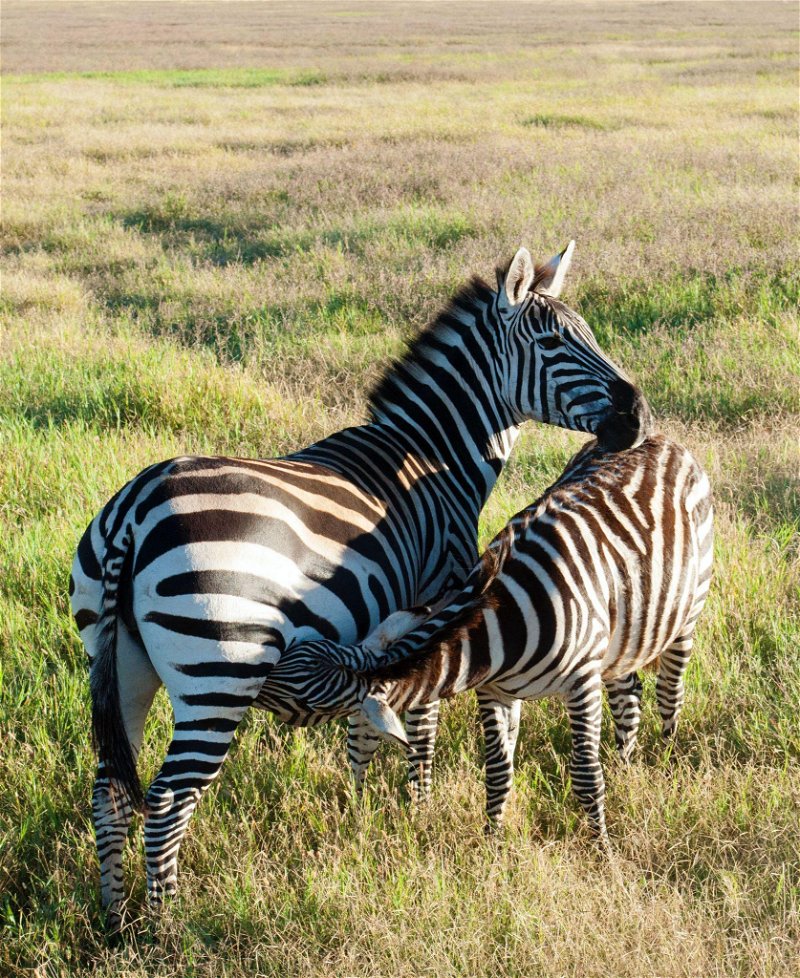
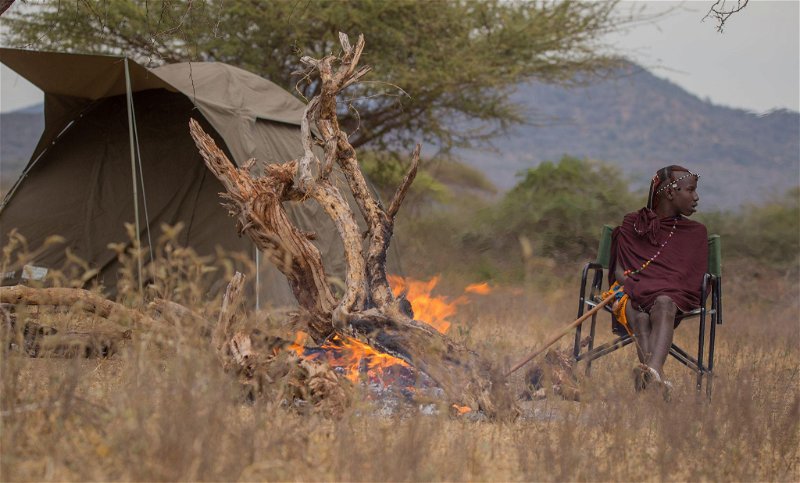
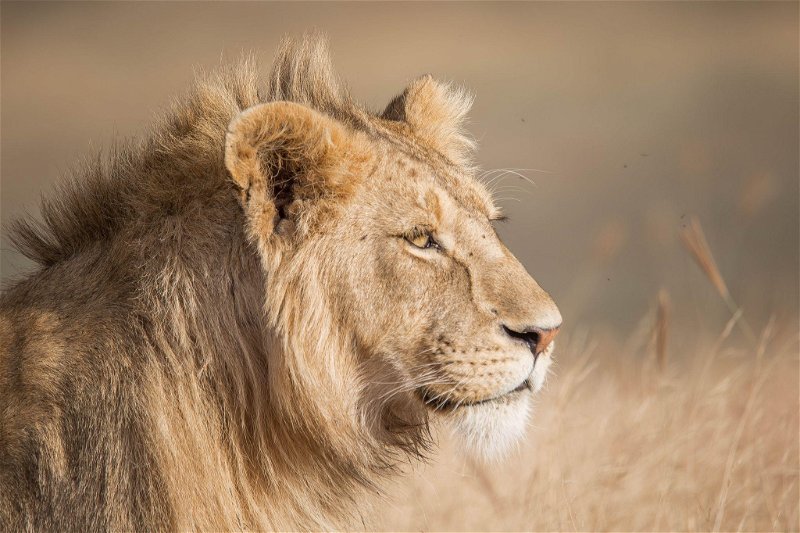
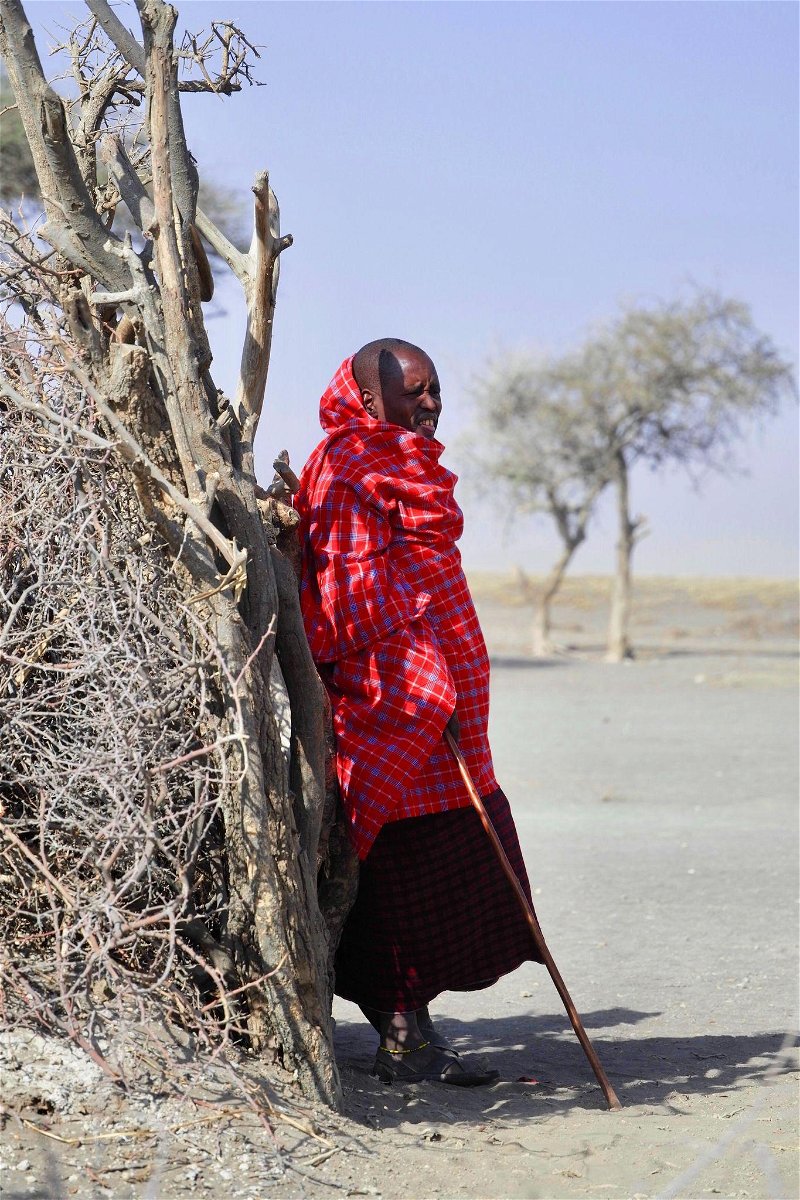
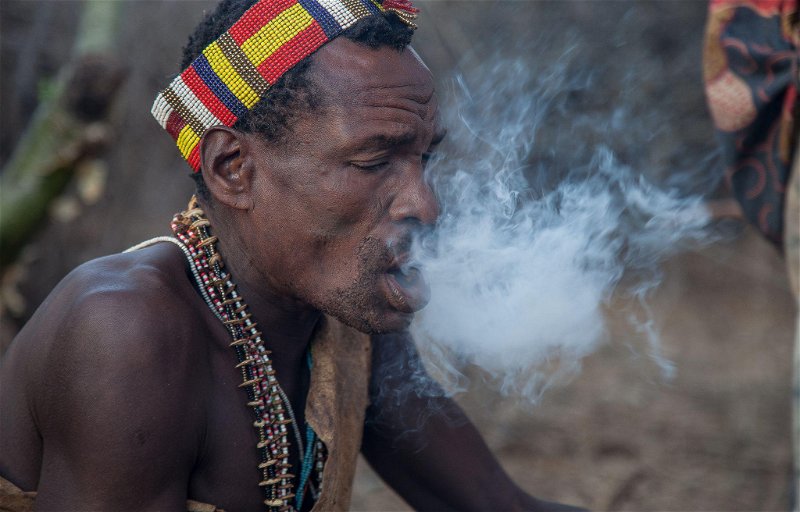
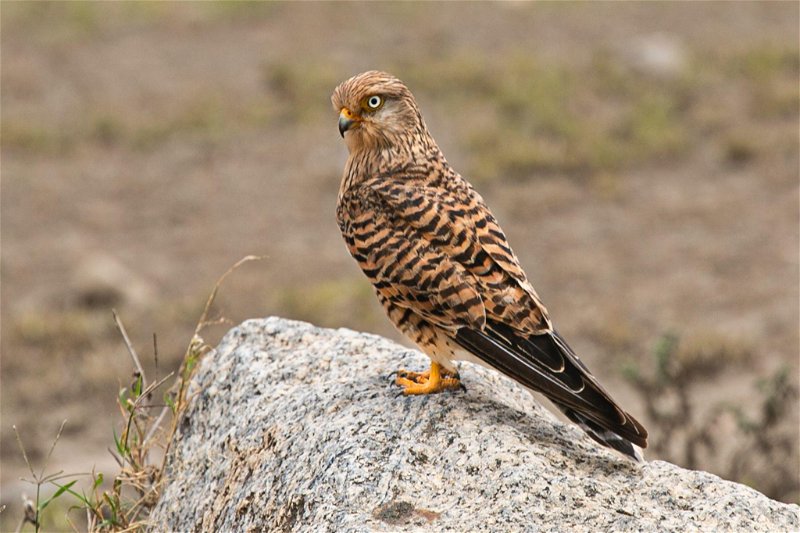
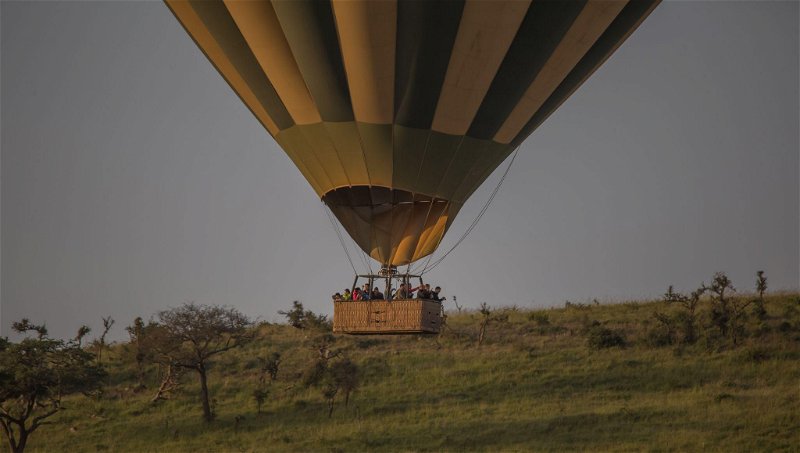
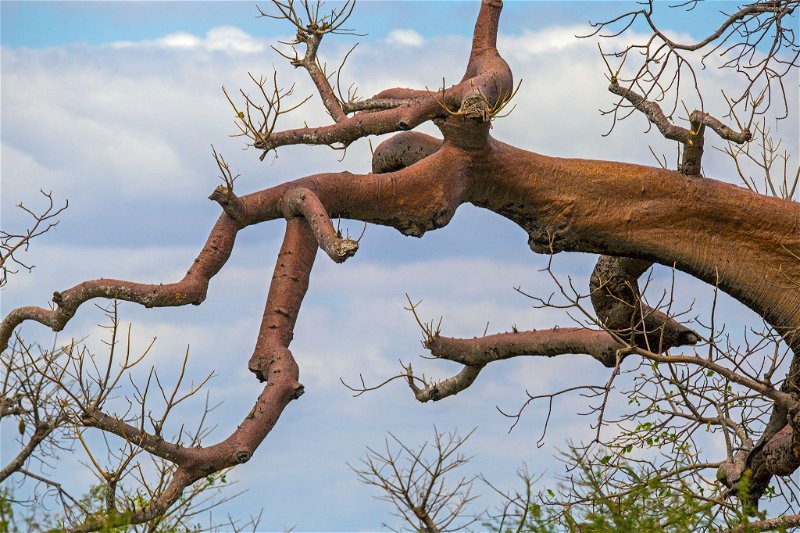
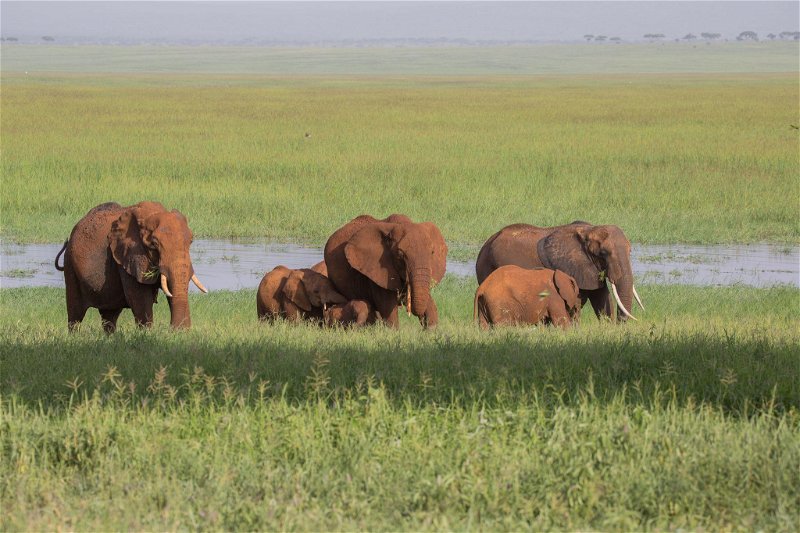
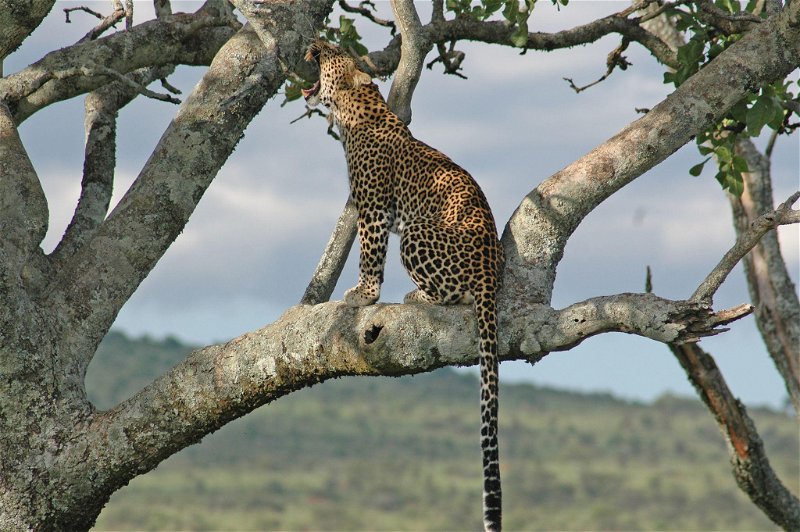
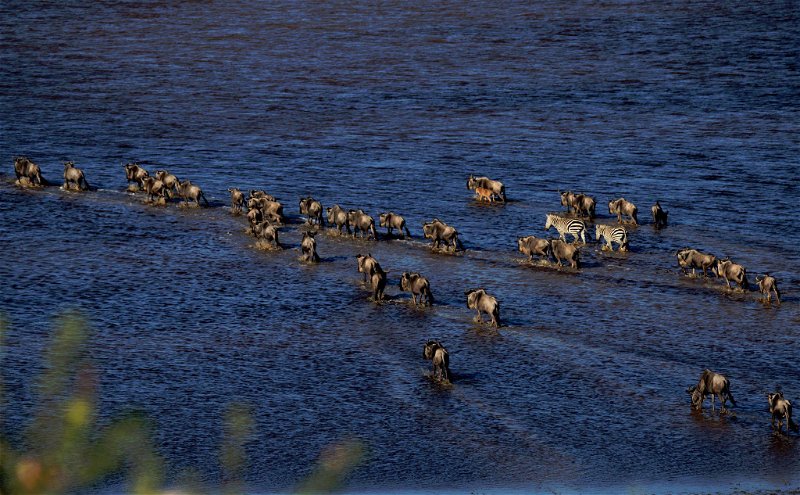
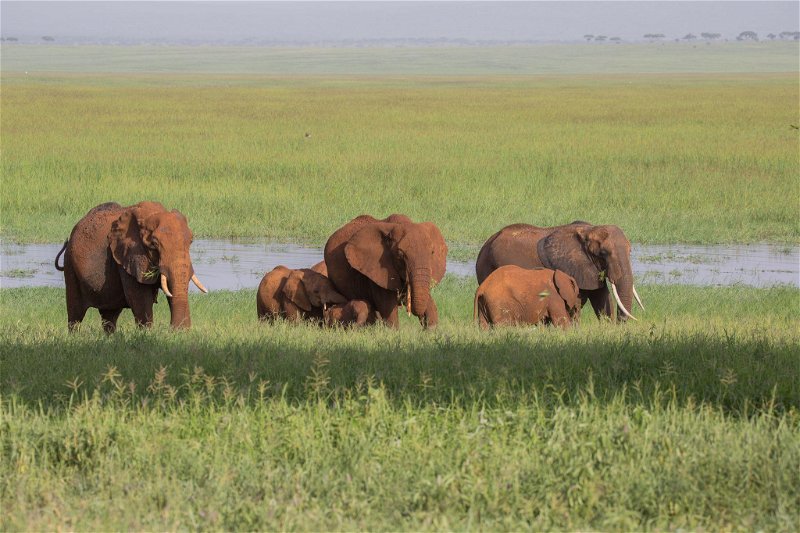
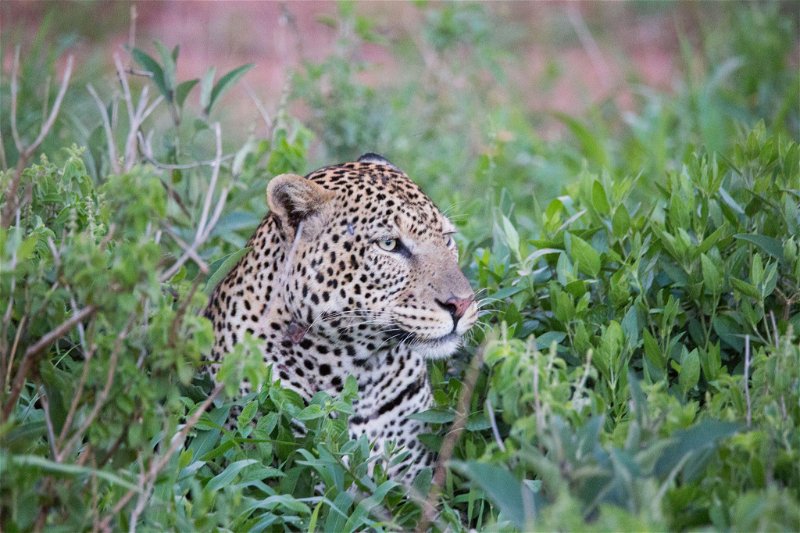
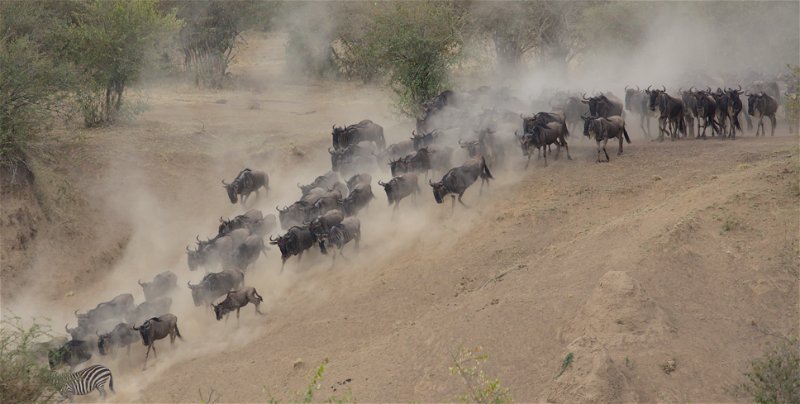
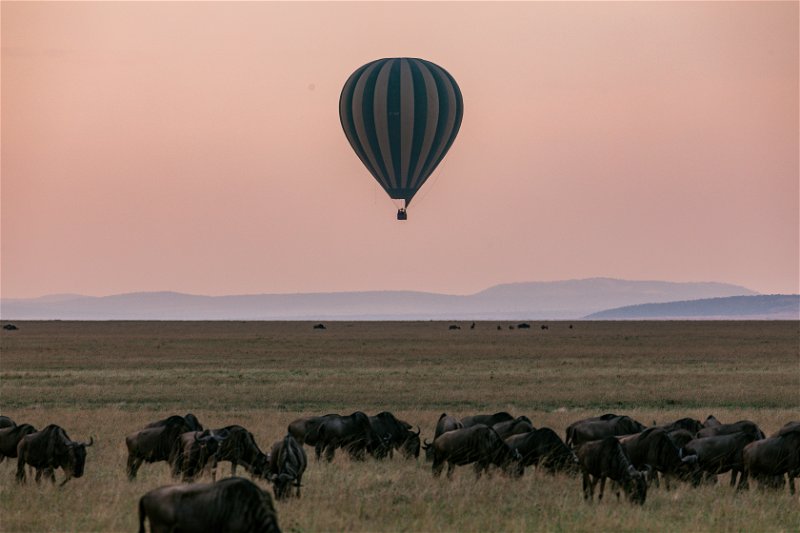
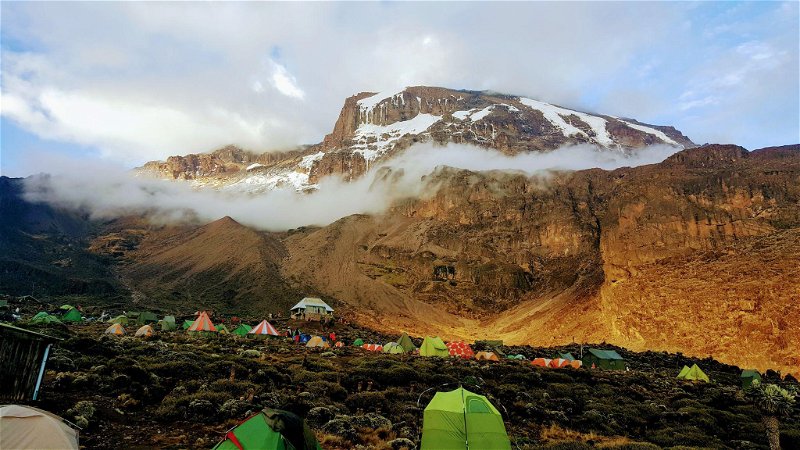
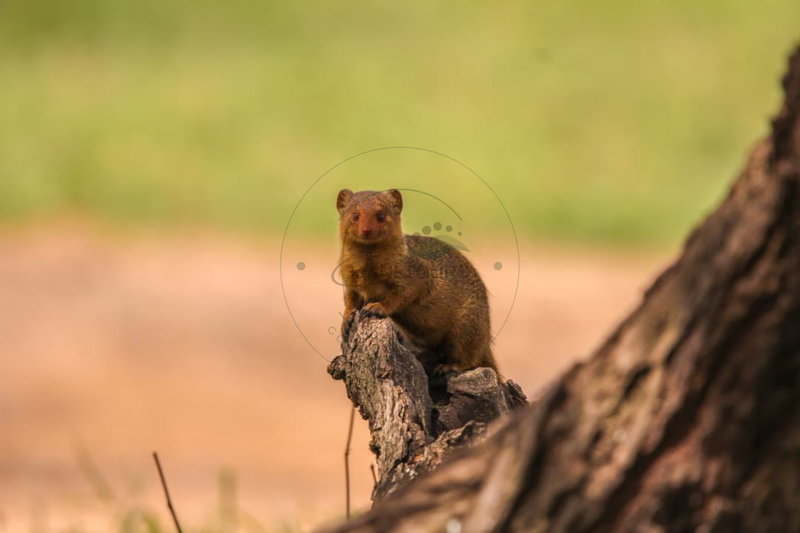
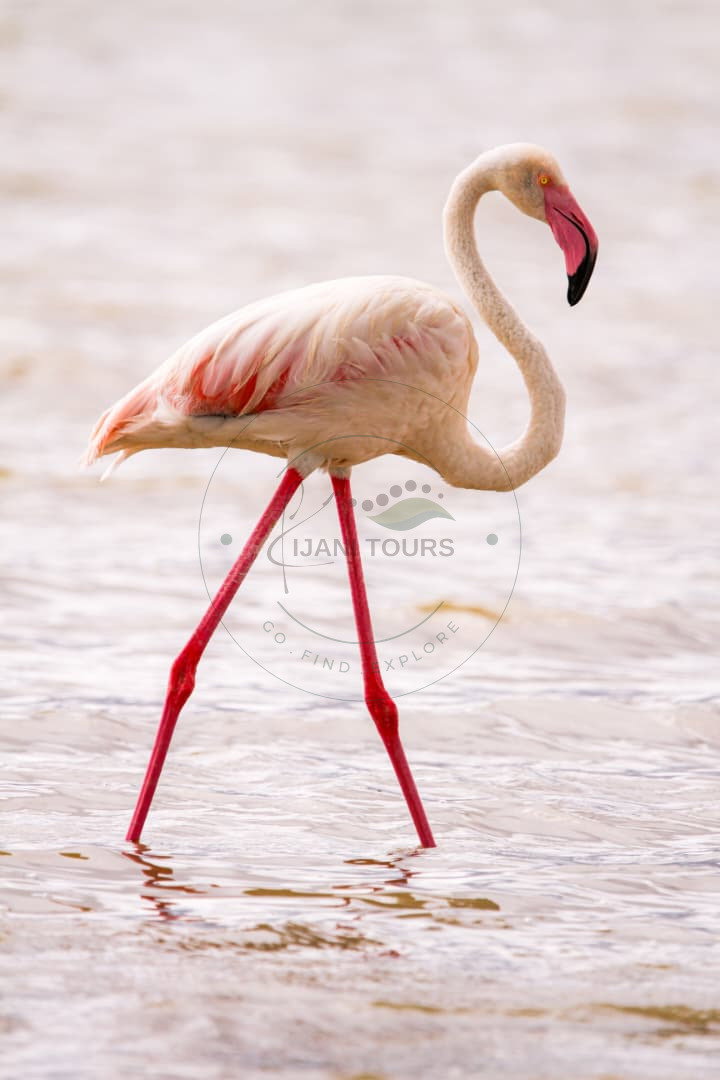
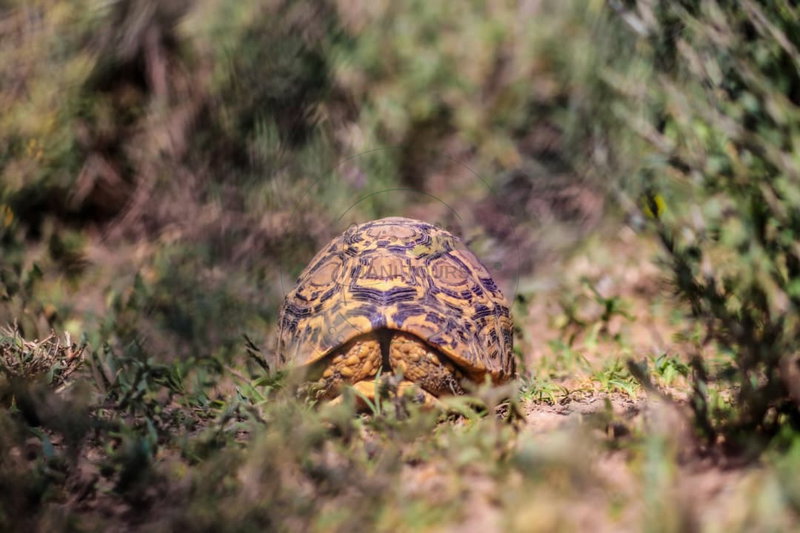
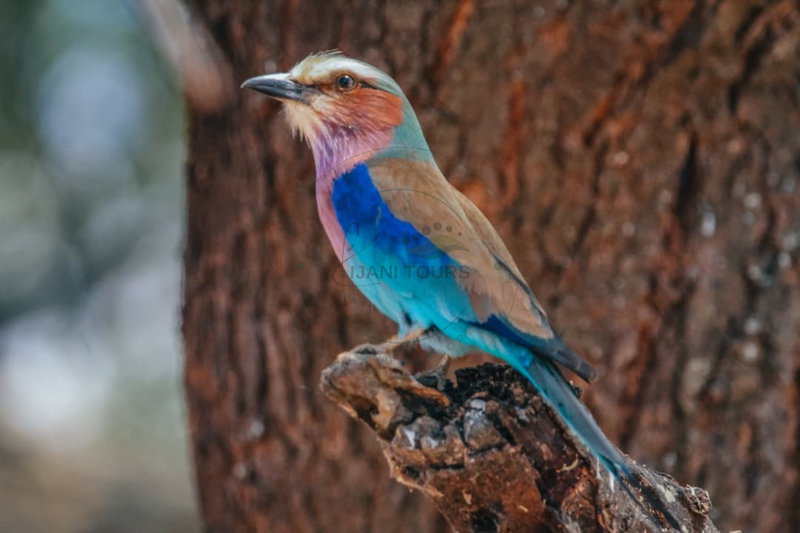
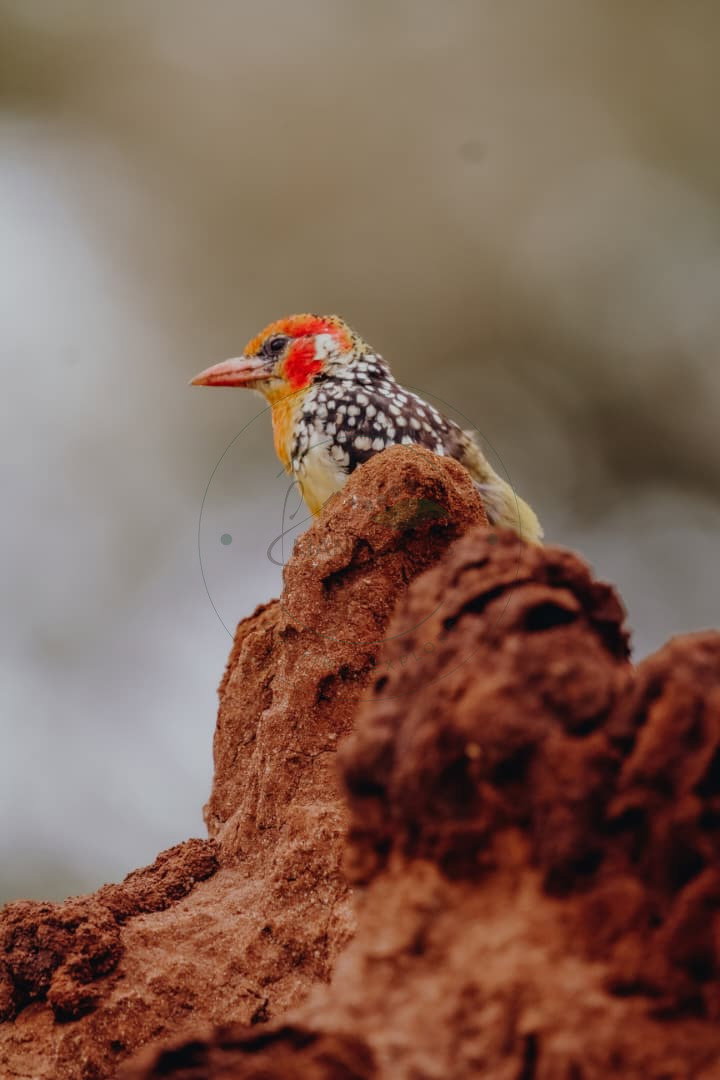
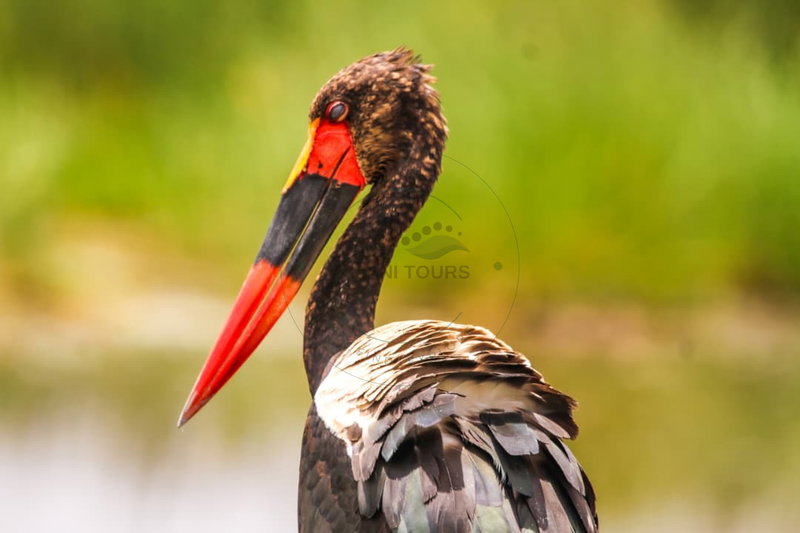
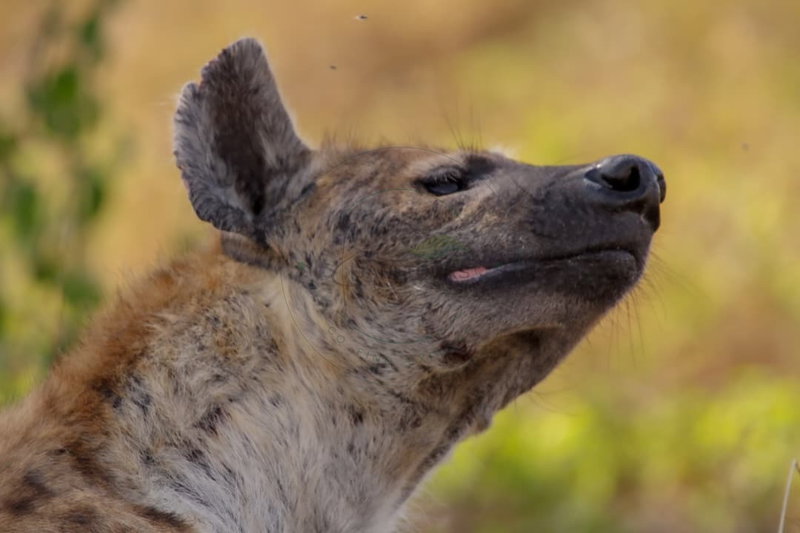
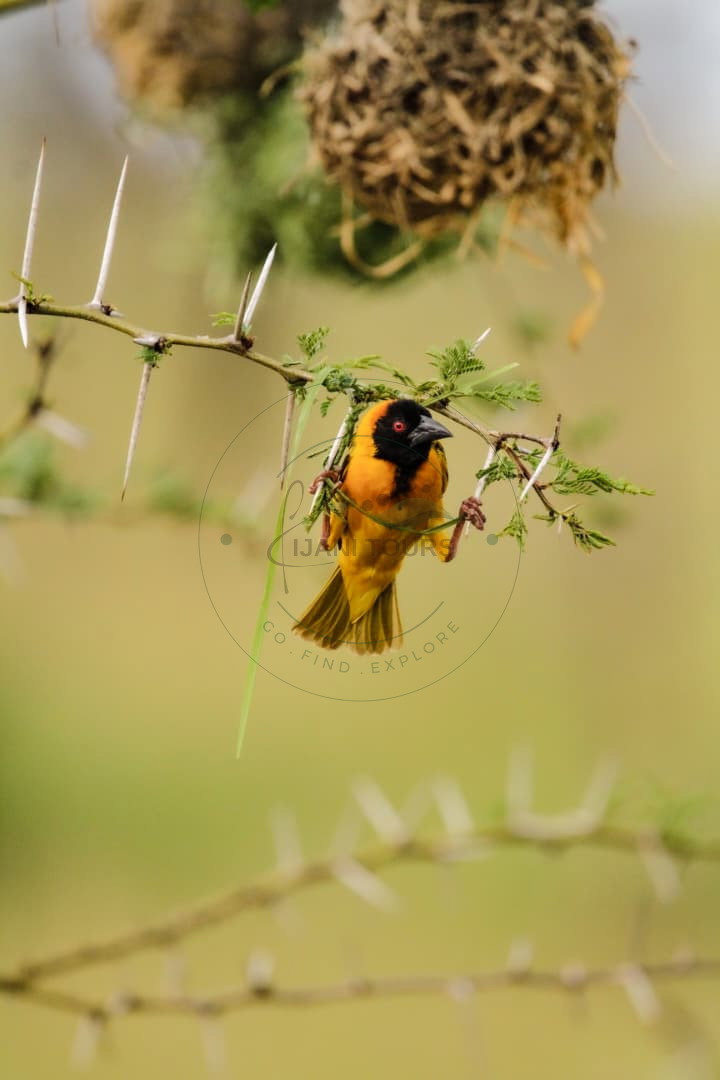
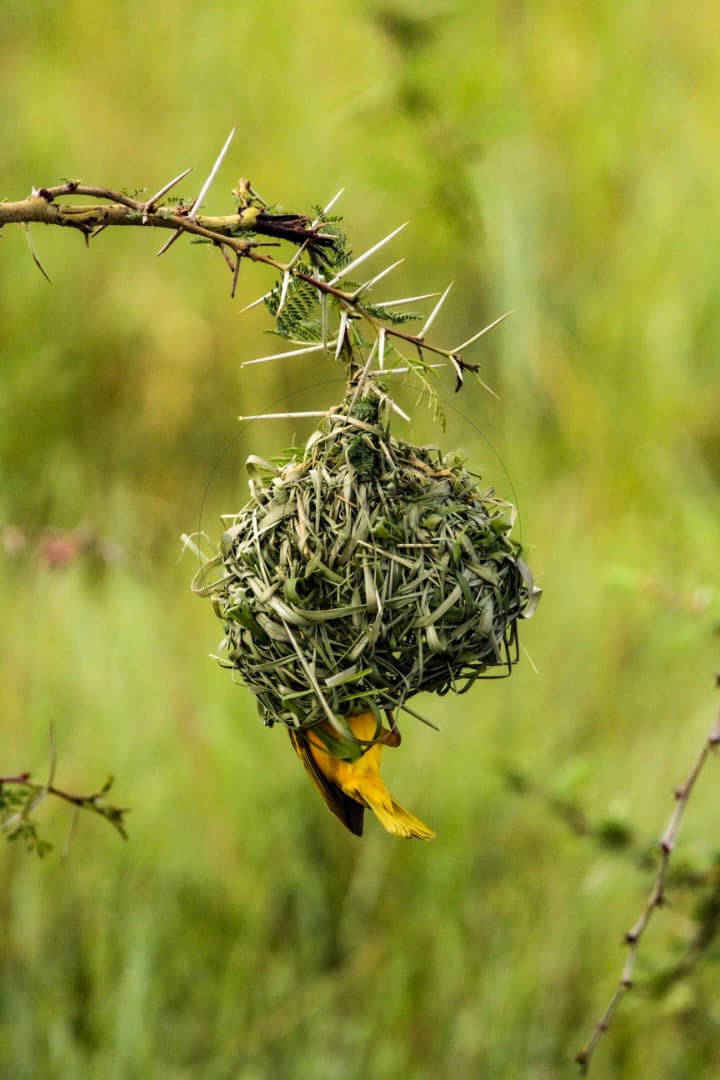
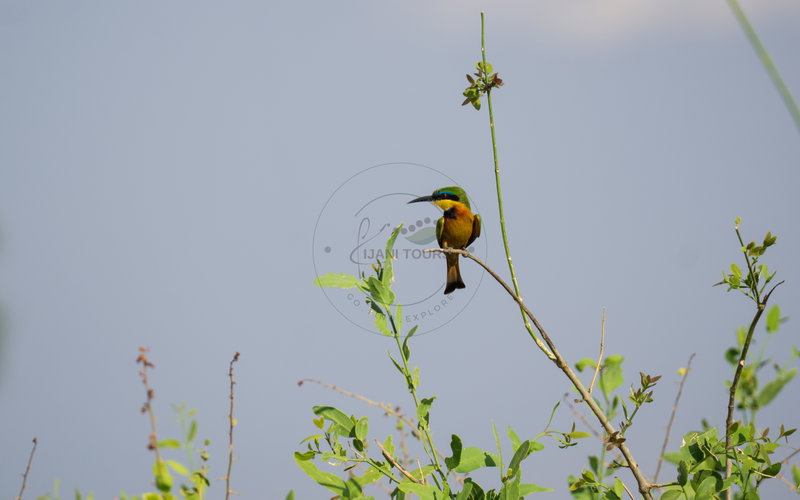
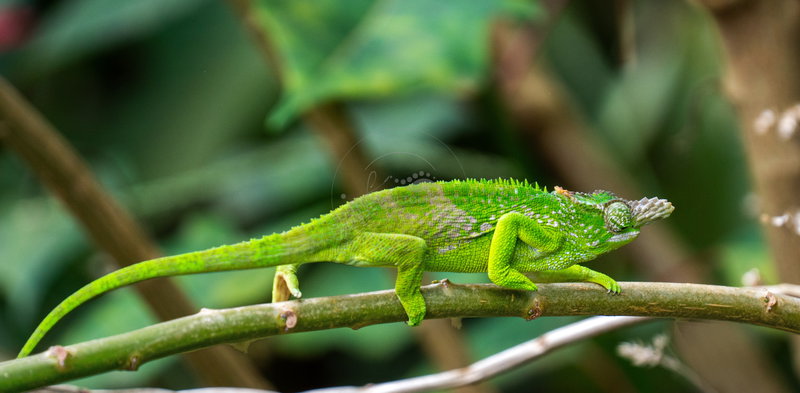
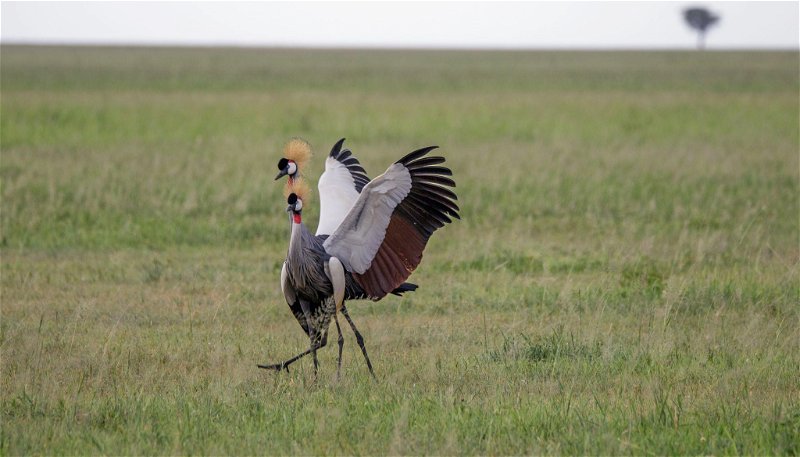
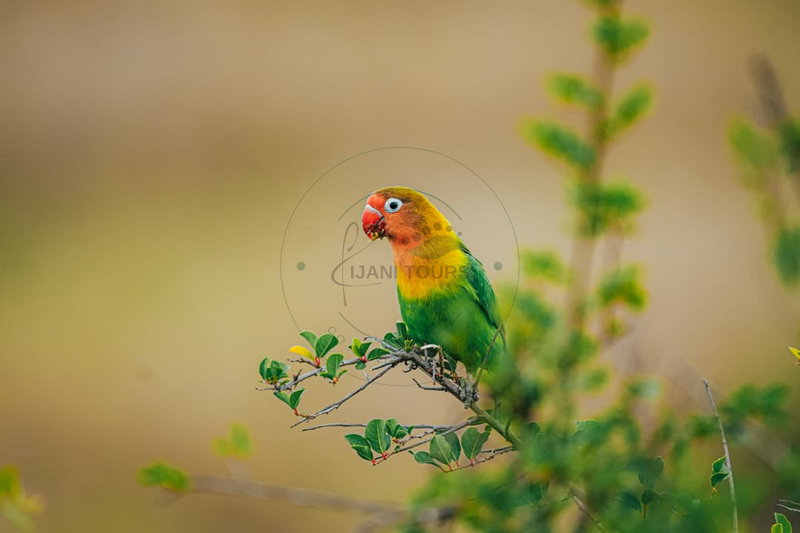
Rising to about 4,630 meters, Lava Tower is one of Kilimanjaro’s most dramatic volcanic landmarks. Standing beneath its dark volcanic cliffs, trekkers experience the mountain’s ancient geological story while acclimating to the high altitude. There is a different kind of magic in sleeping on Kilimanjaro. Cold mountain air, warm campfire conversations, stars stretching across the darkness, and the quiet anticipation of tomorrow’s climb. This is where the mountain becomes more than a summit. Step by step, through the snow, the cold wind, and thin mountain air. The legs grow tired, but the dream of standing at 5,895 meters keeps you moving. On Kilimanjaro, courage is not about being without fear. It is choosing to take the next step anyway. Pole pole. Keep going. Uhuru Peak is waiting. As the first light touches Kilimanjaro, the mountain slowly shifts from shadow to gold. Above the clouds, the quiet morning and vast horizon create one of those moments that linger long after the climb. When sunlight breaks across Kilimanjaro, every ridge, rock and glacier seems to come alive. High above the clouds, the warmth of the sun meets the cool mountain air, creating a simple but unforgettable moment on the trail. Every successful Kilimanjaro trek depends on a team working quietly behind the scenes. Porters carry essential equipment, set up camps, and make the journey possible. At Kijani Tours, porter welfare is central to responsible trekking. We believe the people who make your summit possible deserve fair treatment, proper equipment, safe working conditions, and respect. Your Kilimanjaro journey should benefit the people who help you reach the top. Walking near Kilimanjaro’s glaciers feels like stepping into another world, where ice meets volcanic rock high above the clouds. These fragile ice fields are also a visible reminder of how quickly the mountain’s environment is changing. Kilimanjaro’s glaciers have changed dramatically over the past century. The mountain has lost most of its ice since the early 1900s, leaving the remaining glaciers a powerful reminder of a changing climate. Walking past these ancient ice fields is beautiful, but it also carries a message: what we see today may not be here for future generations. At 5,895 meters, Uhuru Peak is the highest point in Africa. Reaching the summit is a slow, demanding journey through changing landscapes, thin air, and cold, culminating in a view that makes every step meaningful. The migration never moves quietly. Thousands of wildebeest cross the Serengeti in search of fresh grazing, creating one of Tanzania’s most remarkable wildlife spectacles. A Serengeti safari offers a front-row view of this seasonal movement across one of Africa’s greatest ecosystems. A male hippopotamus splashing in the water is a powerful display of strength and territorial behavior. Hippos spend much of the day submerged to stay cool, while loud grunts, splashes, and open-mouth displays help communicate dominance within the group. Zebras additionally rely on their strong memory and wider travel range to locate water sources and safe corridors, indirectly helping guide the broader migration flow. Wildebeest, in turn, contribute massive numbers and momentum, increasing herd protection. There is a special excitement to camping beneath the Tanzanian sky. As the fire glows and the savannah grows quiet, distant animal calls become part of the night. It feels wild, simple, and wonderfully connected to the landscape. Young male lions live through a fascinating transition. As they mature, they gradually develop the mane that signals adulthood, while learning the skills needed to hunt, compete and eventually establish their own territory. Their journey from playful cub to independent male is a crucial part of lion society. Visiting a Maasai boma offers a chance to learn directly from the community. From livestock traditions and traditional homes to stories, music, and daily life, the experience reveals a living culture shaped by generations of knowledge and a deep connection to the land. The Hadzabe are one of Tanzania’s oldest Indigenous communities, with deep knowledge of the land around Lake Eyasi. Their traditions, hunting and gathering practices, language, and intimate understanding of nature offer a distinct perspective on Tanzania’s living heritage. The Great Kestrel is a powerful raptor of Tanzania’s open landscapes, often perching on elevated sites to scan the ground below. Its keen eyesight helps it detect prey from a distance before making a swift, controlled descent. A quiet hunter, it is an important part of the savannah food web. Watch the Serengeti unfold beneath you as a hot-air balloon drifts quietly over endless plains, wildlife, and golden morning light. A different perspective on one of Tanzania’s most iconic landscapes. Tarangire’s iconic baobabs are living landmarks of the park. Their massive trunks store water, helping them survive dry seasons while providing food and shelter for wildlife. Look beyond the elephants and discover the trees that define this remarkable landscape. The Grey Crowned Crane makes a striking impression on Ngorongoro’s grasslands with its golden crown, elegant neck, and tall stance. Often seen moving through open areas in pairs or small groups, it is one of Tanzania’s most distinctive birds. Look up before you drive past. Serengeti leopards often rest in trees, using elevated branches to guard kills and survey the plains. Their elusive behavior makes each leopard encounter on a Tanzania safari especially rewarding. Lake Ndutu sits amid the open plains of the Southern Serengeti, where seasonal water draws wildlife and sustains the Great Migration. Its quiet landscape offers a closer look at the rhythms of water, grass and wildlife. An elephant can spend much of its day feeding, moving slowly across the landscape while pulling grasses, leaves, bark, and branches with its trunk. This constant grazing shapes vegetation and helps elephants play an important role in the ecosystem. A leopard’s hunt is built on patience. Low to the ground and almost silent, it uses tall grass, bushes and shadows to stay hidden before creeping closer to its prey. One careful step at a time, the stalk becomes a lesson in stealth, timing and survival. Across the Serengeti, wildebeest movement is more than a spectacular migration. Their grazing shapes grasslands, their dung returns nutrients to the soil, and their constant movement helps connect different parts of the ecosystem. The migration is a living cycle that supports countless species. Rise above the Serengeti and watch thousands of wildebeest move across the plains below. From a hot-air balloon, the Great Migration unfolds as a vast landscape story of movement, survival, and seasonal change. Camping on Kilimanjaro carries a responsibility to protect the mountain. Pack out all waste, avoid damaging vegetation, respect designated campsites, and leave the landscape as you found it. At Kijani Tours, we believe reaching the summit should never come at the mountain expense. The dwarf mongoose is Africa’s smallest mongoose and a highly social predator. Living in family groups, these agile hunters search for insects, reptiles, and other small prey across Tanzania’s savannahs. Flamingos are perfectly adapted to Tanzania’s alkaline lakes, using specialized bills to filter tiny organisms from shallow water. When thousands gather, their pink plumage creates one of the most memorable scenes in Tanzania’s wetlands. The leopard tortoise is recognized by its beautifully patterned shell and remarkable adaptation to dry habitats. It moves slowly across Tanzania’s grasslands, feeding mainly on grasses, leaves, and other vegetation. The lilac-breasted roller is one of Tanzania’s most colorful birds. From an elevated perch, it watches for insects and small reptiles before launching into quick aerial maneuvers to capture its prey. Lovebirds are small, highly social parrots known for their strong pair bonds and affectionate behavior. Often seen feeding, preening, and moving together, these colorful birds bring lively energy to Tanzania’s woodlands and savannas. The Red-and-Yellow Barbet brings striking color to Tanzania’s woodlands and savannahs. Its vivid plumage and distinctive call make it a memorable bird to encounter, and its diet includes fruits and small insects. The saddle-billed stork is one of Africa’s tallest and most distinctive wading birds. Its long legs and powerful bill help it hunt fish, frogs, and other aquatic prey around Tanzania’s wetlands and shallow waters. The spotted hyena is an intelligent, social predator that lives in complex clans. Its powerful jaws allow it to process bones and other parts of carcasses, making it an important predator, scavenger, and nutrient recycler in Tanzania’s ecosystems. Weaver birds are remarkable architects of Tanzania’s savannahs. Using grass and plant fibers, they weave intricate hanging nests, often building colonies near water. Their carefully constructed nests protect eggs and chicks while showcasing one of nature’s finest examples of bird craftsmanship. Weaver birds are among Tanzania’s most skilled nest builders. The male carefully knots grass and plant fibers into a hanging nest, sometimes rebuilding it repeatedly until a female accepts his work. Their colonies create lively activity across the savannah. Bee-eaters are agile aerial hunters, known for catching bees and other flying insects in midair. Before eating a bee, they skillfully remove the stinger by striking the insect against a perch. Their colorful plumage and quick movements make them fascinating birds to watch on safari. Chameleons are masters of adaptation, using independently moving eyes to scan in different directions and a long, rapidly extending tongue to capture insects. Their grasping feet and prehensile tails help them move carefully through Tanzania’s trees and vegetation.

Follow the journey

Kijani Tours, 649 MOSHI , Moshi , Kilimanjaro , 25102 , Tanzania

  • Home
  • About Us
  • Tanzania Wildlife Safaris
  • Kilimanjaro Treks
  • Blog
  • Tanzania
  • Gallery
  • FAQ`S

© Copyright 2026 Kijani Tours. Privacy Policy. Owner Login
Share This Page

  • WhatsApp
  • Facebook
  • Twitter
  • Pinterest
  • LinkedIn
  • Email
WhatsApp