

Africa has 20,000 lions left. Tanzania has half of them. The question is not whether you will see one. It is whether you will understand what you are looking at when you do. Tanzania is not one safari. It is a set of completely different landscapes, each producing a different kind of lion. In the Serengeti, prides live off the Migration and rest on granite kopjes that have been used for generations....
Tanzania UNESCO World Heritage Sites: A Local Expert Guide
Posted by Wolfgang on Wed July 29, 2026 in Tanzania World Heritage Travel Guide.
About This Tanzania UNESCO World Heritage Guide
This guide to Tanzania’s UNESCO World Heritage Sites has been created by Wolfgang Valerian, based in Tanzania. Wolfgang works directly with travellers exploring Mount Kilimanjaro, Tanzania’s national parks, Zanzibar’s cultural heritage sites, and community-based experiences throughout the country. Through years of designing and operating responsible journeys, Wolfgang combines UNESCO information with practical field knowledge, local interpretation, and an understanding of how travellers can experience Tanzania’s heritage respectfully.
Our expertise covers Kilimanjaro trekking and mountain ecosystems, wildlife conservation and safari experiences, Swahili cultural heritage, community-based tourism, and responsible and regenerative travel practices. We believe the most meaningful journeys are those that connect visitors with landscapes, wildlife, history, and the communities who continue to protect these places.
What Are the UNESCO World Heritage Sites in Tanzania?
Tanzania has seven UNESCO World Heritage Sites recognised for their outstanding universal value. UNESCO recognition means that these places are considered important not only for Tanzania but for humanity as a whole, as they represent exceptional examples of natural or cultural heritage.
The natural UNESCO World Heritage Sites in Tanzania are Serengeti National Park, Kilimanjaro National Park, and the Selous ecosystem, represented today by Nyerere National Park. These sites protect some of the world’s most important wildlife habitats, mountain environments, and ecological systems.
The cultural UNESCO World Heritage Sites in Tanzania are Stone Town of Zanzibar, Kondoa Rock-Art Sites, and the Ruins of Kilwa Kisiwani and Songo Mnara. These places preserve evidence of Swahili civilisation, ancient human creativity, and historic connections between East Africa and the Indian Ocean world.
The Ngorongoro Conservation Area is unique because it is recognised as a mixed UNESCO World Heritage Site for both its natural importance and cultural significance.
Why Are Tanzania’s UNESCO World Heritage Sites Important?
Tanzania’s UNESCO sites are important because they illustrate the connection between nature and human history.
The Serengeti highlights the need to protect large wildlife ecosystems where natural processes continue largely undisturbed. Kilimanjaro underscores the need to safeguard mountain environments affected by global climate change. Ngorongoro shows how wildlife conservation, archaeology, and human communities can coexist.
The cultural sites reveal another facet of Tanzania’s identity. Stone Town preserves the history of Swahili civilisation and Indian Ocean trade. Kondoa protects ancient rock paintings that provide evidence of human creativity dating back thousands of years. Kilwa Kisiwani and Songo Mnara demonstrate that African coastal societies were active participants in international trade networks.
For visitors, these sites offer more than sightseeing. They provide opportunities to understand Tanzania’s landscapes, cultures, and communities more deeply.
Why Choose Kijani Tours as Your Source for Tanzania Heritage Information?
Many travel websites describe Tanzania’s UNESCO World Heritage Sites from a distance. This guide is different because it combines recognised UNESCO information with local travel knowledge gained from operating journeys throughout Tanzania.
Kijani Tours is a Tanzania-based tour operator specialising in responsible safaris, Kilimanjaro trekking, cultural heritage experiences, and tailor-made journeys.
Our understanding comes from direct experience:
At Kijani Tours, we see Tanzania’s real magic in our people, our traditions, and the everyday moments you stumble upon along the way. For us, climbing Kilimanjaro isn’t just about reaching the summit and snapping a photo; it’s about sharing the journey with local teams who know the mountain inside and out, from every winding path to every old story. On safari, our guides do more than point out animals; they bring the wild to life, opening your eyes to the small details you would likely miss.
We don’t breeze through villages, either. We stop to spend time with the Chagga, Maasai, and Swahili communities, listening rather than just passing by. Our adventures aren’t about checking off famous sites. We want real connections with the people we meet, the landscape, and the groups working hard to protect both. These places aren’t just for show; people make their lives here, and the environment ties it all together. The World Heritage designation on Mount Kilimanjaro, the Serengeti, and Ngorongoro means more than bragging rights; it’s a reminder that these places matter to all of us.
But let’s be honest, the big names don’t always hit as deep as the small moments: hearing someone’s story, being welcomed to a meal, or joining a local festival. That’s what travelers remember: the feeling of Tanzania at its most real, generous, and alive. That’s the kind of trip that lingers long after you leave.
Local Guide Insights: What Makes Tanzania’s UNESCO Sites Special?
Insights From Tanzania Travel Experts
Serengeti National Park
"Many visitors come to Serengeti expecting to see animals, but the deeper experience is understanding how the entire ecosystem works. The migration is not just about wildebeest crossing rivers. It is about rainfall, grasslands, predators, and thousands of years of natural balance."
David, Kijani Tours Safari Guide
Mount Kilimanjaro
"Climbing Kilimanjaro is not only about reaching Uhuru Peak. The mountain teaches patience, respect, and connection. Every zone tells a different story, from the Chagga communities on the lower slopes to the fragile glaciers at the summit."
Moses, Kijani Tours Mountain Guide
Ngorongoro Conservation Area
"The crater is famous for wildlife, but what makes Ngorongoro unique is the relationship between people, animals, and the landscape. It is a place where conservation and human history meet."
Lomayani, Kijani Tours Cultural Guide
Stone Town Zanzibar
"Stone Town should not be rushed. The real story is not only in the buildings but in the people, language, food, music, and traditions that continue every day."
Mahmud, Kijani Tours Zanzibar Heritage Specialist
"Many travellers know Zanzibar's history, but Kilwa reveals the deeper roots of Swahili civilisation. It shows that East Africa was connected to global trade centuries ago."
Mohamed, Kijani Tours Heritage Guide
The most complete Tanzania UNESCO heritage travel authority guide created by a local Tanzania operator.
Serengeti National Park: Tanzania’s Most Famous UNESCO World Heritage Site
Serengeti National Park is Tanzania’s most famous UNESCO World Heritage Site and one of the most important wildlife ecosystems on Earth. Located in northern Tanzania, the Serengeti was recognised by UNESCO in 1981 for its exceptional ecological value, biodiversity, and ongoing natural processes.
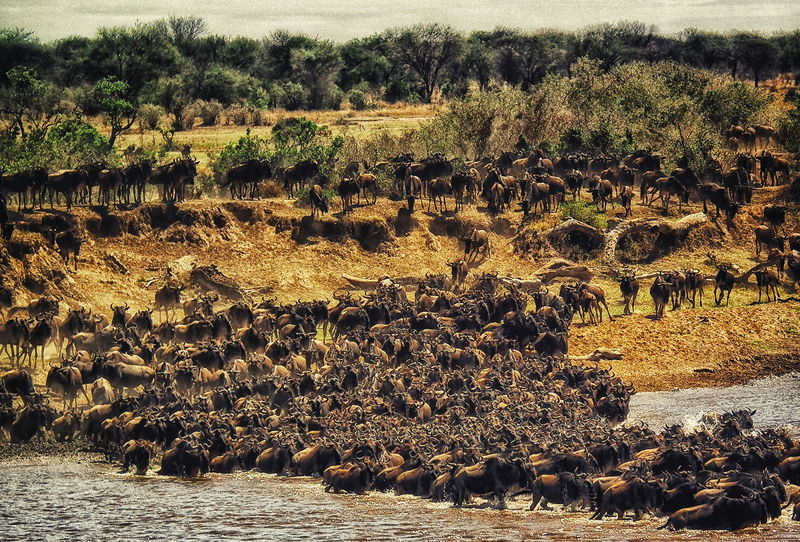
The Serengeti is best known for the Great Migration, the largest terrestrial wildlife movement in the world. Each year, more than one million wildebeest, hundreds of thousands of zebras, and many gazelles move across the Serengeti ecosystem in response to seasonal rainfall and fresh grazing.
The Great Migration is not simply a wildlife event. It illustrates how an entire ecosystem functions. Rainfall drives grass growth, grass supports herbivores, herbivores support predators, and every species contributes to environmental balance.
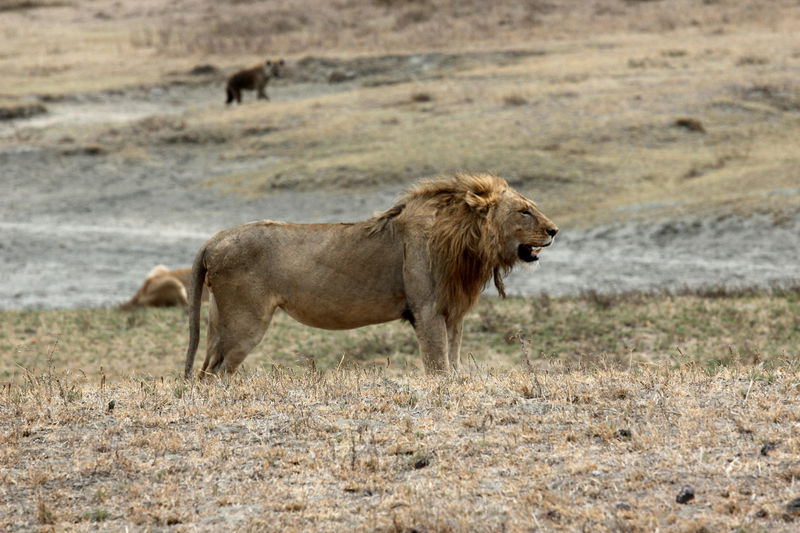
Visitors to Serengeti National Park can experience some of Africa’s most iconic wildlife, including lions, leopards, cheetahs, elephants, buffalo, giraffes, and hundreds of bird species. However, the true value of the Serengeti lies not only in the animals travellers see but in the ecological relationships that allow this ecosystem to survive.
A responsible Serengeti safari focuses on understanding wildlife behaviour rather than simply seeking the closest animal encounter. Experienced local guides help visitors understand predator behaviour, seasonal movements, conservation challenges, and the importance of protecting natural habitats.
Ngorongoro Conservation Area: A UNESCO Site Where Wildlife, Volcanoes and Human History Meet
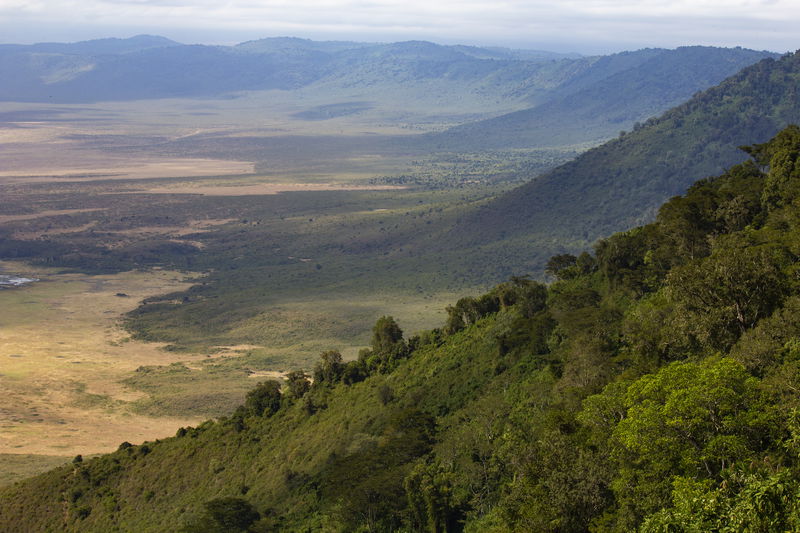
The Ngorongoro Conservation Area is one of the few places in the world where natural history, wildlife conservation and human history coexist within a single landscape. Located near Serengeti National Park in northern Tanzania, Ngorongoro became a UNESCO World Heritage Site for its exceptional natural and cultural significance.
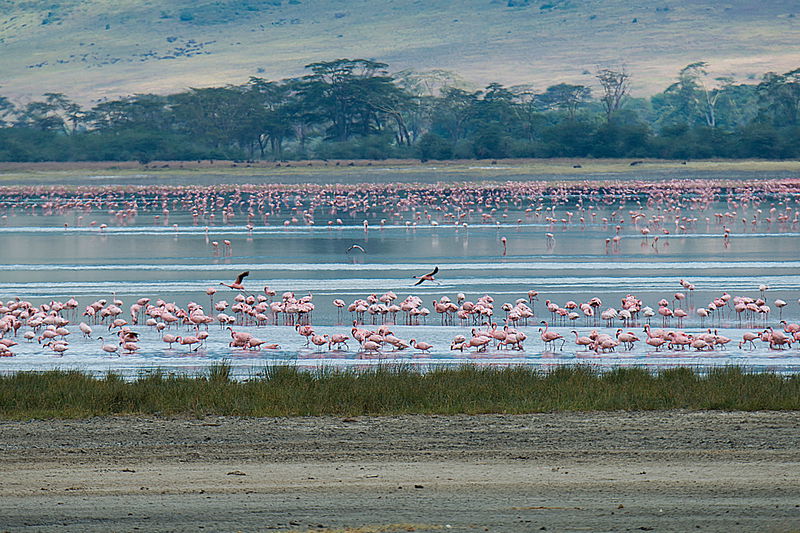
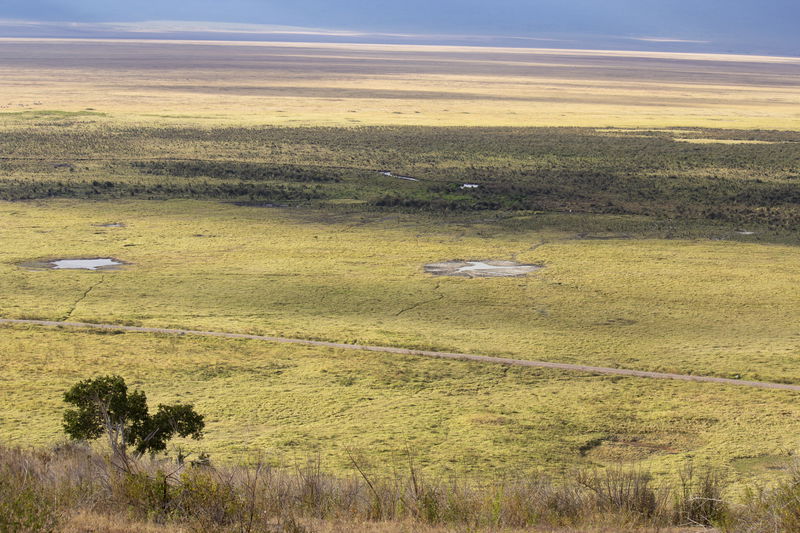
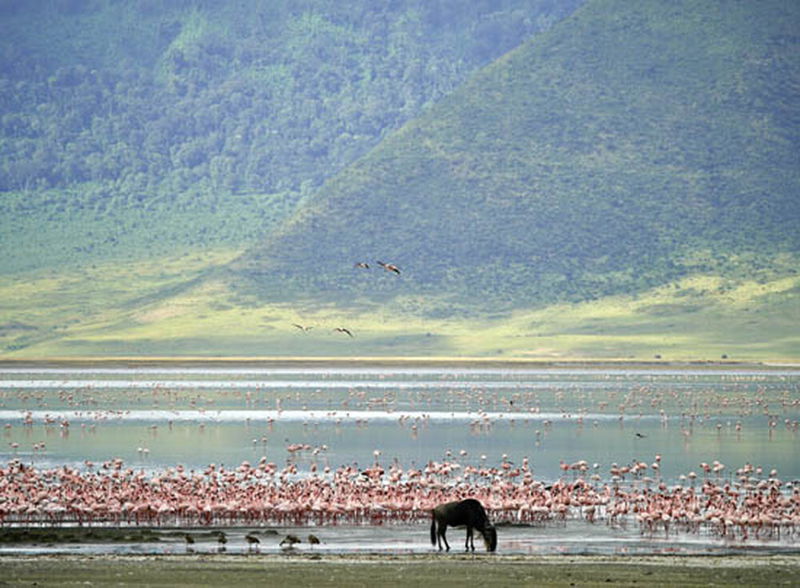
The Ngorongoro Crater is the area’s most famous feature. It formed millions of years ago when a massive volcano collapsed, creating the largest intact volcanic caldera on Earth. Today, the crater supports a remarkable concentration of wildlife, including lions, elephants, buffalo, hippos, flamingos and the endangered black rhinoceros.
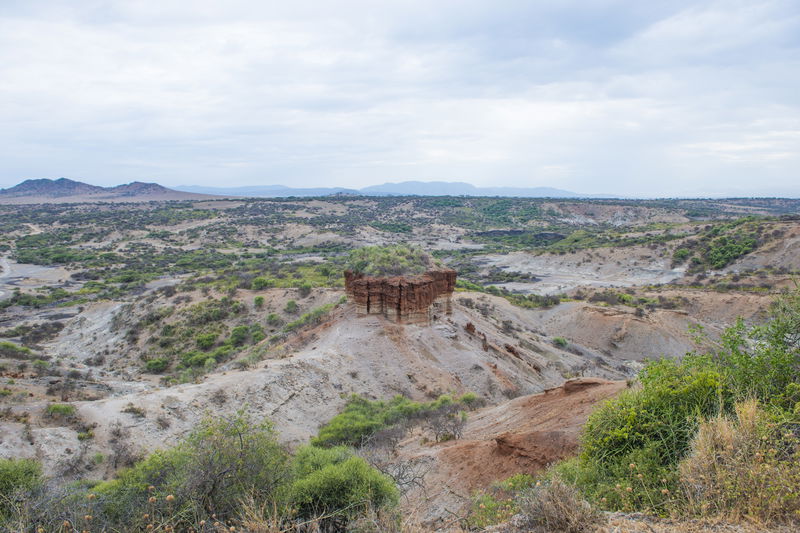
Ngorongoro is also notable for Olduvai Gorge, one of the world’s most significant archaeological sites. Fossils and ancient tools discovered here have helped scientists understand human evolution and how early humans adapted to changing environments.
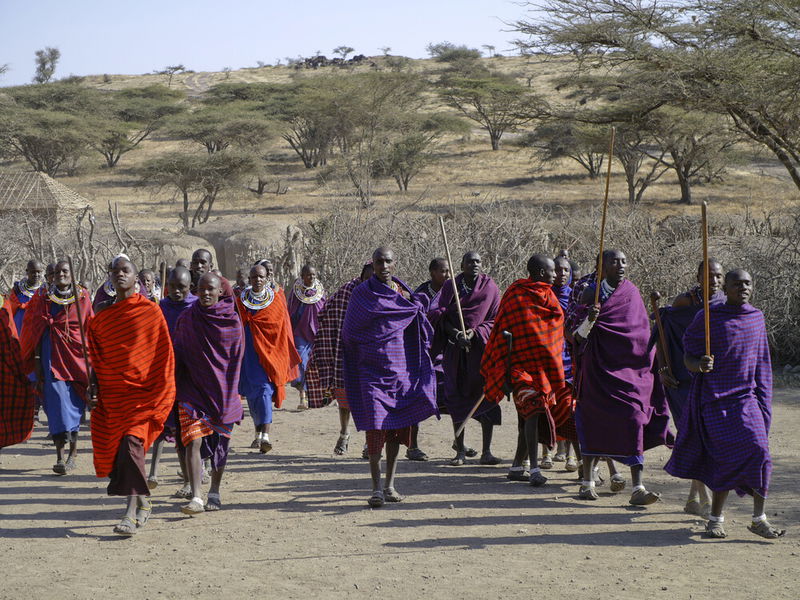
Unlike traditional national parks, Ngorongoro is a multiple-use conservation area where wildlife protection coexists with the traditional lifestyle of Maasai communities. This makes Ngorongoro an important example of the relationship between conservation and people.
Travellers visiting Ngorongoro can experience not only wildlife viewing but also the geological, archaeological and cultural stories that make this landscape unique.
Kilimanjaro National Park: Africa’s Highest Mountain and UNESCO Natural Heritage Site
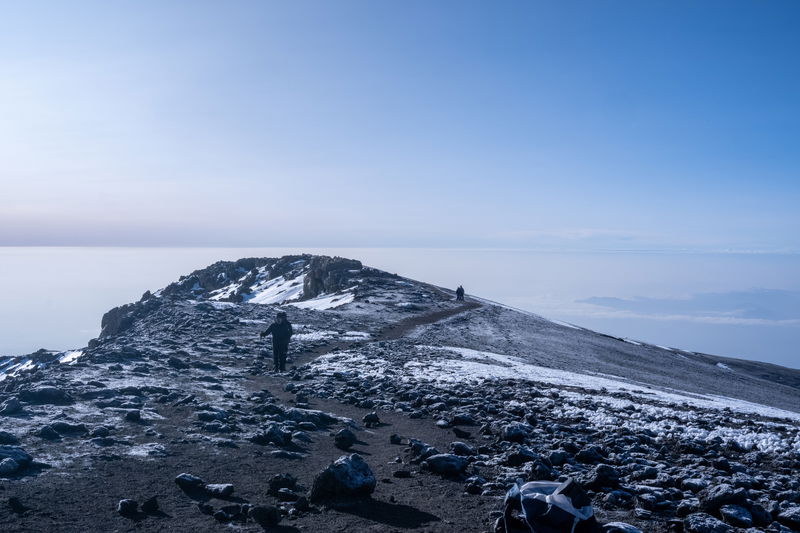
Kilimanjaro National Park protects Mount Kilimanjaro, Africa’s highest mountain and one of the world’s most recognisable natural landmarks. The mountain reaches 5,895 metres above sea level at Uhuru Peak and attracts thousands of trekkers each year.
UNESCO recognised Kilimanjaro National Park in 1987 for its exceptional volcanic landscape, ecological diversity, and global importance as a free-standing mountain ecosystem.
One reason Kilimanjaro is unique is the dramatic environmental changes experienced during a climb. Travellers move from tropical farmland and rainforest into high-altitude moorland, alpine desert, and finally the icy summit environment.
The mountain is also an important symbol of climate change, as its glaciers have significantly reduced over the past century. The changing ice fields demonstrate the vulnerability of mountain ecosystems worldwide.
A responsible Kilimanjaro trek involves more than reaching the summit. It requires respect for the mountain environment, proper acclimatisation, responsible waste management, and ethical treatment of the mountain crews who support every successful climb.
Nyerere National Park: Tanzania’s Vast Wilderness and UNESCO Natural Heritage Legacy
Nyerere National Park represents one of the largest and most important wilderness landscapes in Africa. Located in southern Tanzania, the park forms part of the former Selous Game Reserve ecosystem, which was recognised by UNESCO in 1982 because of its exceptional biodiversity, vast natural landscapes, and importance for wildlife conservation.
Unlike the more famous northern safari destinations, Nyerere offers a quieter and more remote safari experience. Its value lies not only in the animals found within its boundaries but in the scale and integrity of the ecosystem itself. The park protects rivers, wetlands, forests, woodlands, and grasslands that support complex relationships between wildlife, plants, water systems, and climate.
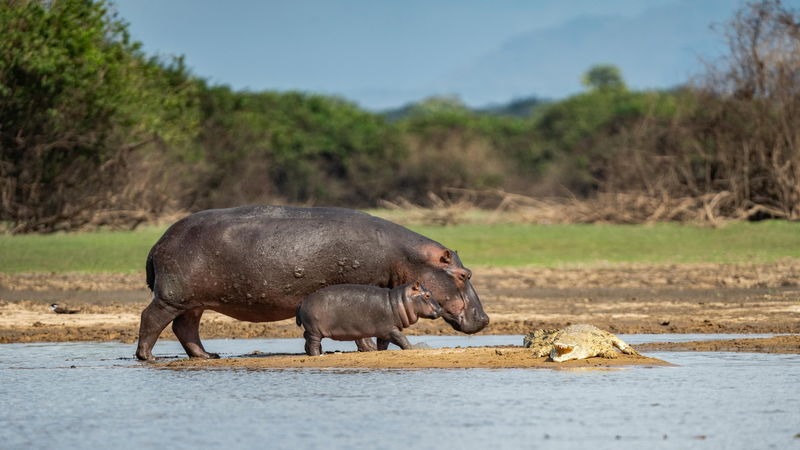
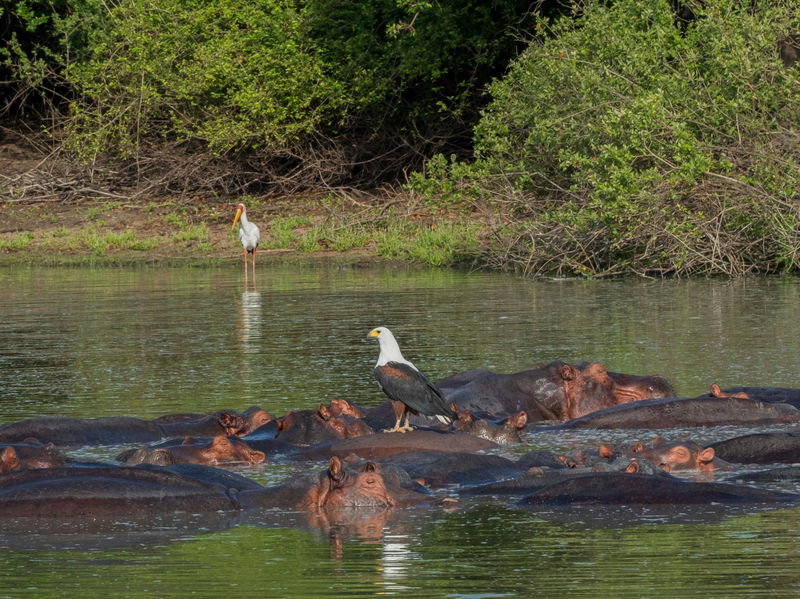
One of the defining features of Nyerere National Park is the Rufiji River, the largest river in Tanzania. The river creates a network of lakes, channels, and wetlands that support some of the most unique safari experiences in the country. A boat safari along the Rufiji River allows visitors to observe wildlife from a different perspective, including hippos, crocodiles, elephants along the riverbanks, and a remarkable variety of bird species.
Nyerere is also one of Tanzania’s most important habitats for African wild dogs, one of Africa’s most endangered predators. These highly social animals depend on large connected landscapes, making the protection of wilderness areas like Nyerere essential for their survival.
The park supports many other iconic African species, including lions, leopards, elephants, giraffes, buffalo, zebras, and numerous antelope species. However, wildlife viewing in Nyerere is not only about finding individual animals. It is about understanding the ecosystem and the natural relationships that have shaped this landscape for thousands of years.
A major attraction of Nyerere is the variety of experiences available. Travellers can explore the park through traditional game drives, guided walking safaris, and boat excursions. Walking safaris provide a deeper understanding of the smaller details of nature, including animal tracks, plants, insects, and ecological connections that are often missed from a vehicle.
Responsible tourism plays an important role in protecting Nyerere’s future. Visitors contribute to conservation by travelling with ethical operators, respecting wildlife regulations, reducing environmental impact, and supporting tourism models that create benefits for local communities.
For travellers seeking a more remote and meaningful safari experience, Nyerere National Park offers an opportunity to experience Tanzania’s wilderness away from crowded routes while gaining a deeper appreciation of Africa’s largest remaining natural landscapes.
Stone Town of Zanzibar: The Living Heart of Swahili Cultural Heritage
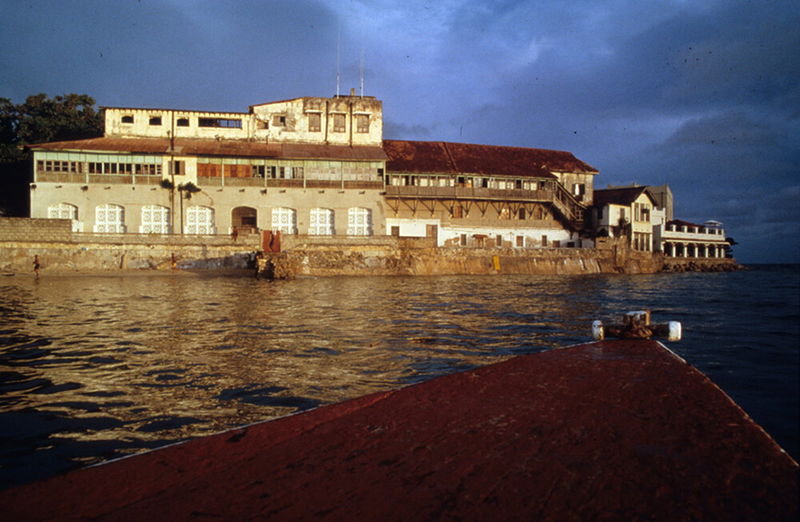
Stone Town of Zanzibar is one of Tanzania’s most important cultural landmarks and a UNESCO World Heritage Site, recognised in 2000 for its outstanding historical, architectural, and cultural significance.
Located on Zanzibar’s main island of Unguja, Stone Town reflects centuries of interaction between African coastal communities and traders from Arabia, Persia, India, and other parts of the Indian Ocean world. The city developed as a centre of commerce, culture, and maritime exchange, becoming one of the most important ports on the East African coast.
Stone Town is recognised by UNESCO for preserving a unique example of Swahili coastal architecture and a living urban environment where historical traditions continue today. Unlike archaeological sites that exist only as remains of the past, Stone Town remains a functioning city where people live, work, worship, trade, and maintain cultural practices.
The narrow streets, coral-stone buildings, historic mosques, traditional houses, and famous carved wooden doors reflect centuries of cultural exchange. The architecture demonstrates how African, Arab, Indian, and European influences combined to create a distinctive Swahili identity.
One of Stone Town’s most recognisable features is its traditional wooden doors. These beautifully crafted entrances represent generations of craftsmanship and often reflect the history, wealth, and cultural influences of the families who built them.
Stone Town also tells the story of Zanzibar’s role in Indian Ocean trade. For centuries, merchants exchanged goods such as spices, ivory, textiles, and other valuable products through networks connecting East Africa with Arabia, Persia, India, and beyond.
The city is also an important centre of Swahili culture. The Kiswahili language, taarab music, traditional cuisine, and coastal customs demonstrate the cultural creativity that developed through centuries of interaction.
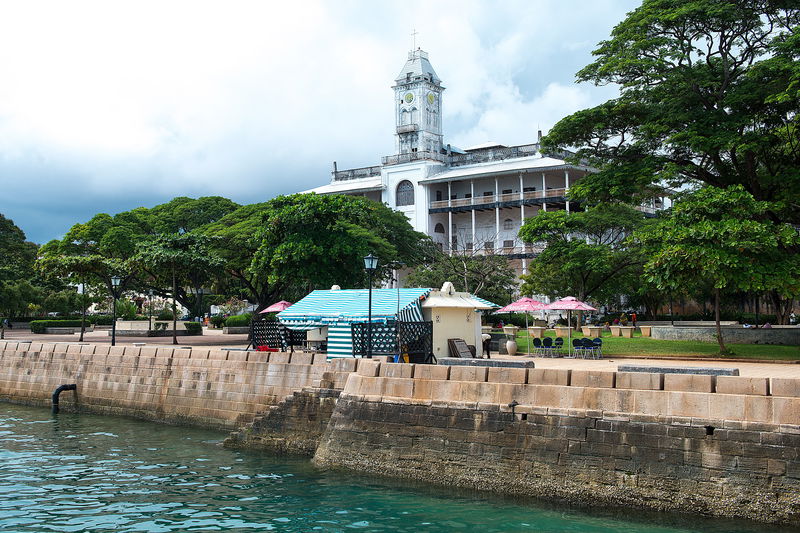
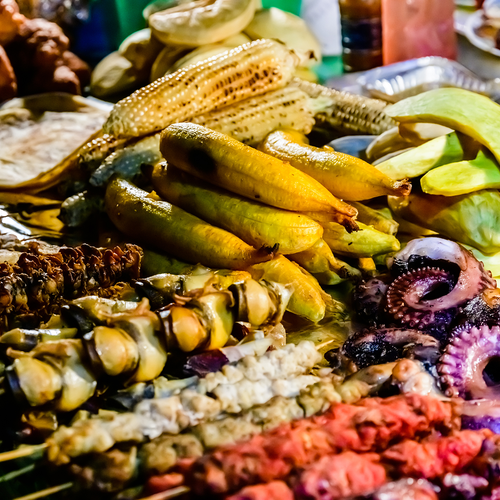
Visitors exploring Stone Town can discover historic landmarks such as the Old Fort, the House of Wonders, the Sultan’s Palace, Darajani Market, and the waterfront area. However, the greatest experience often comes from walking through everyday neighbourhoods, meeting local people, tasting traditional food, and understanding how history continues to shape modern Zanzibar.
Responsible cultural tourism in Stone Town requires respect for local traditions. Visitors should dress appropriately, seek permission before photographing people, support local businesses, and approach cultural experiences with curiosity and respect.
For travellers interested in understanding Tanzania beyond wildlife, Stone Town offers an essential journey into the history, identity, and living heritage of the Swahili coast.
Kondoa Rock-Art Sites: Ancient Human Stories Preserved in Stone
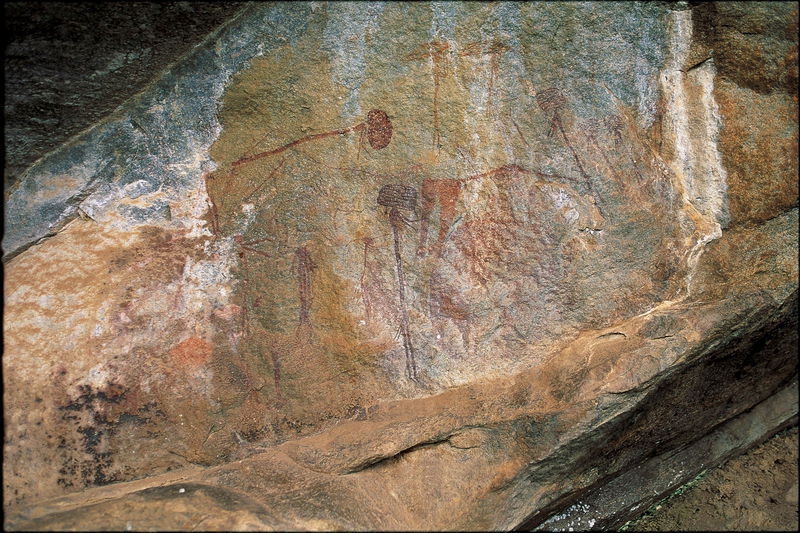
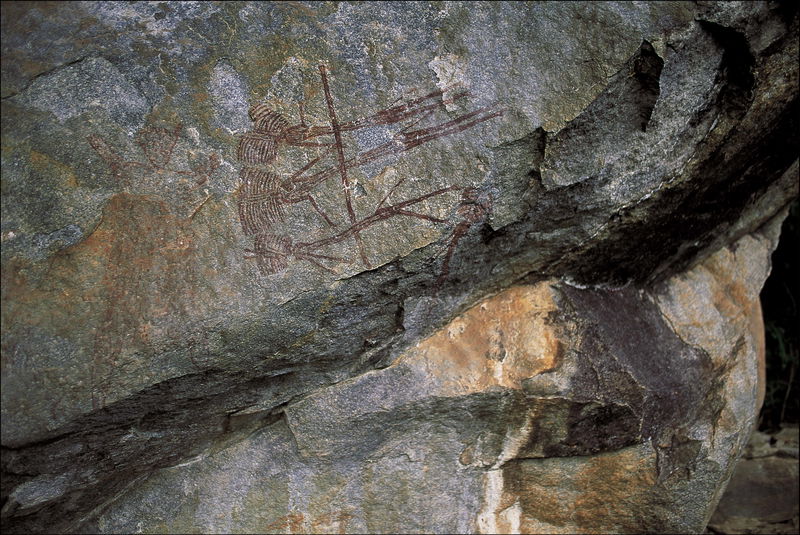
The Kondoa Rock-Art Sites are among Tanzania’s most significant archaeological and cultural treasures. Situated in the Dodoma Region of central Tanzania, UNESCO designated these sites in 2006, recognising their outstanding collection of ancient rock paintings that document thousands of years of human creativity and cultural evolution.
Hidden among rocky hills and natural shelters, the Kondoa paintings provide evidence of how early communities communicated, expressed beliefs, and interacted with their environment.
The rock art includes images of humans, animals, and symbolic designs created by different communities over many generations. These paintings offer valuable insights into changing lifestyles, relationships with wildlife, spiritual traditions, and human adaptation to environmental conditions.
Kondoa is significant because it shows that Tanzania’s heritage extends far beyond famous wildlife landscapes. Long before modern cities and tourism developed, people were already creating art, building knowledge systems, and forming deep relationships with the surrounding landscapes.
Researchers believe the paintings span different periods of human history, including hunter-gatherer societies and later pastoral communities. The exact meanings of many images remain uncertain, which makes the sites even more valuable, as they continue to inspire research and interpretation.
The importance of Kondoa is not only archaeological. Many of these landscapes continue to hold cultural meaning for local communities. Traditional knowledge about sacred places, natural features, and historical connections remains part of local identity.
Visitors to Kondoa experience a different form of travel. Instead of observing wildlife, they enter a conversation with humanity’s ancient past. Walking through the rock shelters with knowledgeable local guides allows travellers to understand the relationship between people, nature, and creativity across thousands of years.
Conservation is essential because rock paintings are vulnerable to weathering, erosion, human contact, and environmental changes. Responsible visitors should avoid touching paintings, damaging rock surfaces, or disturbing sensitive areas.
A journey to Kondoa offers travellers the opportunity to discover one of Africa’s most remarkable records of human imagination and resilience.
Ruins of Kilwa Kisiwani and Songo Mnara: Tanzania’s Forgotten Swahili Trading Cities
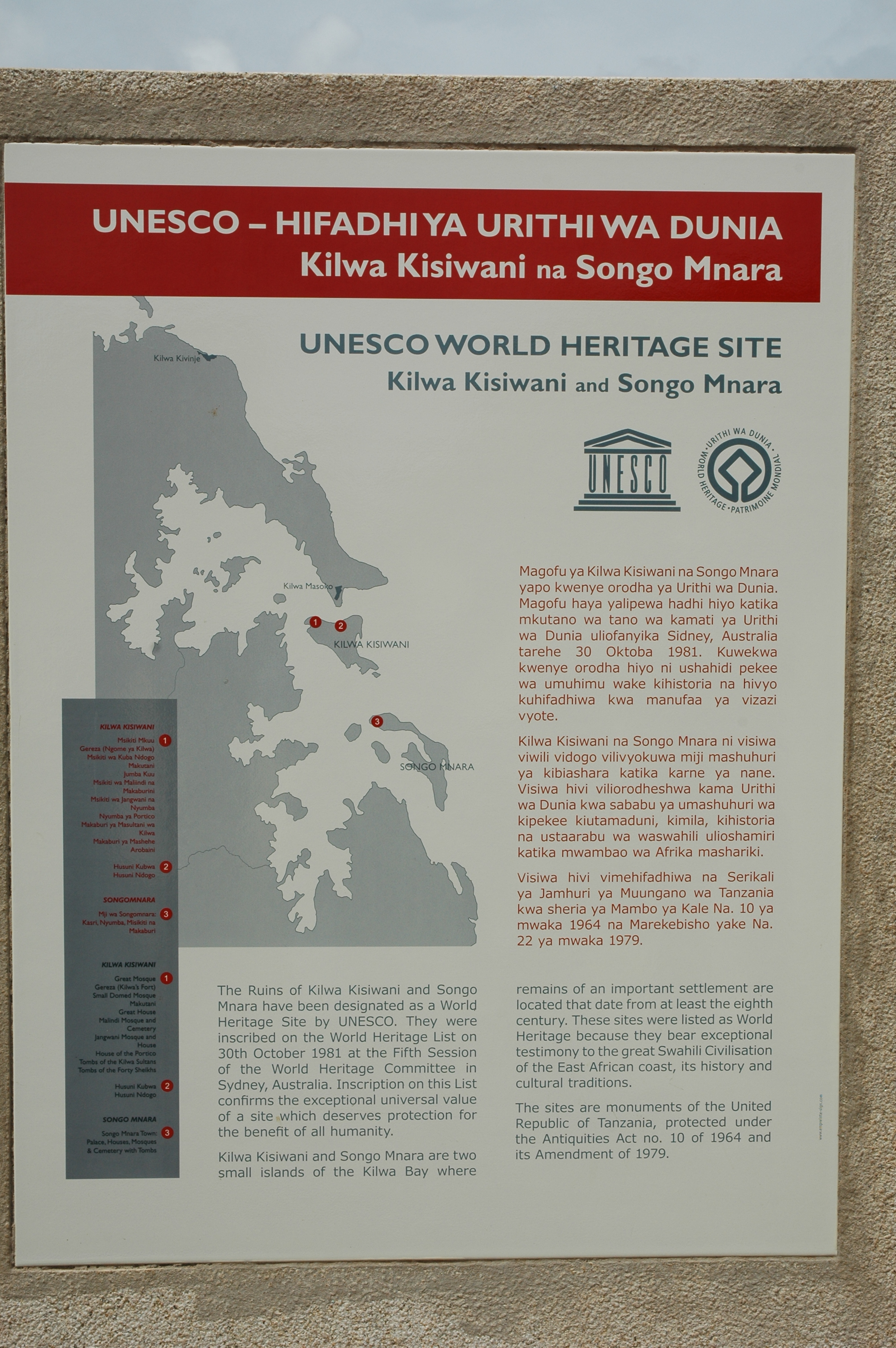
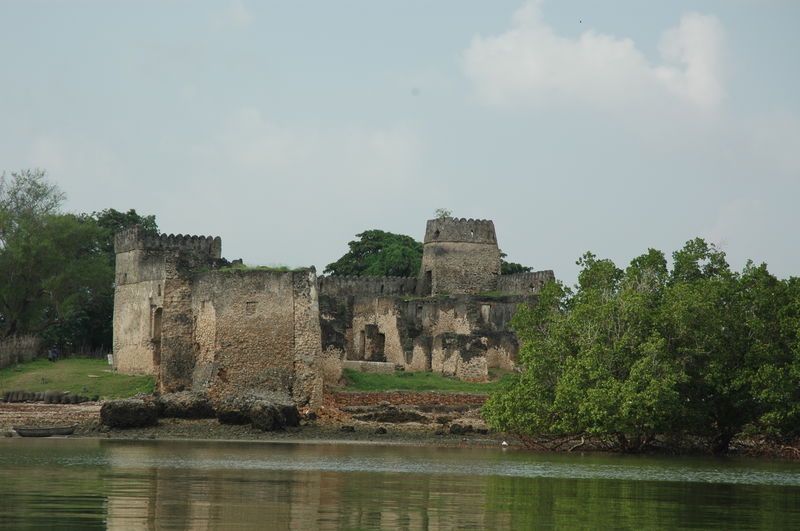
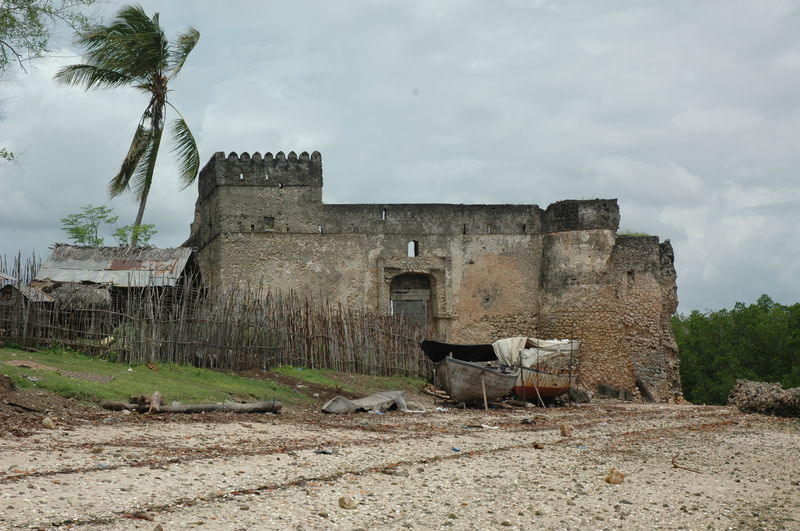
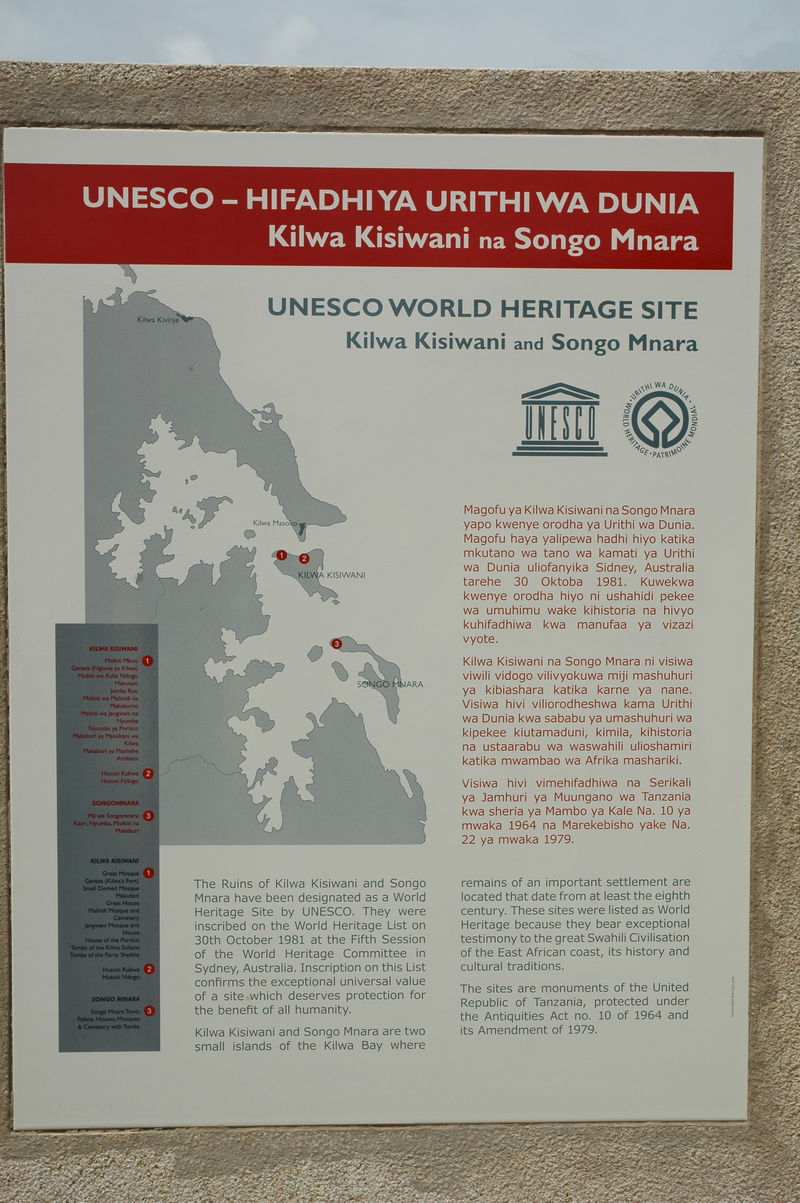
The Ruins of Kilwa Kisiwani and Songo Mnara preserve the remains of two of the most important medieval Swahili coastal settlements in East Africa. Located along Tanzania’s southern coast in Lindi Region, these sites were recognised by UNESCO in 1981 for their exceptional historical importance.
These ruins demonstrate that East African societies were active participants in global trade networks centuries before modern globalisation. The cities connected Africa to merchants from Arabia, Persia, India, and other parts of the Indian Ocean world.
Kilwa Kisiwani became one of the most powerful trading centres on the East African coast between the 11th and 15th centuries. Its wealth came from maritime trade, including gold, ivory, timber, and other valuable commodities from inland Africa.
The remains of Kilwa reveal a sophisticated urban society with mosques, palaces, houses, and trading areas. The Great Mosque of Kilwa is one of the most important examples of early Islamic architecture on the East African coast, while Husuni Kubwa demonstrates the wealth and complexity of the city’s rulers.
Songo Mnara provides further evidence of Swahili urban development. Archaeological remains show organised settlements with houses, mosques, burial areas, and public spaces, indicating advanced planning and social organisation.
These sites are important because they challenge outdated ideas that Africa was disconnected from international history. Kilwa and Songo Mnara demonstrate that African coastal communities created prosperous cities, developed trade relationships, and contributed to global cultural exchange.
Today, visiting Kilwa involves more than exploring ruins. The journey connects travellers with coastal communities, traditional lifestyles, and the continuing story of Swahili heritage.
Conservation remains important because coastal heritage sites face challenges from erosion, climate change, weather conditions, and limited resources. Responsible tourism helps protect these places by supporting local guides, respecting archaeological remains, and raising awareness of their importance.
For travellers seeking cultural depth, Kilwa offers a rare opportunity to explore the foundations of Swahili civilisation and understand Tanzania’s place in world history.
Responsible Travel: Protecting Tanzania’s UNESCO Heritage for Future Generations
Tanzania’s UNESCO World Heritage Sites are valuable because they tell stories that belong to humanity as a whole. Protecting these places requires responsible travel practices that respect nature, culture, and communities.
Responsible tourism means recognising that every journey has an impact. The choices travellers make, from selecting Kijani Tours to engaging with local communities, shape the future of these heritage sites.
When visiting natural UNESCO sites such as the Serengeti, Kilimanjaro, and Nyerere, responsible travellers respect wildlife, follow conservation regulations, reduce waste, and avoid activities that damage ecosystems.
When visiting cultural heritage sites such as Stone Town, Kondoa, and Kilwa, responsible travellers approach communities and traditions with respect, support local businesses, and recognise that heritage belongs to the people who continue to protect it.
Regenerative travel goes beyond reducing negative impacts. It focuses on creating positive contributions through tourism. This can include supporting conservation initiatives, choosing locally owned experiences, purchasing authentic crafts, and travelling in ways that strengthen communities.
For Tanzania’s heritage to survive, conservation cannot depend solely on governments and organisations. Travellers, tourism companies, communities, and conservation partners all have a role to play.
Frequently Asked Questions About Tanzania’s UNESCO World Heritage Sites
1. How many UNESCO World Heritage Sites are in Tanzania?
Tanzania has seven UNESCO World Heritage Sites. They include Serengeti National Park, Ngorongoro Conservation Area, Kilimanjaro National Park, Nyerere National Park (Selous ecosystem), Stone Town of Zanzibar, Kondoa Rock-Art Sites, and the Ruins of Kilwa Kisiwani and Songo Mnara.
2. What is the most famous UNESCO World Heritage Site in Tanzania?
Serengeti National Park is the most internationally renowned for the Great Migration, one of the greatest wildlife events on Earth. However, each UNESCO site represents a different facet of Tanzania’s natural and cultural identity.
3. Which UNESCO sites in Tanzania are natural heritage sites?
The natural heritage sites are Serengeti National Park, Kilimanjaro National Park, and the Selous ecosystem, represented by Nyerere National Park.
4. Which UNESCO sites in Tanzania are cultural heritage sites?
Stone Town of Zanzibar, Kilwa Kisiwani and Songo Mnara, and Kondoa Rock-Art Sites are the best UNESCO destinations for travellers interested in history, archaeology, and cultural heritage.
5. Which UNESCO site in Tanzania combines nature and culture?
Ngorongoro Conservation Area is a mixed UNESCO World Heritage Site that protects both exceptional natural landscapes and important cultural and archaeological heritage.
6. Can travellers visit all seven UNESCO World Heritage Sites in Tanzania?
Yes. A complete UNESCO journey through Tanzania requires careful planning, as the sites are spread across northern, central, and southern Tanzania, as well as Zanzibar.
7. What is the best way to experience Tanzania’s UNESCO sites?
The best approach is a carefully planned journey that combines local expertise, responsible tourism practices, cultural understanding, and sufficient time to appreciate each destination.
8. Which UNESCO site in Tanzania is best for wildlife?
Answer: Serengeti National Park and Ngorongoro Conservation Area are the most famous wildlife UNESCO sites, while Nyerere National Park offers a more remote wilderness experience.
9. Can tourists visit all UNESCO World Heritage Sites in Tanzania?
Yes. Travellers can visit all seven UNESCO sites, but because they are spread across northern Tanzania, central Tanzania, southern Tanzania, and Zanzibar, a longer itinerary is required.
Responsible Travel Framework: Protecting Tanzania’s UNESCO Heritage
How Travellers Can Help Preserve Tanzania’s Heritage
Responsible travel means ensuring that tourism contributes positively to these places. Respect Wildlife
When visiting natural heritage sites:
- Maintain safe distances from animals
- Follow guide instructions
- Avoid disturbing wildlife behaviour
- Never feed animals
Protect Cultural Heritage
When visiting cultural sites:
- Ask before photographing people
- Respect local customs
- Support local guides and artisans
- Avoid damaging historical structures
Reduce Environmental Impact
Responsible travellers can:
- Minimise plastic waste
- Carry reusable bottles
- Avoid littering
- Support environmentally conscious operators
Support Local Communities
Tourism has the greatest impact when benefits reach local people through:
- Employment
- Local suppliers
- Community experiences
- Cultural preservation projects
Tanzania UNESCO Heritage Journey Examples
7-Day Tanzania Natural Heritage Experience
Best for travellers combining limited time with iconic landscapes
Experience:
Kilimanjaro foothills
Ngorongoro Conservation Area
Serengeti National Park
Highlights:
Wildlife viewing
Volcanic landscapes
Local cultural connections
UNESCO natural heritage exploration
14-Day Tanzania Nature and Culture Heritage Journey
Best for travellers wanting a deeper understanding of Tanzania
Experience:
Kilimanjaro region
Serengeti
Ngorongoro
Zanzibar Stone Town
Highlights:
Wildlife ecosystems
Swahili heritage
Local communities
Cultural interpretation
21-Day Complete Tanzania UNESCO Heritage Expedition
For travellers who want to explore all seven UNESCO sites
A complete journey can include:
1. Northern Tanzania:
Kilimanjaro National Park
Serengeti National Park
Ngorongoro Conservation Area
Central Tanzania:
Kondoa Rock-Art Sites
2. Southern Tanzania:
Nyerere National Park
Kilwa Kisiwani and Songo Mnara
Zanzibar: Stone Town
This journey combines:
Nature
Archaeology
Wildlife
Culture
Conservation
Living heritage
Tanzania is not only a destination to see. It is a heritage to understand, respect, and help preserve.
Explore Tanzania's UNESCO World Heritage Sites with Kijani Tours
Ready to experience Tanzania's extraordinary UNESCO World Heritage Sites? Whether you are planning a wildlife safari, a Kilimanjaro trek, a cultural journey, or a tailor-made heritage adventure, Kijani Tours will help you discover these remarkable places through responsible, authentic, and locally guided travel.
Contact Kijani Tours today to start planning your Tanzania UNESCO heritage journey.


Share This Post
Latest News
Tanzania Travel Guide | Safaris, Kilimanjaro, Beaches, Culture and Responsible Travel
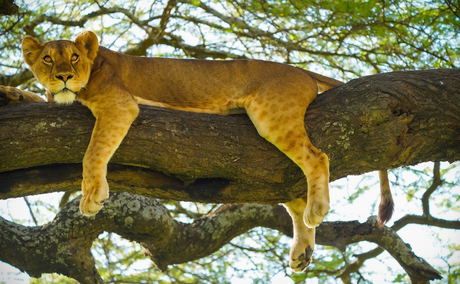
Lions in Tanzania: Understanding Manes, Prides, and Where to Find Them
Tue August 25, 2026
Read This Article
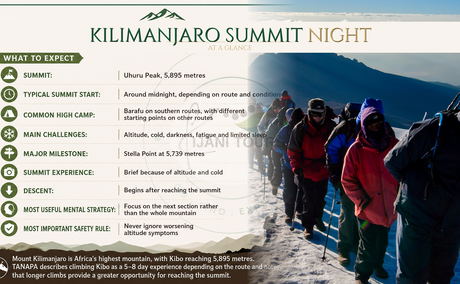
Kilimanjaro Summit Night: How to Prepare Mentally and What to Expect
Sun August 30, 2026
Read This Article
Kilimanjaro Summit Night: The Final Hours Before Uhuru Peak At midnight, the mountain disappears. Your headlamp becomes your horizon. Kilimanjaro summit night is the final and most demanding stage of the journey to Uhuru Peak at 5,895 metres. Starting around midnight, climbers face several hours of darkness, cold, fatigue, limited sleep and reduced oxygen availability. The challenge is physical, but it is also deeply mental. The key to managing summit night is...
Is Tanzania Safe for Kids on Safari?: A Parent's Guide to Family Safari in Tanzania, 2026–2029
Sat August 29, 2026
Read This Article
Planning a Tanzania safari with children? This practical family safari guide helps parents understand when to go, which parks and experiences suit different ages, how to prepare for health and safety, and what to expect from accommodations, game drives, and wildlife encounters. It also explains how Kijani Tours can tailor a private safari to your family's needs, from the Serengeti and Ngorongoro to cultural experiences and Tanzania's coast, from Pangani to Mafia...
Share This Post