

Kilimanjaro Summit Night: The Final Hours Before Uhuru Peak At midnight, the mountain disappears. Your headlamp becomes your horizon. Kilimanjaro summit night is the final and most demanding stage of the journey to Uhuru Peak at 5,895 metres. Starting around midnight, climbers face several hours of darkness, cold, fatigue, limited sleep and reduced oxygen availability. The challenge is physical, but it is also deeply mental. The key to managing summit night is...
WHAT NO ONE TELLS YOUClimbing Kilimanjaro as a Woman: What No One Tells You Before You Go
Posted by Wolfgang on Thu August 27, 2026 in Kilimanjaro for Women.
Climbing Kilimanjaro as a woman is absolutely possible, but there are practical things to prepare for before you arrive. This guide covers the realities many women want to know about, including hygiene at mountain camps, managing your period, physical preparation, altitude sickness, and what to expect on summit night.
You will also learn which questions to ask Kijani Tours' team regarding privacy, female guides, hygiene and waste management, health monitoring, and emergency procedures. With good preparation and the right support, you can approach Kilimanjaro with confidence and focus on the experience rather than worrying about the unexpected. Ready to climb Kilimanjaro? Talk to Kijani Tours for practical advice on choosing your route, preparing for the trek, and what to expect on the mountain.
Planning to climb Kilimanjaro as a woman? A few things to know before you leave home.
Written by Wolfgang Valerian, founder of Kijani Tours in Moshi.
Primary Keyword: climbing Kilimanjaro as a woman
Secondary Keywords: Kilimanjaro women guide, Kilimanjaro menstruation altitude, female Kilimanjaro trekker
Most Kilimanjaro guides cover the essentials, including what to pack, which route to choose, and how to pace yourself. This guide focuses on the practical questions women often have before the trek, from hygiene and periods to altitude, privacy, and what to expect on summit night.
Kilimanjaro Hygiene: What Women Should Expect
There are no normal showers on Kilimanjaro's trekking routes, and washing facilities are basic. Your trekking crew can provide warm water for basic washing at camp, but you should arrive prepared for several days without a conventional shower.
This is not a problem if you plan for it. It becomes one if you arrive expecting something closer to a mid-range hotel. What Kijani provides at every camp: hot water for washing at the end of each trekking day, soap, and access to a clean toilet. What you need to bring yourself: everything else.
Your daily hygiene kit should include:
· Biodegradable wet wipes the most important item on this list
· Unscented hand sanitizer (carry a small bottle on your body, not in your pack)
· Quick-dry microfiber towel, kept separate from your main kit
· Breathable underwear, at least one pair per day, plus two spares
· A small, sealed bag for used items
Keeping hands clean before meals and after using the restroom is the single most effective health habit on the mountain. Everything else is comfort.
Managing Your Period on Kilimanjaro: The Specific Answers
Will altitude affect my cycle?
Altitude, physical exertion, trek-related stress, and changes in routine can affect your menstrual cycle. Your period may arrive earlier or later than expected, or your symptoms may feel different than usual. This is one reason it is worth preparing for the possibility of menstruating during your trek.
What products work best on the mountain?
Use the menstrual product you already know works for you. If you use a menstrual cup, practice with it before your trek. If you use pads or tampons, bring enough for the entire climb plus extras. Do not make Kilimanjaro the place to test a new product for the first time. Recommended, but test it at home before the trek, not for the first time at 4,000 meters.
Tampons: Reliable and familiar. The limitation is waste disposal. Used tampons must be carried in a sealed, biodegradable bag and disposed of at the designated waste points in camp. Do not bury them; the mountain's ecosystem does not break them down.
Sanitary pads: Work in camp and on shorter trekking days. Less practical during a six-hour summit push. Carry more than you think you need.
Period underwear: Useful as an overnight backup, not as a primary solution above base camp.
Should I take medication to delay my period?
Some women do. This is a personal medical decision, and your doctor should make it with you, not your operator or a trekking forum. If you are considering hormonal delay medication, start the conversation at least four to six weeks before departure. Never try a new medication for the first time in the field.
What do I do with used products?
Carry a small sealed pouch (a zip-lock bag works) and bring waste to camp. Kijani's crew handles camp waste disposal. Nothing goes into the long-drop latrines except toilet paper.
Physical Training: What Women Often Do Differently (and What Actually Works)
There is no meaningful difference in summit success rates between male and female climbers on any Kilimanjaro route. The mountain does not care about gender. It cares about acclimatization, pacing, and hydration.
The research suggests that women sometimes underestimate their training needs, particularly for descent. The downhill sections, especially the long scree run from Barafu on the Machame and Lemosho routes, are harder on knees and ankles than the ascent. Training should include:
· Weighted day hikes of four to six hours on varied terrain, starting at least eight weeks before the trek begins
· Long walks, hills, stairs, leg strength, and gradual increases in distance are more useful preparations than simply carrying as much weight as possible.
· Train with the weight you realistically expect to carry on your trek. Your trekking operator should tell you what you will carry personally and what the porter team will handle.
· Cardiovascular base: at least three sessions per week of sustained effort, not interval training
Altitude Sickness:
Altitude Sickness on Kilimanjaro: What Every Woman Should Know
Altitude sickness is not a sign of poor fitness or weakness. If you develop symptoms, tell your guide early. Do not hide how you are feeling because you are determined to reach the summit.
Acute Mountain Sickness symptoms such as headache, nausea, disturbed sleep, loss of appetite, and dizziness are not signs of weakness. They are the body's physiological response to reduced oxygen. Hiding them from your guide is the one thing that can turn a manageable situation into an emergency.
Kijani guides monitor trekkers for altitude-related symptoms and what they will do if your condition deteriorates.
Acetazolamide (Diamox) is sometimes prescribed to help prevent or reduce altitude sickness, but it is not suitable for everyone. Speak with your doctor well before your trek to determine whether it is appropriate for you.
Choosing Kijani Tours: Questions Women Should Ask Before Booking
Not all Kilimanjaro operators prepare women adequately for what to expect. Before confirming a booking, ask directly:
· Do you provide a private portable toilet? (Relevant for modesty and safety at night)
· Is there a female guide or assistant guide available on this trek?
· How do you handle waste disposal, including personal hygiene products?
· What is your protocol if I need to descend for health reasons?
· What health monitoring happens at each camp?
An operator who cannot clearly answer these questions has not thought through the experience from a woman's perspective. Kijani Tours addresses all of these in the pre-trek briefing, not as an afterthought.
What Summit Night Is Like for Women
Summit night begins around midnight. The temperature at Barafu Camp, the standard departure point for Machame and Lemosho, can drop to 10 degrees C or lower. The final push to Uhuru Peak takes six to eight hours, followed by a three- to four-hour descent.
Women Working on Kilimanjaro
Your Kilimanjaro experience also depends on the people supporting you on the mountain. Female guides and other women in the trekking industry are increasingly visible, but opportunities and working conditions vary among operators.
When choosing your trekking company, look beyond whether a female guide is available. Ask how the company treats its entire mountain crew, including pay, equipment, working conditions, and porter welfare.
Safety and Privacy on Kilimanjaro
For many women, safety includes more than altitude and physical preparation. It also means feeling comfortable with the people around you and knowing what support is available throughout the trek.
Before booking, ask about your guide team, sleeping arrangements, restroom facilities, emergency procedures, and how the operator handles personal concerns during the trek. If you are traveling solo, discuss your preferences with the operator before arrival.
What this means practically:
- Layer fully before leaving camp. Once you are moving, stopping to adjust clothing at altitude is difficult and cold
- Use the toilet before departure, regardless of whether you feel the urge
- Carry your personal hygiene items in your summit layer, not deep in your pack
- If you are menstruating, change your product before midnight.
Summit night is probably the part of Kilimanjaro you will think about most before your trek. You leave camp around midnight, walk through darkness and cold, and gradually climb toward Uhuru Peak. Knowing what the night will feel like makes it easier to prepare.
Frequently Asked Questions
Is there a female guide available on Kilimanjaro treks with Kijani?
The number of trained female guides on Kilimanjaro is increasing. Contact Kijani directly when booking to discuss guide availability for your chosen route and dates.
Can I climb Kilimanjaro alone as a woman?
Yes. You can travel to Tanzania as a solo woman and join or arrange a guided Kilimanjaro trek. Kilimanjaro climbs require an organized trekking team, so "solo" does not mean climbing without guides and crew. If you prefer a private trek, discuss your expectations for privacy, guide arrangements, and accommodations before booking.
Can I climb Kilimanjaro while pregnant?
If you are pregnant, speak with your doctor before considering a Kilimanjaro trek. The combination of high altitude, strenuous trekking, and limited access to medical care makes pregnancy a particularly important medical consideration.
How many women have successfully summited Kilimanjaro?
Female summit success rates on Kilimanjaro are comparable to those of males on the same routes. The variables that most affect summit success, including route choice, acclimatization days, operator quality, and physical preparation, apply equally to all climbers.
What is the minimum number of days for a safe Kilimanjaro climb?
Kijani recommends a minimum of seven days on any route. The Northern Circuit, at eleven days, offers the highest documented summit success rate of any route.
Do I need to be an experienced trekker?
No technical climbing experience is required. What is required is a solid base of cardiovascular fitness and the willingness to train consistently for two to three months before the trek.
Is there a Kilimanjaro route that is best for women?
There is no route that is automatically best for women. Route choice should be based on your fitness, trekking experience, available time, scenery preferences and, importantly, the opportunity for acclimatisation. A longer itinerary can provide more time to adjust to altitude.
Final Thoughts
Kilimanjaro does not require you to prove how tough you are. It asks you to prepare well, walk patiently, and listen to your body. When you know what to expect, from mountain hygiene and periods to altitude and summit night, you can spend less time worrying about the practical details and more time experiencing the mountain. If you are planning your Kilimanjaro trek, speak with Kijani Tours about your route, preparation, and what to expect before you arrive in Tanzania.
Kijani Tours | Go Find Explore
Ready to climb Kilimanjaro?
Talk to Kijani Tours for practical advice on choosing your route, preparing for the trek, and knowing what to expect on the mountain.
Share This Post
Latest News
Tanzania Travel Guide | Safaris, Kilimanjaro, Beaches, Culture and Responsible Travel
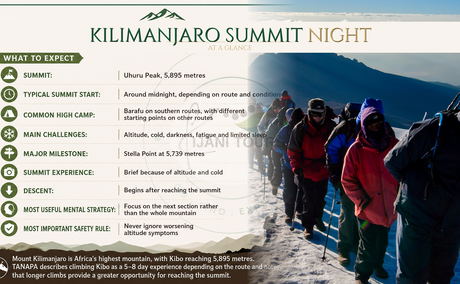
Kilimanjaro Summit Night: How to Prepare Mentally and What to Expect
Sun August 30, 2026
Read This Article
Is Tanzania Safe for Kids on Safari?: A Parent's Guide to Family Safari in Tanzania, 2026–2029
Sat August 29, 2026
Read This Article
Planning a Tanzania safari with children? This practical family safari guide helps parents understand when to go, which parks and experiences suit different ages, how to prepare for health and safety, and what to expect from accommodations, game drives, and wildlife encounters. It also explains how Kijani Tours can tailor a private safari to your family's needs, from the Serengeti and Ngorongoro to cultural experiences and Tanzania's coast, from Pangani to Mafia...
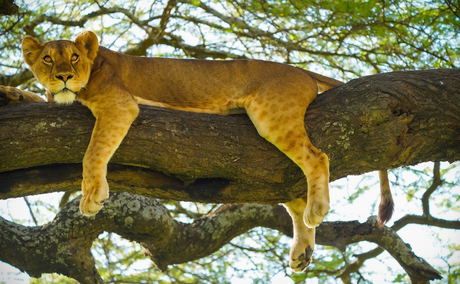
Lions in Tanzania: Understanding Manes, Prides, and Where to Find Them
Tue August 25, 2026
Read This Article
Africa has 20,000 lions left. Tanzania has half of them. The question is not whether you will see one. It is whether you will understand what you are looking at when you do. Tanzania is not one safari. It is a set of completely different landscapes, each producing a different kind of lion. In the Serengeti, prides live off the Migration and rest on granite kopjes that have been used for generations....
Share This Post