

Kilimanjaro Summit Night: The Final Hours Before Uhuru Peak At midnight, the mountain disappears. Your headlamp becomes your horizon. Kilimanjaro summit night is the final and most demanding stage of the journey to Uhuru Peak at 5,895 metres. Starting around midnight, climbers face several hours of darkness, cold, fatigue, limited sleep and reduced oxygen availability. The challenge is physical, but it is also deeply mental. The key to managing summit night is...
Travel Slowly, Connect Deeply: Discover People, Places, and Purpose
Posted by Wolfgang on Sun August 17, 2025 in Slow Eco-Safari Experiences in Tanzania.
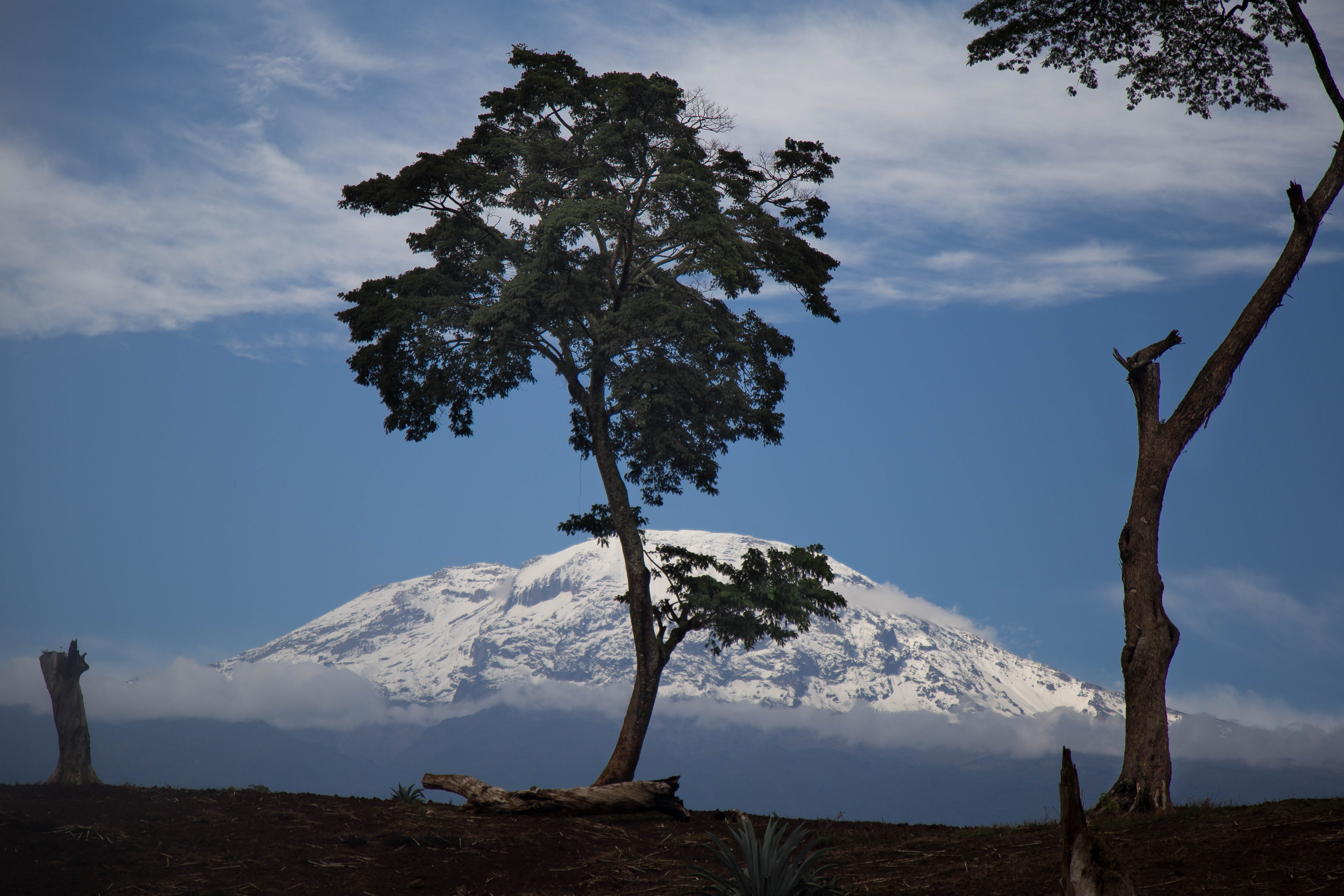
Slow travel simply means giving yourself time to be somewhere, rather than rushing through. It is wandering a market with no agenda, drinking your coffee outside as the day starts, sitting down to a home-cooked meal instead of a menu, or spending an afternoon planting trees alongside people who live there. The trip stops being about how many places you saw and starts being about how much of each place you actually experienced.
It is good for more than just you, too. Staying longer in fewer places means less moving between stops. It also means the money you spend stays with the people and businesses actually running the place. At Kijani Tours, we build our trips in small groups, often outside peak season, and often in places other operators skip. That is not a marketing angle. It is how we avoid adding to the crowding at the same three viewpoints everyone else photographs, and it's how the villages and farms you visit stay places people actually live, not stops on a tour circuit.
The Art of Slow Travel: Connecting Deeper with People, Places and Purpose
Most trips move too fast to notice anything. Slow travel is the opposite. Fewer stops, more time at each one, so a place has room to become familiar rather than just being photographed.
That is what slow travel means to us at Kijani Tours. It is not a theme we put on a brochure. It is staying long enough for the same vendor to remember your order the second morning, for a guide to stop explaining things like a tour and start talking like a friend, and for a landscape you only saw once from a car window to become one you actually walked through.
The Roots: From Slow Food to Slow Travel
Slow travel comes down to one simple trade. You give a place your time, and it gives you something back that a rushed itinerary never could. Skip the sprint from one stop to the next, and a market stall owner starts to recognise your face. A guide stops reciting facts and starts talking like someone who actually wants you to understand the place. A landscape you would have only glimpsed through a car window becomes ground you have actually walked on. That is not an accident. It is the shape every Kijani trip is deliberately built around. The Slow Food movement was born out of that protest, a love letter to local ingredients, traditional production, and the joy of eating with purpose.
Instead of rushing from one destination to the next, you give yourself time to settle in, notice the details, meet people, taste local food, and experience everyday life at a more natural pace.
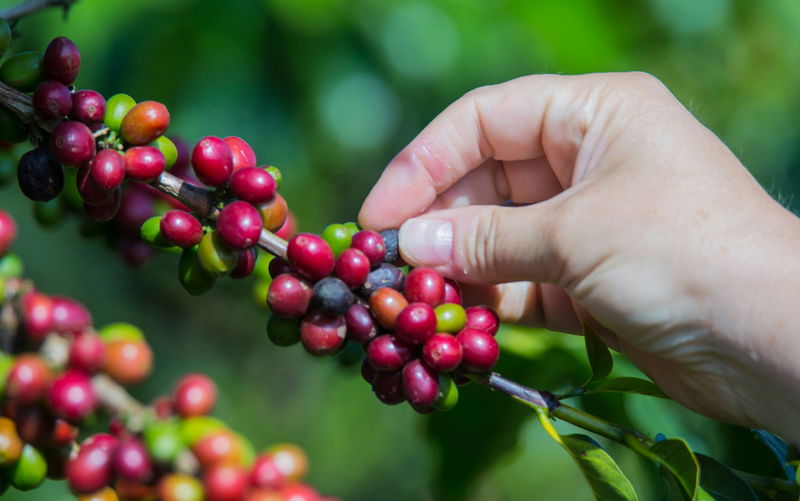
It means choosing fewer places and staying long enough for them to become more than a stop on your itinerary. You might spend an extra night in a small town, walk through a local market with your guide, share a meal with a family, learn how coffee is grown on the slopes of Kilimanjaro, or simply have an afternoon with nothing planned.
That slower pace also gives more back to the places you visit. Staying longer can mean more nights in locally owned accommodation, more meals from local businesses, and more opportunities for local guides and communities to benefit from your journey. For us, slow travel is not about doing less. It is about mindful living.
You return home with fewer checkmarks on a list, perhaps, but with a better understanding of the places, people and landscapes you actually experienced.
The Heart of Slow: A Philosophy of Presence
Slow travel simply means giving a place enough time to reach you, rather than rushing past it on the way to the next stop.
It is about finding your own pace. That might mean staying at the table for a second helping of a home-cooked meal, sipping your coffee slowly while someone tells you a story, walking through a village without checking your watch, or spending an afternoon learning how a family farms the land they live on.
With Kijani Tours, that can look as simple as helping plant a tree with people from a nearby community, sitting down to a meal cooked the way it has always been there, or simply taking the time to get to know the people and places in front of you. None of this is on a checklist. It is the trip itself. You might see fewer places in a day, but you walk away with more from each one. A conversation you still think about. A dish that tastes nothing like the version back home. A moment that stays with you long after the trip ends.
Because sometimes the best way to see Tanzania is not to rush through it, but to be there for a while. With slow travel, you will discover hidden gems that guidebooks overlook,
You end up talking to people who change how you think, not just people who pose for a photo with you. You watch a place open up slowly instead of catching it in a five-minute stop. Stay long enough, and a destination stops feeling like somewhere you visited and starts feeling like somewhere you actually know, the kind of place you find yourself wanting to come back to. Sometimes that shift happens over something small. A cup of coffee made a particular way. A word you learn in Swahili that makes someone's face light up when you use it. Slow travel is built on the idea that those small moments are usually the ones you remember longest, not the ones on the itinerary.
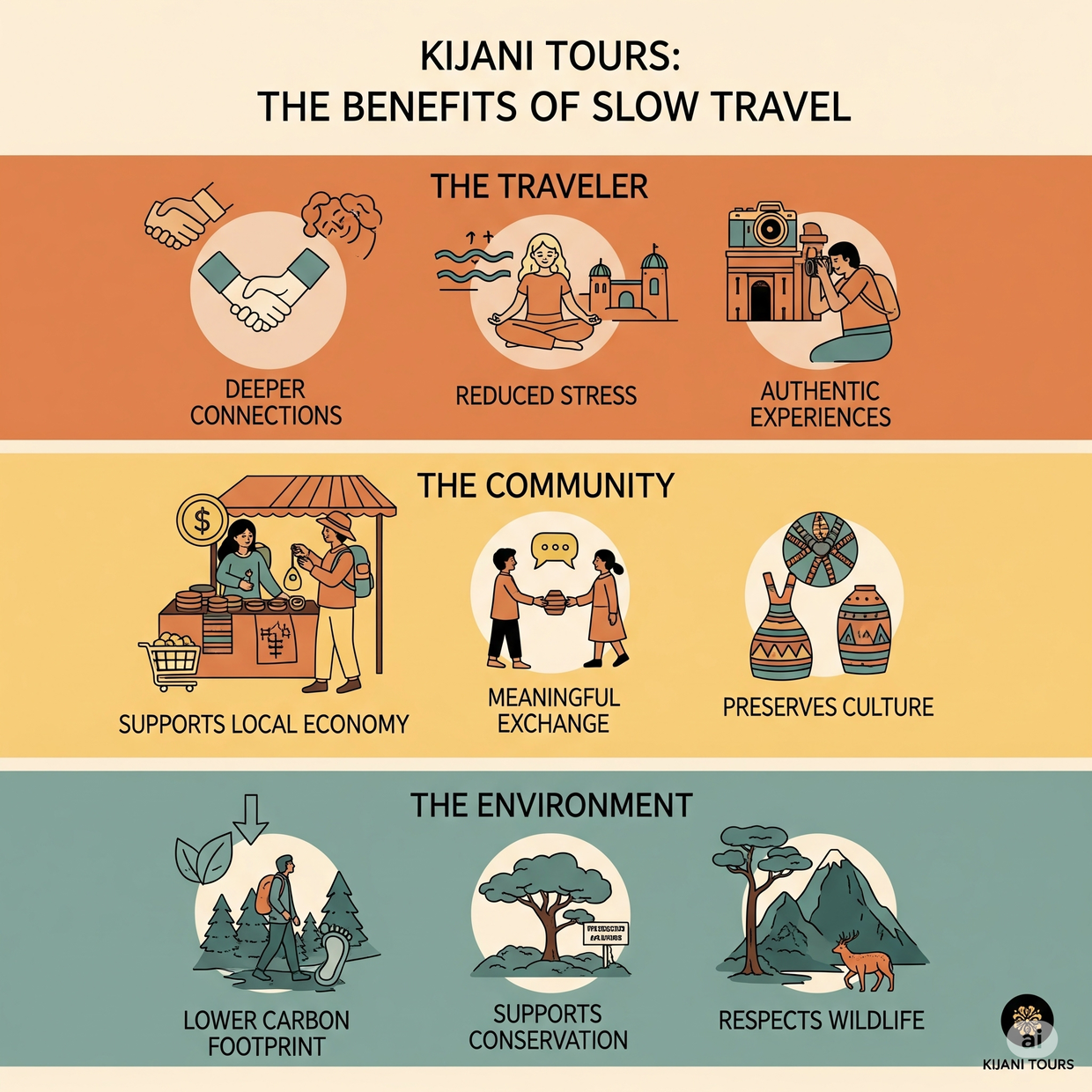
The Benefits of Slow Travel
The Counterpoint: Overtourism's Urgent Call
Some places become too popular for their own good. When a huge number of visitors arrive at once, everyone feels it. Roads clog, wildlife areas are under greater strain, local services are stretched thin, and daily life becomes harder for the people who actually live there.
There is a quieter cost, too. When tourism piles into the same few spots, local traditions can turn into a show performed on schedule, and neighbourhoods people call home start to feel more like a stop on a tour route than an actual place.
For us at Kijani Tours, travelling responsibly means asking a different question. Not how do we fit as much as possible into your trip, but how does your trip fit into the place you are visiting?
That is why we plan around the routes other operators skip. Smaller groups. Places that get fewer visitors. Travel during the off-peak months when it makes sense. You get a calmer trip, and more of what you spend and pay attention to reaches communities that are usually overlooked.
In practice, that might mean a different road into the park, an extra night in a village instead of one, a window when the crowds thin out, or an afternoon that puts money directly towards a family or a nearby conservation project.
What you end up with is not just a quieter holiday. It is a trip where you meet Tanzania on its own terms, and leave enough room for the people, the wildlife, and the land that make it worth coming to in the first place.
Kijani's Strategic Path: Crafting Authentic Journeys
Kijani Tours is based on the precepts of responsible and thoughtful travel—beyond minimizing footprint to actually restoring and enriching destinations. This is why our experiences are designed to form meaningful connections and leave a positive lasting impression. We prioritize community well-being, sustainable visitor management, and a commitment to responsible and respectful practices.
Whether a customized wildlife safari designed for quiet immersion, a food tour or cultural immersion that actively involves you with the local cuisine, or a cultural workshop taught by a community member, Kijani ensures each experience respects and enriches the individuals and places visited. We are forcefully reminded by Sir David Attenborough: "In our hands now lies not only our own future, but that of all other living creatures with whom we share the Earth." Kijani Tours takes this responsibility seriously, and invites you to travel with purpose.
Reimagine Your Path with Kijani
Join the beat of slow travel with Kijani Tours. Let us together discover the art of meaningful connections and craft journeys that touch the soul. Whether walking through verdant landscapes or interacting with hands-on cultural experiences, the way ahead is one of genuineness. Ready to revolutionize your travels and be a conscious explorer? Let's embark on the journey.
Join Kijani Tours: Travel deep, give back, make an impact
Join Kijani Tours and experience travel that goes beyond sightseeing. Dive deep into Tanzania’s rich culture, connect with local communities, and create meaningful memories. With every journey, give back to the people and places you visit, support sustainable initiatives, and make a lasting impact. Travel with purpose — explore, contribute, and transform your adventure into something truly extraordinary.
Share This Post
Latest News
Tanzania Travel Guide | Safaris, Kilimanjaro, Beaches, Culture and Responsible Travel
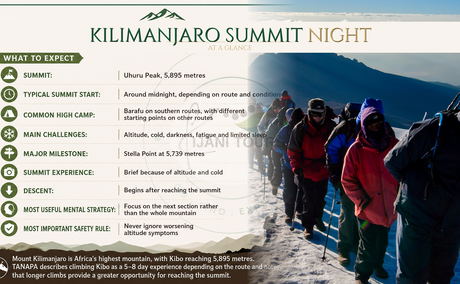
Kilimanjaro Summit Night: How to Prepare Mentally and What to Expect
Sun August 30, 2026
Read This Article
Is Tanzania Safe for Kids on Safari?: A Parent's Guide to Family Safari in Tanzania, 2026–2029
Sat August 29, 2026
Read This Article
Planning a Tanzania safari with children? This practical family safari guide helps parents understand when to go, which parks and experiences suit different ages, how to prepare for health and safety, and what to expect from accommodations, game drives, and wildlife encounters. It also explains how Kijani Tours can tailor a private safari to your family's needs, from the Serengeti and Ngorongoro to cultural experiences and Tanzania's coast, from Pangani to Mafia...
Climbing Kilimanjaro as a Woman: What No One Tells You Before You Go
Thu August 27, 2026
Read This Article
Climbing Kilimanjaro as a woman is absolutely possible, but there are practical things to prepare for before you arrive. This guide covers the realities many women want to know about, including hygiene at mountain camps, managing your period, physical preparation, altitude sickness, and what to expect on summit night. You will also learn which questions to ask Kijani Tours' team regarding privacy, female guides, hygiene and waste management, health monitoring, and emergency...
Share This Post