

Introduction: The Real Story of Hyenas in the African Wilderness In the vast, sun-drenched plains of the Serengeti ecosystem in northern Tanzania, life unfolds with a raw intensity that few landscapes on Earth can match. Here, every movement has meaning, every sound carries information, and survival is a continuous negotiation between predator and prey. Among the most misunderstood inhabitants of this world are hyenas. For decades, they have been labeled as scavengers,...
Serengeti Safari Guide: Great Migration Routes, Timing, and Sustainability
Posted on Fri June 5, 2026 in Serengeti Safari Guide and Wildlife Migration Experiences.
The Serengeti is not just a destination. It is a living, breathing wilderness system where nature operates on a scale that feels almost unreal until you witness it firsthand. Vast golden grasslands stretch beyond the horizon, broken only by acacia trees, distant kopjes, and the movement of wildlife herds that shape the rhythm of life across the plains.
This guide is designed to help you understand the Serengeti in depth before you travel. It explains the ecosystem, wildlife patterns, seasonal changes, cultural connections, and practical travel insights that shape a meaningful safari experience. It also highlights how responsible travel contributes directly to conservation and local community well-being.
With Kijani Tours, a Serengeti safari is not just about viewing wildlife. It is about participating in a carefully managed ecosystem where tourism supports protection, education, and long-term sustainability of one of the world’s most important natural landscapes.
Serengeti National Park in northern Tanzania is one of the most globally significant protected ecosystems and a UNESCO World Heritage Site. It forms part of a larger transboundary ecosystem that extends into Kenya’s Maasai Mara, creating one of the most intact and dynamic wildlife corridors on Earth.
The name Serengeti originates from a Maasai word meaning “endless plains,” a fitting description for the vast open landscapes that define the region. These plains support one of the highest concentrations of large mammals in the world and serve as the stage for complex predator-prey interactions that have remained largely unchanged for thousands of years.
The Serengeti is also a critical conservation area where ecological processes such as migration, grazing cycles, and predator regulation occur naturally. It is one of the few places where visitors can observe a functioning large-scale ecosystem with minimal human alteration.
KEY HIGHLIGHTS
The Serengeti ecosystem is defined by biodiversity, scale, and movement.
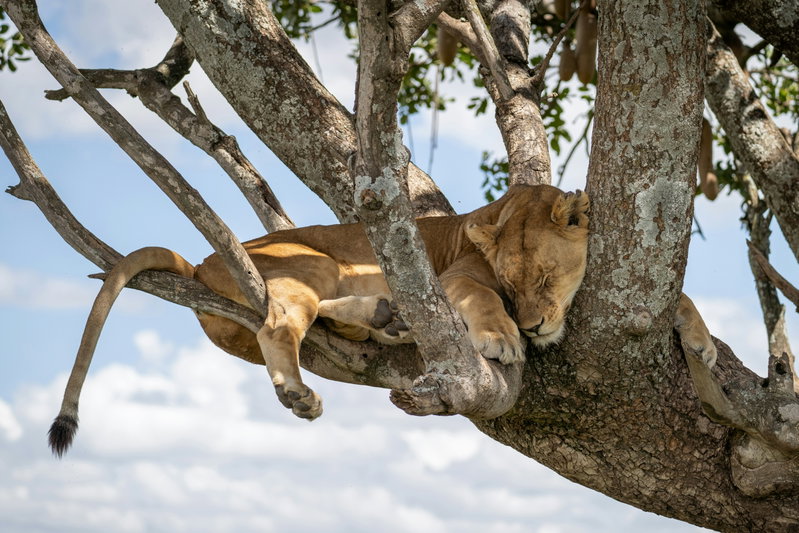
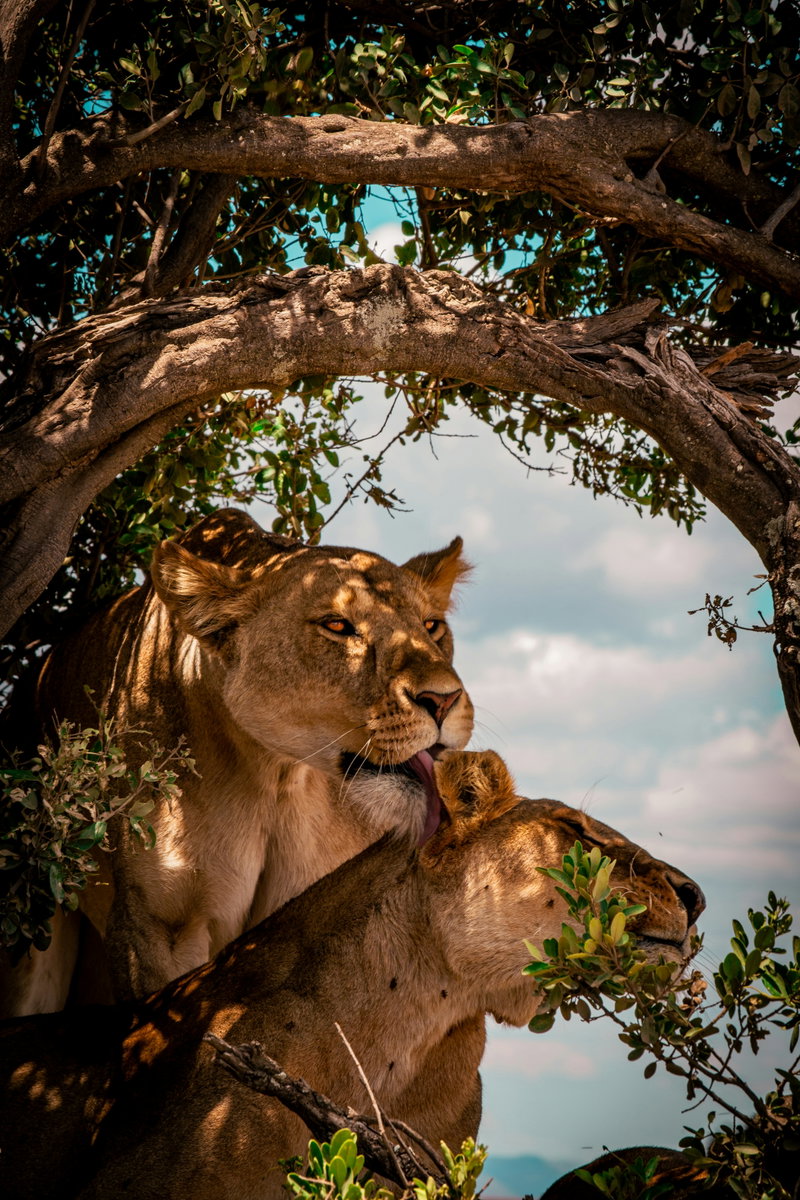
The Serengeti is home to the Big Five—lion, leopard, elephant, buffalo, and rhinoceros—alongside one of the most remarkable natural events on Earth: a seasonal migration of more than 1.5 million wildebeest, accompanied by zebras and gazelles. The ecosystem also supports a high density of predators, including cheetahs, hyenas, lions, and crocodiles, all playing a critical role in the food chain. Across its wetlands, savannahs, and woodlands, more than 500 bird species have been recorded, adding further depth to its biodiversity. Its iconic landscapes range from vast open plains to winding river systems and rugged rocky outcrops, making it one of the most visually striking safari environments in Africa. Together, these elements form a layered ecosystem where every species contributes to maintaining ecological balance and sustaining the natural rhythm of the Serengeti.
THE GREAT MIGRATION EXPERIENCE
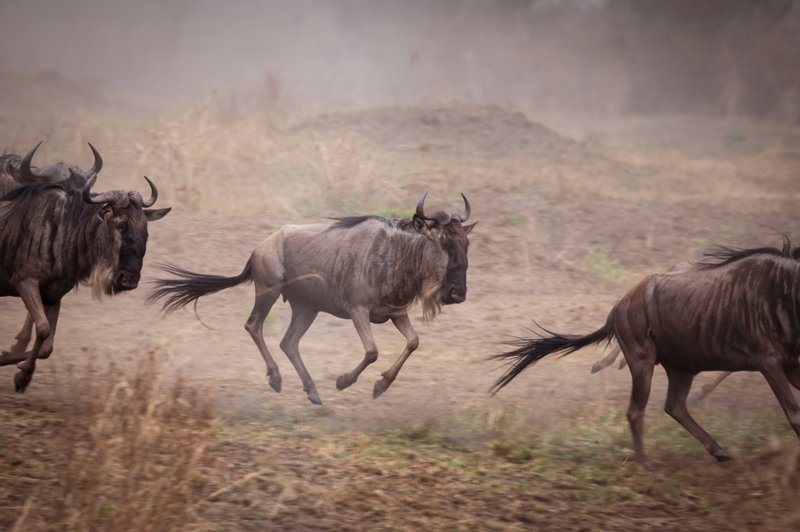
The Great Wildebeest Migration is the largest terrestrial animal movement on Earth and one of the most important ecological events in Africa. Over 1.5 million wildebeest, accompanied by hundreds of thousands of zebras and gazelles, move in a continuous cycle driven by rainfall and grazing availability. This movement is not linear but circular, shaped by ecological necessity rather than fixed routes.
Key migration experiences include:
1. River crossings where herds face strong currents and predator presence, including crocodiles
2. Predator-prey interactions involving lions, cheetahs, and hyenas
3. Massive moving herds that reshape the visual landscape of the plains
4. Calving season, when thousands of newborn wildebeest are born within a short time window, increasing predator activity and survival pressure
Migration timing varies each year, meaning no two safari experiences are identical. This unpredictability is what makes the Serengeti a dynamic rather than static destination.
BEST TIME TO VISIT SERENGETI
The Serengeti is a year-round safari destination, but each season offers distinct ecological and visual conditions.
December to March
Calving season in southern plains
High predator concentration due to vulnerable young animals
Clear visibility and active wildlife behavior
April to May
Green season with high rainfall
Fewer visitors and quieter safari conditions
Landscapes are lush and visually dramatic
June to July
Migration movement toward western and central corridors
Increased herd mobility and tracking opportunities
August to October
Northern Serengeti river crossing period
High-intensity wildlife interactions near water systems
November
Short rains begin
Herds begin returning south, continuing the migration cycle
SAFARI EXPERIENCE AND GAME DRIVES
A Serengeti safari is structured around wildlife behavior patterns. Game drives typically occur early in the morning and late in the afternoon when temperatures are cooler and animal activity is highest.
During these drives, travelers may experience:
Close observation of elephants, giraffes, lions, buffalo, and antelope species
Open savannah photography during sunrise and sunset light conditions
Guided interpretation from experienced naturalist guides
Optional stays in eco-lodges or mobile tented camps designed for low environmental impact
Kijani Tours prioritizes responsible safari operations that minimize disturbance to wildlife, reduce environmental footprint, and support conservation-focused accommodation partners.
COMMUNITY AND CULTURAL ENCOUNTERS
Tanzania is home to many diverse local communities and indigenous tribes, each with distinct traditions, languages, and knowledge systems shaped by long-standing relationships with the land and environment. Visitors in Tanzania can engage with these communities to gain deeper insight into cultural heritage, traditional livelihoods, and sustainable living practices that continue alongside modern conservation efforts.
Experiences may include:
1. Guided visits to local villages and homesteads
2. Cultural storytelling, music, and traditional dance performances
3. Livestock-based pastoral lifestyles and seasonal land management practices
4. Handmade crafts, beadwork, and locally produced artisan goods
5. Visit the ancient hunter‑gatherer community.
These encounters are structured around respectful cultural exchange. Tourism income contributes directly to local livelihoods, supports education initiatives, and strengthens community-based conservation models.
SUSTAINABILITY AND CONSERVATION IMPACT
The Serengeti ecosystem depends on long-term protection and coordinated conservation management. Without careful stewardship, migration routes, predator populations, and grazing systems would be disrupted.
Kijani Tours integrates sustainability into every safari through:
1. Low-impact safari driving practices to reduce habitat disturbance
2. Partnerships with eco-certified lodges and camps
3. Support for wildlife conservation programs and protected area management
4. Fair distribution of tourism benefits to surrounding communities
5. Ethical wildlife viewing standards that prioritize animal welfare
Every safari contributes economically to conservation funding and supports the continued protection of one of the world’s most important biodiversity hotspots.
SERENGETI TRAVEL TIPS
1. Wear neutral-colored clothing to avoid disturbing wildlife
2. Carry binoculars for long-distance wildlife observation
3. Use sunscreen, hat, and sunglasses for sun protection
4. Bring a zoom-capable camera for wildlife photography
5. Maintain safe and respectful distance from animals at all times
6. Follow guide instructions and park regulations strictly
7. Travel with awareness of conservation principles and environmental responsibility
FREQUENTLY ASKED QUESTIONS
1. What is the Serengeti known for?
It is known for its vast wildlife populations and the Great Wildebeest Migration.
2. When is the best time to visit the Serengeti?
June to October is ideal for migration viewing, especially river crossings.
3. Is the Serengeti suitable for first-time safari travelers?
Yes, it is one of the most accessible and rewarding safari destinations for beginners.
4. How many days are recommended for a Serengeti safari?
Between 3 and 6 days depending on depth of experience and itinerary.
5. What wildlife can be seen in the Serengeti?
Lions, elephants, leopards, buffalo, rhinos, giraffes, zebras, and numerous antelope species.
6. Is it safe to visit the Serengeti?
Yes, when traveling with licensed operators and following park guidelines.
7. How does tourism support conservation?
Through park fees, employment, and funding of wildlife protection programs.
8. What makes Kijani Tours different?
A focus on eco-tourism, community benefit, and low-impact, ethical safari experiences.
PERSONALIZED TRIP PLANNER
Depending on your travel interests, the Serengeti experience can be shaped in different ways:
1. Safari Experience
Combine Serengeti with Ngorongoro Crater and Tarangire for a full northern circuit.
2. Photography Safari
Best during dry season for clearer wildlife visibility and dramatic landscapes.
3. Migration-Focused Safari
Plan travel between June and October for river crossing opportunities.
4. Cultural Extension
Combine wildlife safari with community and cultural encounters.
5. Beach Extension
Extend the journey to Zanzibar for coastal relaxation after safari.
Kijani Tours designs tailored itineraries based on travel style, duration, and interests.
Discover More
The Serengeti is more than a destination. It is a living ecosystem that reveals the complexity and beauty of nature at scale. Traveling here is an opportunity to witness wildlife, landscapes, and cultures that exist nowhere else in the same form. When done responsibly, it also contributes to conservation and community resilience.
Kijani Tours creates carefully designed eco-safaris that prioritize authenticity, sustainability, and meaningful travel experiences. Plan your Serengeti journey with Kijani Tours and experience Tanzania through a lens of conservation, connection, and discovery.
Frequently Asked Questions About the Great Migration
1. What is the Great Migration in Tanzania?
The Great Migration is the annual movement of millions of wildebeest, zebras, and gazelles across the Serengeti ecosystem in Tanzania and the Maasai Mara ecosystem in Kenya. It is driven by rainfall patterns, the availability of fresh grazing, and the survival needs of migrating herds.
2. When is the best time to see the Great Migration?
The best time depends on the specific migration event you want to experience. Calving usually occurs in the southern Serengeti from January to March, while river crossings in the northern Serengeti often occur from July to October.
3. Where does the Great Migration take place?
In Tanzania, the Great Migration moves through various parts of the Serengeti ecosystem, including the southern plains, central Serengeti, western corridor, and northern Serengeti.
4. Why is the Great Migration important?
The Great Migration supports one of Africa’s most important natural ecosystems. It influences predator populations, maintains grassland health, and illustrates the connection between wildlife, habitats, and seasonal environmental changes.
Discover More
Explore the Serengeti National Park in Tanzania through a comprehensive safari guide covering the Great Wildebeest Migration, iconic wildlife including the Big Five, seasonal travel insights, cultural encounters, and conservation-focused tourism. Learn the best time to visit, what to expect on game drives, and how responsible travel supports both ecosystems and local communities. Designed for travelers seeking an authentic, eco-friendly safari experience with Kijani Tours.


Share This Post
Latest News
Tanzania Travel Guide | Safaris, Kilimanjaro, Beaches, Culture and Responsible Travel
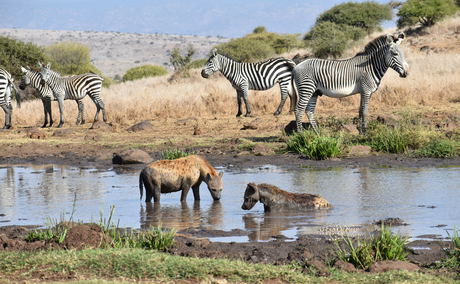
Do Hyenas Hunt? Tanzania’s Spotted Hyena Behavior Explained
Sat March 21, 2026
Read This Article
Walking Safaris: Discover the Hidden Tracks Beneath Your Feet
Sat January 25, 2025
Read This Article
Unlock the Secrets of the African Savanna Are you ready for an adventure that will awaken your senses and deepen your connection to nature? Explore the African savanna on foot, where every step offers a new surprise that captivates your curiosity. Imagine inhaling the earthy aromas of the wilderness, listening to the symphony of wildlife, and witnessing breathtaking landscapes firsthand. This immersive experience allows you to slow down and truly appreciate the...
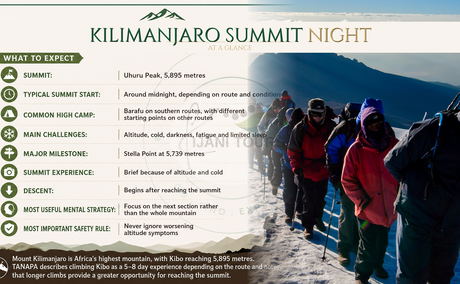
Kilimanjaro Summit Night: How to Prepare Mentally and What to Expect
Sun August 30, 2026
Read This Article
Kilimanjaro Summit Night: The Final Hours Before Uhuru Peak At midnight, the mountain disappears. Your headlamp becomes your horizon. Kilimanjaro summit night is the final and most demanding stage of the journey to Uhuru Peak at 5,895 metres. Starting around midnight, climbers face several hours of darkness, cold, fatigue, limited sleep and reduced oxygen availability. The challenge is physical, but it is also deeply mental. The key to managing summit night is...
Share This Post