

Kilimanjaro Summit Night: The Final Hours Before Uhuru Peak At midnight, the mountain disappears. Your headlamp becomes your horizon. Kilimanjaro summit night is the final and most demanding stage of the journey to Uhuru Peak at 5,895 metres. Starting around midnight, climbers face several hours of darkness, cold, fatigue, limited sleep and reduced oxygen availability. The challenge is physical, but it is also deeply mental. The key to managing summit night is...
Tanzania Weather Travel Guide: Enhance Your Journey Kijani Tours
Posted by Wolfgang on Sat January 4, 2025 in Tanzania Weather Guide for Travelers.
Weather timing is key: clear Serengeti skies for wildebeest migration and Zanzibar’s dry season for beach bliss. Choose the perfect season to dive into Tanzania’s diverse ecosystems and vibrant local cultures.
Let sunlit days and gentle evening breezes craft unforgettable safari and seaside memories.
The Dry Season: June to October
The dry season, from June to October, is considered the best time to visit Tanzania. During these months, the weather is pleasantly warm and dry, making it ideal for outdoor activities and wildlife safaris. The clear skies and minimal rainfall provide excellent visibility for spotting the Big Five in national parks like Serengeti and Ngorongoro Crater. Additionally, the dry season coincides with the Great Migration, where millions of wildebeest and zebras traverse the Serengeti plains, offering a spectacular wildlife spectacle.
The Wet Season: November to May
The wet season in Tanzania is divided into two periods: the short rains (November to December) and the long rains (March to May). While some travelers may shy away from visiting during the wet season, it has its own unique charm and advantages. The landscape transforms into a lush, green paradise, with blooming flowers and abundant birdlife. This is also the calving season for many animals, providing a chance to witness newborn wildlife. The wet season is less crowded, offering a more intimate and serene experience in popular tourist spots.
Coastal Bliss: Year-Round Beach Paradise
Tanzania's coastal regions, including Zanzibar, Pemba, and Mafia Island, enjoy a tropical climate with warm temperatures year-round. The coastal weather is perfect for beach lovers, with opportunities for swimming, snorkeling, and diving in the crystal-clear waters of the Indian Ocean. The gentle sea breeze and sunny days create an idyllic setting for relaxation and exploration of the vibrant marine life and coral reefs.
Mountain Adventures: Climbing Kilimanjaro
For adventure seekers, the weather plays a crucial role in planning a successful climb of Mount Kilimanjaro, Africa's highest peak. The best time to embark on this challenging trek is during the dry seasons (January to March and June to October), when the trails are less slippery and the skies are clearer. The favorable weather conditions increase the chances of reaching the summit and enjoying the breathtaking panoramic views.
Cultural Festivals: Celebrating Tanzanian Heritage
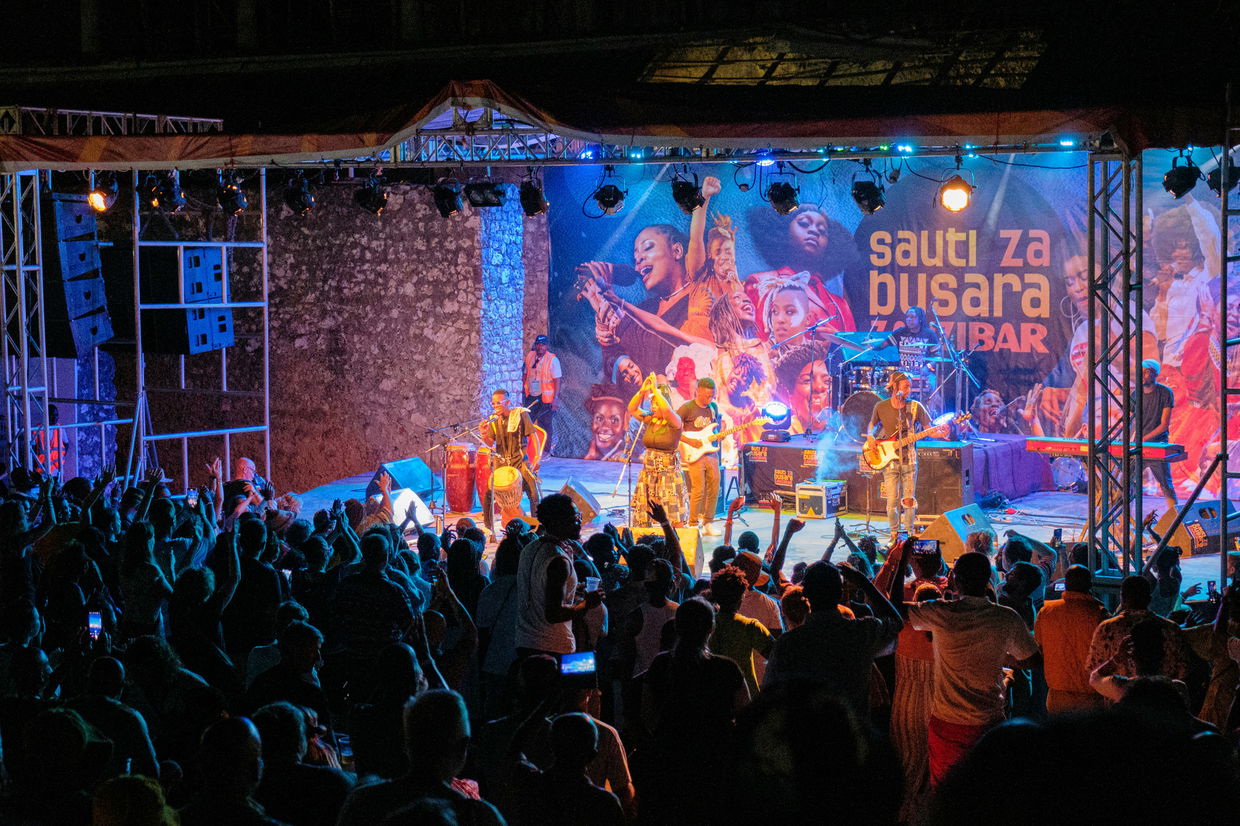
Tanzania's weather also influences the timing of various cultural festivals and events. The dry season is a popular time for traditional celebrations, such as the Mwaka Kogwa festival in Zanzibar celebrated by the Shirazi people in Zanzibar, marks the traditional New Year in July, the Serengeti Cultural Festival, Sauti za Busara is one of East Africa's largest music festivals, held annually in Zanzibar. It showcases a diverse range of African music genres, including Taarab and Bongo Flavor, and features performances, workshops, and cultural exhibitions, making it a key event for music lovers, Bagamoyo Arts Festival celebrates Tanzanian arts and culture in the historic town of Bagamoyo. The festival includes performances by local and international artists across various art forms, along with workshops and exhibitions that promote creativity and cultural exchange, emphasizing the town's historical significance. These events offer a unique opportunity to immerse yourself in the local culture, music, dance, and cuisine, enriching your travel experience.
Finally, the weather in Tanzania plays a substantial role in shaping your travel experience. Whether you are travel around the wildlife-rich savannas, relaxing on pristine beaches, conquering mountain peaks, or participating in cultural festivities, understanding the climate and planning your visit accordingly can enhance your journey. Embrace the diverse weather patterns and let them guide you to the best that Tanzania has to offer, creating memories that will last a lifetime.
Share This Post
Latest News
Tanzania Travel Guide | Safaris, Kilimanjaro, Beaches, Culture and Responsible Travel
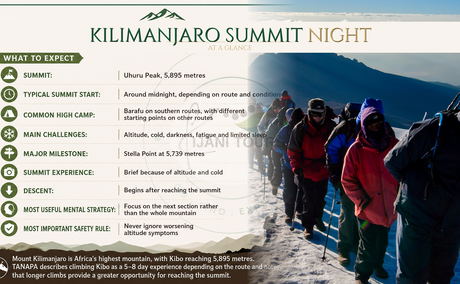
Kilimanjaro Summit Night: How to Prepare Mentally and What to Expect
Sun August 30, 2026
Read This Article
Is Tanzania Safe for Kids on Safari?: A Parent's Guide to Family Safari in Tanzania, 2026–2029
Sat August 29, 2026
Read This Article
Planning a Tanzania safari with children? This practical family safari guide helps parents understand when to go, which parks and experiences suit different ages, how to prepare for health and safety, and what to expect from accommodations, game drives, and wildlife encounters. It also explains how Kijani Tours can tailor a private safari to your family's needs, from the Serengeti and Ngorongoro to cultural experiences and Tanzania's coast, from Pangani to Mafia...
Climbing Kilimanjaro as a Woman: What No One Tells You Before You Go
Thu August 27, 2026
Read This Article
Climbing Kilimanjaro as a woman is absolutely possible, but there are practical things to prepare for before you arrive. This guide covers the realities many women want to know about, including hygiene at mountain camps, managing your period, physical preparation, altitude sickness, and what to expect on summit night. You will also learn which questions to ask Kijani Tours' team regarding privacy, female guides, hygiene and waste management, health monitoring, and emergency...
Share This Post