

The Serengeti is not just a destination. It is a living, breathing wilderness system where nature operates on a scale that feels almost unreal until you witness it firsthand. Vast golden grasslands stretch beyond the horizon, broken only by acacia trees, distant kopjes, and the movement of wildlife herds that shape the rhythm of life across the plains. This guide is designed to help you understand the Serengeti in depth before you...
Tanzania's 17,200 Lions: Inside the World's Largest Lion Population
Posted on Fri August 2, 2024 in Wildlife Chronicles: The Wild Beckons.
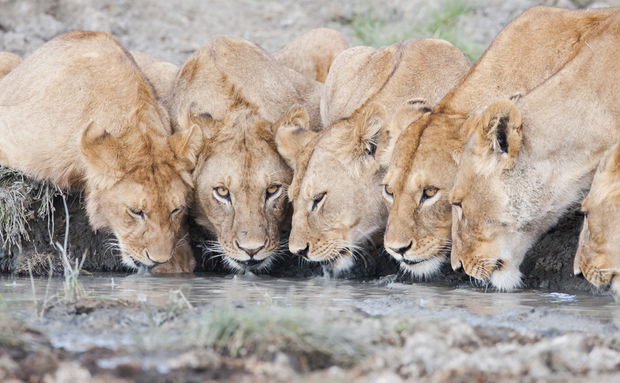
Tanzania is renowned as the "Lion Paradise of the World," boasting a population of over 17,000 lions, making up 68.5% of Africa's total lion population. The country's protected areas offer the perfect habitat for these majestic creatures to thrive and roam freely. Visitors to Tanzania can witness these iconic predators in their natural environment, highlighting the country's dedication to wildlife conservation. Tanzania is also recognized for its conservation efforts, with around 40.5% of its land designated as protected areas, providing a haven for a diverse range of wildlife.
Tanzania, acknowledged as "The Lion Paradise of the World," is a haven for these majestic creatures. With a flourishing lion population of over 17,000, Tanzania proudly holds over 68.5% of Africa's total lion population. The protected areas provide the perfect habitat for these iconic predators to roam freely and thrive. Visitors to Tanzania can witness the awe-inspiring sight of lions in their natural habitat, showcasing the country's commitment to wildlife conservation and preservation.
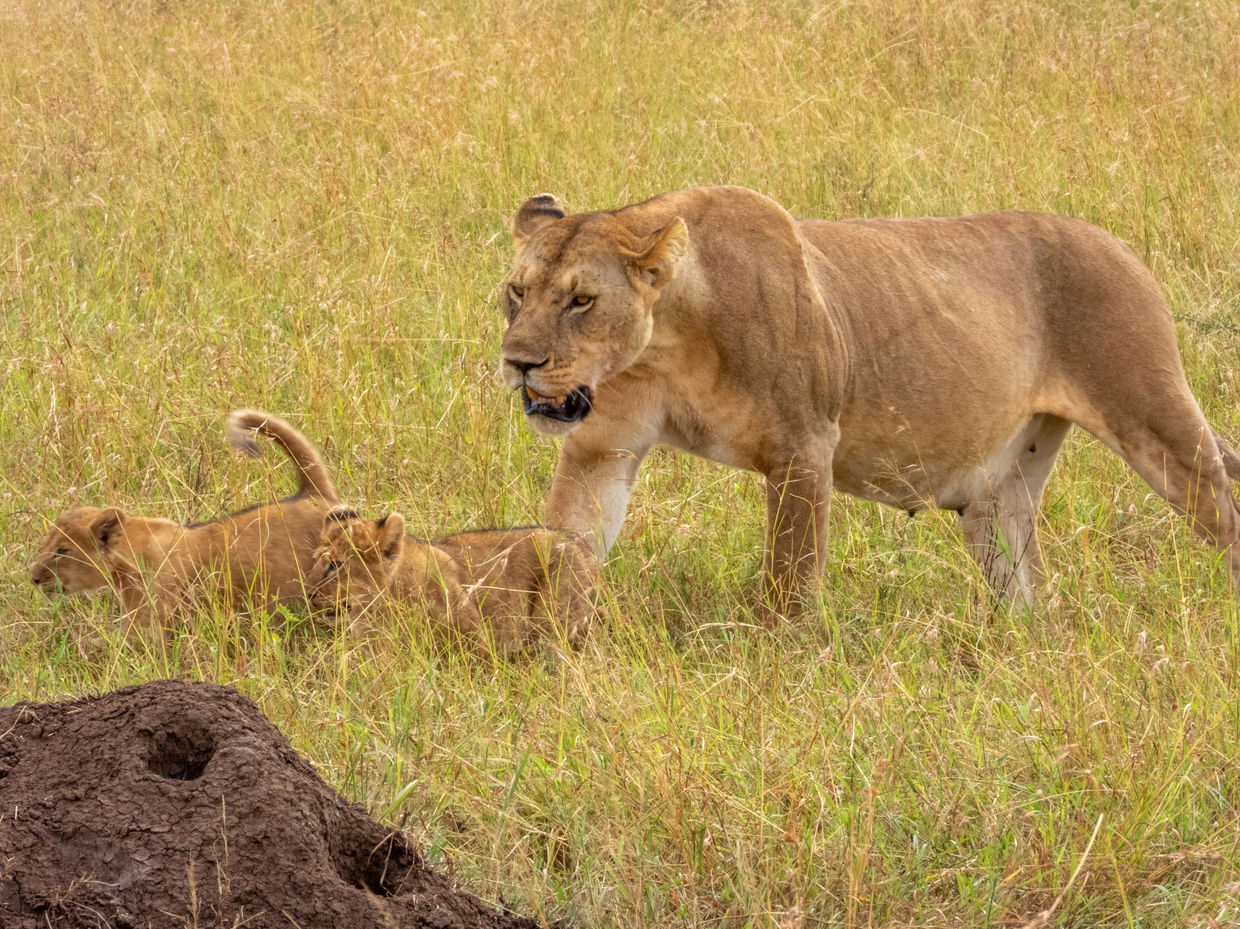
Tanzania: A Conservation Success Story
Tanzania is a hidden gem that is quickly gaining recognition as a conservation powerhouse. This mega-diverse nation has set aside about 40.5% of its land for different types of protected areas that include National Parks, Game Reserves, game-controlled areas, conservation areas, forest reserves, marine parks and reserves (https://www.tawa.go.tz/investment). These protected areas provide a haven for an enormous collection of wildlife, including the magnificent lions that roam the savannah. The Tanzania Wildlife Research Institute (TAWIRI) recently released a groundbreaking study that revealed Tanzania's lion population is flourishing. With over 17,000 lions calling Tanzania home, the country now boasts over 68.5%of Africa's total lion population. This impressive number cements Tanzania's status as the "Lion Paradise of the World."
Why Tanzania Stands Out as the Lion Paradise of the World?
What sets Tanzania apart from other safari destinations? It's not just the sheer number of lions that roam the plains, but also the country's commitment to sustainable conservation practices. The Government of Tanzania, in collaboration with stakeholders, has implemented lion conservation projects and strict measures to protect its wildlife, including anti-poaching initiatives, community-based conservation programmes, and responsible tourism practices. The most popular lion conservation projects, which have played a major role in making Tanzania the Lion`s Paradise of the World, include “The Northern Tanzania Big Cats Conservation Initiative”, which focuses on protecting African lions, cheetahs, and leopards in northern Tanzania by addressing threats such as human-wildlife conflict and habitat loss through engaging local communities in sustainable natural resource management practices.
By involving communities in conservation efforts, the initiative fosters a sense of ownership and responsibility towards protecting big cats and their habitats. Communities are also provided with alternative livelihood options that are sustainable and eco-friendly, reducing their reliance on activities that may harm wildlife. These iconic big cats play a crucial role in maintaining ecosystem balance as top predators, regulating herbivore populations to ensure environmental health. However, their populations are rapidly declining due to human-induced threats, making conservation efforts essential for their survival.
The Northern Tanzania Big Cats Conservation Initiative brings a wide range of paybacks to both wildlife and local communities. By protecting big cats, the initiative sustains the health of ecosystems and ensures the survival of other species that depend on these top predators. Local communities benefit from improved livelihoods, increased awareness about conservation, and a sense of pride in being part of efforts to save these magnificent animals for future generations to enjoy.
Secondly, the Kope Lion project works in the Ngorongoro Conservation Area, collaborating with Maasai communities to protect livestock and promote peaceful coexistence with lions. They train locals to monitor lion movements and prevent conflicts, reducing retaliatory killings of lions. Kope Lion, short for Korongoro People’s Lion Initiative, aims to bridge the gap between lions and the local community that relies on livestock for livelihoods. The traditional conflict between lions and livestock has led to deadly encounters, threatening both lion populations and local families. Kope Lion's approach involves education, community engagement, and compensation for livestock losses to promote harmony.
Their efforts have resulted in fewer lion killings and increased interest in eco-tourism within engaged communities. By empowering locals to see lions as assets rather than threats, Kope Lion is paving the way for a sustainable coexistence model. The future looks promising, as conservation efforts continue to uplift communities and protect wildlife in the region. Lastly, it is
The Ruaha Carnivore Project in southern Tanzania is dedicated to protecting lions and reducing human-lion conflict in the region. Through research, monitoring, and community engagement, the project aims to safeguard these iconic species while promoting coexistence between wildlife and people. By using scientific methods such as camera trapping and GPS tracking collars, the project monitors lion populations to better understand their movements and behavior. Human-lion conflict poses a serious threat to lions due to encroachment on their habitat, but the project works to mitigate this conflict through education, livestock protection, and sustainable land-use planning.
By involving local communities through various initiatives, the project empowers them to take an active role in wildlife conservation and highlights the benefits of living alongside carnivores. Protecting lions and other carnivores is crucial for maintaining ecosystem balance, and the Ruaha Carnivore Project is leading the way in promoting biodiversity and sustainability in the region through collaborative efforts and sustainable practices.
To sum up, Tanzania's commitment to wildlife conservation and its flourishing lion population make it a must-visit destination for any safari enthusiast. With its spectacular landscapes, rich cultural and natural heritage, and unparalleled wildlife viewing opportunities, Tanzania truly is a gem waiting to be explored. Whether you're an avid wildlife photographer, a nature lover, or simply seeking an unforgettable adventure, Tanzania has something for everyone. Book your safari today and get ready to discover the "Lion Paradise of the World"!
Tanzania Lion safari
Experience the thrill of a big cat safari in Tanzania, where you can see majestic lions roaming freely in the wild! Discover the savannah's beauty on an exhilarating safari and watch lions in their natural habitat. Get ready for a journey packed with incredible wildlife encounters in East Africa.
Exploring Tanzania with Purpose: Travel, Connection, and Giving Back
Serengeti Safari Guide: Great Migration Routes, Timing, and Sustainability
Fri June 5, 2026
Read This Article
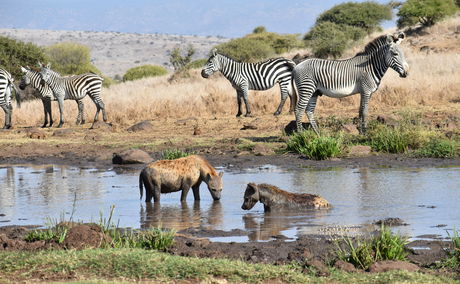
Do Hyenas Hunt? Tanzania’s Spotted Hyena Behavior Explained
Sat March 21, 2026
Read This Article
Introduction: The Real Story of Hyenas in the African Wilderness In the vast, sun-drenched plains of the Serengeti ecosystem in northern Tanzania, life unfolds with a raw intensity that few landscapes on Earth can match. Here, every movement has meaning, every sound carries information, and survival is a continuous negotiation between predator and prey. Among the most misunderstood inhabitants of this world are hyenas. For decades, they have been labeled as scavengers,...
Tanzania Biodiversity Guide: Wildlife, Ecosystems and Conservation
Sat February 28, 2026
Read This Article
Introduction: Journey to the Heart of Tanzania There is something about Tanzania that refuses to stay behind when you leave. You carry it home without meaning to. The low rumble of hooves across the plains of the Serengeti. The sharp, cold breath of air near the top of Mount Kilimanjaro. The way the light settles over Lake Tanganyika at sunrise, turning the surface into hammered silver. Weeks later, a warm breeze hits...
Share This Post