
12-Day Tanzania Safari: Wildlife, Culture and Conservation
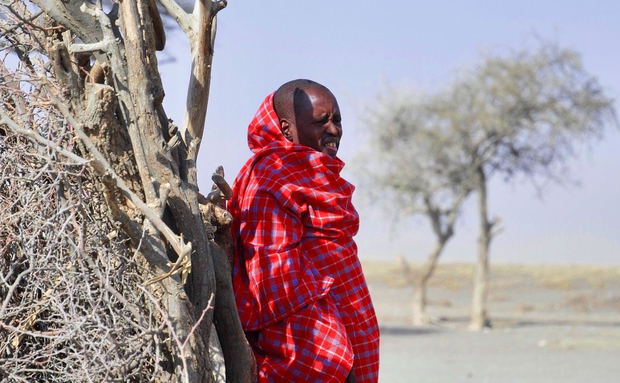
The 12-Day Tanzania Safari, Ndutu Calving Season, Culture and Conservation is a journey that connects wildlife, culture, and conservation through immersive experiences across northern Tanzania. Beginning in Arusha and the foothills of Mount Meru, travellers discover Meru farming traditions, coffee culture, local heritage, and community connections before exploring Tanzania’s iconic wilderness areas.
The journey continues through Tarangire, Serengeti, Ndutu, and Ngorongoro, where guests witness elephant behaviour, seasonal wildlife movements, predator-prey relationships, and the Great Migration calving season. Guided by Kijani Tours, this safari goes beyond wildlife viewing to reveal the deeper connections between people, landscapes, and nature, offering a meaningful understanding of Tanzania’s ecosystems and conservation efforts.
Tanzania is more than a destination where wildlife gathers; it is a living landscape shaped by ancient migrations, volcanic soils, traditional knowledge, and generations of people who have learned to live alongside nature. This 12-day journey takes you beyond traditional safari experiences, beginning in the foothills of Mount Meru, where you discover the human stories behind the landscapes. Through Arusha, Tengeru village, and Meserani, you explore Meru farming traditions, coffee culture, pastoral knowledge, and community-based conservation, learning how protecting nature begins with understanding the people and traditions connected to it.
As the journey moves into Tanzania’s wilderness, each destination reveals another chapter of the natural world. In Tarangire National Park, ancient baobabs, elephants, seasonal rivers, and wildlife corridors show how ecosystems depend on balance and movement. In the Serengeti and Ndutu plains, you witness the Great Migration’s calving season, when thousands of newborn wildebeest enter a world shaped by rainfall, predators, grasslands, and ancient migration routes. Guided by Kijani Tours, you look beyond the excitement of wildlife sightings to understand the deeper stories of survival, adaptation, and the delicate relationships that sustain one of Africa’s greatest ecosystems.
The final chapter unfolds in the Ngorongoro Conservation Area, where volcanic landscapes, wildlife, and human history coexist. Here, conservation becomes more than protecting animals; it is a shared effort to support ecosystems and communities living alongside them. Throughout the journey, your local Kijani Tours guide becomes your storyteller and interpreter, helping you connect the dots between elephants and forests, predators and prey, farmers and soils, and communities and conservation. This is not simply a safari to see Tanzania’s wildlife; it is a journey to understand the connections that keep its landscapes alive for generations to come.
Gallery
12-Day Tanzania Wildlife, Culture and Conservation Journey
Day 1: Arrival in Arusha
The Beginning of Your Tanzania StoryYour journey begins in Arusha, Tanzania, a vibrant city beneath Mount Meru shaped by volcanic landscapes, farming traditions, conservation efforts, and diverse cultures. More than a starting point for a Tanzania safari, Arusha reveals the connections between local communities, agriculture, wildlife conservation, and the natural ecosystems of northern Tanzania. With your Kijani Tours safari guide, you begin exploring the stories behind the landscapes, discovering how people and nature have lived together for generations before entering Tanzania’s iconic wildlife areas.
Overnight: Arusha
Day 2: Arusha Heritage Cultural Experience
Today, you discover Arusha’s cultural heritage and local stories.Today, you explore Arusha’s cultural heritage and history through landmarks such as the Arusha Clock Tower, the Arusha Declaration Museum, and the Cultural Heritage Centre. Through local art, traditional crafts, carvings, and historical stories, you discover the diversity of Tanzania’s communities and gain a deeper understanding of how culture, people, and conservation are connected.
Overnight: Arusha
Meals included: Breakfast, lunch, dinner
Day 3: Tengeru Village Cultural and Coffee Tour
Life Beneath Mount MeruYou spend the day in Tengeru, a village about 13 kilometres from Arusha on the slopes of Mount Meru, home to the Meru people. This isn't a coffee tasting behind glass. You pick, pound dried beans in a traditional wooden mortar, roast them over an open flame, grind the roasted beans, and drink from the cup you made with your own hands. Afterwards, you walk through banana plantations that anchor the local diet and economy, and finish at Lake Duluti, a small crater lake tucked into Mount Meru's lower slopes, still and green and easy to underestimate until you're standing at its edge.
Overnight: Arusha
Meals included: Breakfast, lunch, dinner
Day 4: Meserani snake park
Understanding Pastoral Traditions, Reptile Conservation and Local KnowledgeToday, you visit Meserani Snake Park, a community-based conservation and education centre near Arusha, where you discover a different side of Tanzania’s relationship with wildlife. Beyond the famous safari animals, this experience introduces you to the smaller creatures that play an important role in healthy ecosystems and the communities that have learned to live alongside them.
Your experience begins with a guided walk through the park, where local experts introduce you to Tanzania’s native reptiles, including snakes, tortoises, and chameleons. Through their stories, you learn how these species contribute to the balance of nature, why they are often misunderstood, and how conservation education helps create safer relationships between people and wildlife.
As you observe rescued reptiles up close, your guide shares traditional knowledge about wildlife behaviour, plant uses, and the importance of respecting every species within the ecosystem. The experience changes the way you see reptiles, from animals often feared to essential members of Tanzania’s natural world.
Meserani also opens a window into the pastoral traditions that have shaped northern Tanzania for generations. Through conversations with local guides and community members, you learn about Maasai livestock culture, the importance of cattle in community life, and the challenges pastoral communities face as they adapt to changing landscapes and a shared environment with wildlife.
This visit offers a deeper conservation lesson: protecting nature is not only about preserving animals inside protected areas. It is about building understanding, respect, and cooperation between communities and the natural world.
Experience Highlights
- Guided reptile conservation and education experience
- Learning about Tanzania’s native snake species and their ecological importance
- Observing rescued reptiles and conservation efforts
- Discovering Maasai pastoral traditions and livestock culture
- Supporting community-based tourism and local knowledge sharing
- Understanding the connection between wildlife, people, and landscapes
Destination: Meserani Village
Activities: Guided conservation walk, reptile education, cultural interaction
Recommended Duration: Half day
Overnight: Tarangire National Park
Day 5: Tarangire National Park
Reading the Language of the Wild: Elephants, Water and Ancient LandscapesToday, your journey moves from the cultural landscapes of Arusha into the heart of Tanzania’s wilderness as you travel to Tarangire National Park, a landscape shaped by ancient baobab trees, seasonal rivers, and the movements of some of Africa’s most iconic wildlife. As you enter the park, the scenery begins to tell its own story. Towering baobabs stand across the plains like ancient guardians, while elephants move through the landscape following pathways shaped by generations of survival.
Tarangire is not only a place to see wildlife; it is a place to understand how animals, water, and habitats are connected. With your Kijani Tours guide, you begin learning how to read the signs of the wild: the behaviour of elephant families, the importance of rivers and seasonal water sources, the patterns behind wildlife movements, and why protecting connected landscapes is essential for the survival of large animals.
During your game drive, you may encounter elephants gathering around water, giraffes moving between acacia trees, buffalo and zebra grazing across the plains, wildebeest and antelope following seasonal resources, and countless bird species adding colour and sound to the ecosystem. Tarangire becomes your first lesson in understanding Tanzania’s wilderness, where every footprint, movement, and landscape feature reveals a deeper story about survival and coexistence.
Overnight: Tarangire
Meals included: Breakfast, lunch, dinner
Day 6: Tarangire to Ndutu Southern Serengeti
Entering the Heart of the Great Migration LandscapeToday, you leave the elephant landscapes of Tarangire behind and journey toward the southern plains of Ndutu, one of the most important stages of the Great Migration. The route takes you through the dramatic landscapes of the Ngorongoro Highlands, where the scenery gradually transforms from woodland and baobab-dotted plains to wide-open grasslands stretching toward the horizon. As you descend toward Ndutu, your guide helps you understand how the landscapes you have travelled through are connected, from the volcanic soils that support farming communities around Mount Meru to the nutrient-rich plains that sustain millions of grazing animals.
During the green season, seasonal rains awaken the Southern Serengeti. The grasslands become a vast feeding ground, attracting hundreds of thousands of wildebeest and other herbivores as they prepare for one of nature’s most remarkable events: the calving season. Here, the rhythm of life follows an ancient pattern.
- Rain creates grass.
- Grass supports herbivores.
- Herbivores sustain predators.
- Predators help maintain the balance of the ecosystem.
As you arrive in Ndutu, you begin your first exploration of this extraordinary landscape. Your afternoon game drive introduces you to the open plains where newborn calves take their first steps, predators move through the grasslands, and seasonal movements continue a cycle that has shaped this ecosystem for thousands of years.
This is not simply a place to witness wildlife. It is a place to understand the connections that allow an entire ecosystem to survive.
Experience Highlights:
- Scenic journey through the Ngorongoro Highlands
- Entering the Southern Serengeti migration ecosystem
- First Ndutu game drive
- Understanding the relationship between rainfall, grasslands, herbivores, and predators
- Seasonal wildlife movements and migration stories
- Overnight: Ndutu Camp/Lodge
Destination: Ndutu, Southern Serengeti and Ngorongoro Conservation Area
Day 7: Ndutu Calving Season Safari
Witnessing the First Steps of LifeToday, you enter the heart of the Great Migration calving season, one of nature’s most extraordinary displays of survival and renewal. Across the open plains of Ndutu, thousands of wildebeest gather to give birth, transforming the landscape into a place of movement, vulnerability, and new beginnings. As the morning light spreads across the grasslands, your Kijani Tours guide helps you look beyond the excitement of seeing newborn calves and understand the natural story unfolding around you. You discover why wildebeest return to these nutrient-rich plains, how volcanic soils and seasonal rainfall create the perfect conditions for birth, and how young calves must quickly adapt to survive among predators.
The grasslands become a classroom of nature. You learn how herd behaviour protects vulnerable calves, why lions, cheetahs, hyenas, and birds of prey follow the migration, and how every species plays a role in maintaining the balance of this ecosystem. Possible encounters include wildebeest, zebra, lions, cheetahs, hyenas, and a variety of birds of prey. Today is more than a wildlife viewing experience. It is an opportunity to understand the delicate relationships that connect rainfall, grasslands, herbivores, predators, and the future of the Serengeti ecosystem.
Overnight: Ndutu Camp/Lodge
Day 8: Ndutu Wildlife Exploration
Understanding the Science Behind MigrationYour second day in Ndutu takes you deeper into the story of the migration. Instead of simply following animal sightings, you begin to understand the invisible systems that guide life across the Serengeti plains. With your guide, you explore how predators read the landscape, how animals communicate within their herds, and how seasonal changes influence the movement of thousands of animals across ancient migration routes. Every track in the sand, every movement across the grasslands, and every interaction between species reveals another part of the ecosystem’s story.
You learn how grasslands recover after grazing, how wildlife movements maintain ecological balance, and why protecting migration corridors is essential for the survival of this natural cycle. The Serengeti becomes more than a destination filled with animals. It becomes a living ecosystem where every species, from the smallest insects to the largest mammals, has a role.
Experience Highlights
- Understanding predator and prey relationships
- Learning about Serengeti grassland ecology
- Observing animal behaviour and communication
- Exploring seasonal wildlife movements
- Discovering why migration corridors matter
Overnight: Ndutu Camp/Lodge
Day 9: Ndutu Photography and Conservation Experience
Reading the Landscape Through a Different LensYour final day in Ndutu gives you time to slow down and observe the landscape with greater awareness. The open plains invite patience, allowing you to notice the smaller details that often reveal the biggest stories. With your guide, you learn to read animal behaviour, recognise signs of habitat change, and understand the challenges facing this fragile ecosystem. A herd moving across the horizon, a predator waiting patiently in the grass, or a flock of birds following the movement of animals all become part of a larger conservation story.
This is also an opportunity to understand why protecting the Serengeti requires more than safeguarding wildlife inside protected areas. Maintaining migration routes, preserving habitats, and supporting responsible conservation efforts are essential to ensuring these natural cycles continue for future generations.
Experience Highlights
- Wildlife photography opportunities
- Understanding animal interactions
- Learning about habitat protection
- Exploring conservation challenges
- Seeing the Serengeti as a connected living system
Overnight: Ndutu Camp/Lodge
Day 10: Ngorongoro Crater Safari
An Ancient Volcanic World Where Wildlife ThrivesToday, you leave the open plains of Ndutu and travel toward one of Tanzania’s most remarkable landscapes: the Ngorongoro Crater. Formed millions of years ago by a massive volcanic collapse, the crater created a unique natural sanctuary where forests, grasslands, wetlands, and wildlife exist within a single ecosystem. As you descend along the crater rim, the view reveals a landscape where geology has shaped every part of life below.
Inside the crater, your Kijani Tours guide helps you understand how this ancient volcanic environment supports one of Africa’s highest concentrations of wildlife. You may encounter lions resting in the grasslands, elephants moving through forest areas, buffalo grazing across the plains, hippos in freshwater pools, zebras and wildebeest crossing the landscape, and possibly the endangered black rhino. Beyond wildlife sightings, the crater reveals an important conservation lesson: protecting nature requires understanding the relationship between landscapes, wildlife, and the communities connected to them.
Experience Highlights
- Game drive inside Ngorongoro Crater
- Learning the geological history of the crater
- Understanding wildlife adaptation
- Exploring conservation and community relationships
- Searching for diverse species in a unique ecosystem
Overnight: Ngorongoro Crater rim
Day 11: Mto wa Mbu Cultural Experience
Agriculture, Art and Community Life Beyond the ParksAfter days spent exploring Tanzania’s wilderness, today you discover another important part of the country’s story: the communities that live alongside these protected landscapes. Mto wa Mbu is a vibrant community known for its agricultural diversity, cultural exchange, and creative traditions. Walking through the village, you discover how farming, food, crafts, and daily life are connected to the surrounding environment.
You meet local farmers, explore traditional food production, visit artisan workshops, and hear stories from community members whose lives are connected to Tanzania’s changing landscapes. This experience reveals a vital conservation message: national parks do not exist separately from people. The future of wildlife protection depends on creating positive relationships between tourism, local livelihoods, and communities living near conservation areas. Later, you return to Arusha, carrying not only memories of wildlife encounters but also a deeper understanding of the people who share these landscapes.
Experience Highlights
- Community walking experience
- Local farming and agricultural traditions
- Traditional foods and cultural exchange
- Artisan visits and local crafts
- Understanding community-based tourism
Overnight: Arusha
Day 12: Departure from Arusha
Leaving Tanzania With New ConnectionsAfter breakfast, your Wildlife, Culture and Conservation Journey comes to an end. As you leave Tanzania, you carry more than photographs of elephants, lions, wildebeest, and endless plains. You leave with a deeper understanding of how wildlife, landscapes, cultures, and conservation are connected.
Depending on your travel plans, your adventure can continue with a new chapter:
- Relaxing along Tanzania’s coastline
- Exploring additional cultural experiences in Moshi
- Extending your conservation journey. Your time in Tanzania serves as a reminder that travel is not only about the places we visit but also about the stories we learn, the people we meet, and the connections we create along the way.
Share This Page