

Tanzania: Africa's Greatest Wildlife Destination | Kijani Tours
Serengeti. Kilimanjaro. Ngorongoro. Zanzibar. Tanzania is not one destination. There are many, and together they form the most complete wildlife and adventure experience on earth.
Why Visit Tanzania
There are countries you visit and countries that visit you back. Tanzania is the latter. It is the only place on earth where you can stand at the foot of Africa's highest mountain in the morning, watch a lion hunt across open savannah in the afternoon, and fall asleep to the sound of the Indian Ocean at night. It holds more UNESCO World Heritage Sites than any other country in East Africa. It protects more land in national parks and conservation areas than almost any nation on the planet. And at its heart, it has remained, despite everything the modern world has thrown at it, genuinely, profoundly wild.
Tanzania covers 945,087 square kilometres of East Africa, bordered by Kenya and Uganda to the north, Rwanda, Burundi, and the Democratic Republic of Congo to the west, and Zambia, Malawi, and Mozambique to the south. Its Indian Ocean coastline stretches over 800 kilometres from Tanga in the north to Mtwara in the south, with the Zanzibar Archipelago sitting just offshore. Over 120 ethnic groups call Tanzania home, speaking Swahili, one of Africa's most widely spoken languages, as a unifying tongue. The country is politically stable, welcoming to visitors, and widely regarded as one of the safest travel destinations in sub-Saharan Africa.
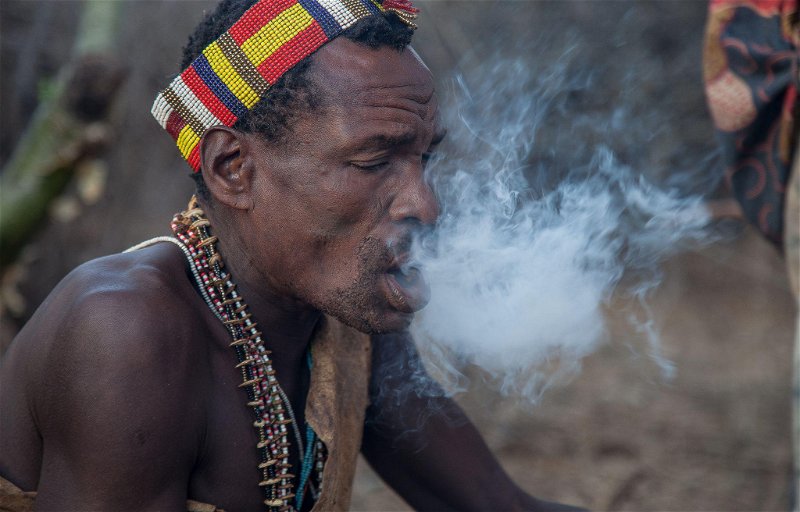
Kijani Tours is based in Moshi, on the slopes of Kilimanjaro, and has been guiding travellers through Tanzania's extraordinary landscapes since its founding. As a locally rooted, eco-conscious operator, we do not simply show you Tanzania. We introduce you to the people who have always called it home.
Tanzania's Key Destinations
Serengeti National Park, Tanzania
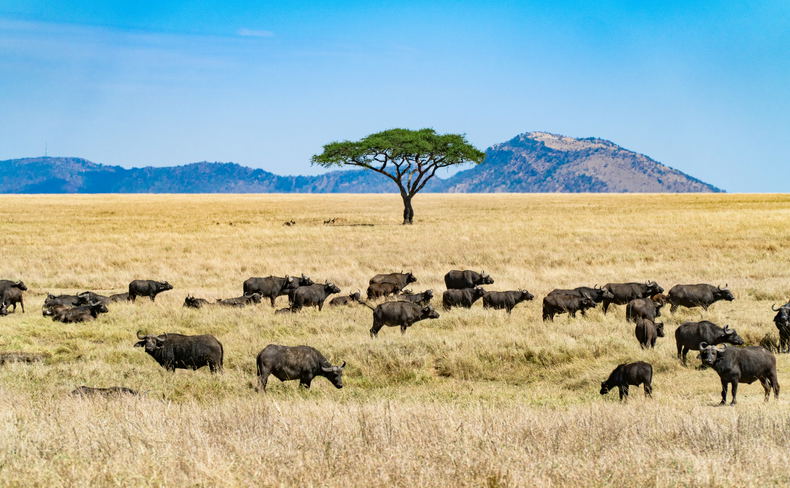
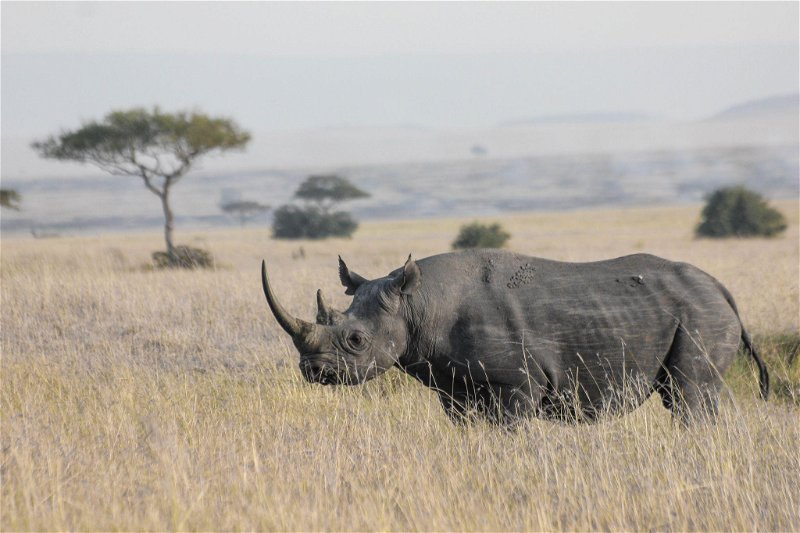
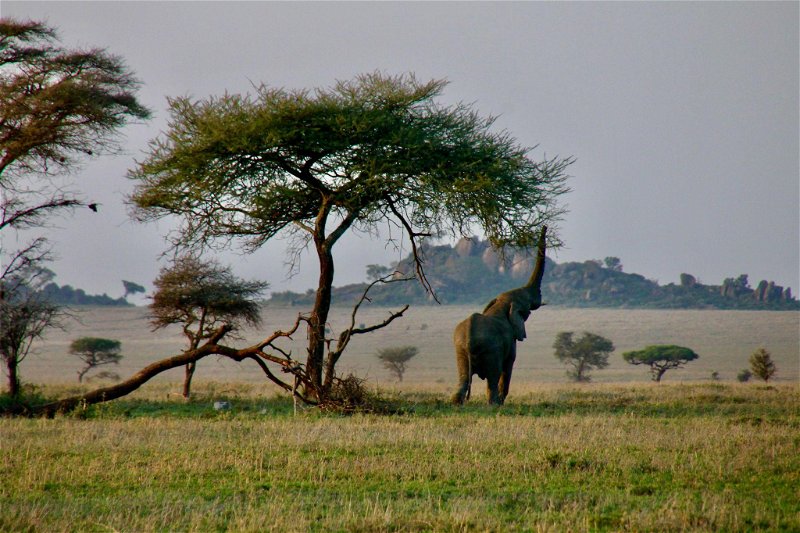
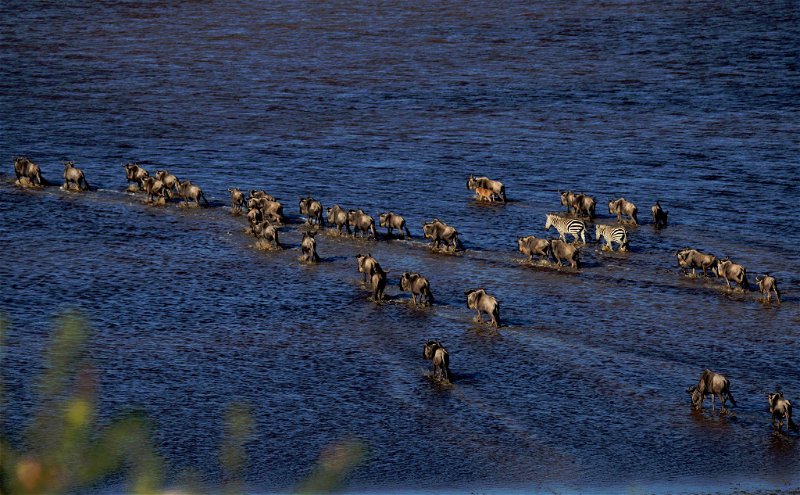
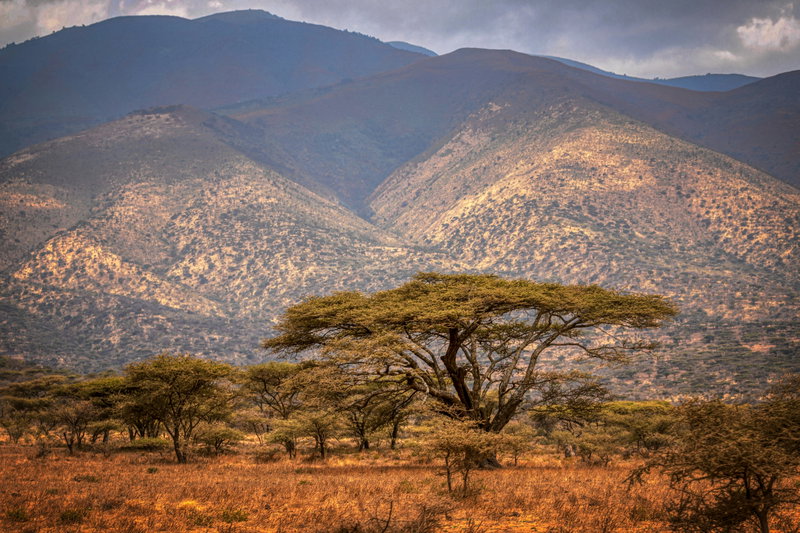
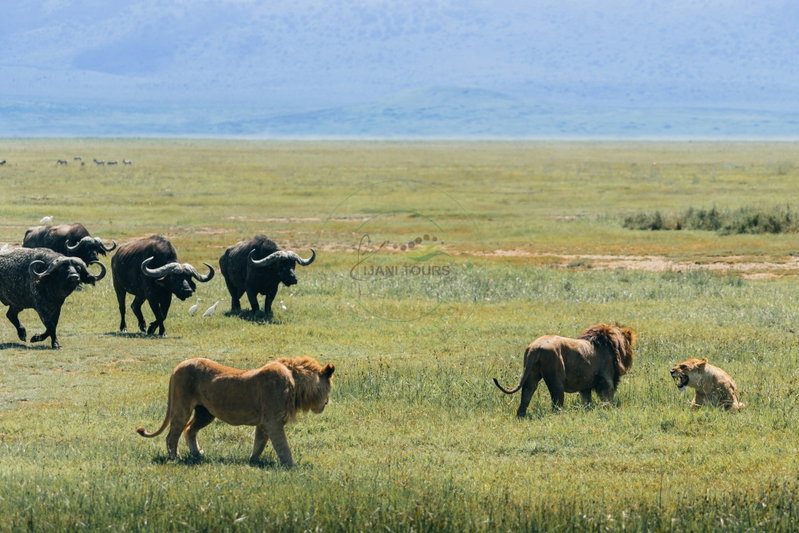
The Serengeti is the crown jewel of African safari destinations: 14,763 square kilometres of endless savannah plain that represents the oldest and most ecologically intact ecosystem on earth. It is home to more than 70 large mammal species and 500 bird species, including lion, leopard, cheetah, African wild dog, elephant, giraffe, buffalo, and the last great populations of black rhinoceros in East Africa. The Serengeti is the stage for the Great Migration, the largest movement of land mammals on the planet, and the site of the wildebeest river crossing, one of the most dramatic wildlife events in the natural world. Whether you visit during the dry season or the green season, the Serengeti never stops delivering. It simply changes the show.
Ngorongoro Conservation Area and Ngorongoro Crater, Tanzania
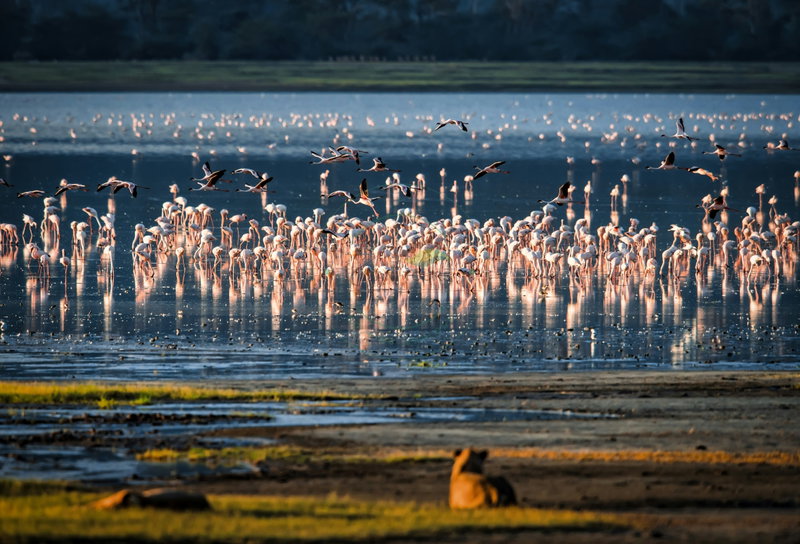
The Ngorongoro Crater is the world's largest intact volcanic caldera: a 260 square kilometre natural enclosure formed three million years ago when a massive volcano collapsed inward, creating a self-contained ecosystem of extraordinary density and richness. The crater walls rise 600 metres above a floor teeming with wildlife, including lions, elephants, hippos, flamingos, hyenas, and one of the highest concentrations of black rhinoceros left anywhere on earth. Ngorongoro is a UNESCO World Heritage Site and one of the most reliably spectacular wildlife viewing locations in Africa, accessible year-round. Maasai pastoralists have grazed their cattle on these highlands for centuries, and their presence gives the Ngorongoro Conservation Area a cultural depth that purely protected national parks cannot match.
Mount Kilimanjaro, Tanzania
At 5,895 metres above sea level, Kilimanjaro is Africa's highest peak, Tanzania's most iconic landmark, and one of the world's great trekking challenges. Unlike technical high-altitude mountains, Kilimanjaro requires no climbing experience, only physical preparation, mental resilience, and the right route and guide. The mountain rises from the agricultural slopes of Moshi through five distinct ecological zones: cultivated farmland, ancient montane rainforest, open moorland, high alpine desert, and the glaciated arctic summit zone. Each zone is a world unto itself. The Lemosho Route and Northern Circuit, which are Kijani Tours' speciality, offer the most scenic, least crowded, and highest success rate paths to Uhuru Peak. More than just a physical challenge, Kilimanjaro is a journey through landscape, culture, and self that changes the people who climb it permanently.
Tarangire National Park, Tanzania
Tarangire is Tanzania's most underestimated national park and one of its finest. Named after the Tarangire River, the park's permanent water source and the magnet that draws wildlife from across the surrounding ecosystem during the dry season, Tarangire is famous for its extraordinary elephant herds, its ancient baobab trees, and its exceptional birding. During the dry season from June to October, Tarangire hosts some of the largest elephant concentrations in East Africa, along with oryx, wildebeest, zebra, buffalo, and all the major predators. It is less visited than Serengeti and Ngorongoro, which means you experience it with space, silence, and a sense of genuine wilderness that more popular parks cannot always deliver.
Lake Manyara National Park, Tanzania
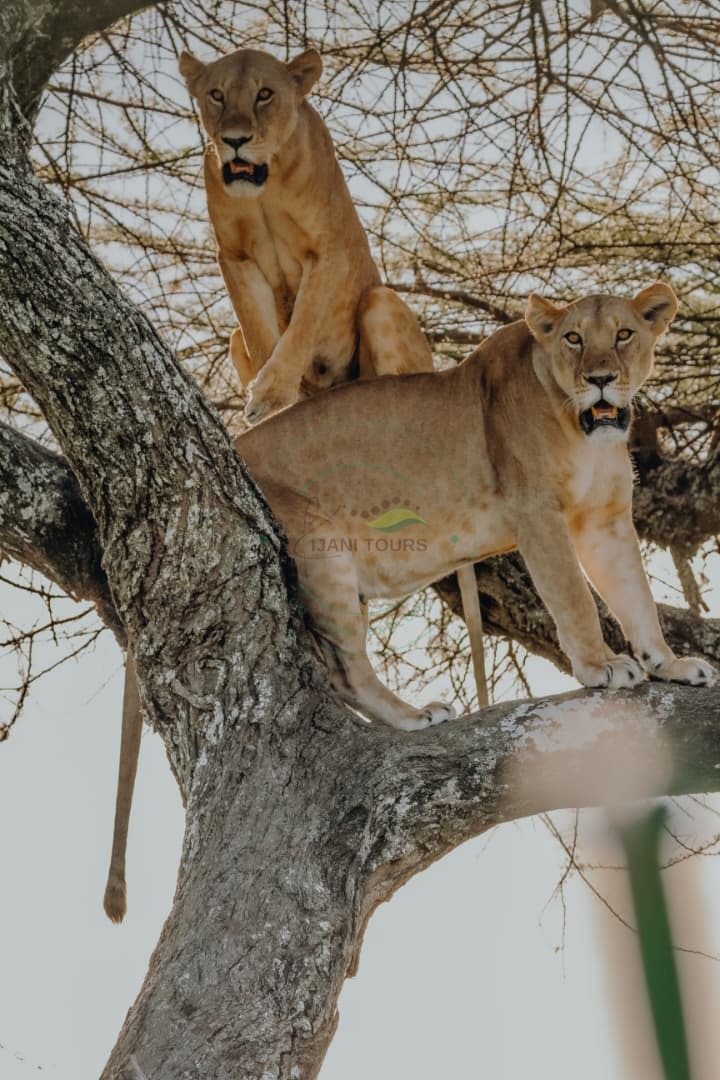
Compact, diverse, and perpetually surprising, Lake Manyara sits at the foot of the Great Rift Valley escarpment and offers some of Tanzania's most varied wildlife viewing within a small area. The park is famous for its tree-climbing lions, a behaviour unique to this population, as well as massive flocks of flamingos that turn the lake's shallows pink, large troops of olive baboons, hippos, elephants, and over 400 bird species. The drive along the lakeshore at sunset, with the Rift Valley wall rising behind you, is one of the most beautiful short game drives in East Africa.
Zanzibar Archipelago, Tanzania
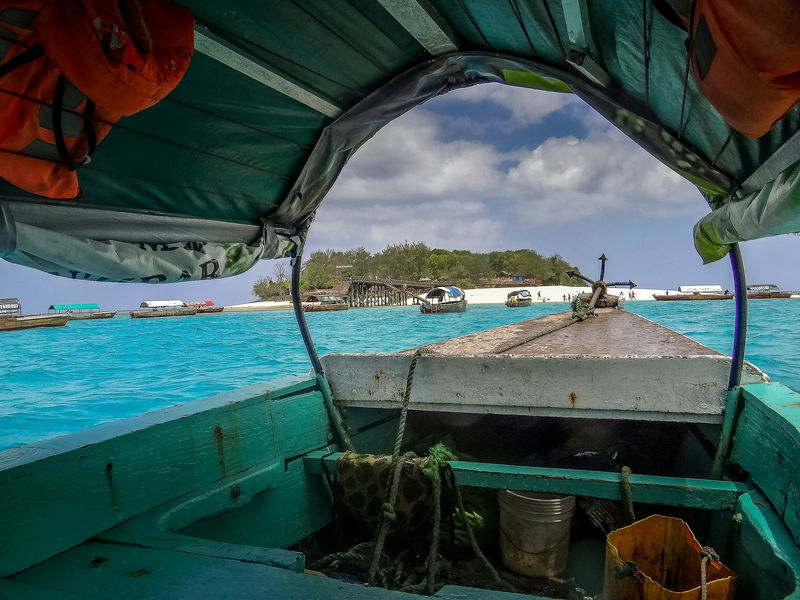
Zanzibar is where the bush meets the beach. After days in the wild landscapes of northern Tanzania, the Zanzibar Archipelago offers a seamless transition to Indian Ocean beauty: white sand beaches, turquoise waters, ancient coral reefs, and the atmospheric labyrinthine streets of Stone Town, a UNESCO World Heritage Site and living testament to the Swahili coast's centuries of Arab, Indian, and African cultural exchange. Zanzibar is also a spice island in the most literal sense, with clove, vanilla, cinnamon, and black pepper growing across the island's lush interior. For divers and snorkellers, the waters around Pemba Island and Mnemba Atoll offer world-class reef experiences. For those seeking total recovery after a Kilimanjaro climb or safari adventure, nothing on the continent compares to a few days on Zanzibar's northern shores.
Tanzania's Indian Ocean Coastline
Tanzania's mainland coastline remains one of East Africa's best-kept secrets. Stretching over 800 kilometres from the historic port town of Tanga in the north, where dhows still sail as they have for a thousand years, south through the white sand beaches of Pangani and the ancient ruins of Bagamoyo, all the way to the remote coral reefs and mangrove forests of Mafia Island, this coastline offers a completely different Tanzania from the safari north. Mafia Island in particular is extraordinary: a marine protected area with some of the finest diving and snorkelling in the Indian Ocean, whale shark encounters from October to March, and a complete absence of the mass tourism that has reached other East African coastal destinations. This is Tanzania as it existed before the rest of the world discovered it.
Tanzania's Wildlife: What You Will See
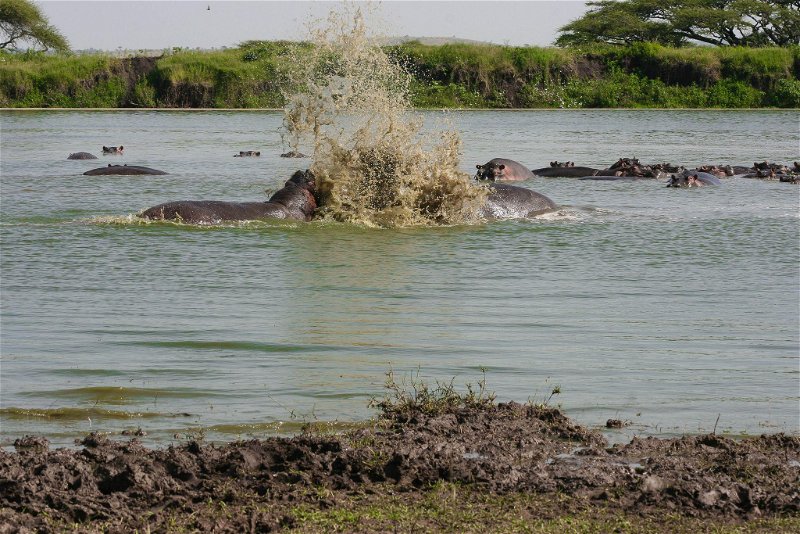
Tanzania is home to the Big Five, namely lion, leopard, elephant, buffalo, and black rhinoceros, as well as cheetah, African wild dog, giraffe, hippopotamus, Nile crocodile, zebra, and over 1,100 bird species. The Great Migration alone involves more than 1.5 million wildebeest, 400,000 zebras, and 200,000 gazelles moving in a continuous clockwise circuit across the Serengeti plains and into Kenya's Masai Mara. Tanzania's national parks and game reserves protect over 38 percent of the country's total land area, a conservation commitment unmatched anywhere in Africa, and it is this protection that keeps the wildlife abundant, accessible, and genuinely wild.
When to Visit Tanzania
Tanzania can be visited year-round. Every season has something extraordinary to offer. Here is what each major period delivers so you can match your visit to your priorities:
June to October: Dry Season, Peak Wildlife Viewing
This is Tanzania's classic safari season. Vegetation recedes, animals concentrate around rivers and waterholes, and wildlife viewing reaches its annual peak. The Great Migration river crossing at the Mara and Grumeti Rivers occurs between June and September, making it the most dramatic wildlife spectacle on earth. Kilimanjaro trekking conditions are excellent, with clear skies and cold but predictable summit weather. This is high season, so book well in advance.
January to February: Calving Season, Green Serengeti
Over 500,000 wildebeest calves are born in the southern Serengeti during these weeks, drawing lions, cheetahs, and hyenas into intense predator activity. The plains are lush and green after the short rains, the photography is exceptional, and visitor numbers are lower than peak season. One of the most underrated times to visit Tanzania.
March to May: Long Rains, Low Season
The long rains bring heavier rainfall and make some areas less accessible. Lodges reduce rates significantly, parks are quieter, and the landscape is at its most dramatically green. Not recommended for Kilimanjaro trekking due to slippery trails and poor summit visibility, but a rewarding time for birding, green season photography, and travellers seeking solitude and value.
November to December: Short Rains, Shoulder Season
Short afternoon rains freshen the landscape without significantly disrupting game drives. The wildebeest return to the southern Serengeti. Zanzibar remains warm and accessible. A good value window with lighter crowds and beautiful light for photography.
Tanzania's Great Migration: A Year-Round Spectacle
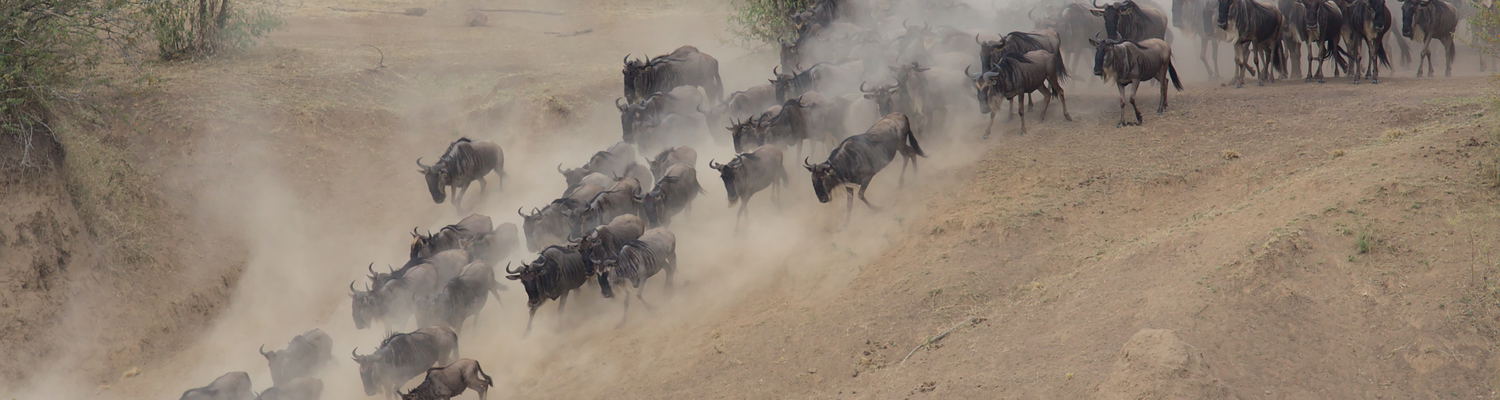
The Great Migration is the largest mass movement of land mammals on earth, and Tanzania is where most of it unfolds. More than 1.5 million wildebeest, joined by hundreds of thousands of zebras and gazelles, move in a continuous clockwise circuit through the Serengeti ecosystem, following instinct and the scent of rain. The river crossings at the Grumeti River in June and the Mara River between July and September are the most dramatic chapters of this story: massive herds surging into crocodile-filled water in a primal battle for survival that no wildlife documentary fully prepares you for. But the migration never truly stops. In January and February, the southern Serengeti fills with newborn calves. In April and May, the herds move north through the western corridor. In October and November, they begin the return south. Wherever you are in the calendar, Kijani Tours positions you at the right place to witness the migration's current chapter.
How to Get to Tanzania
Tanzania's primary international gateway is Kilimanjaro International Airport (JRO), located between Moshi and Arusha, with direct and connecting flights from major hubs including Amsterdam, Doha, Nairobi, Addis Ababa, Dubai, and London. Julius Nyerere International Airport (DAR) in Dar es Salaam serves additional international routes. Domestic flights connect Kilimanjaro, Dar es Salaam, Zanzibar, the Serengeti airstrips, and other regional destinations efficiently. Most visitors to northern Tanzania's safari circuit arrive through Kilimanjaro International Airport, which puts them one hour from Arusha and sixty minutes from Moshi.
Entry requirements: Most nationalities require a visa to enter Tanzania, available on arrival at major airports or in advance online through the Tanzania e-visa portal. Visa fees are currently USD 50 for most nationalities and USD 100 for US and Irish passport holders. Yellow fever vaccination is required for travellers arriving from yellow fever-endemic countries.
Share This Page