
9-Day Tanzania Safari: Serengeti and Ruaha by Air | Kijani Tours
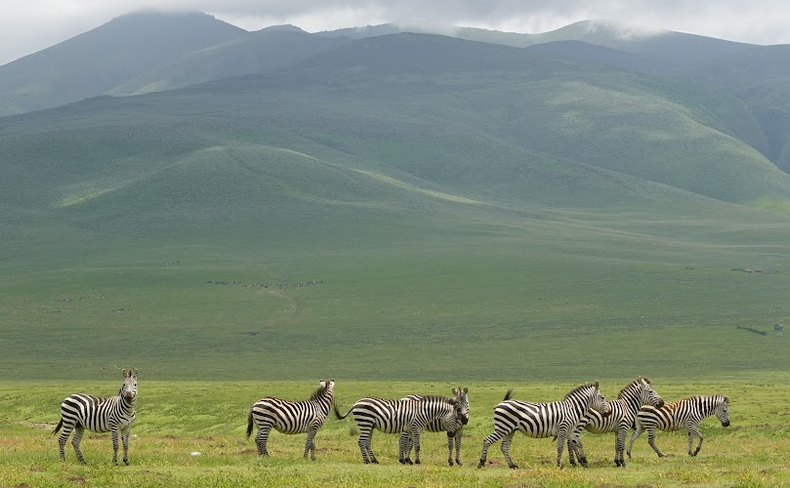
Most Tanzania safaris stay within one circuit. This nine-day route does not. It starts in Ngorongoro Crater, moves through the Serengeti’s open plains, then crosses south to Ruaha, one of East Africa’s largest parks and among its least visited. Travelers experience the northern circuit’s rich predator populations and the southern wilderness’s scale and solitude in a single journey, connected by chartered flight.
Nine days link two ecosystems that rarely appear on the same itinerary. Ngorongoro Crater, a 260-square-kilometer caldera holding one of Africa's densest concentrations of wildlife in a fixed space, opens the trip. From there, the route crosses into the Serengeti's open plains, then heads south to Ruaha, Tanzania's largest national park at over 20,000 square kilometers, home to roughly 10% of the world's remaining lion population and elephant herds numbering in the thousands. Where Ngorongoro and the Serengeti concentrate wildlife into a compressed, high-density viewing experience, Ruaha does the opposite: it holds larger numbers of animals across far more space, with a fraction of the visitors. A traveler who does both in one trip sees the same continent produce two entirely different kinds of wild, one crowded with life at close range, one vast and largely uncrowded. That contrast, not any single sighting, is what the itinerary is built to deliver.
Gallery
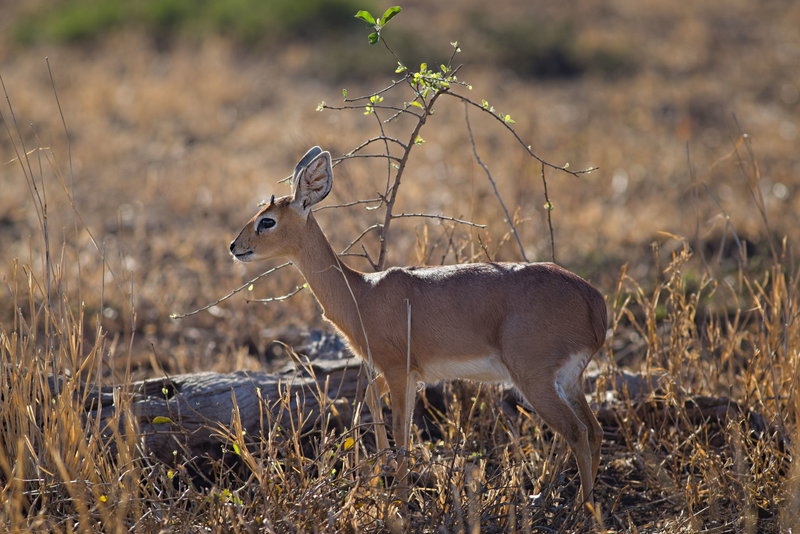
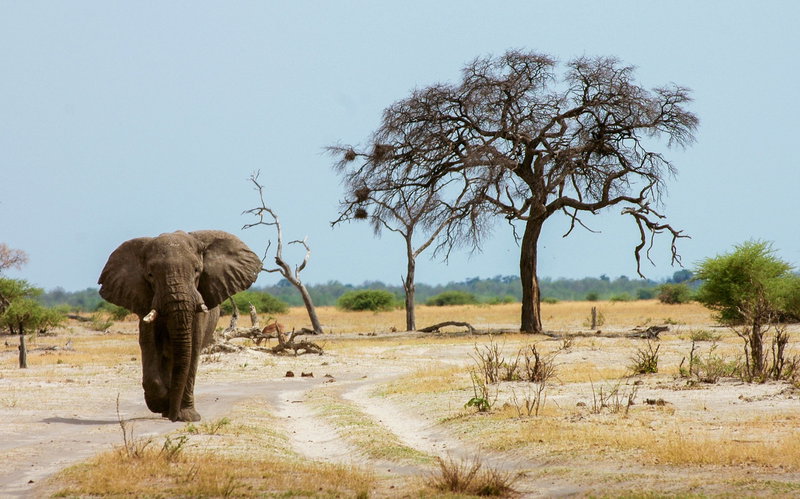
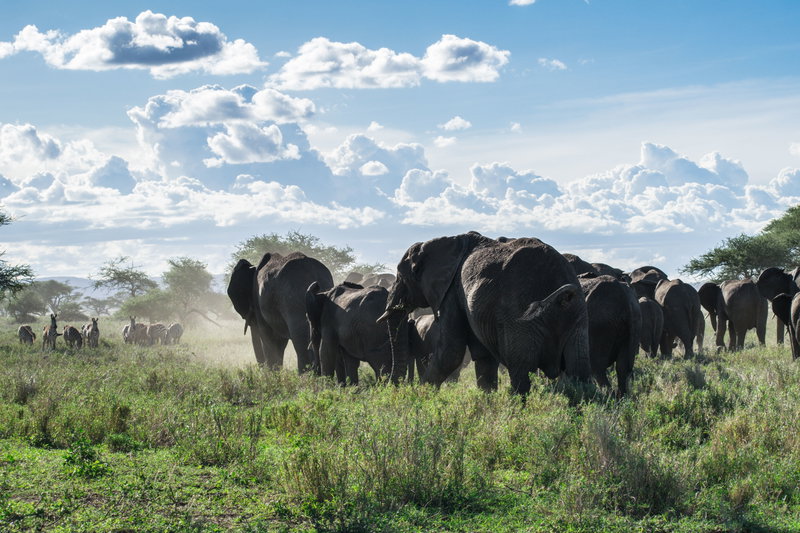
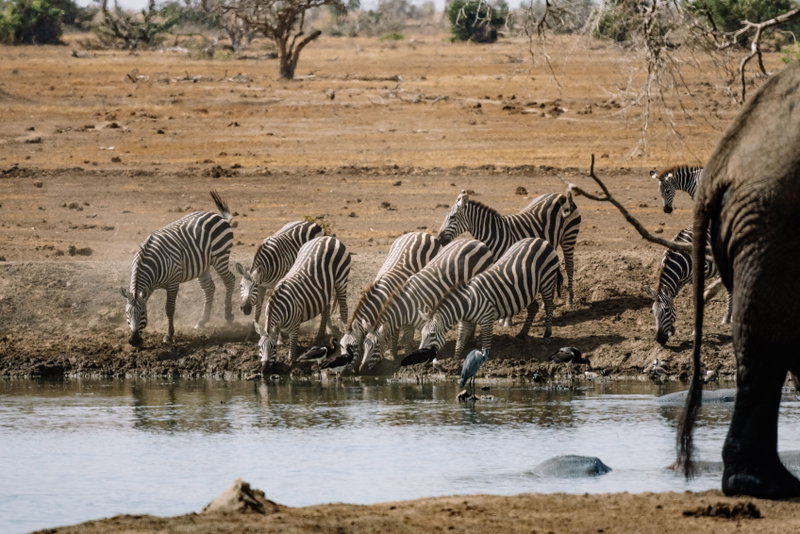
9-Day Tanzania Safari: Ngorongoro Crater, Serengeti and Ruaha National Park
Day 1
Arrival, ArushaFlights land at Kilimanjaro International Airport, at roughly 1,400 meters above sea level. From there it's a short drive to a lodge in Arusha — the last night on paved road before the trip's flights and game drives begin. The afternoon is unstructured: time to adjust to the altitude and time zone, and to go over the coming nine days with your guide.
Day 2
Flight to Serengeti National ParkA domestic flight from Arusha to Seronera airstrip — around 45 minutes in the air, covering roughly 220 kilometers — puts you down in the Serengeti's central sector. The park takes its name from the Maasai word siringet, "the place where the land runs on forever," and Seronera sits inside 14,750 square kilometers of it. An afternoon game drive covers the plains near the airstrip, where resident lion prides hold territory year-round, independent of where the migration happens to be.
Day 3-4
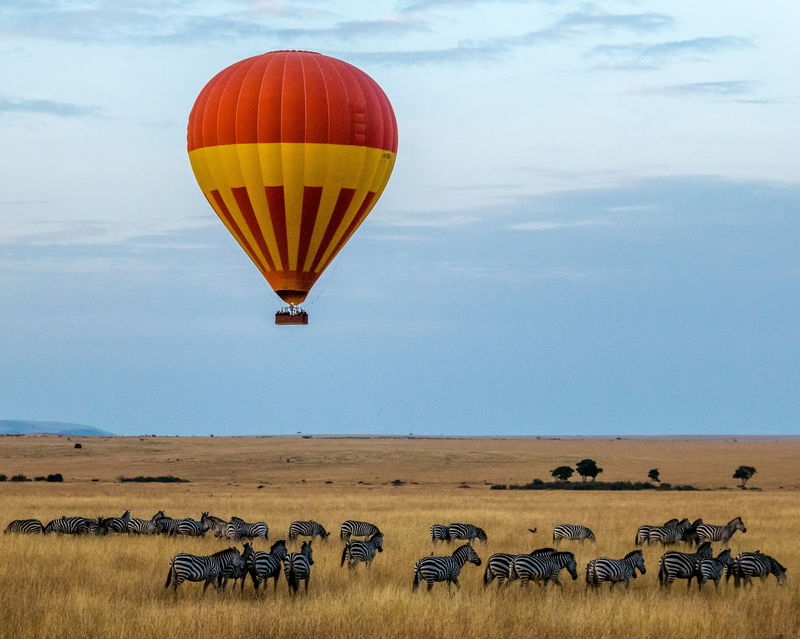
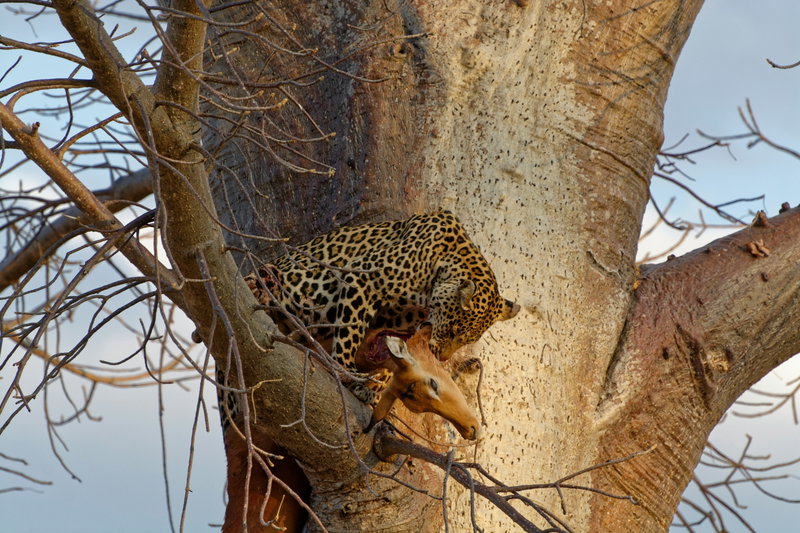
Serengeti, full days of game viewingTwo full days in the Serengeti, with drives timed around when predators are active — early morning and late afternoon, as temperatures drop. The wildebeest migration, more than 1.5 million animals moving in a roughly circular route through the ecosystem, may be near Seronera depending on the month, or further north or south; your guide checks its position daily rather than promising a fixed location. Either way, resident wildlife — lions, leopards, hippo pods in the Seronera River — doesn't depend on the timing of the migration.
Day 5
Morning game drive, transfer to Ruaha National ParkOne last Serengeti game drive, then a flight south to Ruaha National Park. The shift is deliberate: from Tanzania's most-visited park to one of its least visited. Ruaha covers more than 20,000 square kilometers — Tanzania's largest national park — but sees a fraction of the Serengeti's visitor traffic. The landscape changes with it: open grassland gives way to baobab-studded hills, granite kopjes, and the Great Ruaha River.
Day 6-8
Ruaha National ParkFour days based in Ruaha, split between vehicle game drives and walking safaris along the Great Ruaha River, the park's dry-season lifeline. Ruaha has one of the largest lion populations in East Africa, and prides here regularly run to 20 or more individuals, among the largest recorded anywhere in Africa. Elephant herds move through the wider ecosystem in the thousands. Low visitor numbers mean long stretches of a drive without seeing another vehicle, a contrast to the density of sightings (and other vehicles) in the north. Evenings are spent at a camp inside the park
Share This Page