

The Serengeti is not just a destination. It is a living, breathing wilderness system where nature operates on a scale that feels almost unreal until you witness it firsthand. Vast golden grasslands stretch beyond the horizon, broken only by acacia trees, distant kopjes, and the movement of wildlife herds that shape the rhythm of life across the plains. This guide is designed to help you understand the Serengeti in depth before you...
Tanzania Safari Packing FAQs with Kijani Tours
Posted by Wolfgang on Sun January 5, 2025 in Traveler’s Toolkit: Your Guide to Seamless Journeys.
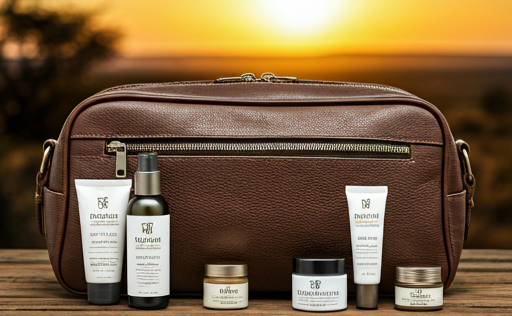
A safari in Tanzania is an incredible and unforgettable experience that showcases stunning natural beauty and opportunities to see African wildlife up close. To make the most of your adventure, it's important to pack wisely. Bring comfortable clothing, layers to adapt to changing temperatures, and protective gear for sun and insect exposure. With the right preparation, you can fully enjoy the breathtaking landscapes and rich wildlife that Tanzania presents, making for a truly memorable journey.
Best Clothing for Safari in Tanzania:
1) Comfort: Wear comfortable cotton clothes for long car rides.
2) Layers: Pack layers for changing temperatures, including a jacket and scarf for chilly mornings.
3) Protection: Long sleeves and trousers protect from mosquitoes and sun.
4) Sun Hat: Essential for harsh daytime sun.
5) Essentials Only: Pack only what you need.
Colors to Wear:
1) Neutral Tones: Brown, khaki, and earth tones blend with nature and hide dirt.
2) Avoid: White, dark blue, black, and bright colors. Tsetse flies are attracted to dark blue and black. Camouflage clothing is illegal for civilians in Tanzania.
Footwear:
1) Comfortable Shoes: Sandals or closed-toe shoes are recommended. Closed-toe shoes are essential for cold evenings and mosquito protection.
Packing List:
1) Hand Luggage: Essentials like passport, money, tickets, vaccination papers, medicines, and a change of clothes.
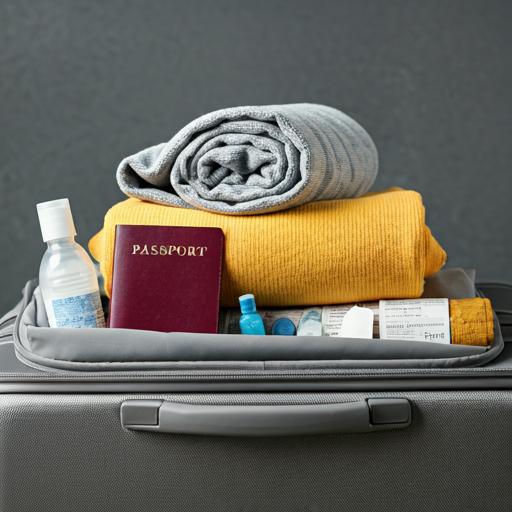
2) Clothes and Footwear: Light, neutral summer clothes, windcheater, rain jacket, swimwear, sun hat, sandals, and evening shoes.

3) Toiletries: Toothbrush, toothpaste, deodorant, mosquito repellent, sun cream, and other personal care items.
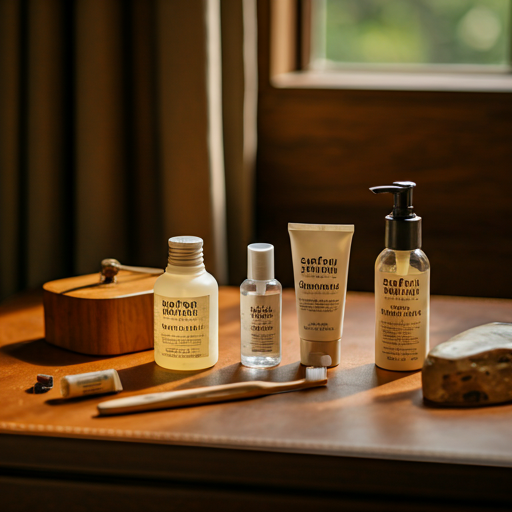
4) Medicine: Prescription medicines, allergy pills, painkillers, first aid kit, motion sickness tablets, and other medication recommended by your physician.
5) Electronics and Camera: Mobile phone, charger, power bank, USB flash drive, headphones, binoculars, camera, and power adapter.
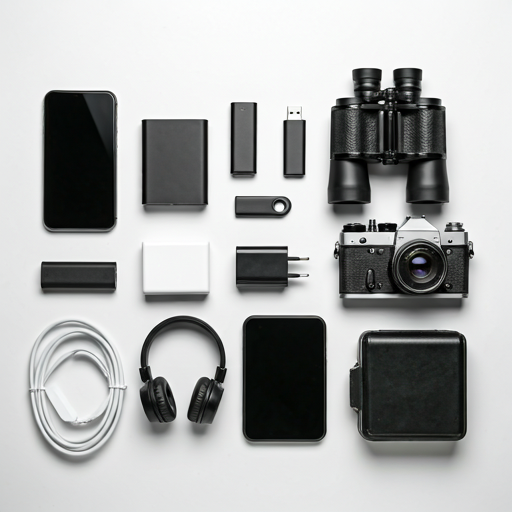
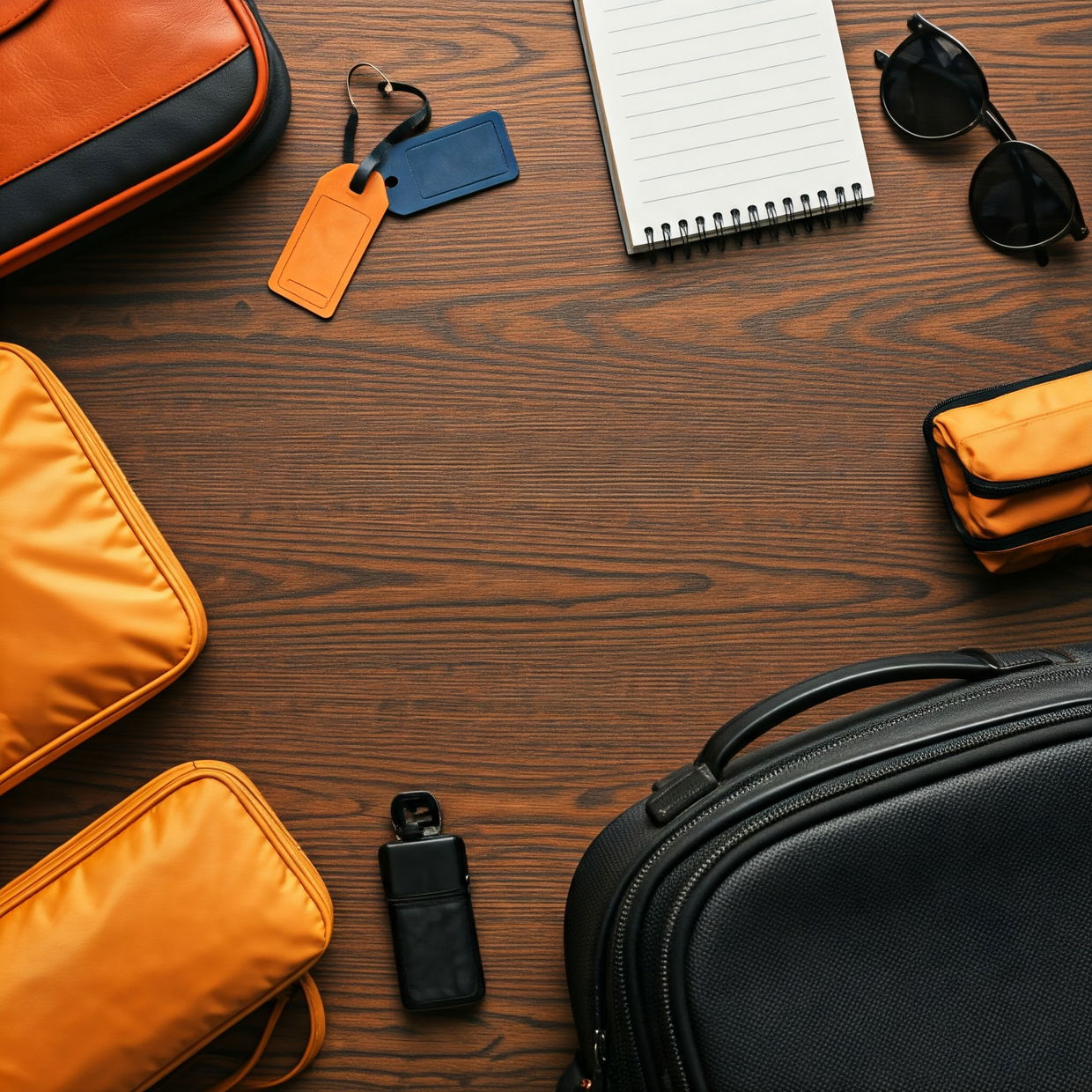
6) Travel Accessories: Luggage labels, rucksack, packing bags, notebook, and sunglasses.
What Not to Pack:
1) Prohibited Items: camouflage clothing, plastic bags.
Packing Tips:
2) Lightweight Bag: Use a durable, lightweight bag, preferably waterproof.
3) Check Weight Limits: Know the luggage allowance to avoid extra fees.
4) Share Suitcases: Pack essentials in your travel companion's suitcase in case of delays.
Walking safari packing guide for Tanzania
Kijani Tours’ walking safari packing guide for Tanzania stresses traveling light and choosing neutral shades—khaki, olive green, and beige—to blend into the bush, keep wildlife undisturbed, and ward off insects.
The essential packing list includes:
1) What to Wear: A wide-brimmed hat, sunglasses, a lightweight long-sleeved shirt, durable trousers, and well-worn, ankle-high hiking boots.
2) What to Carry: A daypack with water, binoculars, a camera with a zoom lens, a lightweight rain jacket, sunscreen, and a small personal first-aid kit.
The walking safari section also lists what to leave behind: strong scents (perfumes, lotions), plastic bags, and noisy snack wrappers to avoid disturbing the environment. Most importantly, it concludes that the goal of the safari is not just to see animals, but to fully immerse oneself in the ecosystem with curiosity and respect. The post ends with an invitation to contact Kijani Tours to plan a tailored walking safari.
To wrap up, a safari in Tanzania is a truly fantastic and memorable experience, offering magnificent nature encounters and thrilling wildlife sightings. To fully enjoy this adventure, it's essential to pack smartly. By preparing with comfortable clothing, protective gear, and essential items, you can ensure a seamless and enjoyable journey. Embrace the beauty of Tanzania's landscapes and wildlife, and make the most of your safari adventure.
Exploring Tanzania with Purpose: Travel, Connection, and Giving Back
Serengeti Safari Guide: Wildlife Migration, Best Time to Visit and Sustainability
Fri June 5, 2026
Read This Article
Do Hyenas Hunt? Secrets of the Savanna’s Hidden Predator in Tanzania
Sat March 21, 2026
Read This Article
Introduction: The Real Story of Hyenas in the African Wilderness In the vast, sun-drenched plains of the Serengeti ecosystem in northern Tanzania, life unfolds with a raw intensity that few landscapes on Earth can match. Here, every movement has meaning, every sound carries information, and survival is a continuous negotiation between predator and prey. Among the most misunderstood inhabitants of this world are hyenas. For decades, they have been labeled as scavengers,...
Responsible Trekking in Moshi and the Eastern Arc Mountains
Sat February 21, 2026
Read This Article
The trail doesn't just take you up a mountain; it takes you into a secret that Northern Tanzania has been whispering for millennia. Beyond the postcard-perfect summit of Kilimanjaro lies a world where the air smells of wild jasmine and ancient moss, where stone-walled villages in the Pare Mountains still follow the rhythms of the moon, and where the "sky islands" of the Usambaras hide creatures found nowhere else on Earth. But...
Share This Post