

The Ngorongoro Conservation Area rises from the northern Tanzanian highlands as one of Africa’s most layered landscapes. Here, volcanic geology shaped a vast caldera, wildlife adapted to enclosed grasslands and permanent springs, Maasai pastoralists continue centuries-old grazing traditions, and some of the earliest evidence of human evolution lies preserved in nearby sediment. Few destinations integrate ecology, anthropology, and living culture with such clarity. When you stand on the rim of the Ngorongoro...
Discovering the Living Mosaic of Tanzania’s Biodiversity
Posted by wolfgang on Sat February 28, 2026 in The Ultimate Tanzania Destination Guide 2026.
Introduction: Journey to the Heart of Tanzania
There is something about Tanzania that refuses to stay behind when you leave. You carry it home without meaning to. The low rumble of hooves across the plains of the Serengeti. The sharp, cold breath of air near the top of Mount Kilimanjaro. The way the light settles over Lake Tanganyika at sunrise, turning the surface into hammered silver. Weeks later, a warm breeze hits your face somewhere else in the world, and you’re suddenly back on the Indian Ocean coast, watching the tide shift.
It is not dramatic in an obvious way. It’s wide, yes. Vast plains, open sky, horizons that don’t seem to end. But it is also close and textured. The crunch of dry earth under your boots. The smell of wood smoke in the evening. Fishing boats nudging against the shoreline. And always, people are at the center of it all. More than 120 tribes, each with its own stories, rhythms, and ways of seeing the world. Daily life moves forward here with or without an audience. You are not watching a performance. You are being invited, briefly, into something real.
The wildlife feels the same. Wildebeest tracing ancient migration paths. Elephants cut quiet silhouettes against the dusk. Lions resting in the shade, completely unbothered by your presence. These patterns are older than borders, older than roads. The land still holds them. You start to understand that this isn’t a place to rush through with a checklist. The more patient you are, the more it gives back.
That is how we approach it at Kijani Tours. Not as a series of highlights, but as an experience you move through slowly. You climb Kilimanjaro with guides who grew up on its lower slopes and know the mountain in their bones. You cross the Serengeti with people who can read tracks and wind like a language. You sit in a village courtyard where tourism income has helped build classrooms and improve water access, and you see exactly where your visit makes a difference. Later, on the beaches of Zanzibar, you rest knowing your stay supports families and local partners, not some distant office.
This isn’t about ticking off landmarks. It is about paying attention. Tanzania asks for that. And if you give it the time, it has a quiet way of shifting something inside you.
1. Dawn Over the Savannah: Feel Tanzania’s Wild Heart
In the Serengeti, dawn doesn’t rush. It seeps in slowly, like it is taking its time. First, a thin line of light stretches along the horizon. Then the grass catches it, turning gold in little patches. For a few minutes, everything holds still. You hear before you see—zebra snorting nearby, wildebeest shifting in the tall grass, and the low rustle of something larger moving quietly through the stems. And then you spot them. Lions, moving low and steady, as if this land has been theirs forever—which, of course, it has.
Being there changes how you think about Tanzania. It is not just a place to tick off a list. It is older than that. Bigger than that. The land isn’t performing. It doesn’t need an audience. It just is. Wind sweeps across the plains. Hooves leave soft patterns in the soil. Life unfolds in its own rhythm. You catch yourself slowing down without even trying.
That is how we travel at Kijani Tours. Not for a show, not for a photo. With guides who grew up in these landscapes, who read the animals, the winds, the seasons. With camps and villages we partner with, projects we support, and traditions we help keep alive. None of it feels staged. It is all part of the story—the migration corridors we protect, the schools that benefit, the local communities whose voices are heard.
So your trip becomes more than sightings. Yes, you watch lions move through golden grass. Yes, you follow herds across the plains. But you also feel your place in it. And once you’ve seen the sun lift over the savannah like that, there’s a quiet shift inside. Travel doesn’t feel the same afterward.
2. Cultural Harmony and Swahili Unity
Tanzania is home to more than 120 tribes, each with its own language, its own stories, its own way of seeing the world. And through it all, Swahili threads quietly through daily life, in markets, schools, villages, and towns, connecting people while letting each community hold onto its traditions.
With Kijani Tours, you don’t just watch from the edge. You might spend a morning in a Chagga homestead, noticing how life moves with the land, how every task fits into the rhythm of the day. Later, you could sit with coastal artisans weaving baskets, their hands moving with ease and patience, or gather around a village fire as elders share stories passed down through generations. These aren’t moments you tick off a list. They linger. They teach you what it means to travel slowly, to be a guest, and to pay attention to the life that keeps a place alive.
3. Conservation in Tanzania: A Deeper Story
The idea of conservation in Tanzania did not start with its famous national parks alone. Long before that network formed, early leaders and communities took steps to preserve land and wildlife.
The Vision of Mwalimu Julius Nyerere
Conservation in Tanzania didn’t start with the big, famous national parks. Long before tourists arrived or anyone outside the country was paying attention, local communities and a few forward-thinking leaders were already taking steps to protect the land and the animals that lived on it.
In 1961, Mwalimu Julius Nyerere said:
“The survival of our wildlife is a matter of grave concern to all of us in Africa. These wild creatures amid the wild places they inhabit are not only important as a source of wonder and inspiration but are an integral part of our natural resources and our future livelihood and well-being.”
It was a bold stance. Tanzania faced serious economic challenges at the time, yet Nyerere chose to put wildlife protection at the heart of the country’s vision. That choice didn’t just protect species, it laid the foundation for decades of conservation that still guide how Tanzania manages its landscapes today.
Protected Areas Beyond the Northern Circuit
When most travelers think of Tanzanian wildlife, they imagine the Serengeti or Ngorongoro Conservation Area. But the conservation story stretches far beyond the northern parks. Long before tourism made these areas famous, wetlands, montane forests, and other special ecosystems were already being protected. People recognized their value not for visitors, but for the life they held. Protecting wildlife and habitats wasn’t about creating attractions. It was about keeping the land alive, for everyone who depended on it, humans and animals alike.
Western Rufiji River Floodplains
The floodplains along the western Rufiji River feel different from the national parks most travelers picture. These lands were valued long before tourism put Tanzania on the map. Wetlands and seasonal floods make this a home for hippos, crocodiles, roaming elephants, and countless waterbirds. Colonial authorities, and later post-independence wildlife officials, recognized their importance early, setting up game-controlled areas and protection zones along the river well before the famous parks existed. Exact dates aren’t always clear today, but these floodplains were part of an early patchwork of protected lands that eventually became larger reserves, including the Selous Game Reserve, first gazetted in 1922 and now one of Africa’s largest wilderness areas.
West Kilimanjaro and Pare Mountains
Up in the highlands west of Mount Kilimanjaro and stretching into the Pare Mountains, montane forests were among the first areas set aside for protection. Forest authorities recognized their value for biodiversity and watershed management long before national parks spread across the country. These mid-20th-century forest reserves were created to safeguard rivers feeding the Pangani river basin, while also preserving unique plants, birds, and insects. By the 1960s and 70s, they were already functioning as ecological corridors, letting wildlife move freely, protecting soils, and supplying water to nearby communities. Local people worked alongside forest officers, blending traditional knowledge with formal conservation practices.
Mahale Mountains Forest Reserve: People and Conservation
On the western shores of Lake Tanganyika, the Mahale Mountains rise rugged and untamed. Long before the area became a national park, the forests and slopes were cared for by the Batongwe (Tongwe) and Holoholo peoples. Their stewardship kept forests intact, protected wildlife habitats, and revealed Mahale’s global significance—especially as one of the few places where chimpanzees survive in an untouched forest. Their story shows how deeply human history and conservation are connected.
The Batongwe (Tongwe): Spirits of the Sacred Peaks
The Batongwe are a Bantu people whose lives have long been tied to the Mahale forests and mountains. They migrated from what is now the Democratic Republic of the Congo, settling in these remote peaks as hunters, gatherers, and rice farmers. Their way of life was closely attuned to the forest, leaving little mark on the land.
Mount Nkungwe, the highest peak at 2,460 meters, is sacred to the Tongwe. Elders traditionally trek into the bamboo and rainforest zones to commune with the mountain spirits. Even today, the mountain is a place of pilgrimage, watching over the deep blue waters of the lake. In the 1970s, the Ujamaa program and the creation of the Mahale Mountains Wildlife Research Center displaced many Tongwe from the park, severing a centuries-old connection with their land.
The Holoholo: Navigators of the Lake
The Holoholo, also called Wakalanga, is another Bantu group tied to Lake Tanganyika. Descended from the Baguha who fled the expanding Luba Empire in the 18th century, they crossed the lake in large canoes and settled along the Tanzanian shore. Their knowledge of currents, shorelines, and trade routes was crucial during the Arab-Swahili trading era, when they guarded ports and stored ivory, gold, and other goods for shipment across the Indian Ocean.
The Holoholo trace lineage through the mother’s line, helping them preserve their identity through centuries of upheaval. Like the Tongwe, they were moved from Mahale’s core forests to make way for the national park. Today, they farm, fish, and maintain vibrant cultural practices—from distinctive beehive homes to oral traditions that pass knowledge across generations. Their presence continues to shape Mahale’s story, a reminder that this region is defined as much by its people as by its chimpanzees.
The Human Side of Conservation: An Ethical Perspective
Traveling through the Mahale Mountains with Kijani Tours feels like stepping into untouched wilderness. But it hasn’t always been that way. People lived here. The Batongwe and Holoholo were the first conservationists, carefully managing the land, keeping forests intact, and ensuring chimpanzees thrived long before anyone called it a national park.
Why This Matters for Travelers Who Care
Expulsion History: Knowing that these communities were eventually displaced adds depth to what you see today. Conservation has a human side. It’s not just about animals or trees—it’s about people, their stories, and the costs they bore.
Cultural Tourism: Visiting villages like Mgambo or Lagosa isn’t just sightseeing. You support descendants of the original stewards, help keep traditions alive, and see how local knowledge connects directly to the land.
Sacred Respect: Hiking in Mahale isn’t just about reaching a peak. Mount Nkungwe is sacred. Understanding that changes how you move, how you watch wildlife, and even how you breathe in the forest. It becomes more than a walk—it’s a conversation with the place.
Modern Protection
In the 1960s, Japanese primatologists studying chimpanzees drew attention to Mahale’s global importance. A research station opened in 1979, and in 1985, the area became Mahale Mountains National Park. Scientific research, government oversight, and community involvement came together to create a conservation model that is still admired worldwide.
How This Fits Tanzania’s Bigger Story
Mahale is just one piece of Tanzania’s layered approach. Wetlands were protected for their water and wildlife. Montane forests safeguarded rivers and biodiversity. Forests like Mahale were valued for rare species such as chimpanzees. Over the decades, these early efforts grew into the network of parks and reserves that travelers now come to see.
The bigger lesson is that Tanzanian conservation isn’t just about famous parks. It’s about landscapes and communities working together over generations, long before tourism arrived.
Who Keeps This Vision Alive Today
A. Tanzania National Park (TANAPA) manages parks so visitors can enjoy them without harming ecosystems.
B. Tanzania Wildlife Authority (TAWA) oversees wildlife areas and ensures local communities benefit.
C. Tanzania Forest Services (TFS) protects forests, water catchments, and carbon sinks like Rau and Amani forests.
D. Tanzania Wildlife Research Institute (TAWIRI) gathers scientific data that guides decisions about wildlife and habitat protection.
With Kijani Tours, you see this story firsthand. You meet communities who are active partners, witness ecosystems being cared for, and understand how human history and conservation are inseparable in Tanzania.
4. Kijani Tours Experiences: Meaningful Discovery
Travel with Kijani Tours and experience Tanzania in a way that stays with you long after you leave. Every journey is designed to bring you close to the land, the wildlife, and the people who call it home. Climb Kilimanjaro with guides who know every trail and story. Follow migration routes across the Serengeti with rangers who read the land like a book. Spend time in villages where tourism supports schools, clean water projects, and local livelihoods. And when you reach Zanzibar’s beaches, you can relax knowing your stay helps local communities thrive.
Meaningful discovery is more than ticking off sights. It is about connection, curiosity, and traveling with purpose. You will see conservation at work, join cultural exchanges, and experience landscapes as living, breathing places. Each journey offers a deeper understanding of Tanzania and your place in it, leaving you changed, inspired, and connected in ways that matter.
4.1 Kilimanjaro Treks: Careful Climbing and Cultural Insight
Mount Kilimanjaro rises to 5,895 meters, drawing travelers from all over the world. With Kijani Tours, the climb is never just about reaching the summit. Every step considers your health, the well-being of guides and porters, and the mountain itself.
How We Approach Your Trek
We often use routes like Lemosho or the Northern Circuit to give climbers the best chance to acclimate and enjoy the journey safely. Our guides and porters are treated fairly—they receive proper pay, gear, health support, and rest. Along the way, you’ll hear stories about the local Chaga people, learn how the body adapts to high altitude, and discover the hardy, beautiful plants that thrive here.
Wildlife and Nature Along the Way
In the lower forests, rare butterflies flutter among birds like the Kilimanjaro white-eye. Higher up, giant groundsel and lobelia cling to the cold slopes. Elephants and monkeys roam the corridors of nearby Arusha National Park. For quieter climbs, Mount Meru and Mount Hanang offer trails through landscapes shaped by Iraqw and Barabaig communities, giving a deeper cultural layer to the trek.
Serengeti and Northern Safari Parks
The Serengeti is alive with constant movement, home to one of the world’s most spectacular wildlife migrations. Animals follow the rains, fresh grass, and the rhythms of predator and prey.
Wildlife and Activities
Watch wildebeest and zebra moving in time with the seasons. Lions, cheetahs, and leopards hunt with patience and precision. Spot rare antelopes and over 500 bird species. Guided walks and early morning game drives bring you closer to the ecosystem. Your fees support ranger patrols, wildlife monitoring, and village education projects. Kijani Tours ensures all wildlife viewing is ethical and respectful.
Indian Ocean Coast: Pangani, Bagamoyo, Kilwa, Mafia, and Mikindani
Tanzania’s coastline is a tapestry of turquoise waters, lush mangroves, and historic towns. From Pangani’s Swahili charm to Bagamoyo’s trade heritage, Kilwa’s medieval ruins, Mafia’s marine life, and Mikindani’s craft villages, each stop offers a mix of nature, culture, and history. Explore coral reefs, meet coastal communities, and immerse yourself in centuries of stories that still shape life along the shore.
What to Do
Snorkel or dive over coral reefs teeming with tropical fish and sea turtles. Visit fishing villages where traditions have lasted for generations. Walk through mangrove forests that act as nurseries for marine life.
Cultural Highlights
Bagamoyo was once a major hub in East African trade. Pangani preserves Swahili architecture and maritime heritage. Kilwa Kisiwani holds the ruins of a medieval trading empire. Mikindani blends colonial history with local crafts and culture.
Coastal Flavors
Taste coconut fish curry, pilau rice, and street snacks spiced with flavors carried along ancient trade routes. Tourism here supports marine protection, local livelihoods, and the preservation of cultural heritage.
This is travel that weaves adventure, wildlife, culture, and community into experiences that are meaningful, responsible, and unforgettable. It’s more than a trip—it’s a journey that stays with you long after you leave.
4.4 Community Encounters and Cultural Exchange
Tanzania is more than lions on the plains or baobabs standing tall against the sky. Those sights are breathtaking, yes, but the true pulse of the country is in its people, its 120 tribes, each with stories, ways of life, and traditions that stretch back centuries. With Kijani Tours, visiting a village isn’t about checking a box or snapping photos. It’s stepping into a living world that has its own rhythm, a world that existed long before maps drew these lines.
Some of the moments you will remember aren’t the drives or the climbs, they are the quiet ones where a stranger becomes a friend over a shared bowl of Ugali. That is when you see how travel can truly support communities while creating meaningful understanding.
1. Apprentices of the Earth: The Pastoral Pulse
Picture the Rift Valley at first light, mist clinging low to the ground. You’re not looking from a distance; you are in the middle of a Maasai boma. The smell of woodsmoke hangs in the air, cattle low softly nearby. Herding isn’t a pastime here; it is survival, a skill passed carefully through generations.
Standing beside an elder, you feel the weight of a traditional staff, notice the subtle language of the herd, and sense the land moving beneath your feet. It’s dusty, humbling, and raw. Completely human. A lesson no textbook could ever give.
2. The Alchemy of the Artisans: Women’s Cooperatives
Step into a women’s cooperative and the rhythm hits you instantly. Looms click, clay thumps under patient hands, laughter floats across the room.
You are not just watching. You are doing. You weave rough sisal, shape clay, and each movement links you to generations of craft and care. Every piece carries stories of resilience, creativity, and heritage. These hands keep rural life going; they are the backbone of communities that have survived and thrived through decades of change.
3. The Table of Stories: Culinary Tanzania
“Mgeni ni heri”, a guest is a blessing. Some of the richest experiences don’t happen on the savannah. They happen at the table. Meals with local hosts aren’t formal; they are living stories.
Over spice-rich Pilau or fresh Mchuzi wa Samaki, elders speak of Batongwe navigators, village life, and the challenges of modern times. You realize that while languages differ, stories of family, land, and hope are universal. Swahili threads them all together, and you find yourself part of that story, even if just for a moment.
5. Exploring Tanzania’s Museums: Windows into History, Culture, and Humanity
Museums aren’t just rooms of objects. They’re windows into the past, into the people who shaped this nation. From early tools to Swahili trade artifacts, each visit sparks curiosity and reflection. You start to see how the land, the people, and their stories are interwoven, how every thread has led to the Tanzania you see today. These experiences transform travel into something deeper. They leave you connected not just to the landscapes, but to the people and traditions that give Tanzania its soul.
5.1 National Museum, Dar es Salaam
In the heart of Dar es Salaam, the National Museum offers a glimpse into Tanzania’s long, layered history. Fossils from prehistoric times sit alongside objects from the country’s many ethnic groups. Walking through the galleries, you don’t just see things, you feel the people behind them. You get a sense of how Tanzanians have balanced centuries of tradition with modern life and how those traditions continue to shape daily routines and cultural practices.
5.2 Olduvai Gorge, Ngorongoro Conservation Area
Olduvai Gorge in Ngorongoro, Tanzania, is often called the “Cradle of Mankind,” and it’s easy to see why. Ancient stone tools and hominid fossils here date back more than two million years. Visiting with Kijani Tours, it is not just about looking at old bones. You feel the sweep of time, the lives of early humans, and the enduring presence of the land itself. Maasai communities still live in the area, wildlife moves freely, and the gorge feels alive. Walking here makes you reflect on where humans came from while connecting with a landscape that is still very much alive today.
5.3 Mkwawa Memorial Museum, Iringa
In Iringa, the Mkwawa Memorial Museum tells the story of the Hehe chief who resisted German colonial forces in the late 1800s. Traditional weapons, ceremonial objects, and oral histories bring his fight to life. As you move through the exhibits, you sense the courage and determination it took to defend his people and their way of life. It’s history, yes, but also deeply human, full of resilience, pride, and the quiet strength of leadership under pressure.
5.4 Maji Maji War Museum, Songea
The Maji Maji Rebellion of 1905 to 1907 united communities across southern Tanzania against German colonial rule. The museum in Songea tells that story through weapons, uniforms, and personal accounts. Walking the halls, you can sense the faith, strategy, and solidarity that fueled the uprising. It’s a place to pause, reflect, and consider the sacrifices made and the lasting power of people standing together.
5.5 Ngoma Museum and Cultural Centers
Smaller museums and cultural centers, like the Ngoma Museum in Mbeya or the Zanzibar Palace Museum, offer a more intimate look at Tanzanian life. Music, art, trade, and daily life come alive in these spaces. Visiting them with Kijani Tours goes beyond sightseeing; you see how communities have preserved their heritage, how stories and skills are passed down, and how people continue to shape their culture today.
5.6 Swahili Civilization Sites
The Swahili Coast carries centuries of human history. Walking among the coral-stone ruins of Kilwa Kisiwani, you can almost hear the whispers of a medieval gold and spice empire. In Bagamoyo and Pangani, narrow alleys and crumbling buildings tell stories of trade, resilience, and the enduring spirit of coastal communities. Tanzania’s story isn’t just written across its savannahs or forests; it is etched into the rock itself, connecting land, people, and history across millennia.
Visiting these museums and sites isn’t just a stop on a tour. They are the pulse of Tanzania, places where history, culture, and humanity intersect, giving travelers a real sense of the stories that shaped this extraordinary land.
6. Flavors of Tanzania and Celestial Wonders
Flavors of Tanzania
Pull up a low stool and get comfortable. Don’t expect tidy plates or polite forks; this is food you eat with your hands, with other people, and with a little noise. Under Kilimanjaro, you will tear off a warm, slightly sticky piece of ugali, press it into sautéed greens, then scoop up a chunk of smoky nyama choma. It’s simple, a bit messy, and exactly what you want.
Head east to the coast and everything changes. The air thickens with cloves and cardamom; coconut and tamarind pop up where you least expect them. A steaming pot of pilau or biryani arrives, and each mouthful tastes like a story, with spices that have crossed the Indian Ocean and settled into our kitchens. Finish with a cup of hand‑roasted Chagga coffee, grown in volcanic soil on the mountain slopes. It’s not showy. It smells like damp earth and morning mist and wakes you up without shouting.
7. Climate, People, and Protection — How Climate Change Is Reshaping Tanzania’s Biodiversity
This is happening now. You can see it in the meltwater that no longer flows the same way, in the timing of the rains, and in reefs that pale and crumble. Below, I weave the human-facing scenes from earlier with the science that shows why these changes matter for every living thing in Tanzania.
Kilimanjaro and the mountain web
On Kilimanjaro, the ice fields have been shrinking for decades. That retreat reduces meltwater that once fed montane forests and the streams below. Those forests do quite essential work: they hold and release water, store carbon, and provide habitat for plants, insects, birds, and mammals. When forests dry out, tree species decline, stream flows become erratic, and species that depend on steady moisture — from amphibians to pollinating insects lose breeding and feeding grounds. Long term monitoring and regional studies link glacier retreat to changes in local water availability and ecosystem stress.
Why it matters for biodiversity
A. Plants adapted to cool, moist slopes retreat upslope or vanish.
B. Amphibians and invertebrates that need constant humidity decline.
C. Birds and small mammals lose nesting and foraging habitat, which ripples up the food chain.
The Serengeti rhythm and the Great Migration
The Serengeti’s life depends on timing. The Great Migration follows a cycle of rains, grass growth, calving, and movement. Recent analyses show more variable rainfall and shifts in seasonal patterns across the Mara‑Serengeti region. When rains come too early, too late, or in extremes, grass quality and availability change. Calves born at the wrong time face higher mortality, herds wander farther, and predators and scavengers feel the knock‑on effects. These changes alter population dynamics for wildebeest, zebra, gazelle, lions, hyenas, and the smaller species that depend on the same grasslands.
Why it matters for biodiversity
A. Large herbivores suffer nutritional stress and lower reproductive success.
B. Predators face food shortages and may shift ranges or behavior.
C. Plant communities change with altered grazing pressure, affecting insects and ground‑nesting birds.
Coral reefs, fisheries, and coastal communities
Offshore, warming seas are causing repeated coral bleaching events across the Western Indian Ocean. Coral nurseries are not just scenic; they are nurseries for fish, natural breakwaters that reduce erosion, and the backbone of coastal fisheries. Repeated bleaching reduces coral cover and structural complexity, which lowers fish abundance and diversity and weakens shoreline protection. Regional monitoring and reef guides document mass bleaching events and ongoing heat stress in the region.
Why it matters for biodiversity
Declining reef fish populations disrupt food webs and threaten local fisheries, while coastal birds and invertebrates lose critical feeding and breeding habitats. At the same time, mangroves and seagrasses, which depend on healthy reef systems to maintain sediment balance, experience additional stress, creating a cascading impact across the entire coastal ecosystem.
Land use, forests, and fragmentation
Population growth and the need for farmland push cultivation into forests. Cattle grazing expands into fragile landscapes, and communities harvest wood for fuel and building. Systematic reviews and regional studies identify agricultural expansion, grazing pressure, and fuelwood harvesting as major drivers of forest degradation and loss in Tanzania. The result is fragmented habitat, higher fire risk, and fewer corridors for wildlife movement.
Why it matters for biodiversity
Large mammals are losing the migration corridors and seasonal refuges they rely on, so herds that once moved with the seasons are forced into smaller, fragmented areas. At the same time, forest specialists such as primates, endemic birds, and understory plants are slipping away as canopy cover thins and microclimates shift. Those losses ripple outward: pollinators and seed dispersers decline, the ecosystem services they provide weaken, and that in turn hurts crop yields and slows the regeneration of wild plants.
Plastic pollution and coastal ecosystems
Plastic is clogging rivers, lakes, mangroves, and beaches. A World Bank analysis and regional studies document the economic and ecological costs of mismanaged plastic in coastal Tanzania, showing clear impacts on fisheries, tourism, and local livelihoods. Plastic harms marine life directly through ingestion and entanglement and indirectly by degrading habitats that support juvenile fish and invertebrates.
Why it matters for biodiversity
Marine turtles, seabirds, and fish often swallow plastic or get tangled in it, while nursery habitats like mangroves and seagrass beds become smothered or polluted, making it harder for young animals to survive. When these ecosystems suffer, local communities that rely on them for food and income also feel the impact, sometimes forcing people to turn to unsustainable ways of making a living just to get by.
The full picture of Tanzania’s biodiversity
These pressures do not act alone. Climate change, land conversion, and pollution interact in ways that amplify harm. For example, degraded forests hold less water, making landscapes hotter and drier and increasing fire risk. Drier soils and altered vegetation change insect communities, which affects pollination and the plants that depend on it. Fewer pollinators mean lower seed set for wild plants and crops alike. Shifts in predator and prey dynamics can cascade into unexpected changes in vegetation and disease dynamics. In short, the whole web of life is being rewired.
What is being done and what still needs to happen
There are local and national efforts underway: community forest management, reef monitoring and restoration programs, improved waste management pilots, and tourism operators partnering with communities on sustainable practices. But the scale of the challenge calls for coordinated action: stronger watershed protection, climate‑smart agriculture, expanded protected area connectivity, reef resilience programs, and better waste systems that stop plastic before it reaches rivers and the sea.
Practical steps travelers can take
Travel more responsibly by carrying a reusable water bottle and bag, skipping single-use plastics, and choosing tour operators that actively support local waste management and conservation. Pick lodges and tours that invest in protecting watersheds, monitoring reefs, and supporting community projects. And share what you learn—help friends and fellow travelers see how Kilimanjaro’s ice, the Serengeti’s rains, and coastal reefs are all connected to local livelihoods and the wildlife we come to experience.
8. Practical Travel Tips and Cultural Guidance
Best Time to Visit: May to October for safaris and trekking; January to March for the coast and marine life.
Packing Checklist: Reef-safe sunscreen, reusable water bottle, lightweight trekking clothes, hat, and binoculars.
Swahili Greetings: Jambo for hello, Asante for thank you.
Wildlife Etiquette: Keep safe distances, listen to guides, and avoid loud noises.
9. Discovering the Living Variety of Tanzania’s Biodiversity
Tanzania’s biodiversity isn't just a collection of animals; it is a pulse-pounding symphony of life where every region plays a vital, irreplaceable instrument. In the Serengeti, the legendary Great Migration serves as the ultimate lesson in ecosystem resilience, where we track apex predators and thousands of bird species across an endless stage of volcanic soil. To the east, the Ngorongoro Crater acts as a natural, emerald sanctuary—a prehistoric caldera where we witness the high-stakes protection of the Black Rhino alongside the traditional stewardship of the Maasai people. In the shadows of Kilimanjaro and Arusha, the air turns cool as you hike through montane forests that serve as the nation’s primary water towers, protecting the delicate alpine biodiversity that feeds the rivers below.
Descending to the Indian Ocean Coast, the richness of the land spills into the sea. Here, vibrant coral reefs and ancient mangrove nurseries provide a lifeline for sea turtle habitats and a booming coastal heritage that has thrived for a thousand years. This intricate balance reaches its peak in the wetlands of the Western Rufiji and the Kilimanjaro Highlands, where rare, endemic species find refuge in the lush canopy. These regions prove that when we protect the land, we protect our home; they stand as living proof that a mindful, ethical journey doesn't just show you the world—it helps keep it alive.
10. Planning Your Journey with Kijani Tours: The 2026 Ethical Explorer Experience
Traveling with Kijani Tours is not just visiting Tanzania, it is experiencing transformation. The 2026 Ethical Explorer Experience takes you beyond typical routes into moments that spark wonder and connection. Picture spotting a lioness moving through golden grasslands in the Serengeti, standing on Kilimanjaro’s Northern Circuit with clouds drifting below your feet, and walking along Indian Ocean beaches while hearing stories of communities living in harmony with the sea.
Every encounter sharpens your curiosity and senses. Conversations with local artisans, guides, and community members reveal the ways people protect forests, rivers, and wildlife. Observing Tanzania’s landscapes and wildlife up close connects you to centuries of human and natural heritage. You become part of a story that combines adventure, culture, and conservation.
This journey changes the way you see the world. You leave with more than photos and memories. You carry a deeper understanding of Tanzania’s cultures, pride in supporting ethical travel, and a lasting connection to the land and its people. The Ethical Explorer Experience challenges, inspires, and immerses you, creating moments that stay with you long after your journey ends.
11. Conclusion: Travel That Shapes You and Tanzania
Tanzania is more than a destination. It is a living world of wildlife, culture, and history. Every viewpoint, village, and coastline offers new insight into how landscapes shape life and how people protect them. With Kijani Tours, you travel not only to explore but to contribute. Your journey supports conservation, uplifts communities, and preserves heritage. You become part of a story greater than one itinerary.
Karibu Tanzania — Welcome to Travel That Matters.
Exploring Tanzania with Purpose: Travel, Connection, and Giving Back
Ngorongoro Conservation Area Guide: Wildlife, Crater Tours and Travel Planning
Wed February 25, 2026
Read This Article
Serengeti Safari Guide: Wildlife Migration, Best Time to Visit and Sustainability
Fri June 5, 2026
Read This Article
The Serengeti is not just a destination. It is a living, breathing wilderness system where nature operates on a scale that feels almost unreal until you witness it firsthand. Vast golden grasslands stretch beyond the horizon, broken only by acacia trees, distant kopjes, and the movement of wildlife herds that shape the rhythm of life across the plains. This guide is designed to help you understand the Serengeti in depth before you...
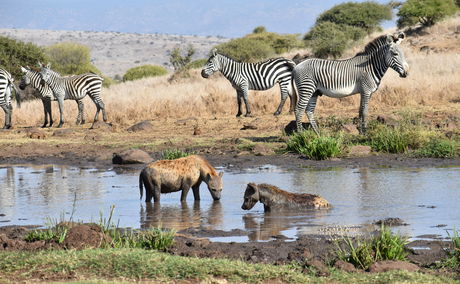
Do Hyenas Hunt? Secrets of the Savanna’s Hidden Predator in Tanzania
Sat March 21, 2026
Read This Article
Introduction: The Real Story of Hyenas in the African Wilderness In the vast, sun-drenched plains of the Serengeti ecosystem in northern Tanzania, life unfolds with a raw intensity that few landscapes on Earth can match. Here, every movement has meaning, every sound carries information, and survival is a continuous negotiation between predator and prey. Among the most misunderstood inhabitants of this world are hyenas. For decades, they have been labeled as scavengers,...
Share This Post