

Kilimanjaro Summit Night: The Final Hours Before Uhuru Peak At midnight, the mountain disappears. Your headlamp becomes your horizon. Kilimanjaro summit night is the final and most demanding stage of the journey to Uhuru Peak at 5,895 metres. Starting around midnight, climbers face several hours of darkness, cold, fatigue, limited sleep and reduced oxygen availability. The challenge is physical, but it is also deeply mental. The key to managing summit night is...
Tanzania's 17,200 Lions: Inside the World's Largest Lion Population
Posted by Wolfgang on Fri August 2, 2024 in Wildlife Chronicles: The Wild Beckons.

Tanzania is renowned as the "Lion Paradise of the World," boasting a population of over 17,000 lions, making up 68.5% of Africa's total lion population. The country's protected areas offer the perfect habitat for these majestic creatures to thrive and roam freely. Visitors to Tanzania can witness these iconic predators in their natural environment, highlighting the country's dedication to wildlife conservation. Tanzania is also recognized for its conservation efforts, with around 40.5% of its land designated as protected areas, providing a haven for a diverse range of wildlife.
Tanzania, acknowledged as "The Lion Paradise of the World," is a haven for these majestic creatures. With a flourishing lion population of over 17,000, Tanzania is home to over 68.5% of Africa's lions. The protected areas provide the perfect habitat for these iconic predators to roam freely and thrive. Visitors to Tanzania can witness the awe-inspiring sight of lions in their natural habitat, showcasing the country's commitment to wildlife conservation.
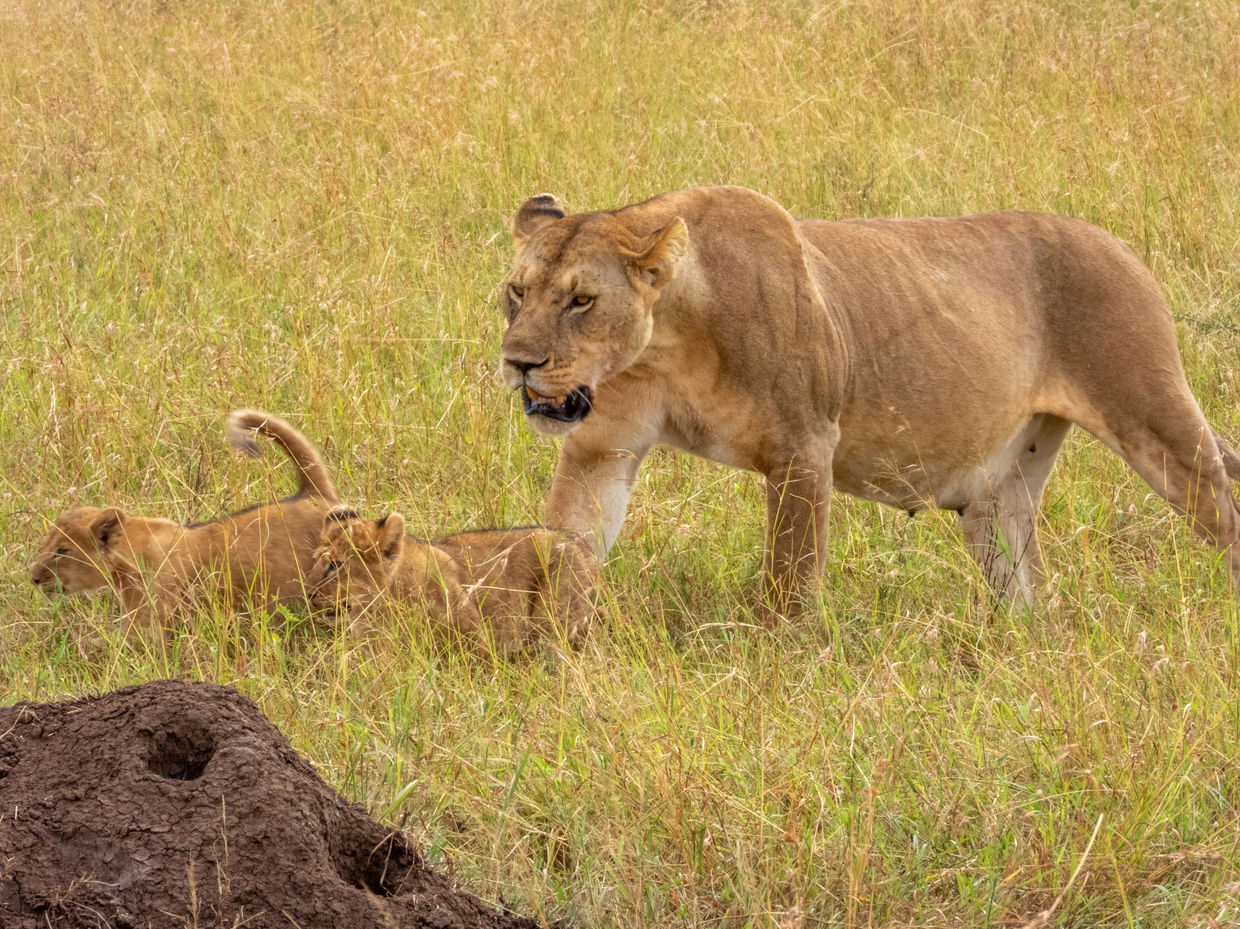
Why Tanzania Has More Lions Than Any Other Country
The answer lies in protected land. Tanzania has set aside roughly 40.5% of its total land area for conservation, spread across national parks, game reserves, game-controlled areas, conservation areas, forest reserves, and marine parks [source: Tanzania Wildlife Authority (TAWA)]. That scale of protected habitat gives lion populations room to establish stable prides and hunting territories largely undisturbed by human settlement.
This land base is reinforced by active, on-the-ground conservation work. Three programs in particular have shaped Tanzania's lion numbers:
Northern Tanzania Big Cats Conservation Initiative. Operating across northern Tanzania, this initiative protects lions, cheetahs, and leopards by addressing the two biggest drivers of big cat decline: human-wildlife conflict and habitat loss. It works directly with local communities on sustainable resource management and provides alternative livelihood options, reducing the economic pressure that otherwise pushes communities toward activities that harm wildlife.
Kope Lion (Ngorongoro Conservation Area). Kope Lion, short for Korongoro People's Lion Initiative, works with Maasai communities inside the Ngorongoro Conservation Area, where livestock and lions share the same land. The project trains residents to monitor lion movements, provides compensation for livestock losses, and builds educational programs that reduce retaliatory killings. The result has been fewer lion deaths and rising community interest in eco-tourism as an alternative income source.
Ruaha Carnivore Project (Southern Tanzania). In the Ruaha ecosystem, this project uses camera traps and GPS tracking collars to monitor lion populations and movement patterns. Its community engagement work focuses on livestock protection and sustainable land-use planning, directly reducing the human-lion conflict that threatens carnivore populations in shared landscapes.
Why Top Predators Matter to the Whole Ecosystem
Lions are not just a wildlife highlight; they are a keystone species. As apex predators, lions regulate herbivore populations, which in turn protects vegetation and maintains the ecological balance that every other species in the park depends on. Losing lions from an ecosystem triggers a cascade: herbivore overpopulation, habitat degradation, and declining biodiversity across the food chain. Tanzania's conservation investment is, in effect, an investment in the health of its entire ecosystem, not just one species.
Where to See Lions in Tanzania
Tanzania's protected areas each offer a different lion-viewing experience:
Serengeti National Park: Large, well-studied prides and the annual Great Migration, which draws predators in large numbers
Ngorongoro Conservation Area: High lion density within a contained crater ecosystem, one of the most reliable locations in Africa for daytime sightings
Ruaha National Park: A less-visited southern circuit park with a strong lion population and lower tourist traffic.
Plan a Tanzania Safari Built Around Big Cat Sightings
If seeing lions in the wild is the priority for your trip, the itinerary and the season you choose both matter.
3. FAQ Section
1: How many lions live in Tanzania? Tanzania is home to over 17, 17,000 lions, according to a Tanzania Wildlife Research Institute (TAWIRI) study, more than any other country in Africa.
2: What percentage of Africa's lions live in Tanzania? Tanzania holds more than 68.5. 5% of Africa's total lion population, making it the continent's largest single lion stronghold.
3: Why does Tanzania have so many lions? Tanzania protects about 40.5% of its land area as national parks, game reserves, and other conservation zones, providing lions with large, connected habitats. This is complemented by active conservation programs that reduce human-lion conflict and poaching.
4: What is the Northern Tanzania Big Cats Conservation Initiative? It is a conservation program covering northern Tanzania that protects lions, cheetahs, and leopards by addressing human-wildlife conflict and habitat loss through community-based resource management and support for alternative livelihoods.
5: What is Kope Lion? Kope Lion (Korongoro People's Lion Initiative) is a conservation project in the Ngorongoro Conservation Area that works with Maasai communities to reduce lion killings through monitoring, education, and livestock loss compensation.
6: Where is the best place to see lions in Tanzania? The Serengeti, Ngorongoro Conservation Area, and Ruaha National Park are the three most reliable parks for lion sightings, each offering a different density and viewing experience.
7: Why are lions important to the ecosystem? As apex predators, lions regulate herbivore populations, which protects vegetation and maintains balance across the entire food chain. Their decline can destabilize an entire ecosystem.
8: Is Tanzania a good destination for a lion- focused safari? A: Yes. With the largest lion population in Africa and protected areas covering 40.5. 5% of the country, Tanzania offers the highest statistical likelihood of consistent lion sightings on the continent.
Conclusion
Tanzania's numbers make the case on their own: over 17,000 lions, more than 68.5% of Africa's total population, spread across 40.5% of the country's land held in protected status. That combination of scale and active conservation work, from the Northern Tanzania Big Cats Conservation Initiative to Kope Lion and the Ruaha Carnivore Project, is what makes Tanzania the most statistically reliable lion-viewing destination on the continent, not a marketing label.
For travelers weighing where to go for a wildlife-focused safari, that's the deciding factor. Explore Tanzania safari packages built around Serengeti, Ngorongoro, and Ruaha lion sightings and start planning your route into the world's largest lion population.
Tanzania Lion safari
Experience the thrill of a big cat safari in Tanzania, where you can see majestic lions roaming freely in the wild! Discover the savannah's beauty on an exhilarating safari and watch lions in their natural habitat. Get ready for a journey packed with incredible wildlife encounters in East Africa.
Share This Post
Latest News
Tanzania Travel Guide | Safaris, Kilimanjaro, Beaches, Culture and Responsible Travel
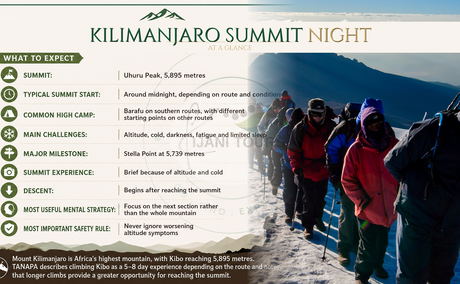
Kilimanjaro Summit Night: How to Prepare Mentally and What to Expect
Sun August 30, 2026
Read This Article
Is Tanzania Safe for Kids on Safari?: A Parent's Guide to Family Safari in Tanzania, 2026–2029
Sat August 29, 2026
Read This Article
Planning a Tanzania safari with children? This practical family safari guide helps parents understand when to go, which parks and experiences suit different ages, how to prepare for health and safety, and what to expect from accommodations, game drives, and wildlife encounters. It also explains how Kijani Tours can tailor a private safari to your family's needs, from the Serengeti and Ngorongoro to cultural experiences and Tanzania's coast, from Pangani to Mafia...
Climbing Kilimanjaro as a Woman: What No One Tells You Before You Go
Thu August 27, 2026
Read This Article
Climbing Kilimanjaro as a woman is absolutely possible, but there are practical things to prepare for before you arrive. This guide covers the realities many women want to know about, including hygiene at mountain camps, managing your period, physical preparation, altitude sickness, and what to expect on summit night. You will also learn which questions to ask Kijani Tours' team regarding privacy, female guides, hygiene and waste management, health monitoring, and emergency...
Share This Post