
Tanzania World Heritage Travel Guide
This guide explores Tanzania’s most iconic UNESCO World Heritage Sites, highlighting both natural wonders and cultural treasures. It covers must-visit places such as national parks, historic towns, ancient ruins, and wildlife-rich landscapes. Travelers will learn about Tanzania’s nature, culture, wildlife, history, conservation efforts, and tips for planning responsible and meaningful trips. Perfect for anyone searching for eco-friendly travel, cultural tours, or heritage tourism in Tanzania.
Tanzania’s 7 UNESCO Gems: Stories of Heritage and Nature
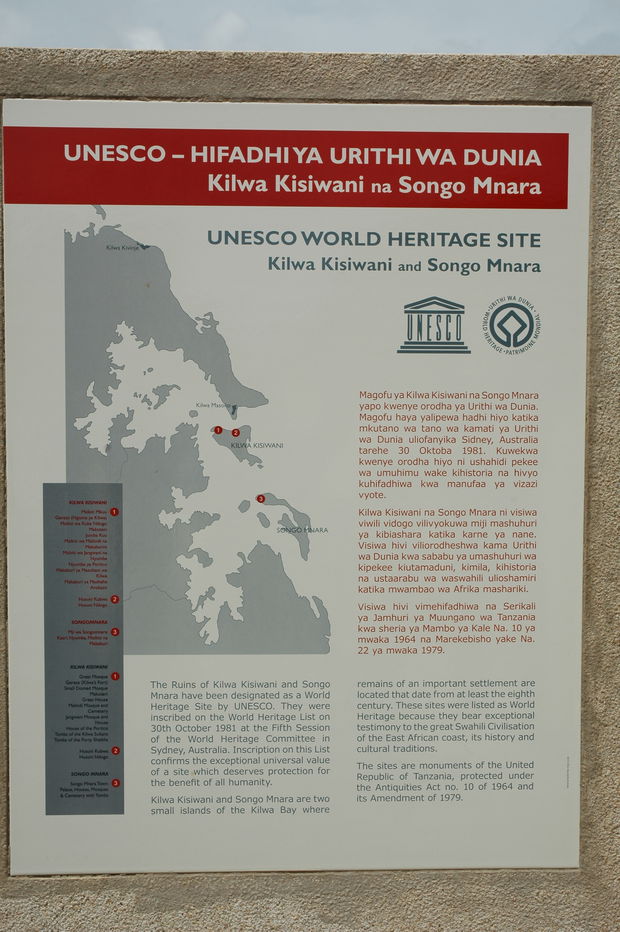
Tanzania is a land where stories are etched into landscapes, ruins, and living traditions. Its seven UNESCO World Heritage Sites invite travelers to journey through time — from the 3,000-year-old rock art of Kondoa to the spice-scented alleys of Stone Town, and the thundering spectacle of the Great Migration across the Serengeti.
These sites are more than destinations. They are bridges between ancient human history and raw natural wonder, offering a profound connection to the prehistoric soul of East Africa. Each visit is both an adventure and a lesson in heritage.
At Kijani Tours, we believe travel should be purposeful. Our journeys transform these landmarks into immersive, sustainable adventures. By exploring with us, you help reduce environmental impact, support local communities, and contribute to conservation efforts that protect Tanzania’s cultural and natural legacies for generations to come.
Share This Page