

The trail doesn't just take you up a mountain; it takes you into a secret that Northern Tanzania has been whispering for millennia. Beyond the postcard-perfect summit of Kilimanjaro lies a world where the air smells of wild jasmine and ancient moss, where stone-walled villages in the Pare Mountains still follow the rhythms of the moon, and where the "sky islands" of the Usambaras hide creatures found nowhere else on Earth. But...
Do Hyenas Hunt? Experience Africa’s Most Misunderstood Predator
Posted by Wolfgang on Sat March 21, 2026 in Predator Insights .
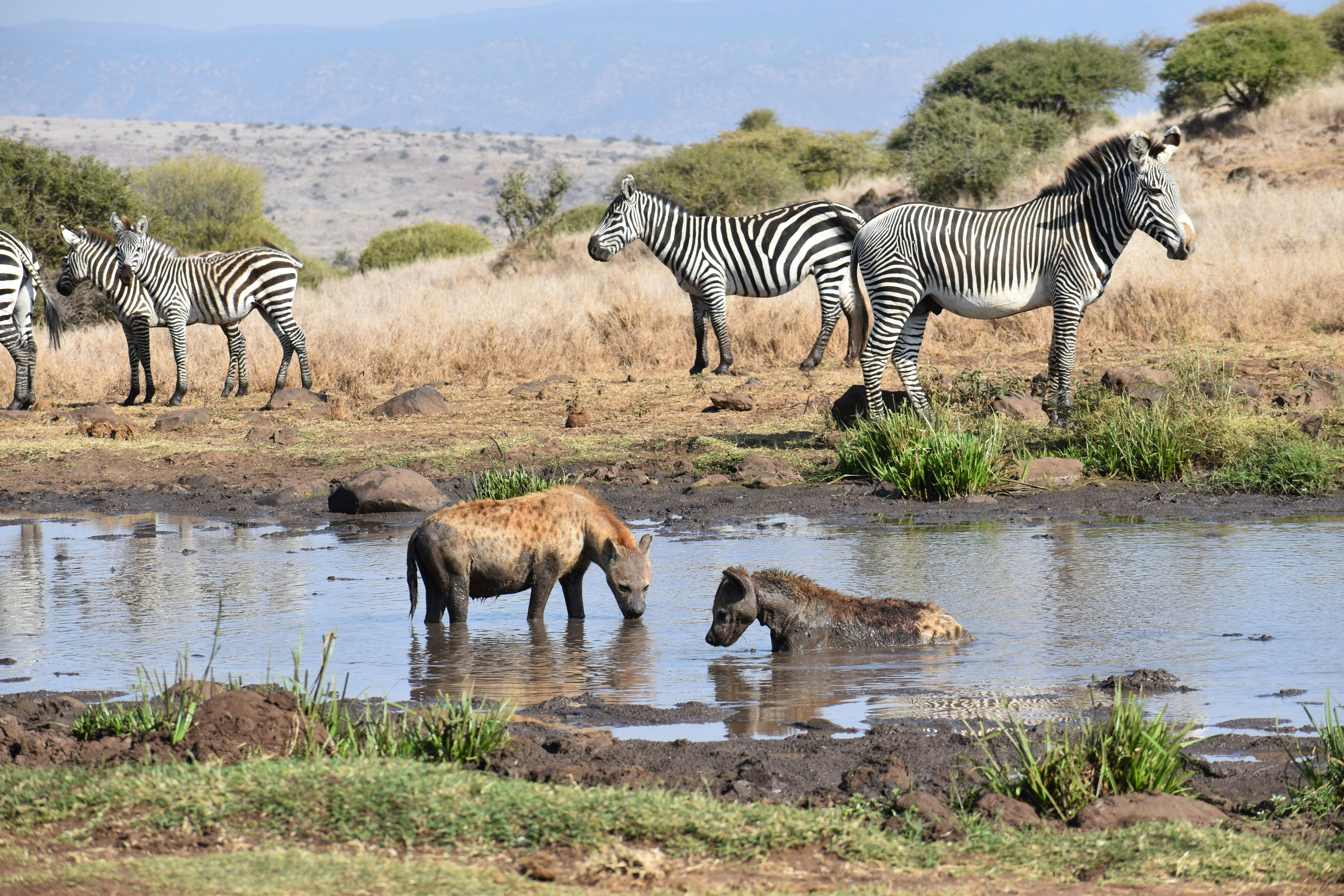
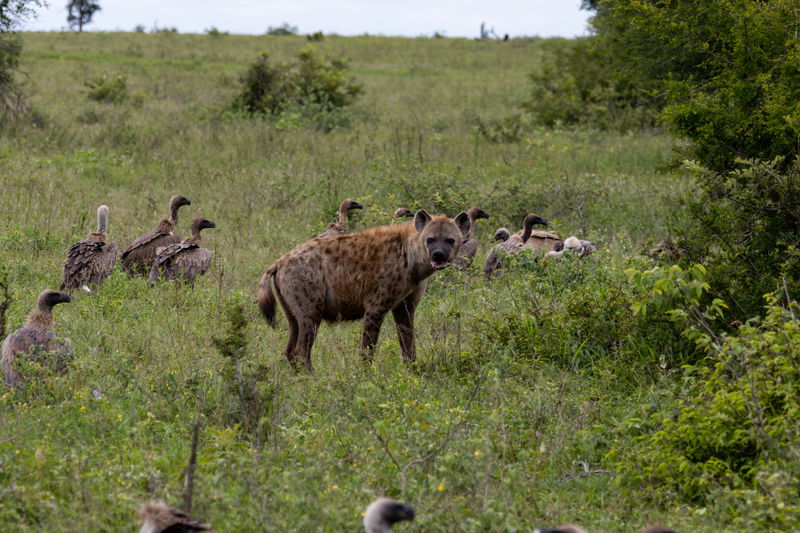
Think you really know hyenas? Picture this: under bright Serengeti sun, a lone hyena slips through the tall grass, focused on a herd of wildebeest. It’s not just some lazy scavenger you heard about. This animal hunts with smart tactics and sharp instincts. Sometimes it goes solo, sometimes the whole clan joins in. They track their prey, chase when it matters, and adapt on the fly. Fast thinkers, built for endurance, they are nothing like the myths.
Learning to hunt isn’t easy. Young hyenas mess up a lot before they finally get it right. The dominant females? They run the show and guide the clan with real confidence. When lions show up, hyenas don’t just muscle their way through; they read the situation, figure out a plan, and act accordingly. On a Kijani Tours safari, you feel this energy: tense standoffs, eerie calls echoing across the savanna, and the thrill of watching survival play out right in front of you.
Hyenas aren’t just hunters. They keep herbivore numbers in check, clean up carcasses, and stop disease from spreading. Still, thanks to old myths and superstitions, people tend to distrust them, even fear them. Changing that starts with guides, conservationists, and local support. Responsible tourism actually helps protect hyenas and the land they roam.
So, with Kijani Tours, you do more than watch from a distance. You get it. You see their quick thinking, stamina, and the raw force behind those wild calls. Suddenly, hyenas aren’t just a story or a punchline; they’re Africa’s most fascinating and misunderstood hunters, right there, alive before your eyes.
1. What if everything you thought you knew about hyenas was wrong?
Imagine the Serengeti bathed in early morning light. Gold grass, a lone male hyena way out there, moving with purpose. He is not a bumbling scavenger—he’s sharp, alert, and sizing up a herd of wildebeest. You can feel the tension even before he makes his move. He judges the distance, sniffs the wind, checks out how aware the herd is, and then suddenly, he launches. It is wild: dust flying, the chase happening fast, and against the odds, he takes down an animal much bigger than himself. Before breakfast, he’s eaten a third of his body weight.
Drop the scavenger label. This isn’t luck, it is grit and instinct, sharpened over ages. Seeing a hunt like this with Kijani Tours flips the whole story. Hyenas aren’t just the punchline in cartoons; they are relentless, clever hunters.
Stories and old documentaries never did them justice. Modern science is rewriting its reputation. Researchers in the Serengeti and Maasai Mara ecosystems see hyenas hunt, work in teams, and change strategies, right in front of them. When you’re actually there, textbooks start to feel real. The suspense, the tiny signals, the wild sounds—they are all part of the deal, and you witness the whole thing.
2. Myth versus Reality: More Than Scavengers
Hyenas earned their reputation through stories and myths, not their real behavior. For decades, nature documentaries showed them as sneaky followers at lion kills, their eerie cackles turned into a punchline. The real story is far more fascinating. Yes, hyenas scavenge, but so do lions, leopards, and nearly every top predator. In the wild, efficiency rules, and nothing goes to waste.
But this is where the narrative becomes incomplete.
Lions, leopards, scavenge too; nothing goes to waste out there. Scavenging is not a weakness. It is efficiency. It is survival. What sets hyenas apart is not their reliance on scavenging, but the fact that their hunting ability has long been underestimated. Modern field studies, particularly those conducted in ecosystems like the Serengeti and Maasai Mara, have reshaped our understanding completely. Hyenas are not passive followers. They are active participants in the predator hierarchy. They initiate hunts. They select prey. They execute strategies that rely on endurance, awareness, and social dynamics. The misconception persists because it is simple. The truth is more complex.
What truly stands out is how underrated their hunting game is. Scientists out in the Serengeti Mara Ecosystems have watched hyenas tracking prey, kicking off hunts, and sticking with it until they win. They rely on stamina, sharp senses, and serious teamwork. Hyenas don’t sit around waiting. They adapt and strategize in the moment. Their brains drive their success just as much as their muscle. When you are on safari, you notice little details, one hyena sniffing the wind, another pivoting to get the best angle, tiny moves setting up something big. Watching it click into place feels like nature’s survival manual playing out live.
3. Hyenas: Top Predators—Science Proves It
Research backs it up. Spotted hyenas hunt for most of their meals. Depending on the situation, solo or in groups, they are responsible for 43 to 95 percent of their food.
Here’s what makes them great hunters:
Hyenas are masters of endurance, pushing prey to the brink over miles of open savanna until fatigue turns the tide. Their power comes from seamless coordination, with small groups adjusting positions and tactics to bring down larger animals. At the same time, they stay remarkably flexible, sometimes stalking a target alone with quiet patience, other times moving as a pack with precise, adaptive teamwork. Their blend of stamina, intelligence, and strategy makes them one of Africa’s most formidable predators, a presence that commands both respect and fascination on safari.
It is one of those safari moments you never forget, the kind that makes your heartbeat quicken. Out on the plains, a hyena emerges from the grass, moving with precision and purpose. Sometimes it is a lone hunter testing the herd; other times the entire clan springs into action, moving together in a coordinated chase. What captures your attention is not raw power but strategy, sharp decision-making, and the way they communicate through subtle signals as if following an unspoken plan.
Your Kijani guide leans closer, pointing out the drama as it unfolds: the instant prey begins to tire, the shift as hyenas adjust their approach, the silent cues passing through the group. In that moment, science comes alive. The theory transforms into vivid reality, a performance of survival on the savanna. Each sighting becomes more than a view from a vehicle; it is a front-row experience of the intelligence, stamina, and adaptability of Africa’s most misunderstood predator.
4. Hyenas Hunt with Patience and It Pays Off
A hunt kicks off quietly. Hyenas scout, watching for weakness—a limp, distraction, age. One wrong step, and the hunt ends. Once they pick their target, they get serious. Hyenas lean on their stamina, not raw speed, chasing prey over long distances until the animal drops. A single hyena can handle medium-sized prey alone. But when they team up, the magic happens. Each one responds to the others, blocking escape routes like they are choreographed, but it’s all instinct. After the chase, who eats first? It comes down to their social order. Sometimes, you get a tense standoff. Sometimes, a quick pecking order. Rank, age, and feeding success shape a hyena’s life. Social rank influences growth, survival, and reproduction. High-ranking females and their offspring grow faster and reproduce earlier because they secure priority access to energy-rich, short-lived kills.
Juveniles face a long learning curve. They often hunt small or unusual prey and do not reach adult hunting skills until five to six years old, well after sexual maturity. This prolonged apprenticeship creates a compelling story for guests. Hyena cubs are not just cute; they are trainees mastering a demanding profession. Watching with Kijani Tours guides makes those subtle moments clearer. Every flick of a tail or pause actually means something. Even small details build up. You start seeing the urgency, sense the logic, and begin reading their moves yourself.
5. Hyenas versus. Lions—Who Rules?
Few relationships in the African savanna capture attention like the interaction between hyenas and lions. It is often framed as a simple hierarchy, with lions dominating and hyenas yielding. Reality presents a far more balanced dynamic. Lions possess physical strength and often control kills when present in sufficient numbers. Their ability to overpower competitors gives them a clear advantage in confrontations. Sometimes hyenas steal a kill back. Sometimes lions hold it. Both hunt, both scavenge, always switching up their tactics. On safari, you see survival is about brains as much as brawn. Kijani guides highlight the good stuff.
Hyenas adjust their formation, lions back off, and the clan shifts strategy in real time. It is a chess match, and you are sitting ringside. The savanna hums with anticipation. Your guide’s voice drops low, almost like a narrator weaving you into the moment. “Watch closely,” they say, as the hyenas shift their formation across the grass. One angle left, another cuts wide, and suddenly the herd stiffens. Lions linger nearby, but sensing the clan’s confidence, they ease back.
It feels less like chaos and more like a grand strategy unfolding, every move calculated, every adjustment deliberate. The guide leans in: “This is a chess match, played in real time.” And you, seated ringside in the open air, realize you’re not just observing wildlife. You’re witnessing intelligence, instinct, and survival collide in a living drama under the African sky.
6. Hyenas: Keeping the Savanna Balanced
Hyenas do more than hunt. They balance herbivore populations, preventing overgrazing and helping vegetation thrive. Their scavenging also plays a vital role in the ecosystem, removing carcasses that could spread disease and recycling nutrients back into the soil. Every action they take supports the health and rhythm of the savanna, making them essential caretakers of their environment. Every sighting isn’t just about drama. It is about seeing how the whole ecosystem hangs together. Hyenas tie it all back, and you can spot those relationships when you pay attention.
7. Safari: Seeing the Strategy Unfold
You hear the hyenas before you see them. An eerie call drifts across the grasslands, and subtle movement stirs among the shadows. They are always calculating—stalking, repositioning, adjusting to every shift in the herd. The animals sense something, tension ripples through the group, and suddenly, the hunt begins.
Everything happens fast. Dust rises in the fading light, softening the edges of the Serengeti and turning the open plains into a stage of shifting shadows and motion. The herd breaks formation, but the hyenas remain focused. One presses from behind, another sweeps across the flank, and a third waits, ready to cut off escape. Every movement carries intent. You sense the shift before you see it fully. One animal falters, just enough. In that instant, the balance tips. The clan closes in with precision and speed, their calls sharp and controlled, echoing across the savanna.
This is not chaos. It is timing, strategy, and coordination refined over generations. Within minutes, the frenzy settles. The herd regroups at a safe distance. Around the fallen prey, the hyenas find a new rhythm, alert and purposeful. The tension fades into a calm routine, broken only by the rustle of wings and the quiet sounds of feeding. Your heartbeat mirrors the rhythm of the hunt. What you witness is not violence, but survival—an intricate dance of intelligence, endurance, and instinct. Every signal of the landscape matters. Every pause and pivot tells a story.
On a Kijani Tours safari, you experience this without interference. Vehicles remain at a safe distance, engines fall silent, and the wild sets the pace. You watch the strategy unfold uninterrupted, every decision visible, every tactic readable. By the end, a fleeting hyena sighting becomes a front-row lesson in predator strategy, adaptation, and the raw intelligence of one of Africa’s most misunderstood predators.
8. Conservation Message: Changing Perception, Protecting Species
Misunderstanding hyenas puts them at greater risk. Myths, negative stories, and cultural beliefs fuel persecution through poisoning, trapping, and other harmful practices. In some local communities, hyenas are associated with witchcraft or considered omens, which can lead to fear, avoidance, or deliberate harm. These perceptions are deeply rooted in folklore and historical beliefs but do not reflect the ecological importance of hyenas. Seeing hyenas as vital predators changes this. Recognizing their role in maintaining ecosystem balance encourages protection rather than elimination.
Travelers can play a role in this shift. Guests who observe responsibly, support ethical tourism, and share accurate knowledge help reshape attitudes. Every encounter contributes to broader conservation efforts, protecting both wildlife and habitats. Every Kijani Tours safari supports this protection in tangible ways: anti-snare patrols remove traps and combat poaching, predator-proof enclosures safeguard livestock and reduce human-wildlife conflict, wildlife encounters are guided to minimize stress and preserve natural behavior, and tourism revenue funds conservation, education, and community development projects.
Watching responsibly, supporting genuine conservation initiatives, and sharing your experience all help shift public opinion. Every Kijani sighting is a chance to spread the truth about these animals, their ecological role, and why they matter. Your adventure is more than a thrilling experience. It actively sustains the ecosystem, strengthens community awareness, and ensures that hyenas and the wider savanna continue to thrive.
9. Hyenas Under Pressure: Climate Change and Shrinking Habitats
Imagine sitting in the savanna while your guide explains the challenges the landscape faces. The rains arrive late or vanish too soon. Drought stretches across the plains, grasslands thin, and waterholes shrink. Prey animals, gazelles, wildebeest, zebras, move farther away or decrease in number. For hyenas, every hunt demands more effort, more endurance, and more strategy. You watch a clan chase across the dust, and suddenly you see the truth: even the strongest hunters face limits. Young cubs, still mastering the art of the chase, struggle most when prey becomes scarce.
At the same time, human activity reshapes the land. Farms, roads, and settlements push deeper into wild spaces, squeezing hyenas into smaller territories and closer to people. Conflict emerges. Snares, poisoning, and retaliation for livestock losses threaten clans even at the edges of protected areas.
Hyenas respond. You observe them shift tactics, hunt at night, and scavenge wherever possible. Their resilience is extraordinary, but scientists warn that limits exist. Fragmented habitats and climate stress reduce clan sizes, disrupt social bonds, and weaken their survival prospects.
Watching this on safari transforms the experience. Every hunt becomes a story of endurance and adaptation against forces greater than tooth and claw. Responsible tourism supports solutions, protecting both predators and the delicate balance of the savanna they call home.
10. Final Thoughts: Meet Africa’s True Strategists
Every time you see a hyena, you are watching strategy in action. Intelligence, endurance, and social complexity come together in every move. Traveling with Kijani Tours means you leave those old myths behind. Instead, you pick up a real, fresh understanding. What used to be a cartoon blur becomes an eye-opening lesson in survival and balance. Out there, you don’t just watch hyenas. You experience the suspense and the sounds, and feel the wild energy. This is Africa that most people never see, but with Kijani, you get to know it fully.
Exploring Tanzania with Purpose: Travel, Connection, and Giving Back
Responsible Trekking in Moshi and the Eastern Arc Mountains
Sat February 21, 2026
Read This Article
Summit to Savannah: The Ultimate Kilimanjaro and Safari Combo
Thu February 19, 2026
Read This Article
Before dawn on Mount Kilimanjaro, every step toward Uhuru Peak is a test of will against thin alpine air. You move through five distinct ecosystems—rainforest, moorland, alpine desert, and arctic summit—until sunrise spills over Africa’s highest point. The climb demands resilience, but it offers something rare in return: clarity, strength, and a deep connection to the land. Days later, the stillness of the summit gives way to the sweeping plains of the...
Kilimanjaro for Seniors: A Safe and Steady Summit Guide
Sat February 7, 2026
Read This Article
A silver mist drifts through Lemosho’s mahogany glades, carrying the scent of damp earth and ferns. Your trekking poles press into the soft trail, each step intentional, each breath a conversation with the mountain. Unlike the rush of younger climbers chasing Kilimanjaro’s summit, this is a slow-paced climb designed for senior adventurers. At Kijani Tours, we believe a senior-friendly ascent is about seeing, feeling, and connecting. Our guides move with care, watching...
Share This Post