
Wildlife Survival Tactics
This category looks at how animals in the wild defend themselves against predators and environmental dangers by using collective tactics like bunching, herding, and coordinated movement. It emphasizes both learned and innate behaviors that improve group survival, such as alarm calls, migratory flocking, and elephant protective formations. The emphasis is on the social cohesiveness, intelligence, and adaptability that underlie nature's most potent defense mechanisms.
Elephant Herd Behavior: How Elephants Protect Each Other
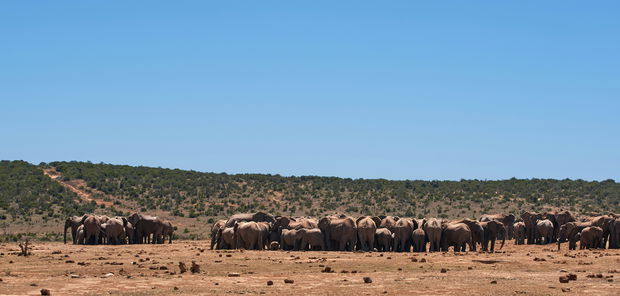
Elephant herds use a remarkable survival strategy known as “bunching,” in which adults gather closely together to protect the most vulnerable members of the group, particularly calves. This behavior showcases the herd’s intelligence, coordination, and emotional depth, offering a unique glimpse into the social lives of these majestic animals.
Bunching occurs when elephants sense a threat, whether from predators, environmental disturbances, or human presence. In these moments, adults instinctively tighten their formation, creating a nearly impenetrable wall while guiding calves and younger elephants safely to the center. This defensive posture minimizes risk and keeps the youngest members of the herd protected.
Bunching is not only a defensive measure—it also reinforces strong social bonds. Elephants gather closely during emotionally significant moments, such as periods of stress, grief, or even celebration. Through trunk touches, close physical contact, and coordinated movement, they demonstrate unity, empathy, and social intelligence that extend beyond simple survival instincts.
The significance of bunching reaches beyond immediate protection. It reflects the intelligence, emotional complexity, and cooperative nature of elephant societies. However, human pressures such as habitat loss, poaching, and past trauma increasingly disrupt these natural behaviors. In some herds, weakened cohesion reduces the effectiveness of bunching, leaving calves and other vulnerable members at higher risk.
For travelers, this behavior offers both awe and responsibility. By practicing responsible tourism and supporting conservation-minded safaris, visitors play an important role in protecting elephant families. Respectful observation helps preserve their social behaviors and contributes to the health of Tanzania’s ecosystems, ensuring that these extraordinary animals can continue their traditions for generations to come.

Share This Page