

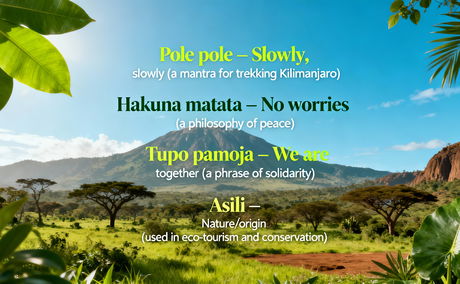
For the eco-conscious traveler, a trip to Tanzania is a quest for authentic connection. This article reveals that the most powerful tool for achieving this isn't found in your backpack, but in your voice: the Swahili language. Moving beyond basic phrasebooks, we explore how Swahili is your key to responsible and transformative travel. It's a language born of trade and cultural exchange, making it inherently welcoming. We uncover how using Swahili fosters...
Solo vs Group Kilimanjaro Climbs | Kijani Tours
Posted by Wolfgang on Tue December 9, 2025 in Solo vs Group Kilimanjaro Climbs.
Climbing Mount Kilimanjaro is a life-changing adventure, whether you choose to go solo or join a group. Solo climbs let you set your own pace, connect with your emotions, and enjoy quiet time for reflection. Guided group climbs offer motivation, friendship, and more affordable options. Both types of climbs include expert guides, porters, and full safety support, making your ascent safe and memorable. With popular routes like Lemosho, Machame, Rongai, and Northern Circuit, Kijani Tours ensures every climber enjoys stunning views, responsible trekking practices, and a journey that supports local communities. Whether you want solitude or a shared experience, your Kilimanjaro climb with Kijani Tours promises an unforgettable summit.
When planning your Kilimanjaro climb, one decision sets the tone for your entire adventure from the very first step: will you trek solo or join a group? This choice influences everything, including your pace, emotional rhythm, safety priorities, budget, and the memories you’ll bring back home.
In this guide, we present everything clearly and honestly.
We will start with the must-know basics, explore the real advantages and challenges of each option, and give you the full picture of Kilimanjaro’s routes and regulations. By the end, you will know exactly which path suits your style, comfort, and sense of adventure, allowing you to climb with confidence.
Solo vs Group Kilimanjaro Climbs: Find Your Perfect Journey
Solo/Private Kilimanjaro Climbs are for travelers who seek depth. This includes thoughtful wanderers, photographers looking for quiet beauty, spiritual seekers, and anyone who wants to go at their own pace. On a private climb, every moment feels personal. You control your speed, thoughts, and connection with the mountain. You receive full attention from your guide and have time to listen to yourself truly. The main challenges are the higher cost and the mental strength needed when the journey turns inward.
Group Kilimanjaro Climbs are for those who gain strength from others. This includes social explorers, budget-conscious trekkers, and climbers who enjoy sharing stories and energy. In a group, motivation flows easily, friendships form quickly, and the mountain feels lighter with laughter and support. The experience is lively and communal, but it requires matching a shared pace, embracing different personalities, and finding moments of solitude amid the group’s rhythm.
Solo vs Group Kilimanjaro Climbs
Solo climbs provide a chance for personalized pacing, quiet reflection, and meaningful moments at the summit. They are great for creatives, seekers, and travelers who want to reflect. Group climbs offer shared energy, companionship, and organized support. They work well for beginners, outgoing people, and those watching their budget. Knowing these differences helps you pick the climb that matches your style, goals, and Kilimanjaro experience.
What “Solo” Really Means on Kilimanjaro
No one climbs Kilimanjaro completely alone. Tanzanian National Park rules require every climber, whether solo or in a group, to hike with:
a) A licensed mountain guide
b) Porters (carrying equipment, tents, food)
c) A cook
d) Optional assistant guides
A “solo climb” means a private departure with no other clients. This allows for peace, space, and full control of your schedule, while still ensuring safety.
Why Travelers Choose Solo Kilimanjaro Climbs
1. Total Flexibility and Personal Pace
You stop when you want, move when you want, and eat when your body asks. Your guide adjusts everything to your rhythm: sunrise photos, quiet moments, slow climbs, and longer breaks.
2. Emotional Depth and Inner Clarity
Without group chatter, the mountain becomes a reflection of yourself. Many solo climbers say the experience is therapeutic, transformative, and spiritually grounding.
3. Closer Connection to Your Guide and Crew
Private climbs allow for meaningful cultural exchange. You can enjoy Chagga stories, mountain folklore, and build real connections.
4. Unshared Summit Silence
Standing at Uhuru Peak with no other trekkers nearby creates a rare, unforgettable memory.
The Balance: Solo climbs come at a higher cost, but offer unmatched privacy, personalized attention, and unique value.
Why Travelers Choose Group Kilimanjaro Climbs
1. Built-In Motivation and Shared Energy
During tough stretches, encouragement from teammates can be powerful. There is shared laughter, effort, and triumph.
2. More Affordable
Costs, such as camp setup, crew, and transport, are divided among the group.
3. New Friendships from Around the World
Groups mix travelers with different backgrounds and stories, creating a supportive atmosphere unique to Kilimanjaro.
4. Collective Summit Celebration
Reaching the Roof of Africa as a team is emotional, loud, and joyful. It is a moment filled with cheers, hugs, and sometimes tears.
The Balance: Group climbs follow a set pace and schedule for rests and breaks, leaving less flexibility for personal timing.
Cost, safety, flexibility, and motivation: What really matters?
Safety
Altitude treats every climber as an individual. Whether you are trekking solo or with a group, the right habits help you stay strong and steady all the way up. Walk pole pole (slowly), drink plenty of water, keep eating even when you don't feel hungry, rest whenever your body asks, and most importantly, listen to your guide. At Kijani Tours, your safety is our top priority. We check your oxygen levels every day and follow strict evacuation protocols when needed. You focus on climbing with courage. We will handle the rest.
When deciding between a solo or group Kilimanjaro climb, it really comes down to what feels right for you. A solo climb costs a bit more because you have your own dedicated crew. In return, you get total freedom to move at your own pace and shape the journey just the way you want. Group climbs are more affordable since everything is shared. While you’ll need to compromise here and there, you gain the incredible support of the community. Some climbers draw strength from their inner focus. Others thrive on the laughter, encouragement, and collective courage of a team. Neither path is better; they are just different ways of experiencing the same mountain with heart.
Best Kilimanjaro Routes for Solo and Group Climbs
Top Solo Routes
a) Lemosho Route: scenic, quiet, incredible acclimatization
b) Northern Circuit: longest, most peaceful, least crowded
c) Rongai Route: remote and gentle, perfect for introspective climbers
Top Group Routes
a) Machame (“Whiskey Route”): social, popular, dramatic scenery
b) Marangu (“Coca-Cola Route”): huts instead of tents, beginner-friendly
c) Lemosho Route: great balance for mixed-experience groups
Your Kilimanjaro climbing, Done Responsibly
At Kijani Tours, ethical climbing is not just a policy; it’s the heart of every journey we lead. We respect the mountain, the people, and the environment by paying fair wages to porters, enforcing a strict 20kg load limit, managing waste responsibly, and providing healthy, quality meals for both hikers and crew. We walk with great respect for the communities around Kilimanjaro and actively support conservation efforts that help the mountain recover and flourish. This is what Discover. Connect. Restore. truly represents—an adventure that benefits everyone and everything involved.
Routes, Regulations, and Why Guided Groups Are the Most Popular Choice
Most climbers choose guided group climbs, and it’s clear why. They are cheaper, offer social support, and focus on steady pacing and structured acclimatization. This helps everyone move safely toward the summit. Being part of this arrangement gives first-time trekkers a big confidence boost; they know they are part of a proven system aimed at success. While private climbs provide nice solitude and complete flexibility, group climbs are still the most accessible, encouraging, and uplifting way for many adventurers to tackle Kilimanjaro.
Final Thoughts: Solo or Group — Kilimanjaro Meets You on Your Journey
Climbing Kilimanjaro is more than just walking on a trail. It’s a bold journey into your own strength and resilience. Whether you hike alone and discover your inner rhythm and personal growth, or join a group to share laughter, support, and success, the mountain meets you where you are. Neither path is better; both are powerful, unforgettable, and life-changing. With Kijani Tours by your side, you climb safely, respect the mountain, support local communities, and create a journey that stays with you long after you return. It becomes a story of courage, connection, and achievement.
Summit Kilimanjaro with Confidence
Kijani Tours creates mindful Kilimanjaro climbs—solo or group—designed to inspire and transform.
Your Kilimanjaro Adventure Starts Here
Embark on your Kilimanjaro adventure with Kijani Tours. Solo or guided group climbs offer safe, ethical, and life-changing experiences to Africa’s highest peak.
Adventure with Impact: Experience Tanzania Through Kijani Tours
The Unifying Power of the Swahili Language in Tanzania
Tue October 28, 2025
Read This Article
Travel Deeper: How Cultural Respect Creates Truly Sustainable Tourism
Sun October 5, 2025
Read This Article
Travel Deeper: How Cultural Respect Creates Truly Sustainable Tourism 1) True sustainability goes beyond eco‑habits—it begins with a respectful mindset toward local cultures. 2) Cultural respect strengthens the three pillars of tourism: environmental protection, economic resilience, and socio‑cultural preservation. 3) Empowering communities as guardians, artisans, and storytellers ensures conservation and dignified livelihoods. 4) Travel becomes legacy‑building when it shifts from extraction to authentic human connection.
Wildebeest Birth Season: A Drama of Life and Survival
Sat October 4, 2025
Read This Article
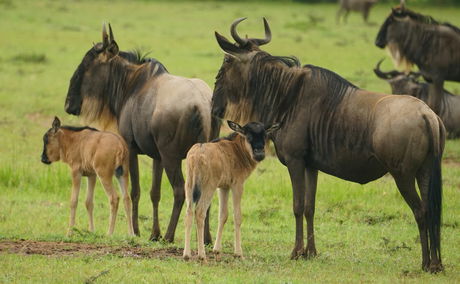
This blog explores the breathtaking drama of the wildebeest calving season in Tanzania’s southern Serengeti, where over 500,000 calves are born within a few short weeks between January and March. It highlights the synchronized birthing strategy known as predator satiation, which helps ensure survival by overwhelming predators, such as lions, cheetahs, and hyenas, with sheer numbers. The piece captures the emotional intensity of this natural phenomenon—where life and death unfold in real...
Share This Post