
The trail doesn't just take you up a mountain; it takes you into a secret that Northern Tanzania has been whispering for millennia. Beyond the postcard-perfect summit of Kilimanjaro lies a world where the air smells of wild jasmine and ancient moss, where stone-walled villages in the Pare Mountains still follow the rhythms of the moon, and where the "sky islands" of the Usambaras hide creatures found nowhere else on Earth. But...
Elephant Herd Behavior: How Elephants Protect Each Other
Posted by Wolfgang on Wed April 16, 2025 in Wildlife Survival Tactics.

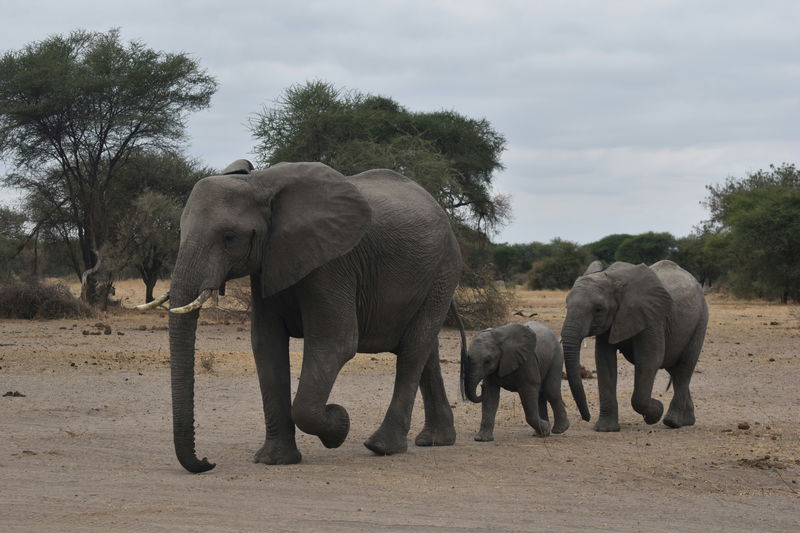
Elephant herds use a remarkable survival strategy known as “bunching,” in which adults gather closely together to protect the most vulnerable members of the group, particularly calves. This behavior showcases the herd’s intelligence, coordination, and emotional depth, offering a unique glimpse into the social lives of these majestic animals.
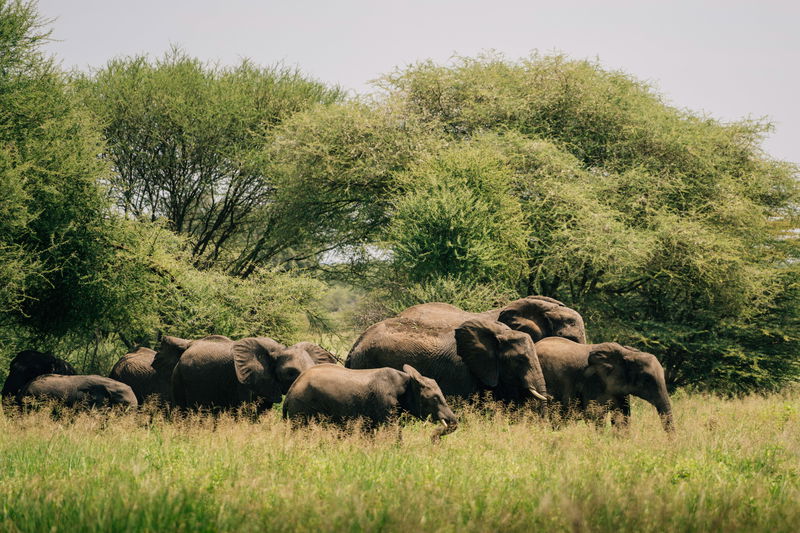
Bunching occurs when elephants sense a threat, whether from predators, environmental disturbances, or human presence. In these moments, adults instinctively tighten their formation, creating a nearly impenetrable wall while guiding calves and younger elephants safely to the center. This defensive posture minimizes risk and keeps the youngest members of the herd protected.
Bunching is not only a defensive measure—it also reinforces strong social bonds. Elephants gather closely during emotionally significant moments, such as periods of stress, grief, or even celebration. Through trunk touches, close physical contact, and coordinated movement, they demonstrate unity, empathy, and social intelligence that extend beyond simple survival instincts.
The significance of bunching reaches beyond immediate protection. It reflects the intelligence, emotional complexity, and cooperative nature of elephant societies. However, human pressures such as habitat loss, poaching, and past trauma increasingly disrupt these natural behaviors. In some herds, weakened cohesion reduces the effectiveness of bunching, leaving calves and other vulnerable members at higher risk.
For travelers, this behavior offers both awe and responsibility. By practicing responsible tourism and supporting conservation-minded safaris, visitors play an important role in protecting elephant families. Respectful observation helps preserve their social behaviors and contributes to the health of Tanzania’s ecosystems, ensuring that these extraordinary animals can continue their traditions for generations to come.
Discover the Hidden Power of Elephant Herds: The Protective Role of Bunching Behavior
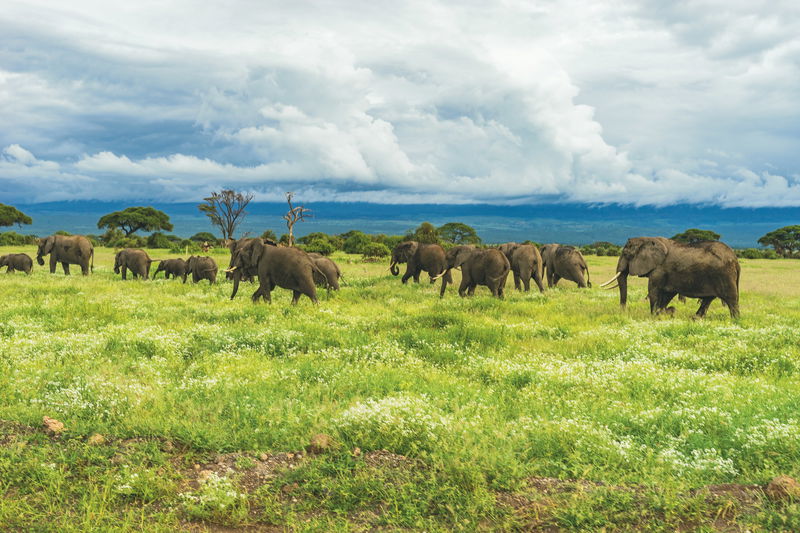
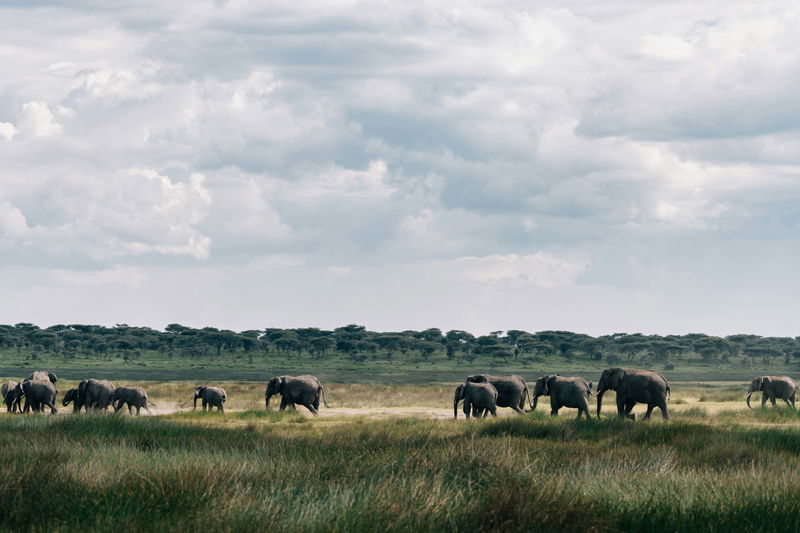
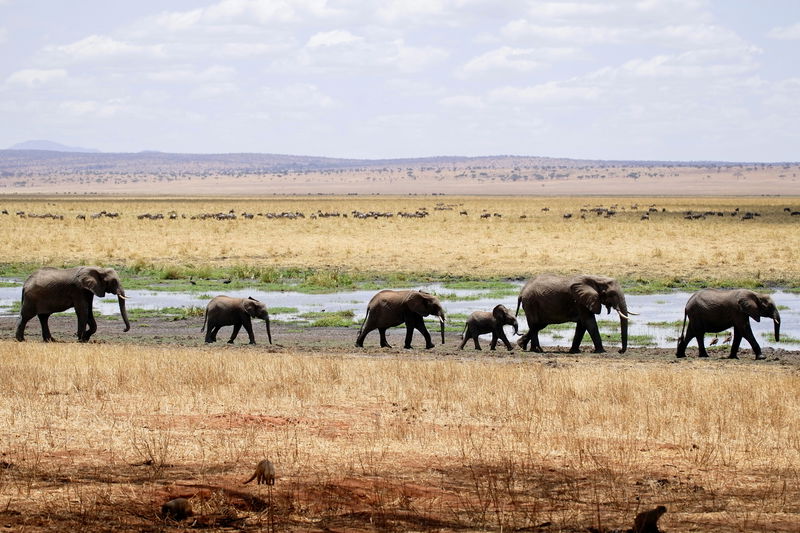
The morning light on the African savannah is a soft, forgiving gold, and if you search for elephant behavior in Tanzania, you will find scenes of slow, deliberate movement—matriarchs leading, calves trailing, families woven together by memory and care. Today, as we watch a herd cross a wide, open plain, a distant sound tightens the air. The matriarch lifts her head, ears spread, and the herd responds: adults close ranks, calves slip to the center, and a living ring forms. This is bunching, a quiet, powerful strategy of elephant family protection that reveals the intelligence, emotion, and social depth of Serengeti elephants. On a responsible safari, witnessing this behavior is both an education and a call to protect the fragile bonds that make it possible.
A Safari Moment: Witnessing Bunching in the Wild
We gently bring the vehicle to a stop and lower our voices. Our guide, a local with years of experience, gestures softly, letting the elephants lead the scene. The matriarch lifts her trunk, tasting the air for scents invisible to us. A distant vehicle hums, a jackal calls, and a breeze carries something unfamiliar across the plain. There is no panic—just a quiet, precise response from the herd.
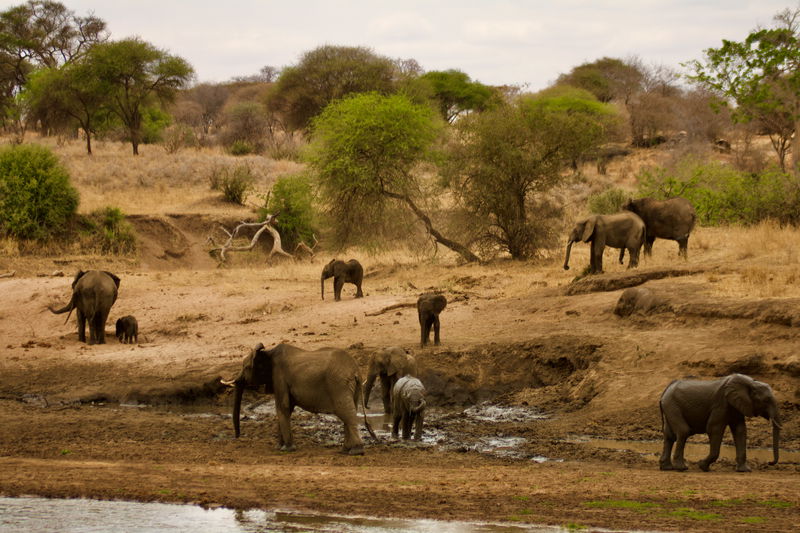
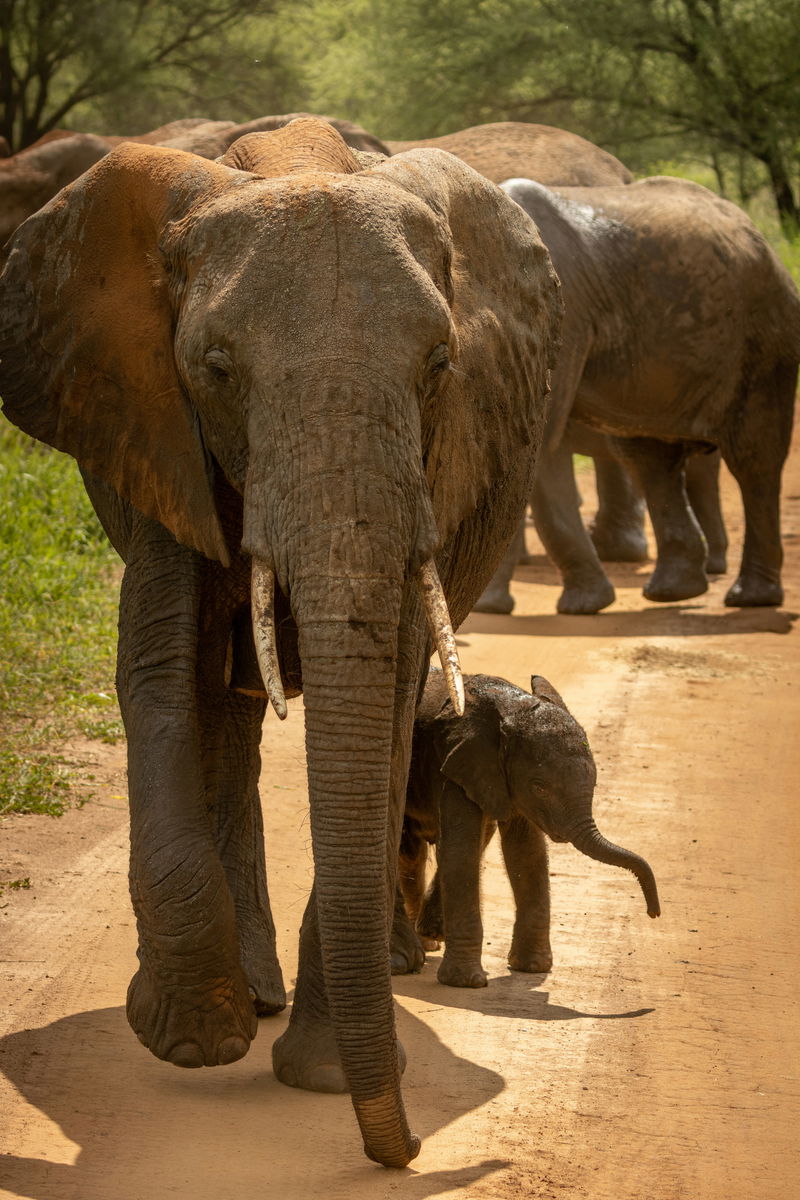
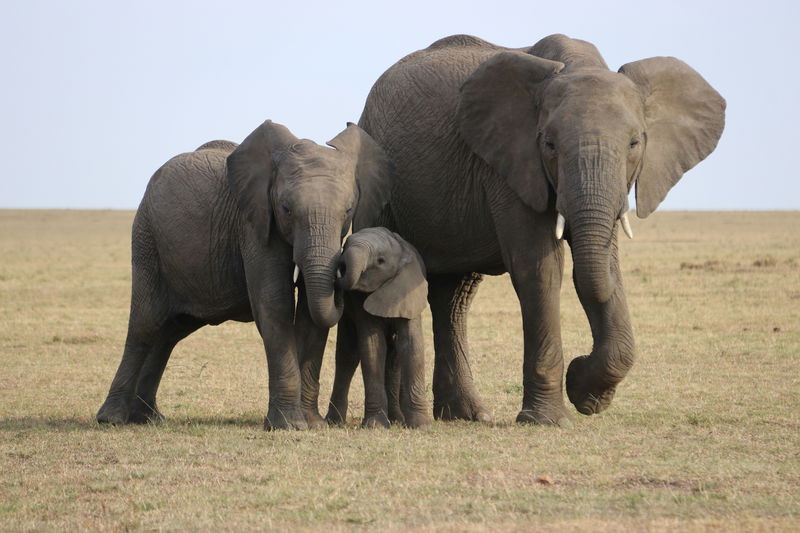
Young females step forward, their trunks intertwining, while calves slip safely to the center. The adults form a protective semicircle, tusks and shoulders out, trunks ready to touch and reassure. Watching from a respectful distance, it feels like peeking into a private world—a living lesson in memory, care, and social intelligence.
This is bunching in the wild: calm, intentional, and profoundly social. It is not simply instinct; it is learned over generations, guided by the matriarch whose experience keeps the herd safe. On a Kijani Tours safari, witnessing this is more than a sighting—it is an intimate education in elephant behavior and a vivid reminder of why thoughtful, responsible travel is vital for preserving these families and the landscapes they call home.
What Is Elephant Bunching? A Clear, Simple Definition
Bunching is a behavioral strategy in which adult elephants gather closely to place calves at the center of the group. It serves two primary roles:
A. Defensive formation during threats: Adults create a protective barrier around the most vulnerable members when predators, humans, or unfamiliar disturbances are nearby.
B. Social bonding during emotional moments: Herds also bunch during grief, stress, or celebration times when close contact and reassurance strengthen social bonds.
In plain terms, bunching is both armor and embrace. It reduces risk to calves and reinforces the herd’s emotional cohesion.
Why Elephants Bunch: Intelligence, Memory, and Emotional Life
Elephants are among the most socially complex mammals on Earth. Their brains support long-term memory, nuanced communication, and emotional processing. Bunching reflects several of these capacities:
A. Matriarchal leadership: The matriarch—often the oldest female—guides the herd using decades of knowledge about water, predators, and safe routes. Her decisions shape when and how the herd bunches.
B. Social learning: Younger females learn protective behaviors by watching and participating. Bunching is taught and practiced across generations.
C. Emotional intelligence: Elephants show behaviors consistent with grief, consolation, and joy. Bunching during a loss or stressful event is a form of communal comfort.
D. Communication: Close formation allows tactile signals (trunk touches), low-frequency rumbles, and chemical cues to pass quickly through the group, coordinating movement and calming calves.
These elements combine to make bunching an adaptive, culturally transmitted behavior—one that depends on stable family structures and experienced leaders.
The Mechanics of a Bunch: How the Herd Moves
When a herd senses a threat, the sequence is often subtle and precise:
A. Detection: The matriarch or a sentry female detects an anomaly—sound, scent, or movement.
B. Signal: A low rumble or a raised trunk signals attention. The herd’s posture changes: ears spread, heads lift.
C. Closure: Adults move inward, creating a ring or semi-circle. Calves are guided to the center by nudges and trunk touches.
D. Vigilance: Adults face outward, tusks and shoulders forming a barrier. Trunks remain active—ready to touch, push, or pick up a calf.
E. Resolution: If the threat passes, the herd relaxes; if it persists, the matriarch may lead a retreat to safer ground.
This choreography is efficient and minimizes exposure of calves to danger. It also allows the herd to communicate and make collective decisions quickly.
Common Questions Answered
A. What is elephant bunching?
Bunching is a protective and social behavior where adult elephants form a close formation around calves during threats or emotionally intense moments.
B. Why do elephants protect calves this way?
Placing calves at the center reduces their exposure to predators and danger. The formation also allows rapid communication and emotional support, which is essential for calf development and herd cohesion.
C. How does tourism affect elephant behavior?
In the heart of Tanzania’s savannah, every choice a traveler makes can ripple through the lives of the wildlife around them. Elephants, with their intricate social bonds and deep intelligence, are especially sensitive to how humans move through their world. When safaris are conducted responsibly, with small groups and low-impact vehicles, they become a force for good, supporting conservation, funding habitat protection, and empowering local communities. Guests are able to witness elephants’ natural behaviors up close, without disturbing the delicate rhythm of the ecosystem.
But the opposite is also true. Crowded viewing areas, vehicles that venture too close, or the roar of engines can stress a herd, triggering defensive behaviors such as bunching. These disruptions interfere with feeding, play, and the intimate care of calves, putting at risk the very social connections that define elephant societies.
At Kijani Tours, every safari is crafted with purpose. From the moment you enter the wild, your experience is guided by respect for the animals, their habitat, and the communities that call this land home. By traveling mindfully, you witness the emotional depth, intelligence, and unity of elephants while actively contributing to their protection and the health of Tanzania’s iconic savannahs. It is an adventure with awareness, a chance to explore, learn, and leave a positive mark on the wild landscapes you encounter.
The Matriarch: Memory, Leadership, and the Herd’s Cultural Knowledge
The matriarch leads with purpose, carrying the herd’s living memory. She remembers hidden water sources during dry seasons, knows the safest grazing routes, and senses threats before others detect them. When she signals a bunch, she responds to dangers she has encountered before or notices patterns younger elephants have yet to understand.
Poaching or culling that removes matriarchs disrupts this delicate wisdom. Herds lose critical knowledge, take riskier paths, and struggle to teach calves the skills they need to survive. Protecting matriarchs’ safeguards not just individual elephants, but the cultural knowledge that guides entire populations across generations.
On a Kijani Tours safari, witnessing a matriarch in action is more than a wildlife encounter; it is a lesson in leadership, memory, and the intricate bonds that sustain elephant families. Every responsible journey supports these powerful guardians of the savannah, ensuring their knowledge endures, and the wild landscapes of Tanzania remain vibrant for generations to come.
Emotional Lives: Grief, Consolation, and the Social Heart of the Herd
Elephants grieve in ways that reveal their profound emotional depth. When a member of the herd dies or suffers injury, the family gathers close, touching bones and tusks with gentle curiosity, murmuring low rumbles that carry care and reassurance. Bunching in these moments does more than protect—it provides communal comfort. Trunks entwine, bodies press together, and the herd creates a living circle of support that speaks to their intelligence, empathy, and strong social bonds.
Understanding this emotional complexity is essential for conservation. Trauma from poaching, habitat loss, or repeated human disturbance leaves lasting effects. Herds under chronic stress alter their movements, heighten vigilance, and weaken the bonds that nurture calves. These changes threaten survival and reduce the herd’s ability to navigate the challenges of a changing environment.
On a Kijani Tours safari, witnessing these moments brings travelers closer to the living heartbeat of the savannah. Every mindful journey contributes to protecting elephant families, their social connections, and the fragile ecosystems they rely on, ensuring these remarkable creatures continue to teach us about intelligence, compassion, and resilience in the wild.
Habitat Loss and Poaching: Breaking the Circle
Bunching evolved in landscapes where family groups could remain intact and move freely. Today, human pressures fragment those landscapes:
A. Habitat loss: Fences, farms, and roads break migration corridors and isolate herds. Fragmentation reduces access to seasonal resources and separates calves from extended family networks.
B. Poaching: The removal of older elephants—often the most experienced leaders—erodes cultural knowledge and destabilizes social structures.
C. Human–elephant conflict: As elephants and people compete for land and water, encounters can become dangerous for both sides, prompting defensive behaviors and retaliatory measures.
These pressures do more than reduce numbers; they change behavior. Herds under chronic stress may bunch more frequently, move less predictably, and lose the social learning that ensures calf survival.
Long-Term Psychological Effects on Elephant Groups
Trauma in elephant societies accumulates. Repeated disturbances—poaching events, habitat fragmentation, or persistent human presence—can lead to:
A. Heightened vigilance: Herds become more reactive to benign stimuli, increasing energy expenditure and reducing feeding time.
B. Social fragmentation: Loss of key individuals can lead to smaller, less cohesive groups that struggle to teach calves.
C. Behavioral changes: Altered movement patterns, avoidance of traditional routes, and increased nocturnal activity to avoid humans.
D. Reduced reproductive success: Stress can affect fertility and calf survival, slowing population recovery.
Understanding these long-term effects is essential for conservation strategies that aim not only to protect numbers but to preserve the social fabric that sustains elephant populations.
Responsible Safari Travel: How Tourists Can Help
Travelers play a vital role in elephant conservation. Ethical choices on safari reduce stress for wildlife and support long-term protection. Here’s how responsible safari travel makes a difference:
A. Keep a respectful distance: Observing from afar prevents elephants from feeling cornered or threatened.
B. Limit vehicle numbers: Fewer vehicles around a herd reduce noise and visual disturbance.
C. Follow guide instructions: Experienced guides read elephant body language and withdraw before stress escalates.
D. Choose Kijani Tours as your conservation-minded operator: we have invested in local communities, anti-poaching efforts, and habitat protection create incentives to preserve wildlife.
E. Support community projects: Tourism that benefits local people reduces conflict and builds local stewardship for elephants.
When travelers act responsibly, their presence becomes a force for protection rather than disturbance.
How Guides Prevent Stress-Triggered Bunching
A skilled guide is the herd’s best ally from the vehicle. Guides trained in elephant behavior use subtle cues to minimize stress:
A. Reading body language: Signs like ear position, trunk movement, and head posture indicate rising tension.
B. Maintaining distance: Guides know the safe viewing radius and will reposition the vehicle if elephants show signs of agitation.
C. Limiting engine noise: Turning off engines during long observations reduces disturbance.
D. Educating guests: Quiet, informed commentary helps guests understand why distance matters.
E. Coordinating with other vehicles: our responsible guides communicate to avoid crowding a single herd.
These practices reduce the likelihood of unnecessary bunching and ensure that observations are safe and respectful.
Conservation Solutions That Protect Herd Cohesion
Protecting elephant families requires a mix of ecological, social, and policy solutions:
A. Corridor protection: Securing migration routes keeps herds connected to seasonal resources and extended family networks.
B. Community-based land planning: Working with local people to create land-use plans that reduce conflict and provide economic benefits from wildlife.
C. Anti-poaching efforts: Protecting matriarchs and older elephants preserves cultural knowledge and leadership.
D. Conflict mitigation: Non-lethal deterrents, early-warning systems, and compensation schemes reduce retaliatory killings.
E. Research and monitoring: Long-term studies of herd behavior inform adaptive management and help measure the success of interventions.
These strategies work best when they are locally led and supported by sustainable tourism that channels benefits to communities and conservation.
The Role of Conservation-Minded Operators
Operators that prioritize ethical viewing and community partnerships create a positive feedback loop: tourists fund conservation, communities benefit economically, and elephants gain protection. Key practices include:
A. Training local guides: Investing in local expertise ensures that wildlife is observed with cultural sensitivity and ecological knowledge.
B. Supporting local projects: Funding education, healthcare, and conservation initiatives builds local support for wildlife protection.
C. Adopting low-impact policies: Limiting vehicle numbers, enforcing viewing distances, and promoting quiet observation reduce stress on animals.
D. Transparency and accountability: Reporting on conservation contributions and community investments builds trust with travelers.
Choosing Kijani Tours means your safari becomes part of a broader conservation solution.
Kijani Tours: A Bridge Between Travelers and Conservation
At Kijani Tours, our safaris are designed to be both immersive and responsible. We believe that witnessing behaviors like bunching should deepen understanding, not disturb it. Our approach includes:
A. Local guides trained in elephant behavior who prioritize animal welfare and guest safety.
B. Small-group safaris that reduce pressure on wildlife and create meaningful experiences.
C. Community partnerships that support land-use planning and local livelihoods.
D. Conservation contributions that fund anti-poaching patrols and habitat protection.
We do not position ourselves as saviors; we see our role as a bridge—connecting travelers to the landscapes and people who protect them, and ensuring that every visit supports long-term conservation.
Stories from the Field: Learning from the Herd
On one morning in Tarangire, a young bull separated from a family group and approached a roadside village. The matriarch’s memory of a dry-season waterhole guided the herd away, and the calves were kept close until the danger passed. In another season, a herd that had lost a matriarch to poaching showed signs of disorientation—shorter migrations and increased conflict with people. These stories are not isolated; they are the lived consequences of how human actions shape elephant behavior.
Each encounter on safari is an opportunity to learn: about leadership, about the cost of trauma, and about the resilience of social bonds when given space to heal.
How Research Informs Conservation
Long-term studies of elephant populations in Tanzania and across Africa have revealed the importance of social structure for survival. Research shows that:
A. Older females improve calf survival by teaching safe routes and water sources.
B. Stable family groups have higher reproductive success and better responses to threats.
C. Trauma and fragmentation lead to measurable changes in movement and social behavior.
These findings guide conservation priorities: protect matriarchs, secure corridors, and reduce human disturbance to preserve the social fabric of elephant societies.
Practical Tips for Travelers Who Want to Make a Difference
If you want your safari to be meaningful and protective of elephant families, consider these actions:
A. Book with operators who demonstrate conservation impact.
B. Respect viewing distances and follow guide instructions.
C. Learn about local conservation challenges and support community projects.
D. Share accurate stories about elephant behavior to raise awareness.
E. Choose low-impact travel options and offset your footprint where possible.
Small choices add up. Responsible travelers help ensure that bunching remains a natural response to wild threats—not a reaction to human disturbance.
The Future of Elephant Families in Tanzania
The future of Serengeti elephants and other Tanzanian populations depends on integrated solutions: protected corridors, community engagement, anti-poaching enforcement, and tourism that funds conservation. Preserving the social structures that enable behaviors like bunching is as important as protecting numbers. When herds remain intact, matriarchs survive, and landscapes remain connected, calves learn the skills they need to thrive.
Conservation is not a single action but a long-term commitment. It requires patience, local leadership, and travelers who understand that their presence can be a force for good.
A Quiet Promise: How We Leave the Plains
The herd relaxes. Calves emerge from the center, trunks exploring the air and each other. The matriarch lowers her head and leads them back into the grass. Watching them, we feel the weight of what we have seen: a living circle of care, memory, and resilience.
If you travel to Tanzania, let your visit be a quiet promise. Keep distance, listen to local guides, and choose operators who invest in conservation and community. Support policies and projects that protect corridors and matriarchs. Share what you learn with others so that the next generation of travelers understands the responsibility that comes with witnessing such intimacy.
Bunching is more than a survival tactic; it is a lesson in social intelligence and care. Protecting elephant families means protecting the landscapes, laws, and people who keep those lessons alive. Travel thoughtfully, and you will not only witness the quiet circle on the plain—you will help ensure it endures.
Exploring Tanzania with Purpose: Travel, Connection, and Giving Back
Eco‑Hiking Moshi and the Eastern Arc: Responsible Trekking Guide 2026
Sat February 21, 2026
Read This Article
Summit to Savannah: The Ultimate Kilimanjaro and Safari Combo
Thu February 19, 2026
Read This Article
Before dawn on Mount Kilimanjaro, every step toward Uhuru Peak is a test of will against thin alpine air. You move through five distinct ecosystems—rainforest, moorland, alpine desert, and arctic summit—until sunrise spills over Africa’s highest point. The climb demands resilience, but it offers something rare in return: clarity, strength, and a deep connection to the land. Days later, the stillness of the summit gives way to the sweeping plains of the...
Kilimanjaro for Seniors: A Safe and Steady Summit Guide
Sat February 7, 2026
Read This Article
A silver mist drifts through Lemosho’s mahogany glades, carrying the scent of damp earth and ferns. Your trekking poles press into the soft trail, each step intentional, each breath a conversation with the mountain. Unlike the rush of younger climbers chasing Kilimanjaro’s summit, this is a slow-paced climb designed for senior adventurers. At Kijani Tours, we believe a senior-friendly ascent is about seeing, feeling, and connecting. Our guides move with care, watching...
Share This Post