

Introduction: Journey to the Heart of Tanzania There is something about Tanzania that refuses to stay behind when you leave. You carry it home without meaning to. The low rumble of hooves across the plains of the Serengeti. The sharp, cold breath of air near the top of Mount Kilimanjaro. The way the light settles over Lake Tanganyika at sunrise, turning the surface into hammered silver. Weeks later, a warm breeze hits...
Ngorongoro Conservation Area Guide: Wildlife, Crater Tours and Travel Planning
Posted by wolfgang on Wed February 25, 2026 in Ngorongoro Conservation Authority Insights.
The Ngorongoro Conservation Area rises from the northern Tanzanian highlands as one of Africa’s most layered landscapes. Here, volcanic geology shaped a vast caldera, wildlife adapted to enclosed grasslands and permanent springs, Maasai pastoralists continue centuries-old grazing traditions, and some of the earliest evidence of human evolution lies preserved in nearby sediment. Few destinations integrate ecology, anthropology, and living culture with such clarity.
When you stand on the rim of the Ngorongoro Crater at sunrise, you do not simply look down at wildlife. You observe a functioning ecological system. Lions patrol territories defined by prey density. Elephants navigate forest corridors shaped by groundwater flow. Flamingos respond to alkaline lake chemistry influenced by seasonal rainfall. Each sighting reflects a deeper process.
This guide provides a comprehensive framework for understanding and planning a visit to Ngorongoro in 2026 and beyond. It integrates wildlife behavior, highland trekking routes, Olduvai Gorge archaeology, Laetoli footprints, Gol Mountain vulture ecology, climate change implications, and practical logistics. The goal is not only to inform but to equip you with insight that transforms a safari into an informed, responsible, and strategically planned journey.
At dawn, the rim of the Ngorongoro Conservation Area feels suspended between sky and earth. Cold highland air brushes your face as mist drifts across the vast caldera below. Then the sun rises, and the crater floor slowly reveals itself — open grasslands stitched with acacia forest, silver marshes glinting in early light, and distant silhouettes of buffalo already grazing.
That first view changes people.
Ngorongoro does not impress through spectacle alone. It commands attention because everything here connects — geology, wildlife, water, culture, and human origins. You do not simply visit Ngorongoro. You step into a functioning ecological system shaped by volcanic collapse, seasonal rainfall, predator strategy, pastoral knowledge, and climate resilience.
This guide brings all of it together. It explores wildlife behavior inside the crater, hiking routes across the highlands, ancient human footprints at Laetoli, fossil discoveries at Olduvai Gorge, vulture breeding cliffs in the Gol Mountains, the moving Shifting Sands, and the living Maasai culture that continues to shape this landscape. It also addresses climate change, conservation funding, practical planning, and responsible travel from 2026 onward.
If you want more than a checklist safari, Ngorongoro offers depth
How the Crater Was Born — And Why That Matters Today
Millions of years ago, a towering volcano dominated this region of northern Tanzania. When it erupted and collapsed inward, it left behind what we now know as the Ngorongoro Crater — the largest intact volcanic caldera on Earth.
That collapse created a contained basin roughly 260 square kilometers wide, enclosed by walls rising more than 600 meters high. Rainwater accumulated inside. Volcanic ash enriched the soil. Grasses flourished. Springs emerged. Over time, this bowl-shaped landscape evolved into one of Africa’s most concentrated wildlife habitats.
The crater’s geography limits large-scale migration. Unlike the Serengeti plains, animals here do not move hundreds of kilometers seasonally. Many species remain year-round because water persists even in dry months. This stability creates unusually dense predator and prey populations in a compressed space.
When you descend into the crater, you enter a self-contained ecosystem where ecological processes unfold in plain view.
A Morning on the Crater Floor
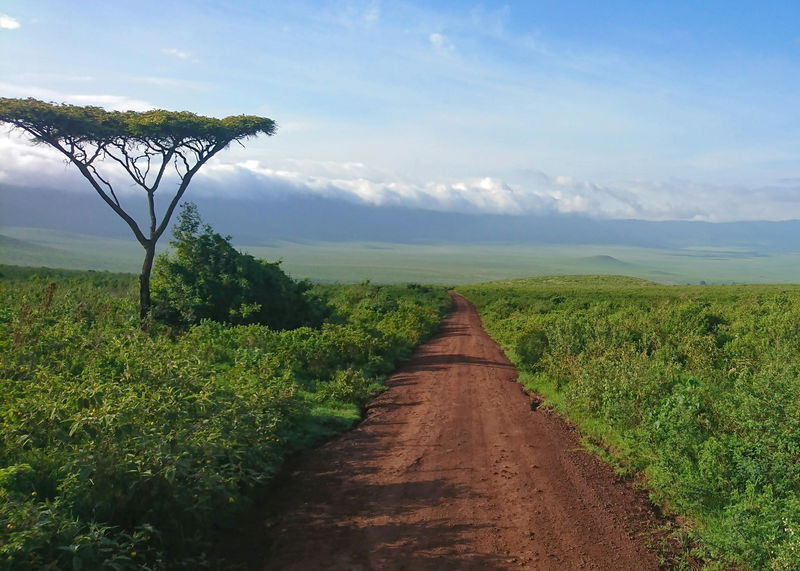
The descent road curves sharply down the crater wall. As your vehicle drops through layers of forest, the temperature shifts noticeably. The air grows warmer. Bird calls intensify. Then the forest opens, and grasslands stretch across the basin.
Wildlife density becomes immediately apparent.
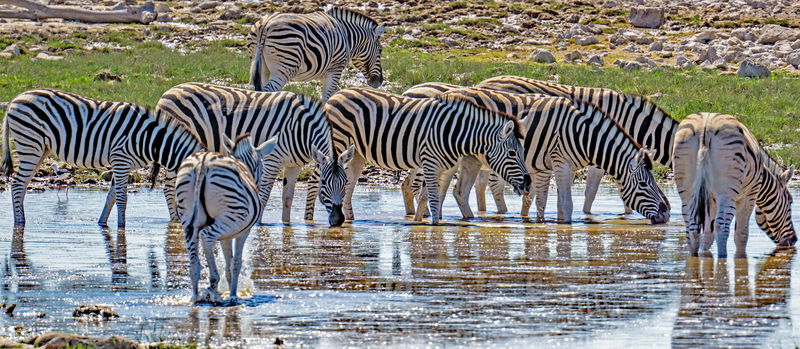
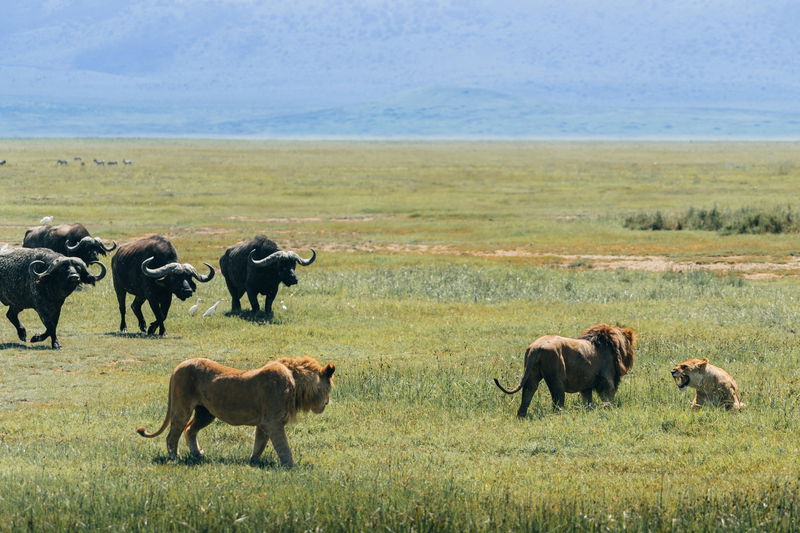
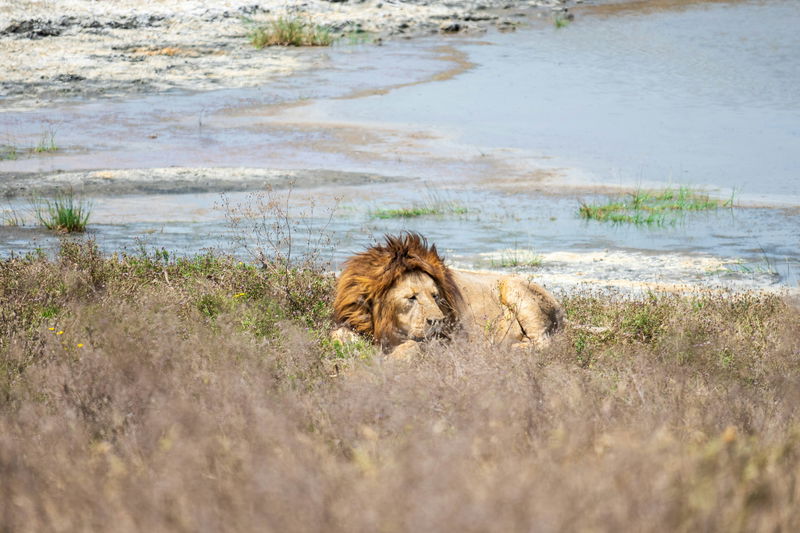
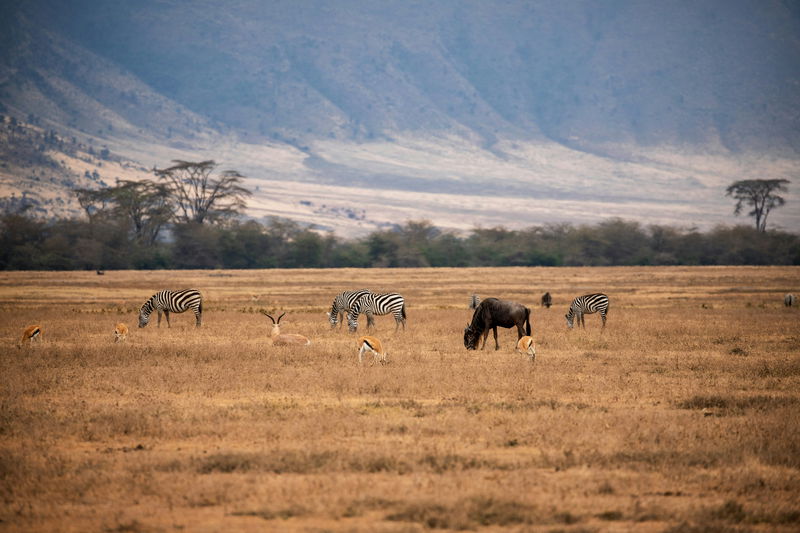
Buffalo graze in large herds, their dark forms scattered across the plains. Zebras move in loose formations nearby. Wildebeest cluster in smaller groups. Farther out, a pride of lions lies in the short grass, cubs batting playfully at each other while lionesses scan the horizon.
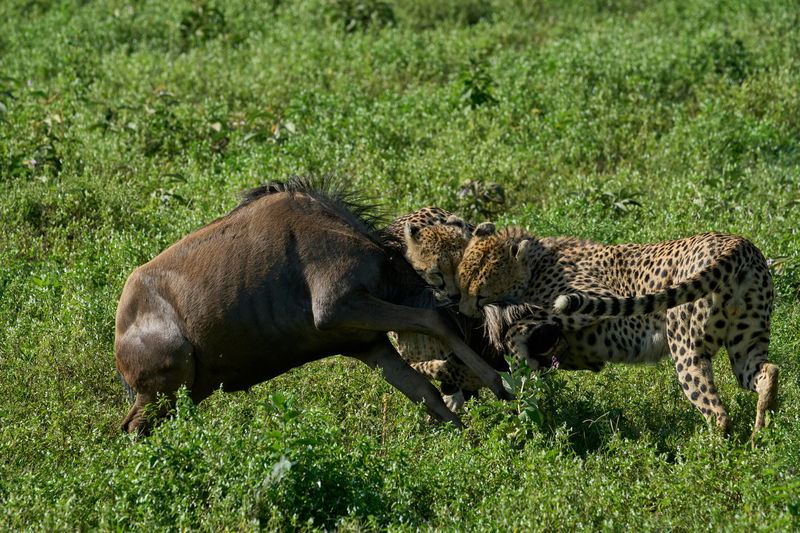
Because prey remains abundant year-round, lion territories inside the crater are smaller than those in open ecosystems. This compression increases the likelihood of witnessing pride interactions, boundary tension, and cooperative hunting behavior.
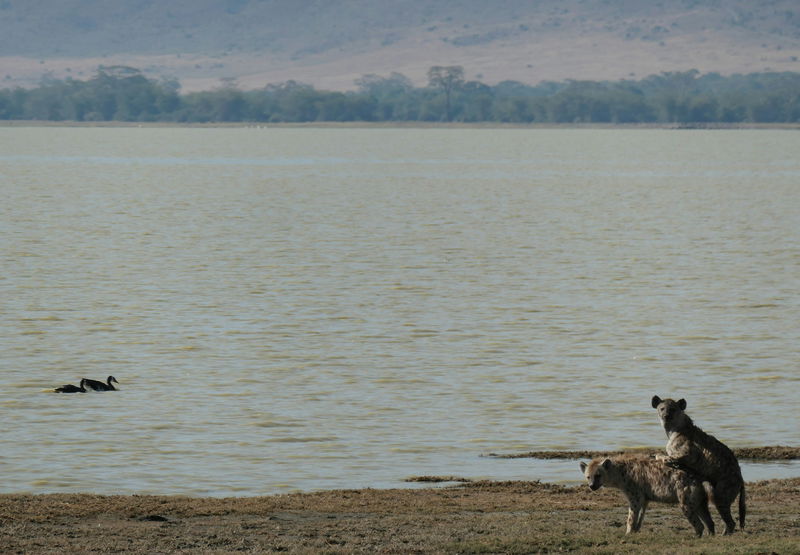
Hyenas patrol the landscape with deliberate focus. Watch closely, and you may observe clan greeting ceremonies — individuals reinforcing hierarchy through posture, scent marking, and vocal exchange. These social rituals reveal intelligence and structure rarely appreciated in passing sightings.
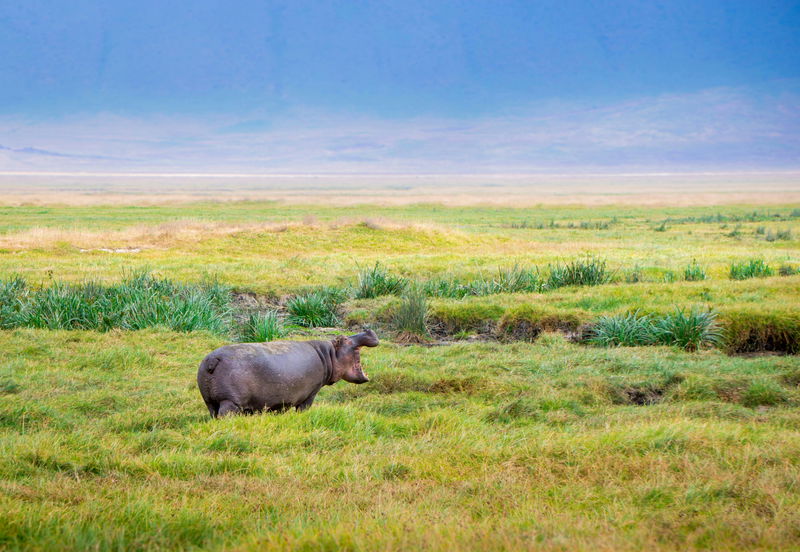
In the Lerai Forest sector, elephants move with quiet authority beneath yellow-barked acacia trees. Mature bulls often favor this shaded zone where groundwater sustains vegetation. Meanwhile, hippos crowd into permanent pools, their grunts echoing across the marsh as they defend small territories during dry spells.
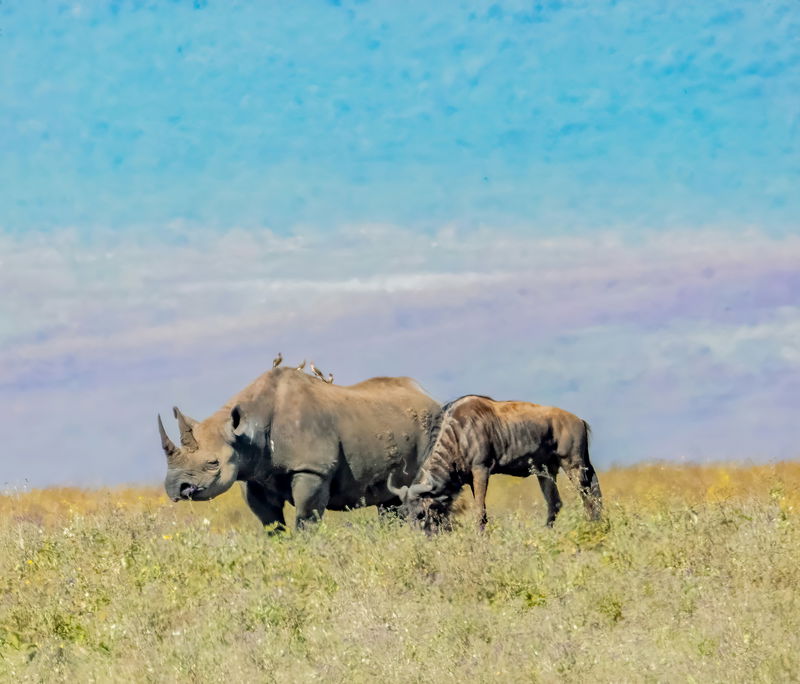
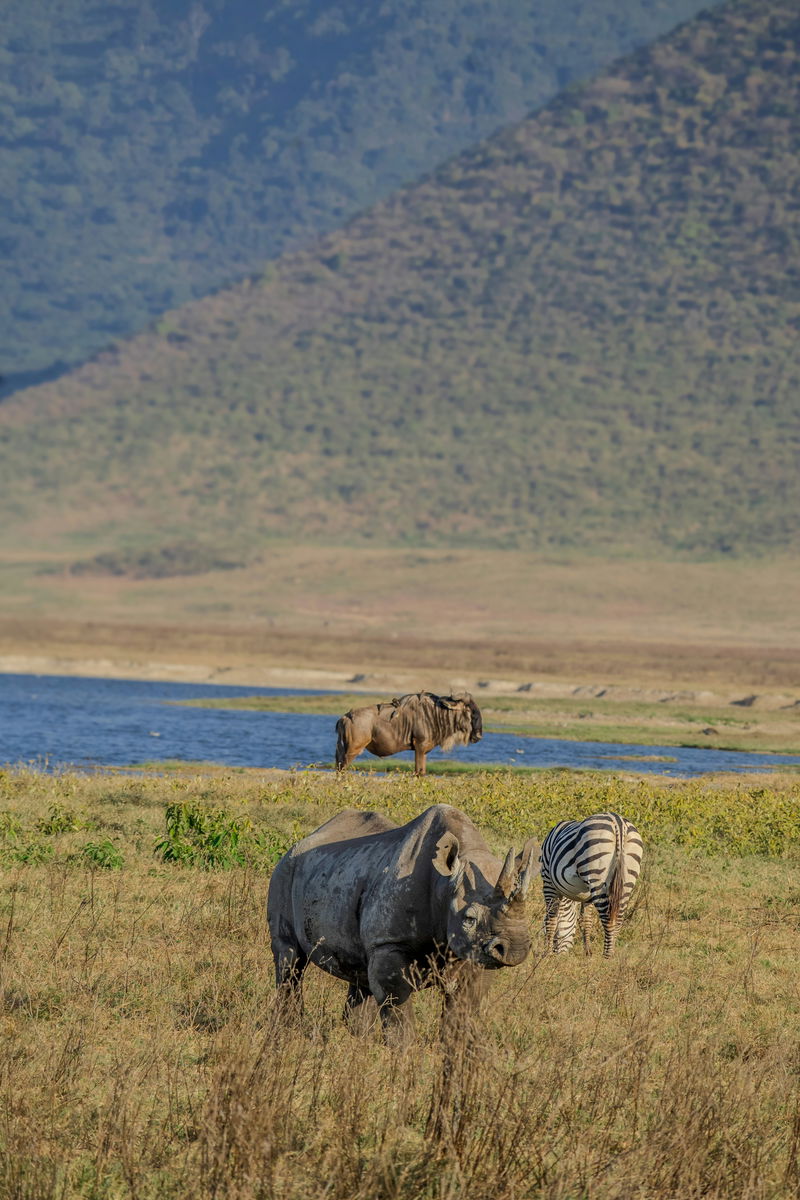
One of Ngorongoro’s greatest conservation successes appears unexpectedly: the endangered black rhino. Strict monitoring and anti-poaching enforcement have stabilized a small but significant population inside the crater. Spotting one grazing in the distance offers more than excitement — it signals the power of coordinated conservation.
The crater does not offer random wildlife encounters. It reveals relationships shaped by water, grass growth, and terrain.
The Seasons and What They Change
Ngorongoro delivers strong wildlife viewing throughout the year, yet seasonal shifts subtly influence behavior and visibility.
During the dry season from June to October, grasses shorten, and water sources outside the crater diminish. Wildlife concentrates near permanent water inside the basin. Predator sightings increase because prey density rises in predictable zones. Clear skies and golden light create ideal photography conditions.
During the green season from November to May, rains transform the landscape into vibrant shades of green. Flamingos gather when soda lake levels rise. Herbivores give birth, especially between December and February. Calving season introduces vulnerability, and predators respond accordingly.
Rainfall variability in recent years has altered timing slightly, yet the crater’s permanent springs continue to sustain wildlife even when the surrounding areas dry.
For travelers planning a Ngorongoro safari, both seasons offer exceptional experiences. The choice depends on preferred atmosphere: dramatic dryness or lush abundance.
Walking the Ngorongoro Highlands
Most visitors experience Ngorongoro only by vehicle. Yet the highlands surrounding the crater offer guided walking safaris that change your perspective entirely.
The Ngorongoro Highlands rise along volcanic ridges and open plateaus. Armed rangers accompany hikes for safety, allowing you to move quietly across terrain where zebra, eland, and gazelle graze at eye level.
Walking reveals details invisible from a vehicle. You notice soil texture underfoot. You observe how grasses change with elevation. You feel wind direction and temperature variation along ridgelines.
Raptors circle overhead, riding thermals created by escarpment heat. Maasai herders guide livestock across distant slopes, adjusting routes according to rainfall patterns. Their seasonal mobility reflects deep ecological knowledge built over generations.
Hiking here connects conservation science with lived tradition.
Empakaai Crater — Silence and Flamingos
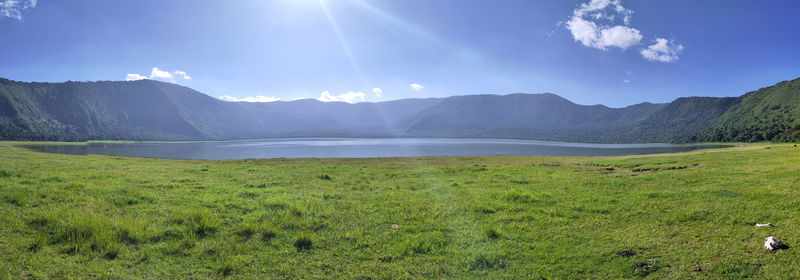
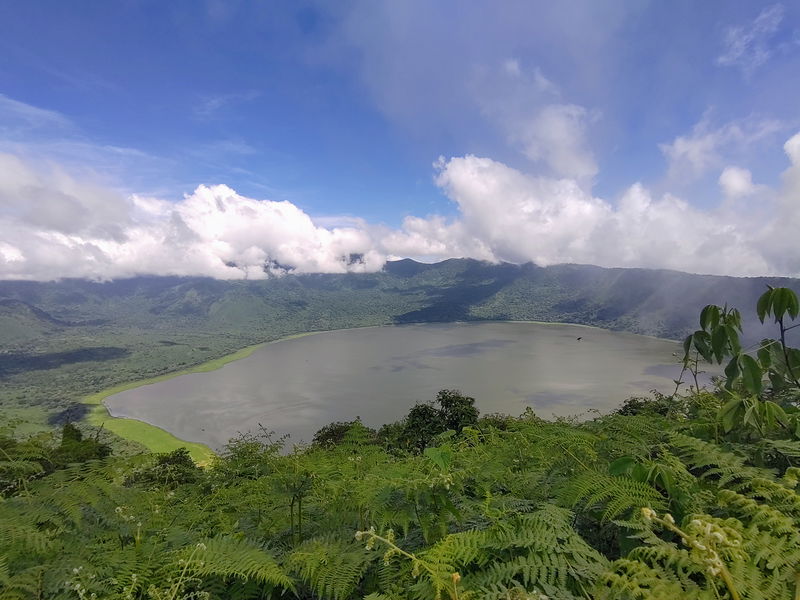
East of the main crater lies Empakaai Crater, a steep-walled volcanic basin encircling a deep alkaline lake. You descend on foot through a forest alive with blue monkeys and birds. Buffalo sometimes navigate these slopes with surprising agility. After 30 to 45 minutes, the forest opens onto the lake’s edge.
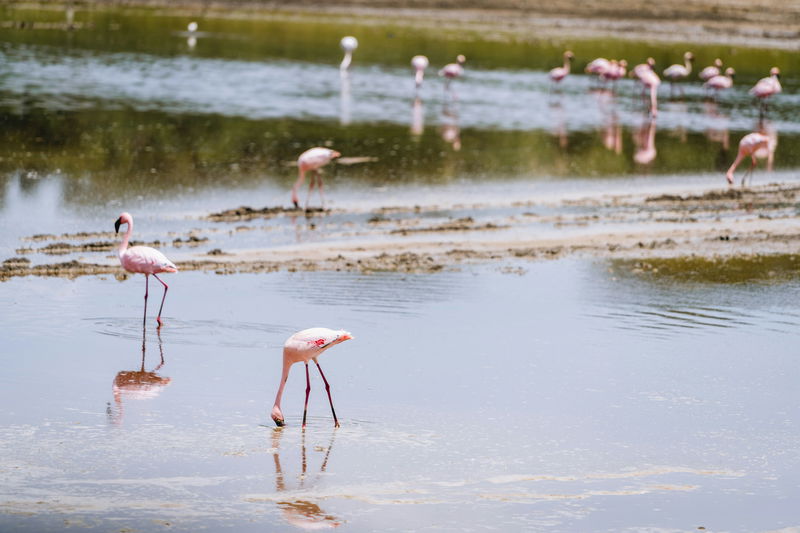
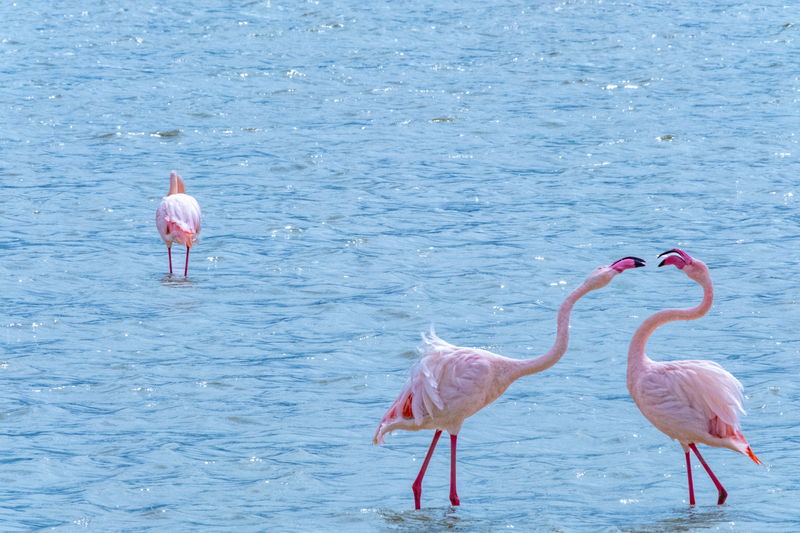
Flamingos line the shoreline, filtering microscopic algae through specialized beaks. When disturbed, they lift off in synchronized waves — pink wings flashing against dark volcanic rock. Unlike the busier Ngorongoro Crater, Empakaai feels intimate and quiet. No engine noise. Only wind and bird calls echo against the crater walls. From the rim on a clear day, you can see toward Oldoinyo Lengai volcano, linking present landscapes with ongoing volcanic activity.
Olmoti Crater — The Source of Water Below
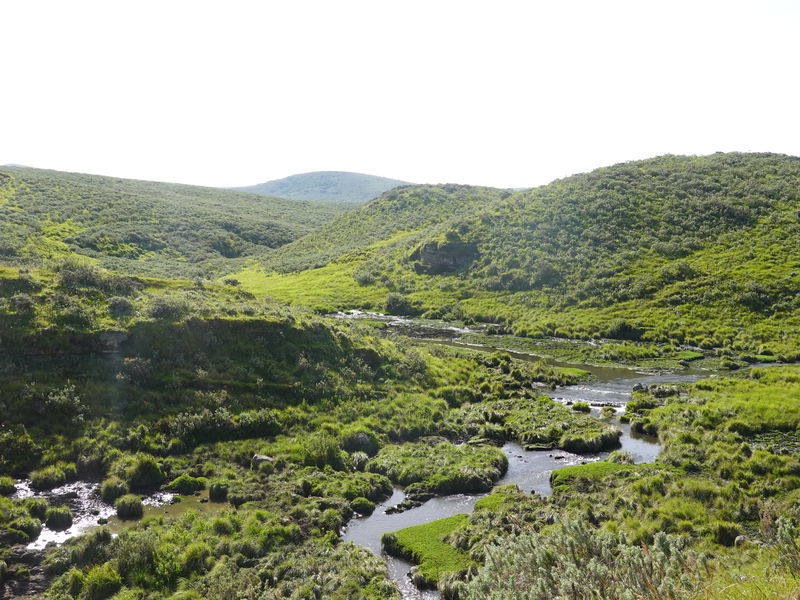
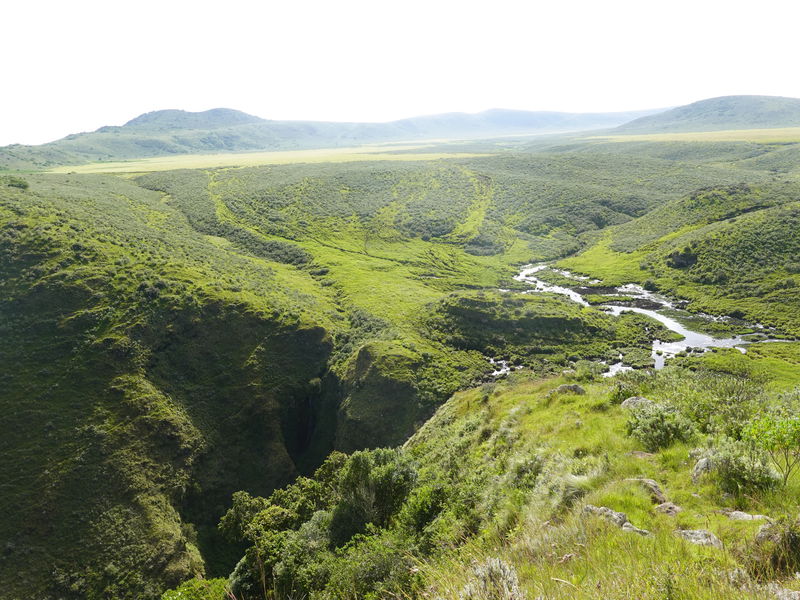
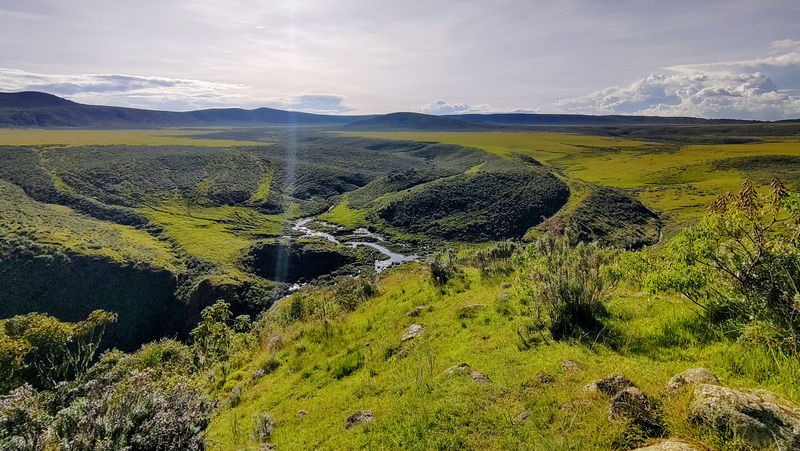
Olmoti Crater appears less dramatic at first glance, yet it plays a vital ecological role. Rainfall collected in Olmoti feeds the Munge River, which flows into Ngorongoro Crater and sustains marshlands on the crater floor. When you hike here, you witness the origin of water that shapes wildlife distribution below. A small waterfall cascades from the crater rim. Mosses and ferns cluster around moisture-rich rock faces. Highland antelope graze in open grassland. Olmoti teaches hydrological connectivity — how elevated rainfall sustains lowland ecosystems.
Olduvai Gorge — Where Humanity Began
Between Ngorongoro and Serengeti lies Olduvai Gorge. Here, layered volcanic ash preserved some of the earliest known hominin fossils and stone tools. The exposed sediment walls reveal millions of years of geological history. Standing at the gorge rim, you confront deep time. Early humans shaped tools here. They navigated landscapes shared with predators. They adapted to environmental pressures not unlike those that wildlife faces today. Olduvai transforms safari into a reflection on human origins.
Laetoli — Footprints in Volcanic Ash
Nearby, Laetoli preserves 3.6-million-year-old footprints embedded in ancient volcanic ash. These tracks show upright walking long before modern humans emerged. Stride length and spacing suggest small groups moving together — perhaps families crossing open terrain. The ash hardened after rainfall, capturing movement in extraordinary detail. Few travel experiences allow you to stand near preserved evidence of early bipedalism. Ngorongoro offers wildlife viewing and evolutionary history within the same landscape.
Maasai Life Within the Conservation Area
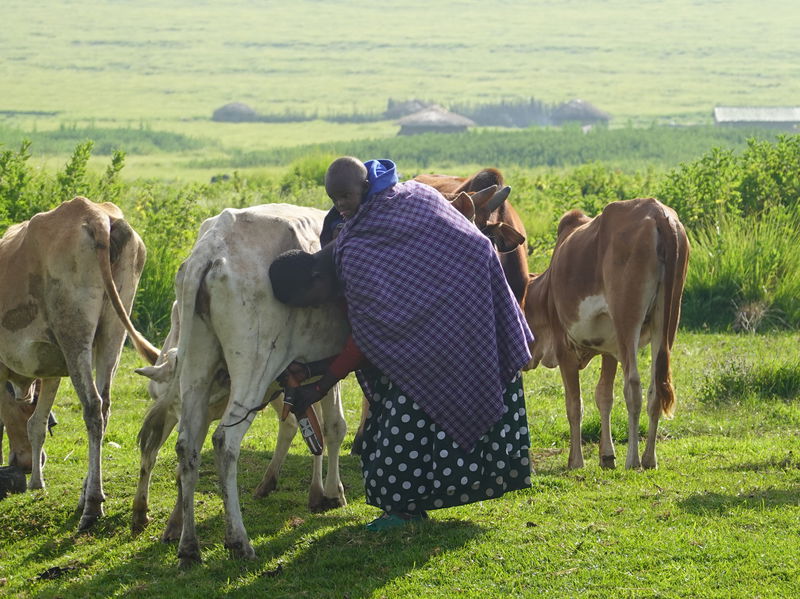
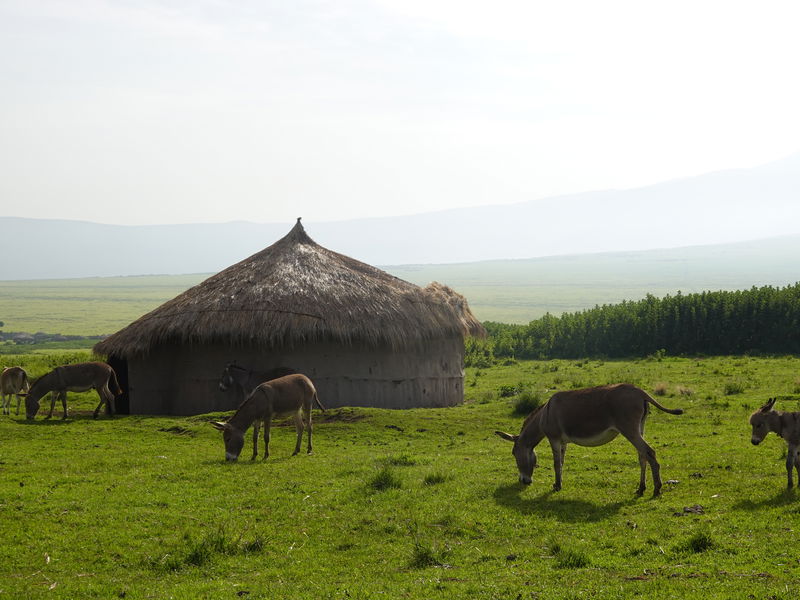
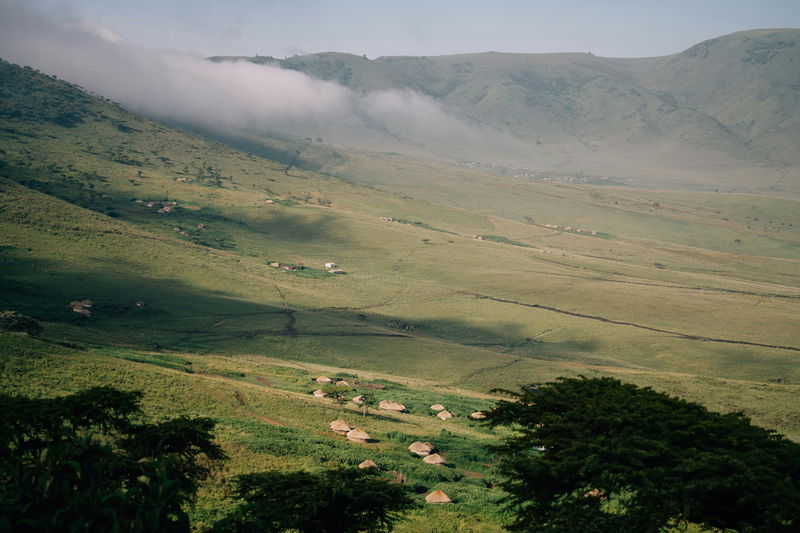
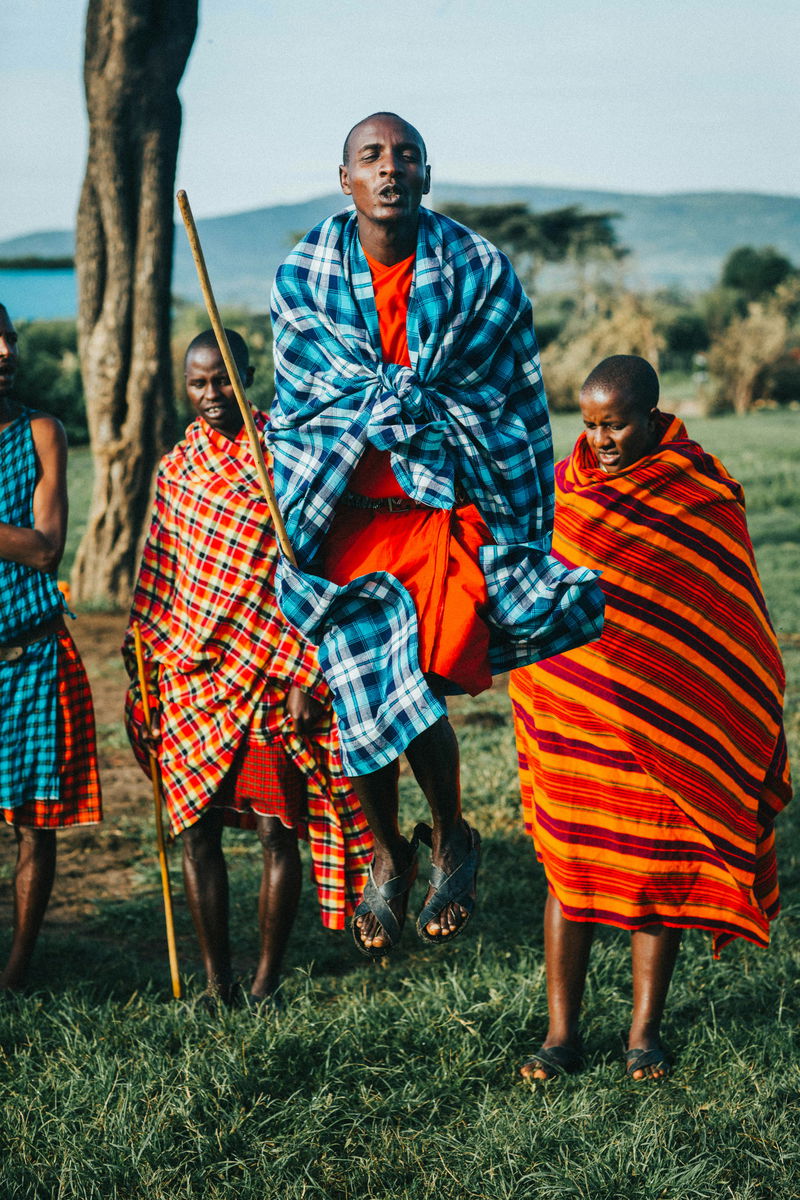
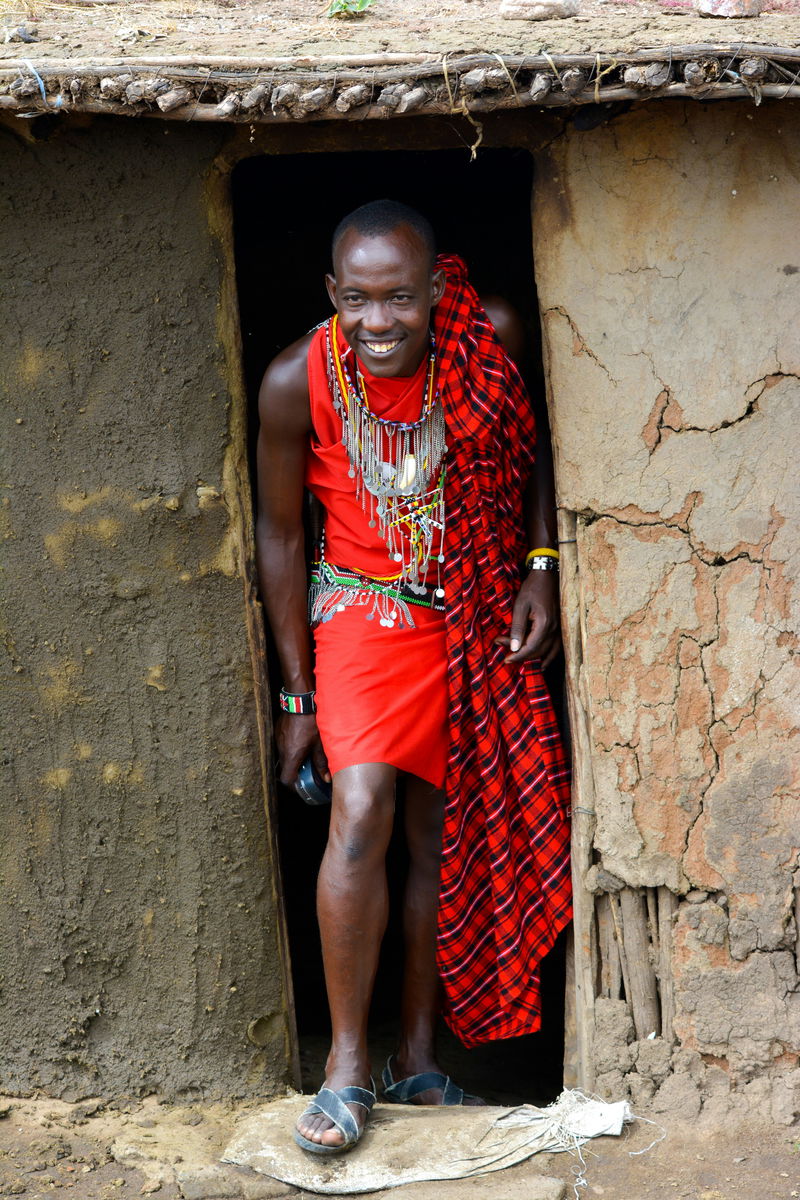
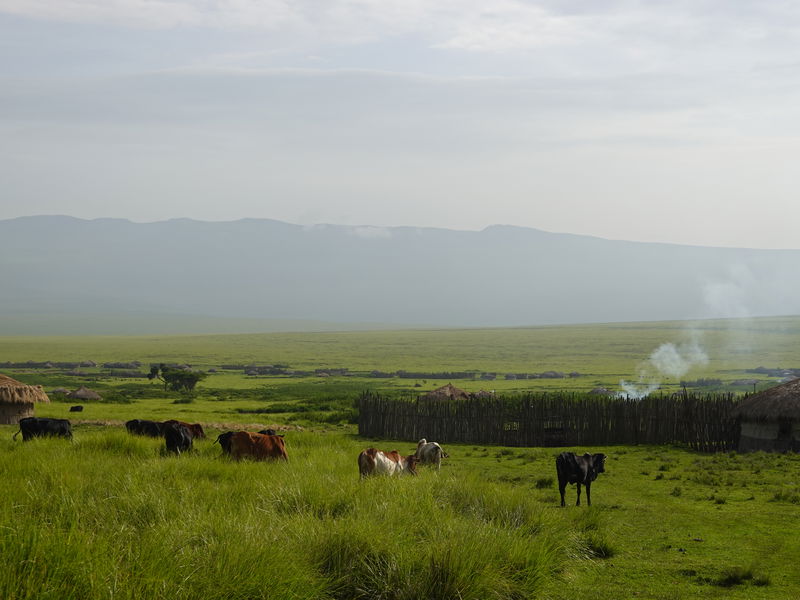
Ngorongoro differs from most protected areas because Maasai communities continue pastoral life within regulated zones. Visiting a Maasai boma introduces you to daily rhythms shaped by livestock, age-set systems, and beadwork symbolism. Cattle represent wealth and identity. Seasonal grazing decisions reflect intimate knowledge of rainfall patterns. Respectful cultural visits prioritize consent, fair compensation, and learning rather than spectacle. Maasai adaptation to climate variability offers lessons in resilience. Here, conservation includes people.
Gol Mountains — Guardians of the Sky
The Gol Mountains remain one of Ngorongoro’s least visited regions. Cliff faces provide critical breeding sites for vultures, including Rüppell’s griffon and white-backed vultures. These large raptors soar on thermal currents for hours without flapping, scanning vast plains for carcasses. When one vulture descends, others follow rapidly, forming an aerial spiral.
Their role as ecological sanitation specialists prevents disease spread by consuming remains quickly. Across Africa, vulture populations have declined due to poisoning and habitat pressure. The Gol Mountains represent a conservation stronghold. For bird enthusiasts and photographers, witnessing dozens of vultures circling above volcanic ridges becomes unforgettable.
Shifting Sands — A Moving Landscape
Near Olduvai, wind shapes volcanic ash into a crescent dune known as the Shifting Sands. Unlike typical desert dunes, this formation consists of dark volcanic material from Oldoinyo Lengai. Wind gradually moves it across the plains several meters per year. Maasai oral tradition assigns spiritual meaning to its movement. Scientifically, it illustrates geomorphological dynamism — landscapes never truly stand still.
Climate Change and Ngorongoro’s Future
Rainfall patterns across northern Tanzania have grown less predictable in recent years. Extended dry periods affect grass growth and water distribution. Heavy rains sometimes arrive in short, intense bursts. These changes influence wildlife concentration. During prolonged dryness, animals cluster tightly around reliable springs. In wetter periods, soda lake levels rise, altering flamingo distribution.
Conservation authorities respond through:
Vegetation restoration initiatives
Water management monitoring
Community-based grazing adaptation
Anti-poaching reinforcement
Tourism revenue funds many of these efforts. Responsible travel choices contribute directly to ecosystem resilience. Ngorongoro’s future depends on balanced visitor numbers, community partnership, and climate-aware management.
Ngorongoro works well as:
1. A 1-day crater safari
2. A 2–3-day immersive experience, including the highlands
3. A combination with Serengeti
4. An extension after the Mount Meru trekking
5. A cultural and wildlife segment before Zanzibar beaches
Packing Essentials
Bring layered clothing for cool mornings and warm afternoons. Choose neutral colors. Carry binoculars and a zoom lens. Protect against sun exposure. Include a light rain jacket during the green season.
Costs
Costs vary based on park fees, vehicle permits, accommodation level, and group size. Entry fees support conservation and community programs. Planning with Kijani Tours ensures safe navigation of weather variability and optimized wildlife viewing.
Frequently Asked Questions
A. Where is Ngorongoro located?
Northern Tanzania, west of Arusha, is within the northern safari circuit.
B. What animals can I see in Ngorongoro Crater?
Lions, elephants, black rhinos, buffalo, zebra, wildebeest, hyenas, flamingos, and numerous bird species.
C. Can I hike in Ngorongoro?
Yes. Guided hikes operate in the highlands, Empakaai, and Olmoti craters.
D. Why is Gol Mountain important?
It serves as a breeding site for endangered vultures and supports raptor conservation.
E. How does climate change affect Ngorongoro?
Rainfall variability shifts grass growth and water levels, influencing wildlife concentration patterns.
A Landscape That Connects Everything
Ngorongoro stands at the intersection of geology, ecology, anthropology, and culture.
You can descend into a wildlife-rich caldera in the morning, hike a volcanic ridge in the afternoon, stand at the edge of an ancient fossil site the next day, and watch vultures soar above the Gol Mountains before sunset.
Few places offer this continuity of story.
When you stand at the rim at sunrise, you witness millions of years of Earth’s transformation — and you participate in its future. Ngorongoro does not simply invite observation. It invites understanding. And understanding turns travel into something far more powerful than sightseeing.
Conclusion
Ngorongoro rewards travelers who look beyond spectacle. The crater’s wildlife density captures attention, but the long-term significance of this landscape lies in its integration of geology, biodiversity, human heritage, and adaptive management.
Volcanic collapse created a natural enclosure that now sustains one of Africa’s most concentrated predator–prey systems. Highland rainfall feeds crater marshes through hydrological connections at Olmoti. Vultures breed on remote cliffs in the Gol Mountains, stabilizing ecosystem health. Early hominin footprints at Laetoli and fossil layers at Olduvai extend the narrative millions of years into the past. Maasai communities continue pastoral practices within a regulated conservation framework, shaping a model that balances ecological protection with cultural continuity.
Looking forward to 2026, climate variability, population pressure, and tourism growth will require measured planning. Sustainable visitor numbers, low-impact travel practices, community partnership, and adaptive conservation strategies will determine the resilience of this ecosystem over the next fifteen years.
A journey to Ngorongoro, therefore, represents more than a safari stop. It becomes participation in an evolving conservation story. Travelers who approach it with preparation and ecological awareness contribute directly to its preservation. In that sense, every well-planned visit strengthens the long-term future of one of Africa’s most scientifically and culturally significant landscapes.

Exploring Tanzania with Purpose: Travel, Connection, and Giving Back
Discovering the Living Mosaic of Tanzania’s Biodiversity
Sat February 28, 2026
Read This Article
Do Hyenas Hunt? Secrets of the Savanna’s Hidden Hunter
Sat March 21, 2026
Read This Article
Think you really know hyenas? Picture this: under bright Serengeti sun, a lone hyena slips through the tall grass, focused on a herd of wildebeest. It’s not just some lazy scavenger you heard about. This animal hunts with smart tactics and sharp instincts. Sometimes it goes solo, sometimes the whole clan joins in. They track their prey, chase when it matters, and adapt on the fly. Fast thinkers, built for endurance, they...
Responsible Trekking in Moshi and the Eastern Arc Mountains
Sat February 21, 2026
Read This Article
The trail doesn't just take you up a mountain; it takes you into a secret that Northern Tanzania has been whispering for millennia. Beyond the postcard-perfect summit of Kilimanjaro lies a world where the air smells of wild jasmine and ancient moss, where stone-walled villages in the Pare Mountains still follow the rhythms of the moon, and where the "sky islands" of the Usambaras hide creatures found nowhere else on Earth. But...
Share This Post