

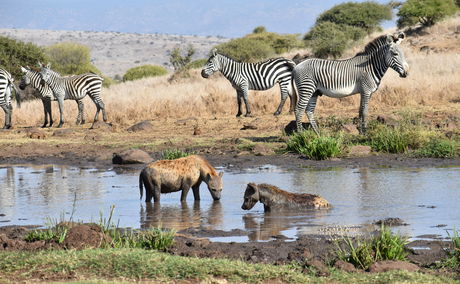
Think you really know hyenas? Picture this: under bright Serengeti sun, a lone hyena slips through the tall grass, focused on a herd of wildebeest. It’s not just some lazy scavenger you heard about. This animal hunts with smart tactics and sharp instincts. Sometimes it goes solo, sometimes the whole clan joins in. They track their prey, chase when it matters, and adapt on the fly. Fast thinkers, built for endurance, they...
Summit to Savannah: The Ultimate Kilimanjaro and Safari Combo
Posted by Wolfgang on Thu February 19, 2026 in Kilimanjaro Calls: Trails, Tales, and Wild Encounters.
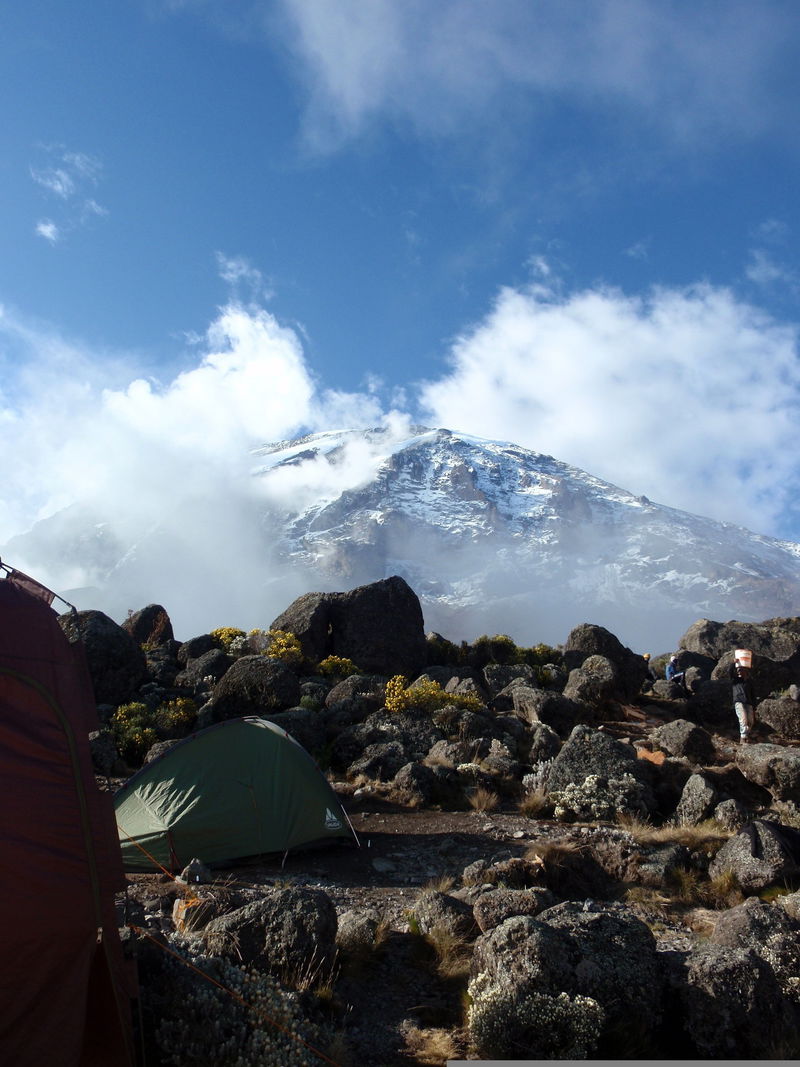
Before dawn on Mount Kilimanjaro, every step toward Uhuru Peak is a test of will against thin alpine air. You move through five distinct ecosystems—rainforest, moorland, alpine desert, and arctic summit—until sunrise spills over Africa’s highest point. The climb demands resilience, but it offers something rare in return: clarity, strength, and a deep connection to the land.
Days later, the stillness of the summit gives way to the sweeping plains of the Serengeti, where lions stir and the Great Migration pulses through ancient grasslands. From the wildlife-rich floor of the Ngorongoro Crater to the elephant-dotted baobab landscapes of Tarangire National Park, safari becomes both reward and revelation—a chance to witness nature’s intricate balance up close.
With Kijani Tours, this multi-adventure journey is crafted with safety, sustainability, and community at its heart. Expert-guided climbs, ethical wildlife experiences, and meaningful cultural connections with local communities create more than a trip—they create perspective. First, you conquer the mountain. Then, the wild reshapes you.
The world is still blue-black at 4:30 AM, and your breath hangs in the frozen air like a ghost. At 19,000 feet, every step toward Uhuru Peak is a negotiation between your will and the thin, biting air of the alpine desert. Your boots crunch on frozen volcanic scree, a rhythmic sound that has become your heartbeat over the last six days. Then, it happens. A sliver of neon orange cracks the horizon, spilling liquid gold across the ancient glaciers of Kilimanjaro. You are standing on the Roof of Africa, the world curving away beneath your feet in a sea of clouds. You’ve conquered the mountain.
Fast-forward forty-eight hours. The silence of the glaciers is replaced by the low, rhythmic rumble of a 4x4 engine and the dry, golden rustle of the Serengeti plains. You lean out of the pop-up roof, binoculars in hand, as a pride of lions awakens in the tall grass just meters away. The transition is jarring, beautiful, and profoundly Tanzanian. You trade the vertical struggle for the horizontal vastness, the physical grit for the soulful awe of the wild. This is the power of a combined safari and Kilimanjaro expedition—a journey that first demands everything from you, then gives it all back tenfold.
Why a Tanzania Multi-Adventure Tour is the Ultimate Experience?
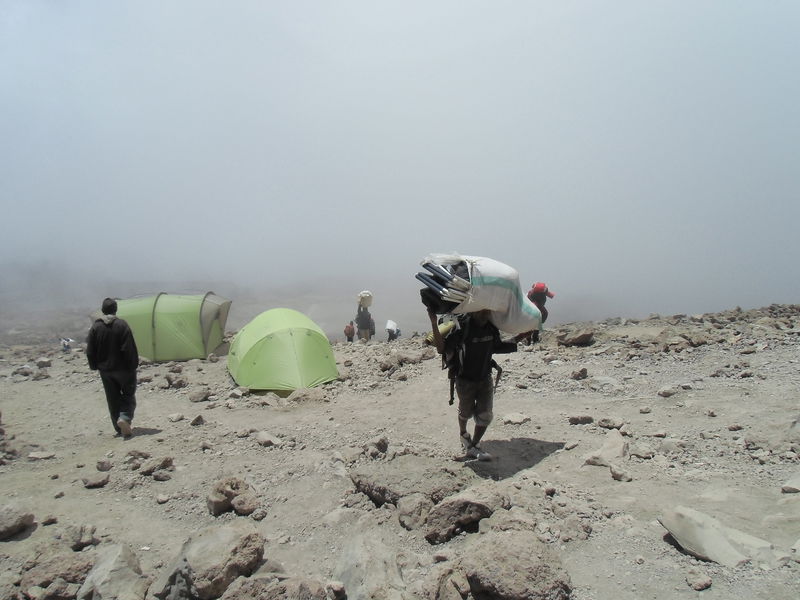
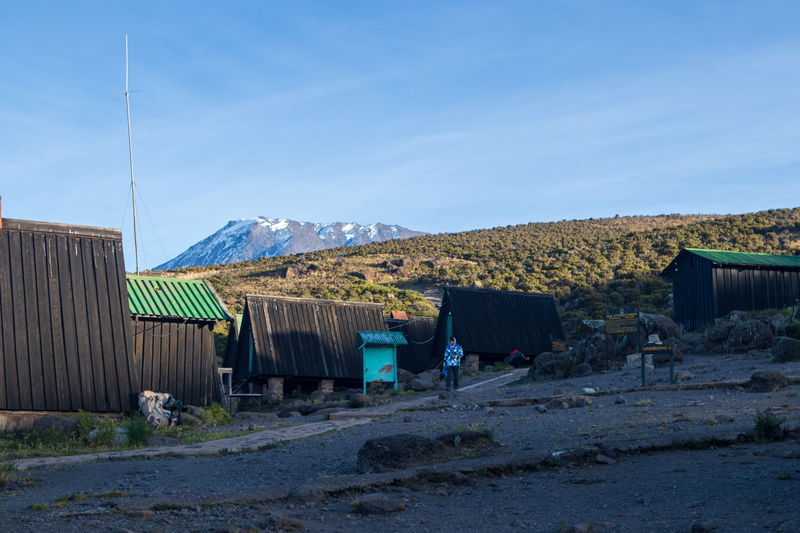
Choosing a Tanzania multi-adventure tour isn't just about ticking two items off a bucket list; it’s about the emotional and physical arc of the journey. Kilimanjaro is not just a hike; it is a pilgrimage through five distinct ecosystems. You begin in lush montane rainforests where Colobus monkeys swing through the canopy, transition into the heather and moorland zones, cross the haunting alpine desert, and finally reach the arctic summit. This journey requires mental fortitude and physical preparation. It strips away the noise of modern life, leaving you with nothing but the trail and your own resilience.
After the intensity of the summit, the safari acts as a "sensory balm." There is a specific kind of magic in sitting in a luxury tented camp in the Serengeti, a cold drink in hand, listening to the distant "whoop" of a hyena after days of freeze-dried meals and sub-zero temperatures. Safari is the reward. It allows you to process the achievement of the climb while immersing yourself in one of the planet's last great wildernesses. At Kijani Tours, our "Kijani" philosophy is woven into every itinerary. By combining these experiences, you gain a holistic view of Tanzania’s ecology. You witness how the local communities—the Maasai and the Chagga—balance tradition with modern conservation.
When is the best time for a combined safari and Kilimanjaro trip?
Tanzania’s climate is dominated by two rainy seasons and two dry seasons. For a multi-adventure trip, you need to align "good climbing weather" with "peak wildlife viewing." The Long Dry Season from June to October is the gold standard for a combined safari and Kilimanjaro adventure. For the climb, the skies remain clear, the trails stay dry, and the views from the summit are unobstructed. For the safari, the landscape dries out, and wildlife congregates around permanent water sources like the Seronera River in the Serengeti and the Tarangire River. This makes spotting the Big Five significantly easier.
The Short Dry Season from January to early March offers another excellent window. For the climb, the weather is excellent, though slightly warmer than the June–October window. For the safari, this aligns with the Great Migration’s calving season in the Southern Serengeti. Seeing thousands of wildebeest calves being born—and the predators that follow—is a life-changing spectacle. While climbing in the long rains of April and May is only for the most hardened adventurers, the "short rains" of November and December offer a unique opportunity. The parks are lush and green, birdwatching is at its peak, and tourist crowds are nonexistent.
Understanding the Vertical Wilderness: The Trekking Phase
Not all Kilimanjaro routes are created equal, especially when you have a safari waiting on the other side. You want a route that maximizes your success rate so you aren't too exhausted to enjoy the wildlife later. The Lemosho Route, spanning 7 or 8 days, boasts a success rate of 90–95%. Lemosho is widely considered the most beautiful route on the mountain. It starts on the western side, offering quiet trails and a gradual ascent that is perfect for acclimatization. It crosses the vast Shira Plateau before joining the southern circuit.
The Machame Route, covering 6 or 7 days, has a success rate of roughly 85%. Known as the “Whiskey Route,” Machame is popular for a reason. It follows the "climb high, sleep low" principle perfectly. You tackle the famous Barranco Wall—a non-technical scramble that is the highlight for many—and enjoy diverse views throughout. If you have the time, the Northern Circuit is the ultimate way to climb. It circles the quieter northern slopes over 9 days, providing the best possible acclimatization and an almost guaranteed success rate with complete solitude.
The Serengeti: A Lesson in Ancient Persistence
Descending from the arctic summit of Kilimanjaro to the sun-baked plains of the Serengeti is more than a change in altitude; it is a leap through time. The Serengeti ecosystem is one of the oldest on Earth, its essential features of climate, vegetation, and fauna having changed very little over the past million years. When you stand in the central plains, you are witnessing the Great Migration—a relentless, circular trek of 1.5 million wildebeest and zebras. This is not just a "wildlife show"; it is a vital ecological process that fuels the entire region.
Educationally, the Serengeti teaches us about the interconnectedness of life. The migration dictates the movements of the great predators—lions, leopards, and cheetahs. Following these herds allows you to observe complex social hierarchies and hunting strategies in real-time. At Kijani Tours, we emphasize the "Small Five" just as much as the "Big Five," showing you how dung beetles and termites are the unsung heroes of the savannah, recycling nutrients that keep the grass growing for the massive herds you came to see.
The Ngorongoro Crater: Life in a Lost World
If the Serengeti is about vastness, the Ngorongoro Crater is about density and containment. This 600-meter deep caldera, the world's largest unflooded and unbroken one, acts as a natural enclosure for over 25,000 large animals. Entering the crater feels like stepping into a prehistoric sanctuary. The walls of the volcano have created a unique microclimate where water is plentiful year-round, allowing animals to remain resident rather than migrating.
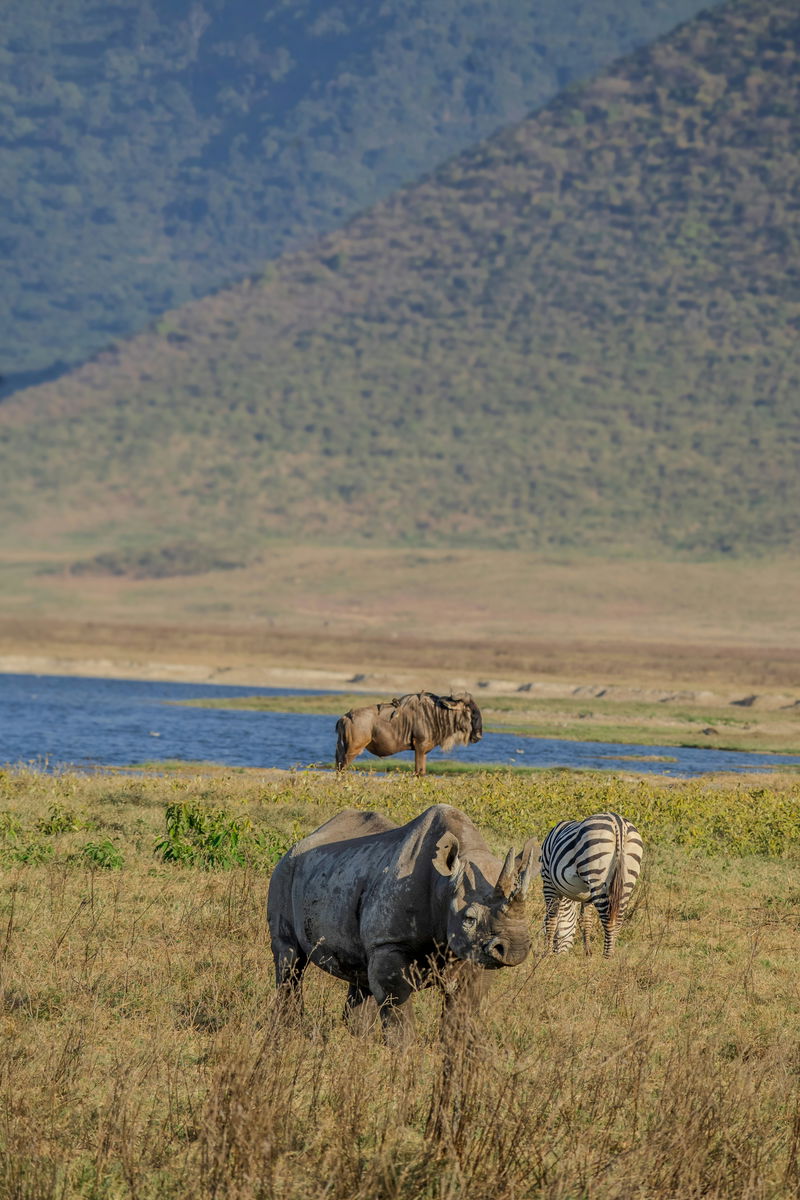
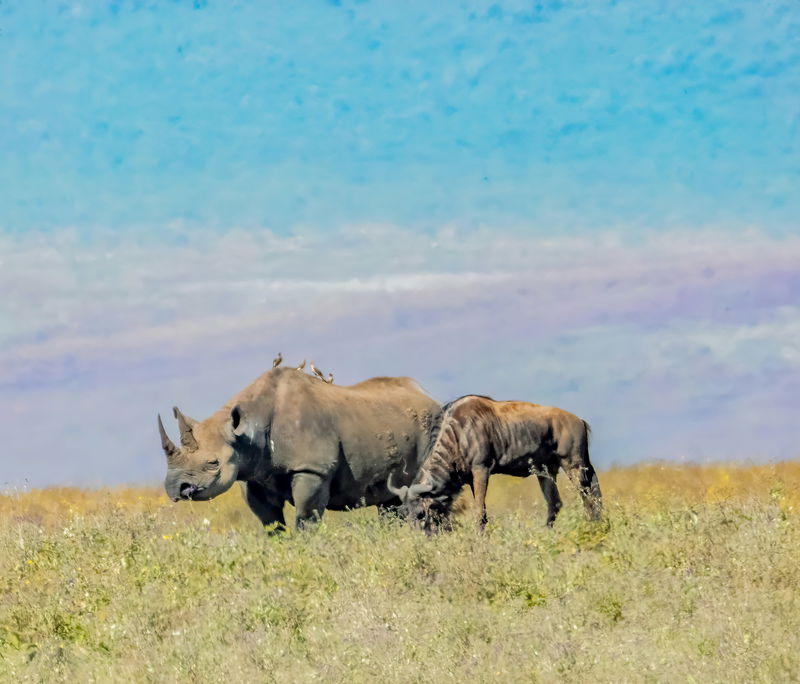
Storytelling here often centers on the delicate balance between the wildlife and the Maasai people, who have lived in harmony with these animals for centuries. You will likely see Maasai warriors herding their cattle alongside zebras and buffalo—a living testament to human-wildlife cohabitation. This is also your best chance to spot the critically endangered Black Rhino. Understanding the intense conservation efforts required to protect these majestic creatures within the crater’s rim provides a sobering and inspiring look at modern African wildlife management.
Tarangire National Park: The Land of the Giants
Often overshadowed by its famous neighbors, Tarangire National Park offers a more rugged, raw experience. It is defined by its massive elephant herds and the presence of iconic, ancient Baobab trees. These "Trees of Life" can live for over a thousand years, storing water in their swollen trunks to survive the dry season. During the height of the drought, Tarangire becomes a magnet for wildlife from across the Maasai Steppe, as the Tarangire River becomes the only reliable water source for miles.
The educational focus in Tarangire often centers on elephants' intelligence and social structures. Watching a matriarch lead her family to a hidden water source or seeing youngsters play in the mud highlights the emotional depth of these giants. The park’s less-crowded trails allow for a quieter, more introspective storytelling experience. It is a place where you can sit in silence for an hour, watching a single leopard dangle from a branch, away from the hum of other safari vehicles.
Heartbeat of Tanzania: Cultural Encounters Along Your Journey
Amid the icy heights of Mount Kilimanjaro and the golden expanse of the Serengeti, another layer of adventure comes alive, moving with the pace of village life and the rhythm of generations. In the Chagga communities on the mountain slopes, you walk through terraced farms, learn age-old cultivation techniques, taste the earthy sweetness of banana beer, and hear stories that have shaped the people and the land for centuries. These moments show how the mountain sustains both life and culture, giving the climb a deeper meaning beyond its physical challenge.
On the sweeping plains, Maasai communities welcome you into their bomas to share a world intertwined with the wild. Watching them herd cattle across the savannah, create vibrant beadwork, and perform traditional dances, you experience a lifestyle that thrives alongside the animals and landscapes you came to explore. These cultural encounters invite reflection, connection, and understanding of how Tanzanian communities live in harmony with nature. By including these experiences in your Kilimanjaro and safari journey, Kijani Tours ensures every step through Tanzania’s peaks and plains carries both adventure and meaning.
Practical Logistics: The "Kijani Way"
Planning a combined safari and Kilimanjaro trip involves more than just booking dates. Logistics can make or break the experience. We don't cut corners on acclimatization and safety. Our guides are Wilderness First Responder (WFR) certified, and we carry emergency oxygen, pulse oximeters, and hyperbaric bags on every climb. We advocate for the 7 or 8-day routes because your safety is the foundation of the adventure.
Managing your gear is another priority. You will need high-tech alpine gear for the mountain and light, breathable clothing for the safari. We provide secure storage for your safari gear while you are on the mountain. If you don't want to purchase specialized arctic gear, we maintain a full inventory of professional-grade rental gear in Moshi. Many of our travelers also add a 3-day extension to Zanzibar. After the dust of the Serengeti and the cold of the mountain, there is no better place than the white sands of Nungwi to reflect on your journey.
Traveler Vignette: A Moment of Transition
Mark, a 45-year-old traveler from Chicago, stood at the Mweka Gate on Day 9. His knees were shaky, and his face was wind-burned, but he wore his "I Summit Uhuru Peak" certificate like a badge of honor. He admitted that he thought the summit was the end of his journey. However, two days later, he was in the Serengeti watching a cheetah mother teaching her cubs how to stalk a gazelle.
He noted that the silence of the mountain was still in his head, but watching that hunt made it feel like the world was beginning again. Mark's experience mirrors that of many Kijani travelers. The mountain provides a sense of personal strength and achievement, while the safari offers a sense of humility and connection to the broader natural world. You need both perspectives to truly see Africa.
Common Questions About Combined Trips
Which should I do first, Kilimanjaro or Safari?
Always do Kilimanjaro first. The trek is physically and mentally grueling. Using the safari as your "reward" allows your body to recover in comfort. If you did the safari first, you might find yourself worrying about the upcoming climb rather than enjoying the wildlife. Plus, the descent from the mountain to the lower altitude of the safari parks acts as a natural recovery booster.
How many days do I need for a Kilimanjaro and safari trip?
For a high-quality experience, 12 to 14 days is the minimum. This allows for a 7-day climb, which has a much higher success rate than a 5 or 6-day climb, and a 3-to-5-day safari. If you have only 10 days, you will have to compromise on either the length of the trek or the number of parks you visit.
Can I fly directly from the mountain to the Serengeti?
Absolutely. Most of our high-end itineraries include a "bush flight" from Arusha Airport or Kilimanjaro International Airport directly into the Serengeti. This saves 8 hours of driving on dusty roads and gives you more time for game viewing.
What is the Lemosho route's success rate compared to the Machame route?
Statistically, the 8-day Lemosho route has a success rate of over 90–95%, while the 6-day Machame sits around 75–80%. The extra time on the mountain is the single most important factor in reaching the summit safely.
Frequently Asked Questions (FAQ)
1. Is a combined trip suitable for families?
Yes, but with caveats. Children must be at least 10 years old to climb Kilimanjaro. For families, we often recommend shorter day-hikes on the mountain combined with a "family-focused" safari that includes cultural visits to Maasai bomas.
2. What vaccinations do I need?
Standard recommendations include Yellow Fever, Hepatitis A & B, and Typhoid. Malaria prophylaxis is essential for the safari and coastal regions. Always consult a travel clinic 6 weeks before departure.
3. Do I need two different types of insurance?
You need travel insurance that specifically covers high-altitude trekking up to 6,000 meters. Many standard policies cap out at 3,000 meters. We recommend companies like World Nomads or Global Rescue.
4. How much should I tip the mountain and safari crews?
Tipping is a standard part of Tanzanian tourism culture. For a mountain crew, expect to tip roughly $250–$300 total per climber. For a safari guide, $20–$30 per day per vehicle is standard.
5. Can I see the Big Five on this itinerary?
While nature offers no guarantees, our itineraries to Ngorongoro and the Serengeti provide the best possible chance. The Black Rhino is the hardest to spot, but Ngorongoro Crater is your best bet for a "Full House."
6. Is plastic allowed in the parks?
Tanzania has a strict ban on single-use plastic bags. Furthermore, disposable plastic water bottles are banned on Kilimanjaro. Kijani Tours provides reusable bottles and filtered water systems to comply with these regulations.
7. Do I need a visa?
Most nationalities require a Tourist Visa ($50–$100). You can apply for an E-Visa online through the official Tanzanian Immigration website before you arrive, saving time at the airport.
8. What if I don't reach the summit?
Safety is our priority. If you need to descend early, our guides will escort you down safely. You can still join the safari portion of the trip; we will arrange for you to relax at a comfortable lodge while the rest of the group finishes their climb.
Plan Your Adventure with Kijani Tours
Imagine standing on the Roof of Africa at sunrise, then two days later watching a lioness teach her cubs to hunt in the golden Serengeti. This is the journey Kijani Tours offers—where every step challenges you, every view inspires you, and every encounter connects you to the heartbeat of Tanzania. From the icy peaks of Kilimanjaro to the timeless plains of the Serengeti and the hidden wonders of Ngorongoro and Tarangire, your adventure becomes a story you will carry forever.
The question isn’t if you will climb or go on safari—it’s when. Let Kijani Tours guide you safely, sustainably, and authentically through Tanzania’s most breathtaking landscapes. Your next great adventure, where courage meets awe, starts here.
Are you ready to take the first step and transform your journey into a life-changing experience?
Exploring Tanzania with Purpose: Travel, Connection, and Giving Back
Do Hyenas Hunt? Secrets of the Savanna’s Hidden Hunter
Sat March 21, 2026
Read This Article
Responsible Trekking in Moshi and the Eastern Arc Mountains
Sat February 21, 2026
Read This Article
The trail doesn't just take you up a mountain; it takes you into a secret that Northern Tanzania has been whispering for millennia. Beyond the postcard-perfect summit of Kilimanjaro lies a world where the air smells of wild jasmine and ancient moss, where stone-walled villages in the Pare Mountains still follow the rhythms of the moon, and where the "sky islands" of the Usambaras hide creatures found nowhere else on Earth. But...
Kilimanjaro for Seniors: A Safe and Steady Summit Guide
Sat February 7, 2026
Read This Article
A silver mist drifts through Lemosho’s mahogany glades, carrying the scent of damp earth and ferns. Your trekking poles press into the soft trail, each step intentional, each breath a conversation with the mountain. Unlike the rush of younger climbers chasing Kilimanjaro’s summit, this is a slow-paced climb designed for senior adventurers. At Kijani Tours, we believe a senior-friendly ascent is about seeing, feeling, and connecting. Our guides move with care, watching...
Share This Post