

Think you really know hyenas? Picture this: under bright Serengeti sun, a lone hyena slips through the tall grass, focused on a herd of wildebeest. It’s not just some lazy scavenger you heard about. This animal hunts with smart tactics and sharp instincts. Sometimes it goes solo, sometimes the whole clan joins in. They track their prey, chase when it matters, and adapt on the fly. Fast thinkers, built for endurance, they...
Tanzania’s 7 UNESCO Gems: Stories of Heritage and Nature
Posted by Wolfgang on Tue May 6, 2025 in Tanzania World Heritage Travel Guide.
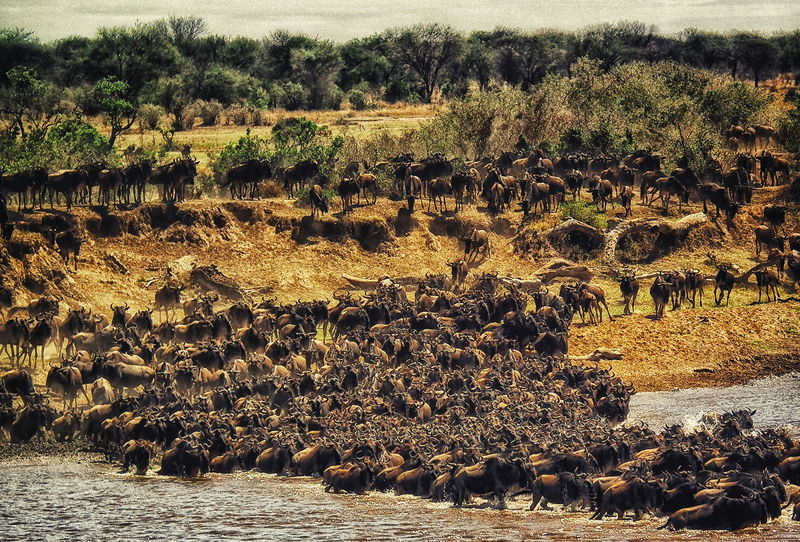
Tanzania is a land where stories are etched into landscapes, ruins, and living traditions. Its seven UNESCO World Heritage Sites invite travelers to journey through time — from the 3,000-year-old rock art of Kondoa to the spice-scented alleys of Stone Town, and the thundering spectacle of the Great Migration across the Serengeti.
These sites are more than destinations. They are bridges between ancient human history and raw natural wonder, offering a profound connection to the prehistoric soul of East Africa. Each visit is both an adventure and a lesson in heritage.
At Kijani Tours, we believe travel should be purposeful. Our journeys transform these landmarks into immersive, sustainable adventures. By exploring with us, you help reduce environmental impact, support local communities, and contribute to conservation efforts that protect Tanzania’s cultural and natural legacies for generations to come.
Opening Thoughts
There is a specific kind of silence that exists only in Tanzania. It is not the absence of sound, but rather a profound, layered quiet where you can hear the heartbeat of the earth. You feel it while standing before a sun-scorched rock face in Kondoa, looking at paintings brushed onto stone three thousand years ago. You feel it in the salt-heavy air of Kilwa, walking through coral ruins that once hosted the world's most powerful sultans. And you certainly feel it on the rim of the Ngorongoro Crater, where the prehistoric mist clings to the fever trees.
At Kijani Tours, we see travel as more than checking places off a list. It’s about connecting with the stories that have shaped humanity. Tanzania is home to seven UNESCO World Heritage Sites—remarkable cultural and natural landmarks recognized globally for their "Outstanding Universal Value", each offering travelers a deeper, more meaningful journey.
In this definitive guide, we invite you to step beyond the standard "safari" and explore the deep heritage of Tanzania. From the Roof of Africa to the narrow alleys of Stone Town, this is your roadmap to traveling with purpose, curiosity, and respect.
Part 1: The Cultural Tapestry – Voices from the Past
While Tanzania is globally famous for its wildlife, our cultural and natural heritage is the bedrock of our identity. These sites are not museums; they are living testaments to human resilience, trade, and artistry.
1. The Kondoa Rock-Art Sites: The First Storytellers
A Journey into Ancient Narratives
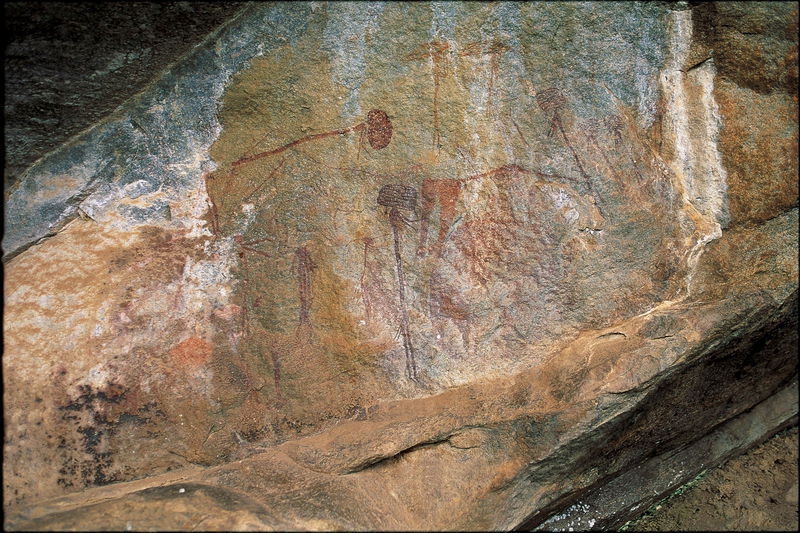
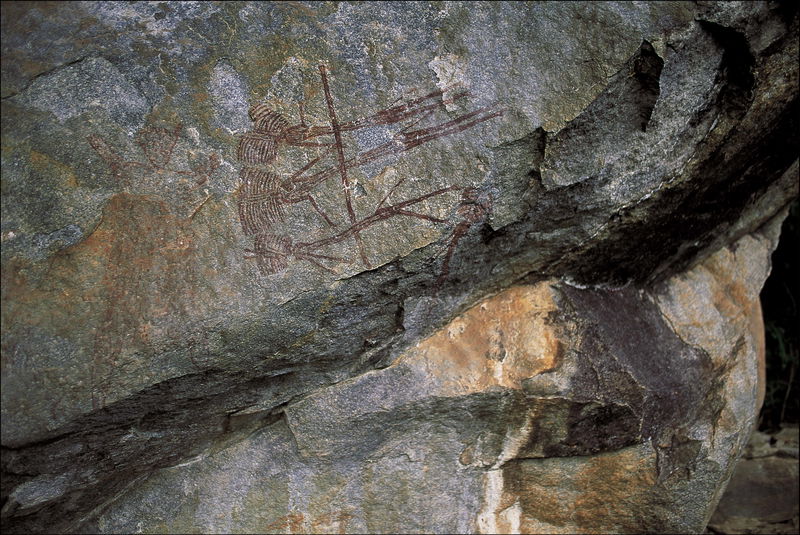
Imagine stepping into the Irangi Hills, where weathered granite boulders rise like timeless guardians of history. Hidden among these natural shelters are the Kondoa Rock-Art Sites, a UNESCO World Heritage treasure that whispers the earliest stories of humanity. As you wander through this rugged landscape, you are not just exploring rocks and pigments; you are entering a living archive of human imagination, spirituality, and cultural continuity.
The Experience
Climbing the rock slopes, the paintings reveal themselves gradually, glowing in red and white against the grey stone. Each figure, animal, and geometric motif feels alive, as though the artists painted them yesterday. Slender human silhouettes dance across the rock face, stylized giraffes stretch gracefully, and intricate patterns suggest rituals or cosmological beliefs. Some of these artworks are over 3,000 years old, making them among the earliest visual records of human thought in East Africa. Standing before them, you sense the connection between past and present — the way these images bridge generations, reminding us that storytelling began long before written language.
The Educational Insight
The Kondoa paintings are attributed to hunter-gatherer communities and later pastoralist groups who lived in the region. They offer a rare glimpse into the evolution of human society, from nomadic lifestyles to settled pastoral traditions. These artworks are not mere decoration; they are cultural documents that reveal how early communities understood their environment, celebrated life, and sought guidance from the spiritual world.
For anthropologists and historians, the Kondoa Rock-Art Sites are invaluable. They illustrate the transition of societies, the blending of traditions, and the enduring role of art as a medium of communication and belief.
Significance Among Local Communities
Here is a detailed breakdown of the significance of the Kondoa sites among local communities:
1. Active Ritual and Spiritual Sites
Rainmaking and Propitiation: The Sandawe people, descendants of the original hunter-gatherer artists, still visit specific shelters to perform rituals, particularly for rainmaking, during droughts.
Ancestral Connection and Healing: Local communities use the sites to connect with their ancestors, seeking blessings for health, fertility, and protection.
Traditional Ceremonies: Some sites are used for initiation rites, such as those for young boys.
Ritual Offerings: During these ceremonies, it is customary in some practices to smear fat or beer on the rock paintings, strengthening the link between modern generations and the creators of the art.
2. Living Cultural Continuity
A "Living Museum": The sites are considered a living heritage because the tradition of visiting and honoring them has not been broken over thousands of years.
Persistent Tradition: The Sandawe continued to make rock paintings as recently as the 1970s, using the sites for sacrificial and magical purposes.
Cultural Mapping: The sites allow communities to maintain a tangible link with their ancestors, particularly the hunter-gatherer Sandawe and subsequent pastoralist groups.
3. Economic and Social Value: Custodianship: Local community members often act as guides, acting as custodians of the sites, which helps in the preservation and management of the area.
Tourism and Livelihoods: The sites contribute to the local economy through ecotourism, with funds often going towards community development.
Education: The sites serve as a place for younger generations to learn about their history, culture, and traditions.
4. Cultural Interaction and Identity
Layered History: The sites, particularly in the Kondoa-Irangi area, display a mixture of "red paintings" (associated with hunter-gatherer, Sandawe) and "white paintings" (associated with agro-pastoralist communities), reflecting the historical interaction between different groups.
Grazing Land: During times of drought, the Maasai still visit these areas to graze their cattle.
The importance of the sites is also reflected in the tension between conservation efforts and traditional use, as local rituals (like applying fat) can damage the paintings, highlighting that these are, first and foremost, sacred spaces to the community.
Why It Matters
The Kondoa Rock-Art Sites remind us that storytelling is humanity’s oldest tradition. They show how art, spirituality, and community are inseparable, and how cultural heritage continues to shape modern identity. For travelers, they offer a chance to witness history that is still alive — to stand in a place where the first storytellers painted their dreams, and where local communities still gather to honor those ancient voices.
Kijani’s Perspective on Relevance: Visiting Kondoa is the ultimate "slow travel" experience. It requires a detour from the main safari circuit, but the reward is a profound sense of connection to our ancestors. When you stand where a hunter-gatherer once stood, documenting their world, the 21st century feels very far away.
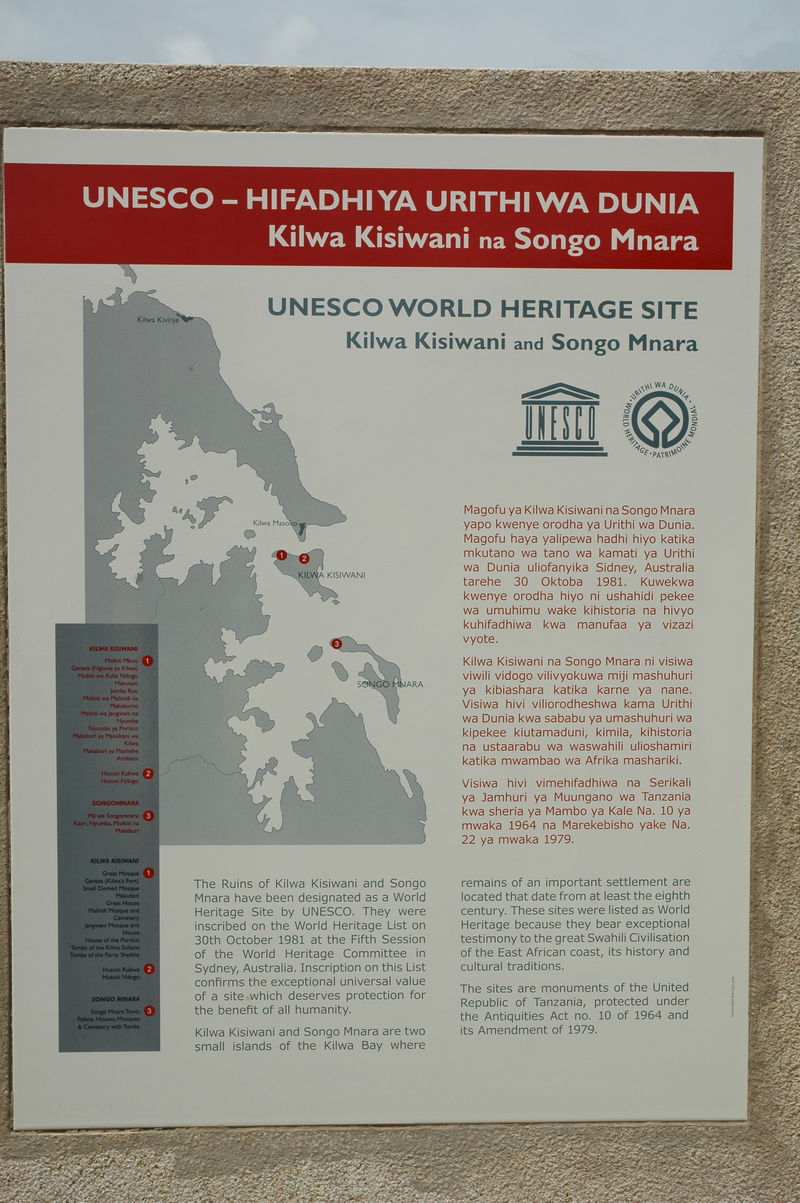
2. The Ruins of Kilwa Kisiwani: Echoes of a Swahili Empire
A Gateway to the Past
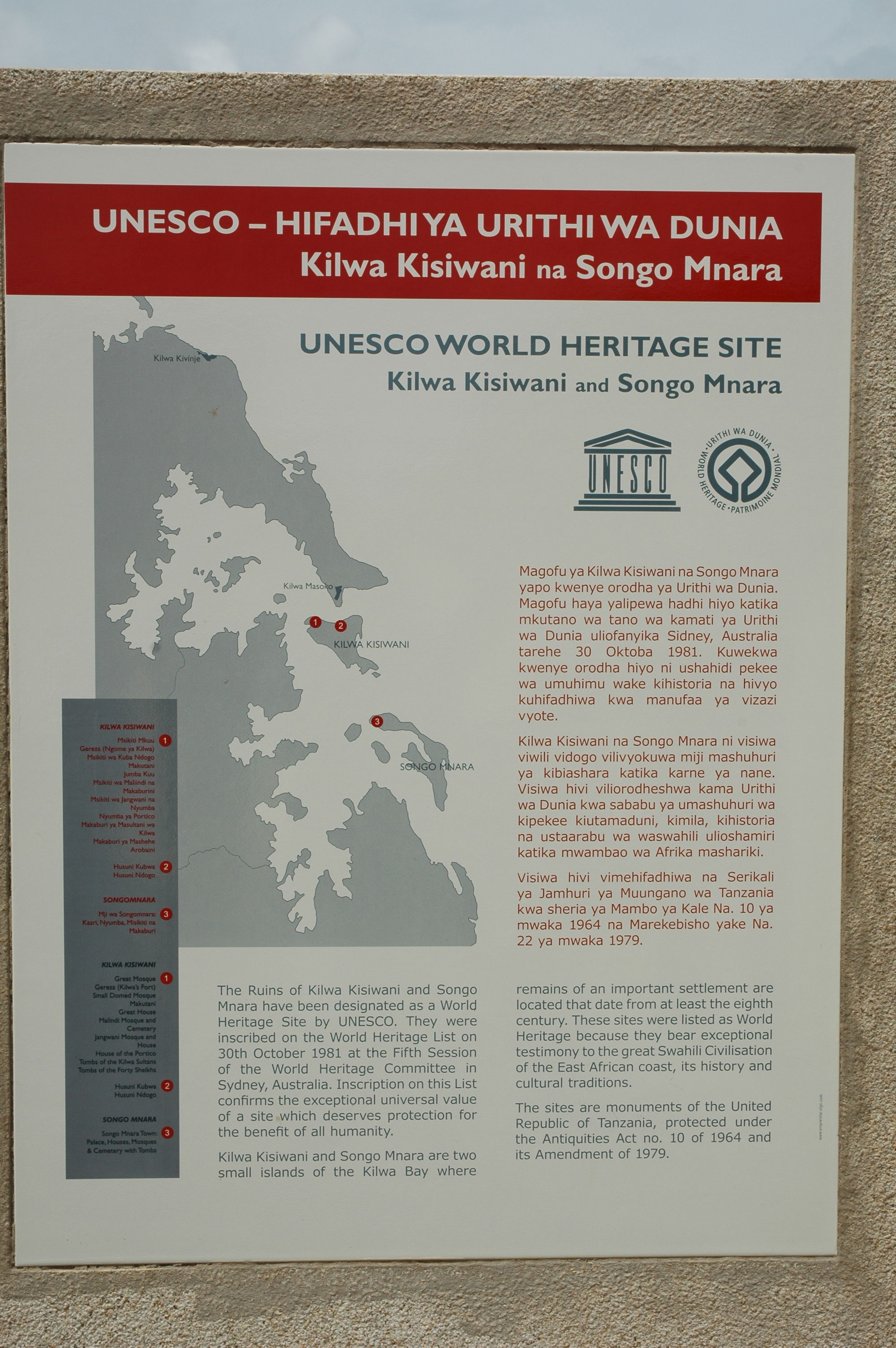
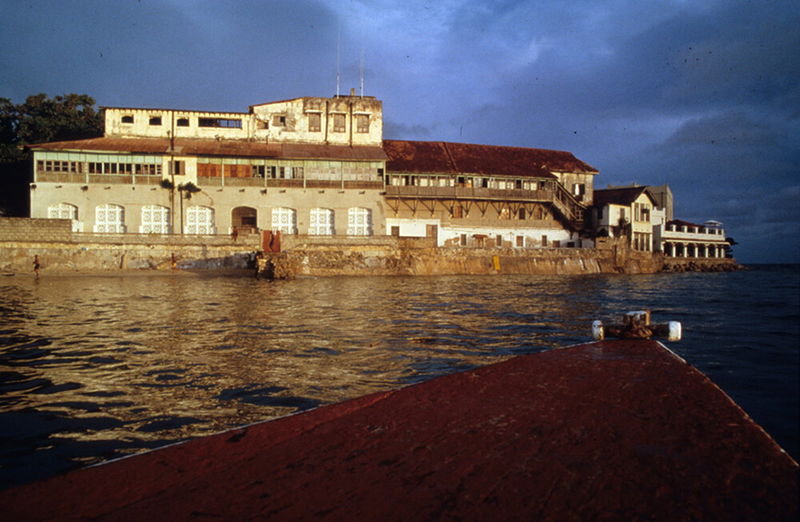
Long before the colonial era reshaped Africa’s coastline, the East African shore was already alive with the hum of commerce, culture, and connection. At its heart stood Kilwa Kisiwani, a thriving island city that became the jewel of the Swahili civilization. Imagine dhows with billowing sails gliding into the harbor, carrying traders from Arabia, India, and even China. Here, languages blended, goods exchanged hands, and ideas flowed freely — making Kilwa one of the most sophisticated trade centers of its time.
The Experience
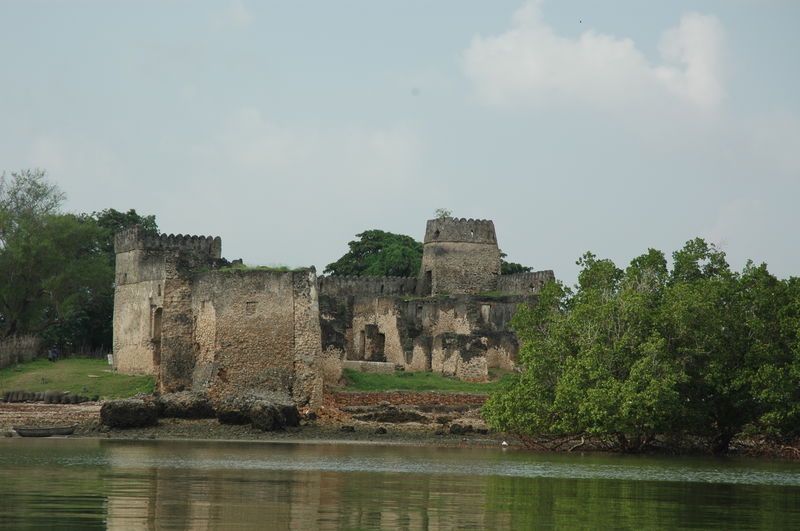
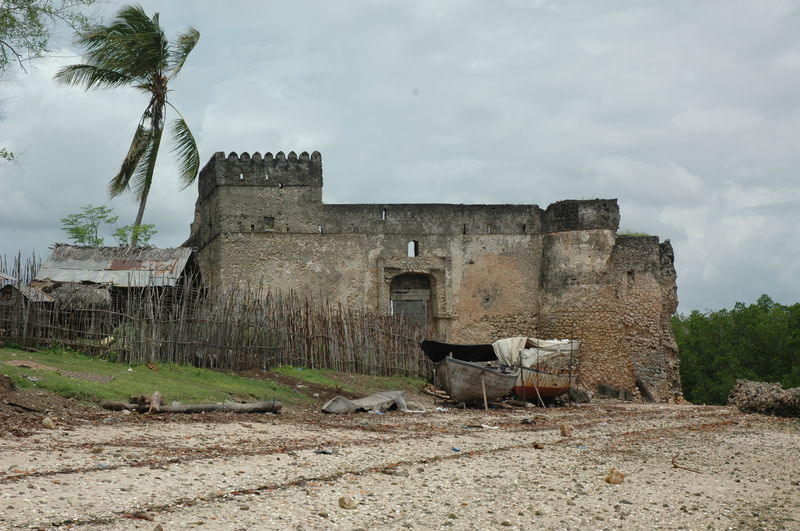
Walking among the ruins today, you are surrounded by silent stone walls that once echoed with the bustle of merchants and the rhythm of daily life. The Great Mosque, with its graceful domes and arches, speaks of a community deeply rooted in faith and artistry. Nearby, the remnants of palaces and fortifications remind us of Kilwa’s wealth and influence, built on trade in gold, ivory, and spices.
As the sea breeze brushes against your face, it is easy to imagine the vibrant cosmopolitan life that flourished here centuries ago — a world where African, Arab, and Asian cultures intertwined to create something uniquely Swahili.
The Educational Insight
Kilwa Kisiwani’s significance lies not only in its architectural grandeur but also in its role as a hub of global trade. Between the 13th and 16th centuries, Kilwa controlled much of the East African coast, linking inland kingdoms with distant markets across the Indian Ocean. This network brought prosperity and cultural exchange, shaping the Swahili identity that endures today.
The ruins are a UNESCO World Heritage Site, recognized for their testimony to the ingenuity and resilience of the Swahili people. For historians, they are a window into Africa’s pre-colonial global connections, proof that the continent was never isolated, but rather a vital player in world history.
Living Heritage: What It Means to the Community
For the people of coastal Tanzania, Kilwa Kisiwani is more than a historical landmark; it is a source of pride and identity. The ruins embody the legacy of ancestors who built a civilization rooted in trade, diplomacy, and cultural fusion. Local communities continue to honor this heritage through storytelling, oral traditions, and cultural practices that trace their lineage back to the Swahili golden age.
Visiting Kilwa today, you may hear local guides recount tales of sultans, merchants, and sailors whose lives shaped the destiny of the region. These narratives keep the spirit of Kilwa alive, ensuring that its legacy is not just preserved in stone but carried forward in memory and tradition.
A Traveler’s Perspective with Kijani Tours
When you journey to Kilwa Kisiwani with Kijani Tours, the ruins are not just stones and walls; they become a stage where history unfolds before your eyes. As you walk through the Great Mosque, your guide may pause to explain how prayers once echoed across the island, connecting communities in faith. Standing in the Sultan’s Palace, you will feel the weight of centuries as stories of wealth, diplomacy, and intrigue come alive.
Travelers often describe the experience as stepping into a living museum, where every archway and courtyard whispers of a world that thrived long before modern borders. With Kijani Tours, you don’t just visit Kilwa, you experience it through storytelling, cultural insights, and the voices of local custodians who carry this heritage forward.
The Meaning that lives here
The Ruins of Kilwa Kisiwani remind us that Africa’s history is rich, interconnected, and global. They invite travelers to step beyond the colonial narrative and discover a civilization that thrived on trade, culture, and innovation. For those who journey with Kijani Tours, Kilwa is not just a destination; it is an encounter with the enduring spirit of the Swahili coast, a chance to walk in the footsteps of merchants and storytellers who shaped the world.
The narrative of the land: Walking through the Great Mosque of Kilwa, with its soaring coral arches and domes, you can almost hear the call to prayer echoing from the 14th century. This was once the most powerful city-state on the Swahili Coast, controlling the gold trade from Great Zimbabwe to the ports of Arabia, India, and China. When the great traveler Ibn Battuta visited in 1331, he described Kilwa as "one of the most beautiful and well-constructed towns in the world."
Educational Depth: The architecture is a brilliant fusion of African, Arabian, and Persian styles. The "Husuni Kubwa" palace, perched on a cliff overlooking the Indian Ocean, once featured an octagonal swimming pool, a luxury unheard of in much of the medieval world.
Travel That Gives Back: These ruins are fragile, made of porous coral rag. Kijani Tours works with local community guides in Kilwa to ensure that tourism revenue goes directly into the stabilization of these structures and the support of the neighboring fishing villages.
3. Stone Town: The Living Heart of Zanzibar
A Journey Through Time and Tradition
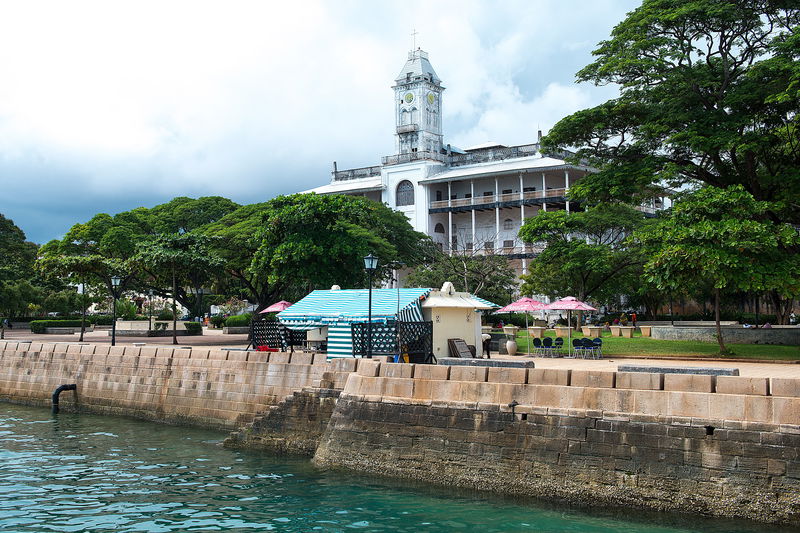
No journey to Tanzania is complete without wandering through the labyrinthine alleys of Stone Town, Zanzibar’s historic quarter. This UNESCO World Heritage Site is more than a destination; it is a living museum where every street corner tells a story, every carved door whispers of ancestry, and every spice-laden breeze carries echoes of centuries past.
The story you can feel
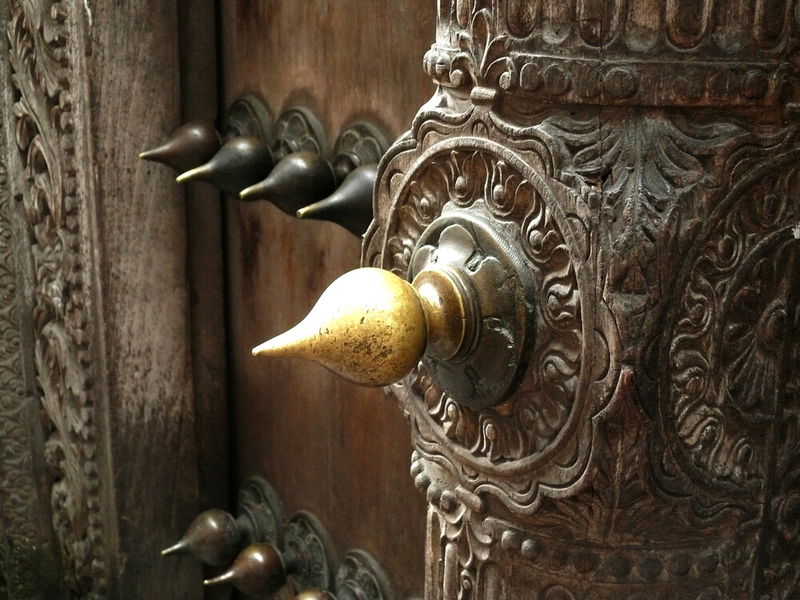
Stone Town is a feast for the senses. As you stroll through its narrow alleys, the air is thick with the aroma of drying cloves, cinnamon, and nutmeg, reminders of Zanzibar’s role as the “Spice Island.” The melodic call of the Adhan drifts from minarets, blending with the clink of coffee cups in bustling cafés. Your eyes are drawn to intricately carved teak doors, each one a masterpiece that reveals the heritage of the families who lived behind them.
The streets themselves are alive with contrasts: children playing football in hidden courtyards, vendors balancing trays of fresh chapati, and fishermen returning from the turquoise waters of the Indian Ocean. Every step is a sensory immersion into a world where tradition and modern life coexist seamlessly.
Did You Know?
Stone Town is often described as a “cultural crucible,” and rightly so. Its architecture reflects two millennia of influence from Africa, Arabia, India, and Europe. Coral stone buildings rise proudly, their balconies adorned with ornate latticework, while winding alleys lead to historic landmarks that speak of both triumph and tragedy.
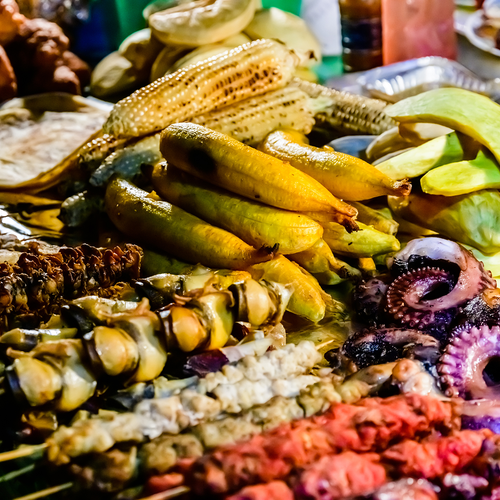
The Former Slave Market stands as a solemn reminder of Zanzibar’s role in the Indian Ocean slave trade, offering visitors a chance to reflect on the resilience of the human spirit. Just a short walk away, the Forodhani Gardens night market bursts with life — sizzling seafood skewers, sugarcane juice pressed fresh, and the laughter of families gathering under the stars. Together, these sites embody the complexity of the human story: a place where cultures collided, histories intertwined, and identities were forged.
Protect What You Came to See
Zanzibar today faces significant environmental pressures, from rising sea levels to the strain of rapid urbanization. At Kijani Tours, we believe that exploring Stone Town should not only be about discovery but also about preservation. That’s why we encourage more time travel on foot, journeys that minimize carbon footprints while maximizing cultural immersion.
Our itineraries prioritize stays in restored historic buildings, ensuring that your visit contributes to keeping the architectural soul of the city alive. By choosing eco-conscious travel, you help safeguard Stone Town’s heritage for future generations, allowing its stories to continue unfolding for centuries to come.
A Traveler’s Perspective with Kijani Tours
When you explore Stone Town with Kijani Tours, the city transforms from a maze of alleys into a living narrative. Your guide may pause at a centuries-old door to explain the symbols carved into its wood, stories of wealth, lineage, and cultural pride. As you sip spiced coffee in a hidden courtyard, you’ll hear tales of merchants and sailors who once made Zanzibar the beating heart of Indian Ocean trade.
At sunset, you will join locals at Forodhani Gardens, tasting Zanzibar pizza and fresh seafood skewers while the ocean breeze carries the scent of cloves. The experience is not just about seeing Stone Town, it’s about feeling its rhythm, hearing its stories, and connecting with its people. With Kijani Tours, every step becomes part of a journey that blends history, culture, and sustainability.
Why You Should Care
Stone Town is not just a place to visit, it is a place to feel, to learn, and to connect. It embodies the essence of Zanzibar: a crossroads of cultures, a keeper of history, and a vibrant community that continues to thrive. With Kijani Tours, your journey through Stone Town becomes more than sightseeing; it becomes a meaningful encounter with the living heart of Tanzania’s coastal heritage.
Part 2: Tanzania’s Natural UNESCO Sites: Guardians of Global Biodiversity
More Than Landscapes
Tanzania’s natural UNESCO sites are not just breathtaking vistas; they are living “ark” ecosystems, safeguarding the future of global biodiversity. From the endless plains of the Serengeti to the volcanic majesty of Ngorongoro Crater, these places are sanctuaries where life thrives in its most authentic form. They are not simply destinations to admire; they are vital strongholds for species, cultures, and ecological balance.
The Wild Around You
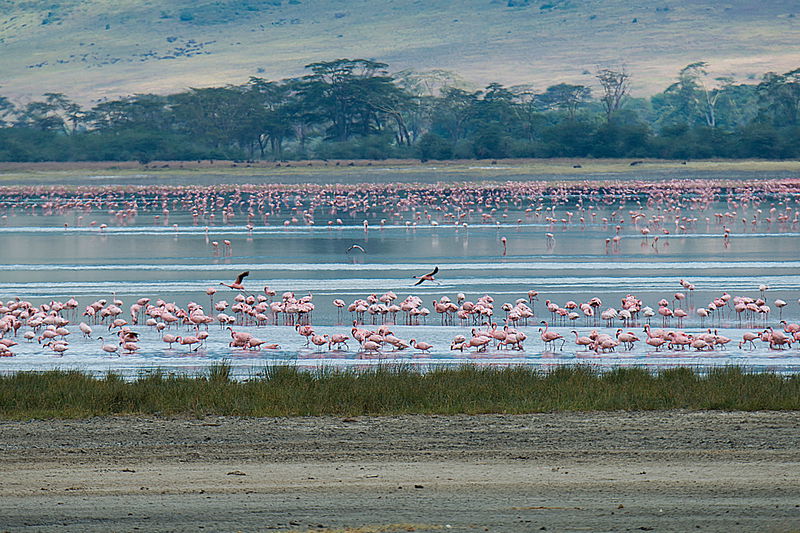
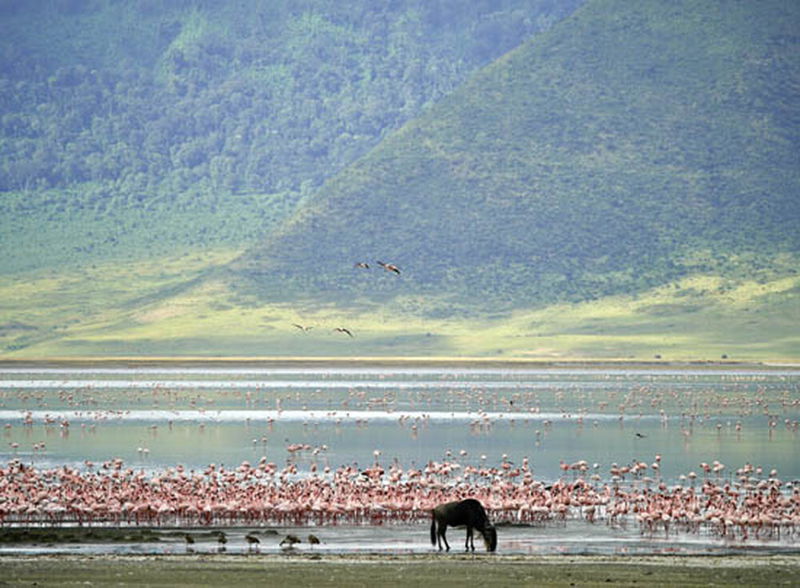
Picture yourself at dawn in the Serengeti. The horizon glows gold as the earth trembles under the thunderous hooves of migrating wildebeest. The air is alive with the calls of zebras, the distant roar of lions, and the flutter of birds rising with the sun. Later, standing at the rim of Ngorongoro Crater, you gaze into a natural amphitheater where elephants wander, flamingos paint the lakes pink, and Maasai herders guide their cattle across the grasslands. These landscapes are not static; they are symphonies of movement, color, and sound, reminders of the delicate balance sustaining life on Earth.
The Educational Insight
Tanzania’s UNESCO sites are recognized not only for their beauty but for their ecological significance.
Serengeti National Park hosts the Great Migration — the largest movement of land mammals on the planet, a cycle of survival that has continued for millennia.
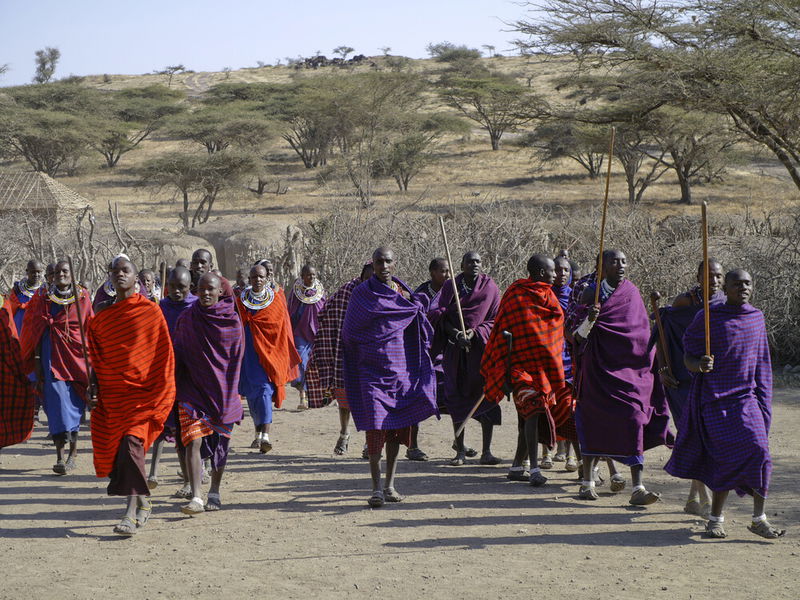
Ngorongoro Conservation Area preserves a unique coexistence of wildlife and human communities, where Maasai pastoralists live in harmony with nature.
Mount Kilimanjaro, Africa’s highest peak, is more than a climbing challenge; its glaciers and forests are critical water sources for millions.
Selous Game Reserve (Nyerere National Park) protects vast wilderness areas, home to endangered African wild dogs and elephants.
Together, these sites act as “arks” — protecting endangered species, preserving genetic diversity, and serving as living laboratories for understanding climate change and conservation. Their survival is not just Tanzania’s responsibility; it is a global imperative.
Leave a Light Footprint
At Kijani Tours, we believe that visiting these UNESCO sites should be more than a journey; it should be a commitment to sustainability. Our itineraries emphasize eco-conscious travel, from low-impact safaris to community-led conservation projects. By choosing responsible travel, you help ensure that these ecosystems continue to thrive, supporting not only Tanzania’s heritage but the planet’s future.
We encourage travelers to see themselves as stewards, not just visitors. Every sunrise over Kilimanjaro, every step across the Serengeti, becomes part of a larger story: the story of protecting Earth’s biodiversity for generations to come.
A Traveler’s Perspective with Kijani Tours
When you explore Tanzania’s UNESCO sites with Kijani Tours, you don’t just witness nature — you become part of its unfolding narrative. Imagine sitting quietly in the Serengeti as your guide explains how wildebeest migrations sustain predator populations, or listening to a Maasai elder share stories of living alongside lions in Ngorongoro.
On Kilimanjaro, as you ascend through rainforest, moorland, and alpine desert, you’ll learn how each ecological zone supports unique species and communities. In Selous, you’ll glide along the Rufiji River, spotting hippos and crocodiles while hearing about conservation efforts that protect this fragile ecosystem.
Travelers often describe these experiences as transformative — moments where the grandeur of nature meets the responsibility of humanity. With Kijani Tours, every journey is designed to deepen your understanding, enrich your spirit, and inspire you to protect the world we share.
Why It is Special
Tanzania’s natural UNESCO sites remind us that beauty and responsibility go hand in hand. They are places where nature’s grandeur meets humanity’s duty, where the survival of species and ecosystems depends on collective care. With Kijani Tours, your journey becomes more than exploration; it becomes participation in a global effort to safeguard life itself
4. Serengeti National Park: The Primordial Rhythm
The Serengeti needs no introduction, yet it consistently defies expectations. It is the site of the Great Migration, the largest overland movement of mammals on the planet.
The Storytelling: Picture 1.5 million wildebeest and zebras moving as a single, silver-grey tide across the endless plains. The air is thick with dust and the low-frequency grunts of the herd. This is the world as it was ten thousand years ago.
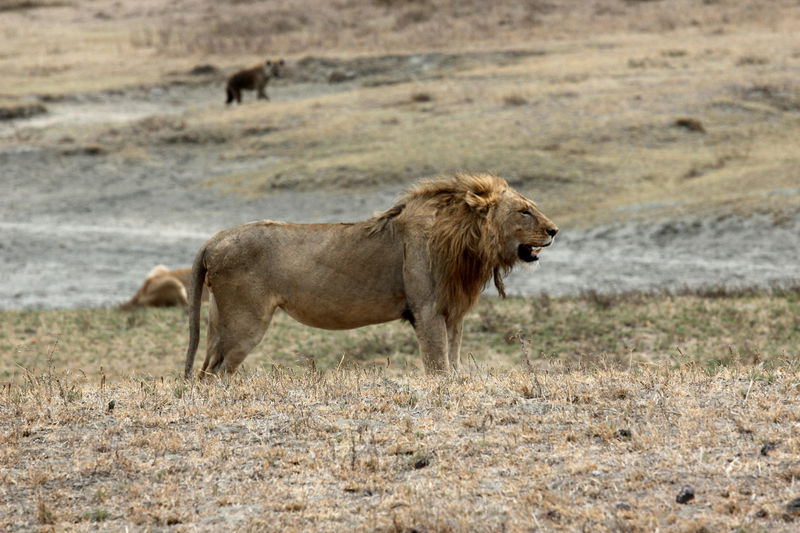
Scientific Importance: The Serengeti is a laboratory for evolutionary biology. The interaction between predators (lions, cheetahs, hyenas) and the migrating herds (prey) is the purest example of the "Circle of Life" on Earth. Academic research in the Serengeti has shaped our global understanding of animal behavior and ecosystem management.
For the Love of the Wild: The Serengeti faces real pressures from over-tourism and climate change. At Kijani Tours, we don’t follow the crowds. Instead, we embrace the shoulder seasons, where thoughtful, low-impact travel lets you experience the wild at its most vibrant—without disturbing the animals that make this landscape extraordinary. Your journey becomes a part of the ecosystem, not an intrusion.
5. Ngorongoro Conservation Area: The Garden of Eden
A Geological Marvel
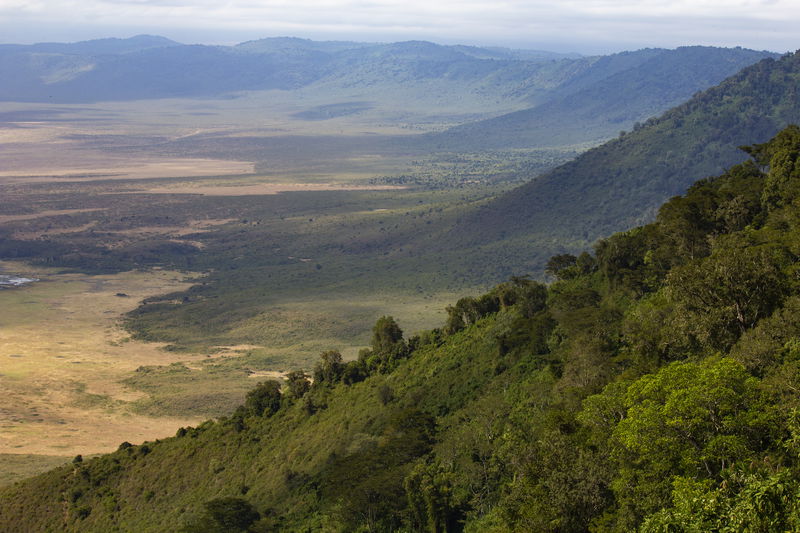
The Ngorongoro Crater is one of Earth’s most extraordinary natural wonders. This caldera, which is 600 meters deep, formed millions of years ago when a massive volcano collapsed. What remains today is a large, bowl-shaped sanctuary that feels like nature’s grand amphitheater, where landscapes and wildlife come together in breathtaking harmony.
The Sensory Narrative
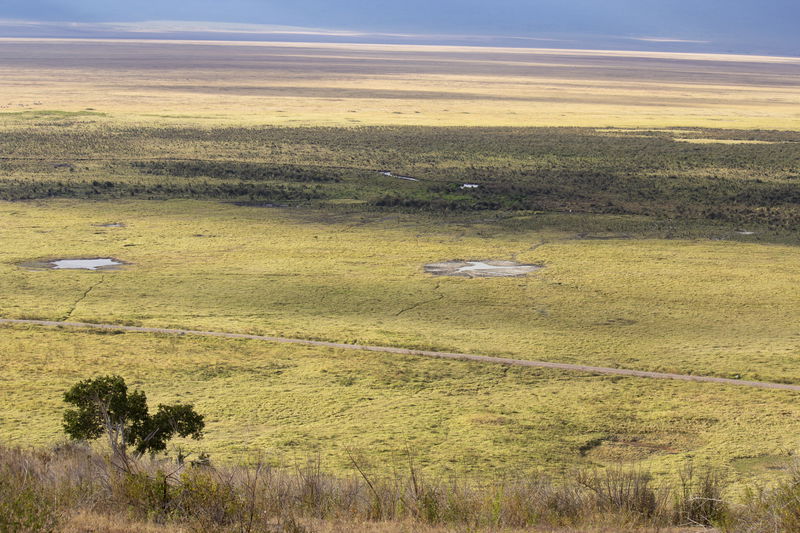
Standing at the crater’s rim, you see an endless view: sweeping grasslands, shimmering lakes, and acacia forests within the walls of this ancient caldera. As you descend into the crater, the air fills with the sounds of life. You can hear the trumpeting of elephants, the distant roar of lions, and the chatter of birds flying through the sky. Herds of wildebeest and zebras graze peacefully while hippos relax in the cool waters of Lake Magadi. Every turn reveals a new scene, a living canvas created by nature.
The Educational Insight
The Ngorongoro Crater is more than just a geological wonder; it is a thriving ecosystem that supports one of the highest concentrations of wildlife in Africa. Within its 260 square kilometers, you can find nearly every species of East African savanna, from towering giraffes to elusive leopards. It is also one of the few places where visitors might see the endangered black rhino, reflecting ongoing conservation efforts. Beyond its wildlife, the crater is culturally significant. The Maasai people, who live in the nearby highlands, continue to graze their cattle along its slopes, upholding traditions that have lasted for centuries. This balance of human and natural heritage makes Ngorongoro a unique cultural landscape recognized by UNESCO.
Eco-Travel Relevance
At Kijani Tours, we view Ngorongoro not just as a destination but as a responsibility. The crater faces challenges such as climate change, tourism pressures, and conflicts between humans and wildlife. That’s why our itineraries focus on eco-friendly travel, offering guided low-impact safaris and community engagement programs that support Maasai livelihoods. By traveling responsibly, you help maintain Ngorongoro’s delicate balance, ensuring future generations can experience its wonder.
A Traveler’s Perspective with Kijani Tours
When you explore Ngorongoro with Kijani Tours, the experience goes beyond sightseeing. Your guide may stop at the rim to explain how volcanic forces shaped this landscape millions of years ago or share stories of Maasai traditions that still thrive here. As you drive across the crater floor, you’ll see predator-prey interactions right before your eyes. Watch as lions stalk zebras, hyenas circle, and elephants move with quiet majesty. Travelers often describe the crater as a place where time stands still, where the drama of life unfolds in its purest form. With Kijani Tours, you don’t just visit Ngorongoro; you become part of its story, learning, feeling, and connecting with one of the planet’s most remarkable ecosystems.
Why It Matters
The Ngorongoro Crater reminds us of Earth’s ability to create beauty from destruction. It serves as a geological wonder, a wildlife sanctuary, and a cultural landscape all at once. With Kijani Tours, your journey into Ngorongoro becomes more than an adventure; it turns into a meaningful encounter with nature’s resilience and our responsibility to protect it.
6. Selous (Nyerere National Park) Game Reserve: Africa’s Largest Protected Wilderness
A Legacy in Names
Named after Frederick Selous, the legendary hunter who later became a passionate conservationist, and now honoring Tanzania’s founding father, Julius Kambarage Nyerere, this reserve embodies both history and vision. It is Africa’s largest protected wilderness — a vast expanse where nature reigns supreme and human footprints remain light.
The Adventure: Following the Rufiji River
Unlike the open plains of the Serengeti, the Selous is defined by water. The mighty Rufiji River carves its way through the reserve. It creates a labyrinth of ox-bow lakes, lagoons, and sand rivers. This watery network sustains an astonishing diversity of life. Here, you may witness African Wild Dogs, one of the continent’s most endangered predators, coursing through the bush in coordinated hunts.
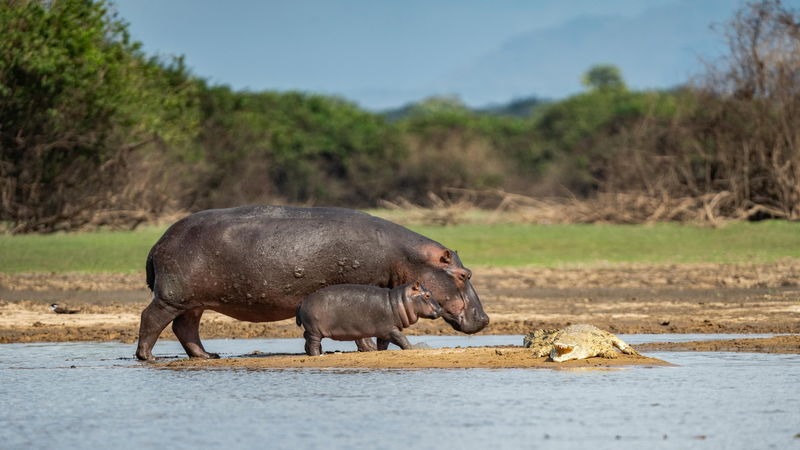
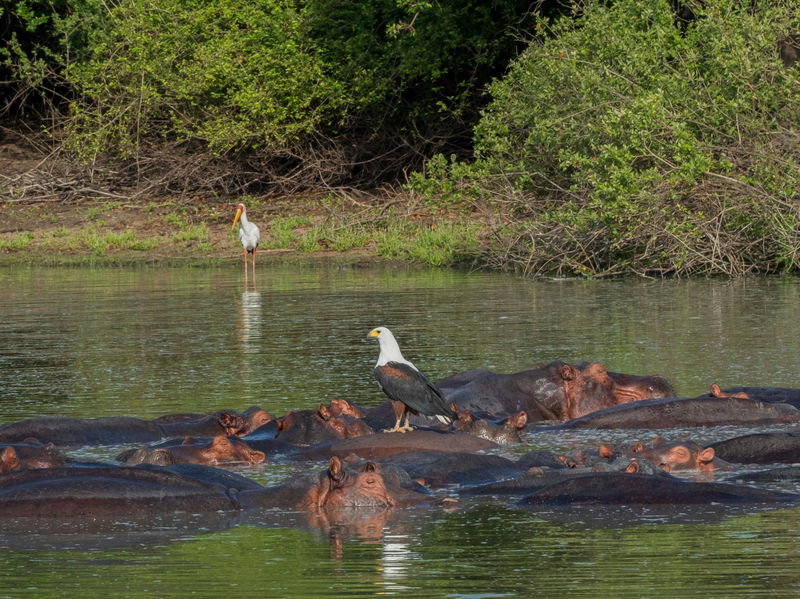
Hippos wallow in the river channels, their grunts echoing across the water. Crocodiles bask on sandy banks. Birdlife flourishes too, with kingfishers, fish eagles, and bee-eaters adding flashes of color to the wilderness. Exploring the Selous feels less like a safari and more like an expedition into a hidden frontier. Every bend in the river reveals a new story.
What It Means
The Selous is not only vast; it is vital. Covering over 50,000 square kilometers, it ranks as one of the largest animal reserves in the world and serves as a sanctuary for elephants, lions, buffalo, and countless other species. Its size makes it a cornerstone of global biodiversity, a living ark where ecosystems remain intact and species find refuge.
Yet, this wilderness faces challenges. Poaching, industrial development, and climate pressures threaten its delicate balance. The Selous reminds us that conservation is not guaranteed; it requires vigilance, resources, and respect.
For the Love of the Wild
Visiting the Selous is not just an adventure; it is a choice to support conservation. At Kijani Tours, we partner with eco-conscious lodges and camps that prioritize sustainability. Your tourism dollars directly contribute to anti-poaching units, community engagement, and habitat protection.
This means that every boat safari along the Rufiji, every guided walk through the bush, and every night spent under the stars helps safeguard this wild frontier. By traveling responsibly, you become part of the story — a guardian of Africa’s largest protected wilderness.
Nature’s Lesson
The Selous (Nyerere) Game Reserve is more than a destination; it is a living testament to Tanzania’s commitment to conservation. It is a place where rivers shape landscapes, where endangered species find sanctuary, and where travelers can witness the raw beauty of untamed Africa.
With Kijani Tours, your journey into the Selous becomes more than exploration. It becomes participation in a global effort to protect wilderness, preserve biodiversity, and honor the legacy of those who believed in safeguarding nature for generations to come.
7. Kilimanjaro National Park: The Roof of Africa
Mount Kilimanjaro is the highest free-standing mountain in the world and the crown jewel of Kilimanjaro trekking.
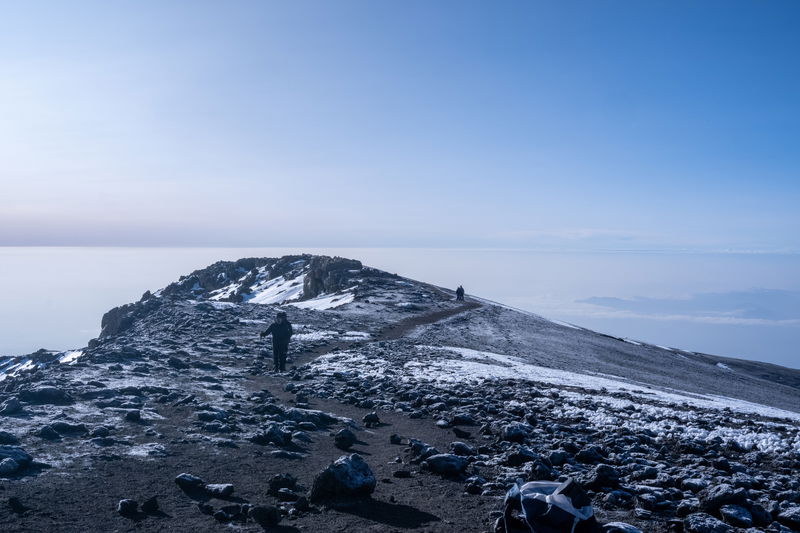
The Traveler’s Perspective: Climbing Kilimanjaro is a journey through five distinct climate zones. You start in lush rainforests filled with colobus monkeys and end in a lunar landscape of ice and volcanic scree. Standing at Uhuru Peak as the sun rises over the clouds is a spiritual experience that stays with you forever.
Eco-Travel and Climate Change: The famous "Snows of Kilimanjaro" are retreating. Scientists estimate the glaciers may disappear within our lifetime. This makes the park a "canary in the coal mine" for global climate change.
Kijani Tours' commitment to sustainable climbing
At Kijani Tours, we believe that climbing Kilimanjaro should be more than reaching the summit; it should also be about protecting the mountain for future generations. That’s why we are deeply committed to organizing sustainable climbs that minimize environmental impact while maximizing traveler experience.
A. Reducing Waste on the Mountain
We implement strict waste management practices, ensuring that all trash is collected, carried down, and properly disposed of. Our teams are trained to leave no trace, keeping Kilimanjaro’s trails and camps pristine.
B. Eco-Friendly Materials
From reusable cooking equipment to biodegradable cleaning products, we prioritize eco-conscious materials that reduce harm to the environment.
C. Minimizing Plastic Use
We actively reduce single-use plastics by encouraging refillable water bottles, reusable containers, and sustainable packaging throughout the trek.
D. Responsible Trekking Practices
Our guides and porters follow environmentally respectful routines, ensuring that leave the mountain clean while offering travelers a safe and meaningful journey.
By choosing Kijani Tours, you are not only embarking on an unforgettable adventure but also joining a movement to protect Kilimanjaro’s fragile ecosystem. Together, we can ensure that the mountain remains a symbol of natural beauty and resilience for generations to come.
Kijani Tours Philosophy – Heritage, Community, and You
Why does heritage matter?
Heritage is the living memory of humanity, the thread that connects us to our ancestors and guides our future. In a rapidly modernizing world, UNESCO sites stand as anchors of identity, reminding us of where we come from and what we share. They are places where stories are carved into stone, painted onto walls, and woven into traditions, offering continuity in the midst of change.
For a traveler, walking through these sites is more than sightseeing. It is stepping into a story that began long before you arrived. Imagine standing in the shadow of Kilwa’s ancient mosque, feeling the whispers of merchants who once traded gold and spices, or gazing at Kondoa’s rock art and realizing you are looking at the earliest expressions of human imagination. In these moments, heritage becomes personal. You feel the weight of history, the fragility of culture, and the urgency of protecting it.
The Challenge: Balancing Growth and Protection
Tanzania’s heritage sites face a "Triple Threat":
Tanzania’s UNESCO treasures are breathtaking, but they are also fragile. Rising sea levels threaten the historic shores of Kilwa and Zanzibar, while Kilimanjaro’s iconic glaciers melt away under the weight of climate change. Illegal poaching and deforestation place immense pressure on wildlife and forests, and over-tourism risks eroding the very cultural and natural integrity that makes these sites extraordinary. At Kijani Tours, we believe adventure must go hand in hand with responsibility. By traveling sustainably, reducing impact, and supporting conservation, every journey becomes part of the effort to protect these wonders for generations to come.
The Solution: Sustainable Tourism
At Kijani Tours, sustainable tourism isn’t just a buzzword; it’s how we run everything. Here, every traveler becomes a stakeholder in conservation, playing a real part in protecting the wild places they come to explore.
At Kijani Tours, every journey is designed to be meaningful for both travelers and the communities that call these landscapes home. We put community first by working with local guides, sourcing local produce, and supporting community-owned lodges, ensuring that tourism directly empowers the people who become the fiercest guardians of their heritage. We travel with carbon consciousness, encouraging longer stays in fewer locations to reduce transport emissions while allowing guests to connect more deeply with each place. And every safari is an education in motion — a mobile classroom where our guides reveal the “why” behind the scenery, from the geology that shaped the land to the history and delicate ecological balance that sustain it. With Kijani, adventure becomes a journey of understanding, respect, and preservation.
Part 4: Practical Guide for the Heritage Traveler
When to go
The Dry Season (June to October): The best time for wildlife viewing in the Serengeti and Ngorongoro, as animals congregate around water sources. It is also the best time for trekking on Kilimanjaro.
The Green Season (November to May): A photographer’s dream. The landscapes are lush, the birdlife is spectacular, and there are fewer tourists at the cultural sites like Stone Town and Kilwa.
Tanzania’s treasures can be explored at any time of the year. Imagine wandering the ancient ruins of Kilwa and Songo Mnara, uncovering the stories behind the Kondoa Irangi rock paintings, or strolling through the timeless streets of Zanzibar’s Stone Town—each place is a doorway into history and heritage waiting to be discovered.
What to Pack for a Heritage Safari
Respectful Attire: For Stone Town and Kondoa, dress modestly to respect local customs (shoulders and knees covered).
A Good Lens: A 100-400mm lens for wildlife and a wide-angle for the sweeping landscapes of the Crater and the architecture of Kilwa.
Curiosity: Bring a notebook. The stories you hear from Maasai elders or Zanzibar spice farmers are worth recording.
Ethical Travel Checklist
At Kijani Tours, responsible travel begins with respect for people, culture, and the environment. Imagine the stories behind every artisan’s craft, the dignity in asking before capturing a community moment, and the difference you make by choosing refillable bottles over single-use plastics. Take care of your health before your journey, and every step becomes not just safe, but meaningful—leaving a positive mark on the world you explore.
If you plan to explore the heritage sites along Tanzania’s Indian Ocean coast, it’s important to protect yourself against malaria, as the region is a known malaria zone. Speak with your healthcare provider or a travel clinic for guidance on recommended vaccinations and preventive measures before your journey, and you can also learn more from
https://wwwnc.cdc.gov/travel/destinations/traveler/none/tanzania,
https://www.gov.uk/foreign-travel-advice/tanzania/health,
https://www.moh.go.tz/
Conclusion: Become Part of the Legacy
Tanzania’s UNESCO World Heritage Sites are more than just places to visit; they are invitations to remember who we are and where we came from. From the ancient pigments of Kondoa to the pristine wilderness of the Selous, these sites offer a glimpse into the majestic complexity of our planet. When you travel with Kijani Tours, you aren't just a spectator. You are a participant in a movement to protect cultural legacy, preserve biodiversity, and empower local communities. You become part of Tanzania’s sustainable legacy.
Are you ready to write your own chapter in Tanzania’s story?
Explore our customizable heritage itineraries and let us help you design a journey that is as meaningful as it is memorable. Let’s go beyond the horizon. Let’s go deep into the heart of heritage.
Start Your Sustainable Travel Journey
Ready to explore Tanzania responsibly? Start your sustainable travel journey with Kijani Tours and experience eco-friendly safaris, community-led adventures, and meaningful cultural encounters—all designed to protect nature and empower local communities. Your conscious adventure begins here.

Exploring Tanzania with Purpose: Travel, Connection, and Giving Back
Do Hyenas Hunt? Secrets of the Savanna’s Hidden Hunter
Sat March 21, 2026
Read This Article
Responsible Trekking in Moshi and the Eastern Arc Mountains
Sat February 21, 2026
Read This Article
The trail doesn't just take you up a mountain; it takes you into a secret that Northern Tanzania has been whispering for millennia. Beyond the postcard-perfect summit of Kilimanjaro lies a world where the air smells of wild jasmine and ancient moss, where stone-walled villages in the Pare Mountains still follow the rhythms of the moon, and where the "sky islands" of the Usambaras hide creatures found nowhere else on Earth. But...
Summit to Savannah: The Ultimate Kilimanjaro and Safari Combo
Thu February 19, 2026
Read This Article
Before dawn on Mount Kilimanjaro, every step toward Uhuru Peak is a test of will against thin alpine air. You move through five distinct ecosystems—rainforest, moorland, alpine desert, and arctic summit—until sunrise spills over Africa’s highest point. The climb demands resilience, but it offers something rare in return: clarity, strength, and a deep connection to the land. Days later, the stillness of the summit gives way to the sweeping plains of the...
Share This Post