

Think you really know hyenas? Picture this: under bright Serengeti sun, a lone hyena slips through the tall grass, focused on a herd of wildebeest. It’s not just some lazy scavenger you heard about. This animal hunts with smart tactics and sharp instincts. Sometimes it goes solo, sometimes the whole clan joins in. They track their prey, chase when it matters, and adapt on the fly. Fast thinkers, built for endurance, they...
Kilimanjaro for Seniors: A Safe and Steady Summit Guide
Posted by Wolfgang on Sat February 7, 2026 in Kilimanjaro for Senior Climbers.
A silver mist drifts through Lemosho’s mahogany glades, carrying the scent of damp earth and ferns. Your trekking poles press into the soft trail, each step intentional, each breath a conversation with the mountain. Unlike the rush of younger climbers chasing Kilimanjaro’s summit, this is a slow-paced climb designed for senior adventurers.
At Kijani Tours, we believe a senior-friendly ascent is about seeing, feeling, and connecting. Our guides move with care, watching your health and every rhythm of the mountain. Beyond the peak, this journey immerses you in Tanzania’s wild heart, supports local communities, and honors glaciers that have endured centuries.
As sunlight lights the Shira Plateau, you realize: your years are your strength. The summit favors patience, curiosity, and steady purpose. Welcome to the “Slow Adventure.” The mountain is calling, and with Kijani Tours, you are ready to answer.
At the edge of the Lemosho route, where the rainforest exhales a thick, sweet mist and the Colobus monkeys leap through the ancient mahogany canopy, a different kind of adventure begins. For many, the call of Mount Kilimanjaro is a roar heard in youth. But for a growing number of explorers, that call becomes a steady, resonant hum in their 50s, 60s, and 70s.
This is not a race to a summit. It is a dialogue with a mountain.
At Kijani Tours, we believe that senior climbers possess the ultimate "summit secret" that younger trekkers often lack: perspective. You understand that the "Roof of Africa" is not a trophy to be claimed, but a landscape to be honored. In this guide, we will walk you through the nuances of a senior-friendly Kilimanjaro trek, proving that with the right pacing, the right route, and a grounded, eco-conscious philosophy, the summit of Uhuru Peak is within your reach.
The 6-Month Training Roadmap
Focus on "Functional Longevity"—preparing your joints for the descent as much as your lungs for the ascent.
1. Cardiovascular Endurance (3x Weekly)
Low Impact: Focus on walking, swimming, or cycling to build aerobic capacity without stressing the joints.
The "Weighted Walk": Once a week, hike on uneven terrain wearing the boots and daypack (5–7kg) you intend to use on the mountain.
2. Strength & Balance (2x Weekly)Eccentric Loading: Focus on "Step-Downs." The descent of Kilimanjaro is often harder on senior knees than the climb. Controlled downward movements build the necessary stability.
Core Stability: A strong core protects your lower back while carrying a daypack. Incorporate planks and bird-dogs.
Balance Work: Practice standing on one leg or using a balance board to prepare for the rocky terrain of the Barranco Wall.
3. The "Pole Pole" Mental Prep
Practice "Mindful Hiking." Learn to find a rhythm with your breath. On Kilimanjaro, the winner is the one who goes the slowest.
The Psychology of the Mature Trekker: Why Age is Your Greatest Asset?
On the mountain, the greatest threat to success is often "summit fever"—the frantic urge to push through exhaustion. Younger climbers frequently fall victim to this, viewing the mountain as an adversary to be conquered. Conversely, a safe Mount Kilimanjaro climb for the over-60s is built on the Tanzanian wisdom of Pole Pole (slowly, slowly).
As a senior climber, you have lived through seasons of patience. You know how to listen to your body. This ability to maintain a slow-paced Kilimanjaro ascent in Tanzania is exactly what allows your blood chemistry to adapt to the thinning air. You aren't just trekking; you are practicing a "Slow Adventure" that respects both your biology and the mountain’s ecology.
Choosing Your Path: The Best Kilimanjaro Routes for Older Climbers
The most critical decision you will make isn't which boots to buy, but which trail to follow. For seniors, "short" is often "dangerous." Routes like the Umbwe or the 5-day Marangu "Coca-Cola" route are high-risk because they force a rapid ascent that doesn't allow for proper acclimatization.
1. The Lemosho Route (8 Days)
Lemosho is widely considered the best Kilimanjaro route for older climbers. It begins in the lush, remote western slopes, offering a longer approach that builds your "altitude legs" gradually.
The Benefit: It boasts a high "climb high, sleep low" profile. You will spend your days ascending to higher ridges and your nights descending to lower camps, a proven method for stimulating red blood cell production without overtaxing the heart.
2. The Northern Circuit (9 to 10 Days)
If you seek the ultimate safe Mount Kilimanjaro climb for the over-60s, the Northern Circuit is the pinnacle of trekking strategy. This route circumnavigates the northern slopes, offering nearly 360 degrees of breathtaking vistas.
The Benefit: By stretching the journey to 9 or 10 days, your success rate nears 98%. It is the quietest route on the mountain, perfect for those who value the sounds of the wind and the crunch of volcanic scree over the chatter of crowded camps.
The "Senior Comfort" Packing List
Kijani Tours provides your main tent and heavy gear, but these personal items are the keys to a restorative night's sleep and a pain-free climb.
For senior climbers tackling Kilimanjaro, protection and recovery gear is absolutely vital. High-quality trekking poles are a must, as they reduce strain on knees and hips by up to 25%. Look for flick-lock mechanisms, which are easier to manage with cold or stiff hands. Moisture-wicking layers made from synthetic fabrics or Merino wool are equally important, since older bodies can struggle with temperature regulation. Layering acts as a personal thermostat, helping you stay warm during chilly nights and cool during demanding ascents.
Recovery tools are just as critical. Even if you don’t normally use them, knee braces or compression sleeves can make a huge difference on the long descent, preventing inflammation and easing joint stress. A personalized first aid kit should include your regular medications, but also extra anti-inflammatories, blister treatments, and electrolyte powders to maintain energy and hydration. Together, these essentials ensure that senior climbers can protect their bodies, recover effectively, and enjoy the challenge of Kilimanjaro with greater confidence.
The "Sleep System" (For Maximum Recovery)
When preparing for Kilimanjaro, senior climbers should prioritize rest and comfort alongside warmth. A negative-rated sleeping bag, ideally rated to at least -15°C (5°F), is essential for coping with the mountain’s freezing nights. Adding an inflatable pillow may feel like a small luxury, but it provides crucial cervical neck support that helps maintain comfort and recovery after long trekking days. To ensure quality rest in busy camp environments, earplugs and an eye mask are invaluable, blocking out noise and light so you can recharge fully for the next stage of the climb.
Footwear: Your Foundation
When it comes to footwear for Kilimanjaro, senior climbers should never wear brand-new boots on the mountain. Well broken-in boots with ample room in the toe box are essential to prevent bruised toenails during the steep descent. To give your feet a chance to rest after long trekking days, pack a pair of lightweight camp shoes such as Crocs or sneakers. These allow your feet to breathe and recover while still keeping you comfortable around camp.
The Health and Wellness Checklist
Before attempting Kilimanjaro, senior climbers should prioritize preparation that supports both health and endurance. A medical consultation is essential—getting a full physical and discussing high-altitude climbing with your doctor ensures you’re fit for the challenge, and it’s worth asking about Diamox (Acetazolamide) to see if it’s appropriate for you. Hydration is another key factor, so practice drinking 3–4 liters of water daily during training hikes to build the habit before the climb. Finally, adopt the right pacing mindset: remind yourself regularly that you’re not racing the mountain, but walking through it, conserving energy and maintaining steady progress for a safer, more enjoyable trek.
The Science of Success: Extended Acclimatization
For a senior climber, the lungs and heart require a more deliberate transition to altitude. Science shows that as we age, our bodies can still reach the same physiological benchmarks as younger people—we simply need a longer "on-ramp."
With Kijani Tours guiding you, our eco-friendly Kilimanjaro travel philosophy includes built-in "buffer days." These aren't "rest days" in the sense of sitting still; they are days of low-intensity movement that keep the blood circulating while allowing the kidneys to adjust the blood’s pH balance.
Proactive Medical Readiness:
The Pulse Oximetry Check: Our guides conduct twice-daily health checks, measuring your oxygen saturation and heart rate. We don’t just look at the numbers; we look at the trend over several days.
Hydration as Fuel: At altitude, you lose water through your breath. We emphasize a "water-first" strategy, ensuring you are consuming 4–5 liters of fluid daily—essential for preventing Acute Mountain Sickness (AMS).
From Rainforest to Roof: The Lived Experience
Imagine the journey. It begins in the Montane Forest, where the air is heavy, and the ferns are chest-high. You move into the Moorland Zone, a prehistoric landscape of giant groundsels and lobelias that look like they belong on another planet.
As you reach the Alpine Desert, the world turns to rust and gray. This is where your preparation pays off. While others might be struggling with headaches and fatigue, your 8-day itinerary means you are still feeling strong. You aren't "conquering" these zones; you are moving through them as a guest.
Then comes the summit night. It is cold, yes. The stars feel close enough to touch. But you aren't rushing. You are moving Pole Pole. When the sun finally breaks over the horizon, painting the Mawenzi Peak in shades of violet and gold, you realize that the summit of Uhuru Peak isn't just about the elevation—it’s about the 60+ years of life that brought you to this moment of absolute clarity.
Frequently Asked Questions: Climbing Kilimanjaro After 50 years old
1. Am I too old to climb Mount Kilimanjaro? There is no upper age limit for Kilimanjaro. People in their 70s and 80s summit successfully every year. The mountain requires endurance and mental fortitude rather than explosive speed. If you are in good health and have clearance from your doctor, your age is often an advantage—senior climbers tend to be more patient and better at maintaining the slow, steady pace (Pole Pole) required for acclimatization.
2. Which is the easiest route for seniors? While no route is "easy," the Lemosho (8-Day) and Northern Circuit (9-Day) are the most recommended. They avoid the steep, rapid ascent profiles of the Marangu or Machame routes. These longer paths allow your body to adjust to the thinning air gradually, which significantly increases the success rate for older climbers.
3. How do I handle pre-existing joint issues, like "bad knees"? The ascent is usually manageable, but the descent can be taxing on the knees. We recommend:
High-quality trekking poles: These are non-negotiable for reducing impact by up to 25%.
Strength training: Focus on eccentric leg exercises (like step-downs) months before your trip.
Custom pacing: Our guides ensure the descent is handled with frequent breaks to manage joint fatigue.
4. What medical precautions does Kijani Tours take? Safety is our baseline. Our lead guides are certified Wilderness First Responders. We carry emergency oxygen, a portable stretcher, and a comprehensive medical kit on every climb. We also conduct bi-daily health checks where we monitor your oxygen saturation (SpO2) and heart rate to catch any signs of altitude sickness before they become serious.
5. Do I have to carry a heavy pack? No. You will only carry a small daypack containing your water, rain gear, and personal snacks (usually 5–7kg). Our ethical porter team handles the heavy lifting, including your main duffel bag, tents, and cooking equipment. This allows you to focus entirely on your breathing and your movement.
6. What is the accommodation like on the mountain? We use high-quality, four-season mountain tents. For our senior trekkers, we prioritize comfort by providing thick sleeping mattresses and, upon request, walk-in tents and portable private toilet tents. We ensure your "base camp" is a place of genuine recovery, not just survival.
Conclusion: The Legacy of Every Step
Climbing Kilimanjaro as a senior is a testament to the fact that our later years are not for slowing down, but for deepening our connection to the world. When you stand at the summit sign, you aren't just looking at a view; you are looking at a future where you know exactly what you are capable of.
By choosing an eco-friendly Kilimanjaro travel partner like Kijani Tours, you ensure that your climb supports the preservation of Tanzania’s glaciers and the prosperity of its mountain communities. You leave the mountain not just with a photo, but with a piece of the mountain’s spirit in your soul.
Are you ready to walk the path? Kilimanjaro is waiting. And you have never been more ready.
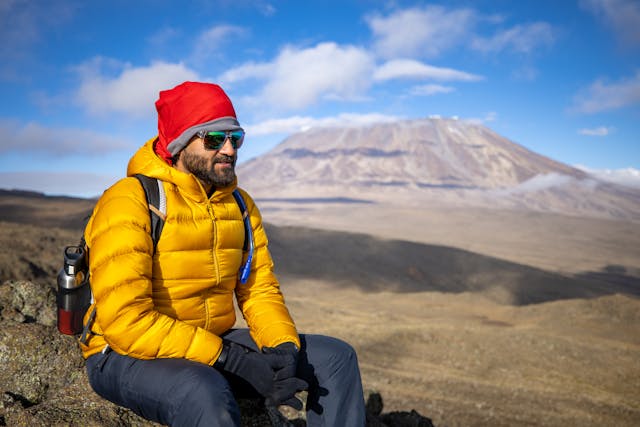
Exploring Tanzania with Purpose: Travel, Connection, and Giving Back
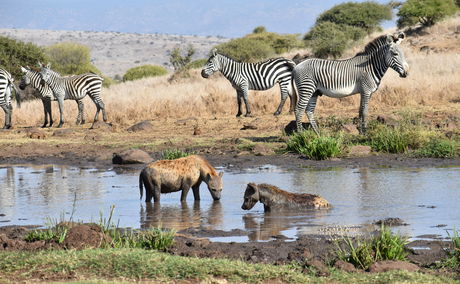
Do Hyenas Hunt? Secrets of the Savanna’s Hidden Hunter
Sat March 21, 2026
Read This Article
Responsible Trekking in Moshi and the Eastern Arc Mountains
Sat February 21, 2026
Read This Article
The trail doesn't just take you up a mountain; it takes you into a secret that Northern Tanzania has been whispering for millennia. Beyond the postcard-perfect summit of Kilimanjaro lies a world where the air smells of wild jasmine and ancient moss, where stone-walled villages in the Pare Mountains still follow the rhythms of the moon, and where the "sky islands" of the Usambaras hide creatures found nowhere else on Earth. But...
Summit to Savannah: The Ultimate Kilimanjaro and Safari Combo
Thu February 19, 2026
Read This Article
Before dawn on Mount Kilimanjaro, every step toward Uhuru Peak is a test of will against thin alpine air. You move through five distinct ecosystems—rainforest, moorland, alpine desert, and arctic summit—until sunrise spills over Africa’s highest point. The climb demands resilience, but it offers something rare in return: clarity, strength, and a deep connection to the land. Days later, the stillness of the summit gives way to the sweeping plains of the...
Share This Post