

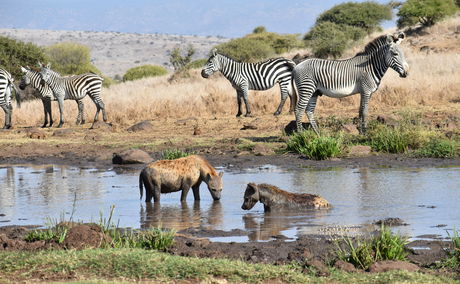
Think you really know hyenas? Picture this: under bright Serengeti sun, a lone hyena slips through the tall grass, focused on a herd of wildebeest. It’s not just some lazy scavenger you heard about. This animal hunts with smart tactics and sharp instincts. Sometimes it goes solo, sometimes the whole clan joins in. They track their prey, chase when it matters, and adapt on the fly. Fast thinkers, built for endurance, they...
Responsible Trekking in Moshi and the Eastern Arc Mountains
Posted by Wolfgang on Sat February 21, 2026 in Roots, Ridges and Responsibility.
The trail doesn't just take you up a mountain; it takes you into a secret that Northern Tanzania has been whispering for millennia. Beyond the postcard-perfect summit of Kilimanjaro lies a world where the air smells of wild jasmine and ancient moss, where stone-walled villages in the Pare Mountains still follow the rhythms of the moon, and where the "sky islands" of the Usambaras hide creatures found nowhere else on Earth. But here is the truth we’ve learned at Kijani Tours: these landscapes are as fragile as they are fierce.
Are you ready to discover what it means to hike with intention? Imagine standing on a sheer cliff at Irente Viewpoint as the world drops away, or walking through a Chagga forest garden where every leaf has a story and every footstep supports a family. In 2026, we’re moving beyond simple trekking and into the heart of stewardship. From the hidden waterfalls of Same to the glacial silence of Uhuru Peak, we invite you to step into a journey that challenges your body, heals your mind, and protects the very ground beneath your boots. The mountain is calling—will you answer as a visitor, or as its guardian?
Have you ever watched dawn awaken Northern Tanzania, a world pausing in quiet awe, reminding us that every ridge, forest, and village is a gift to protect?
The first light of dawn in Northern Tanzania doesn't just illuminate a landscape; it reveals a fragile masterpiece. As the sun crests the jagged spires of Mawenzi on Mount Kilimanjaro National Park or casts a golden glow over the tiered ancient ridges of the Usambara and Pare Mountains in the Eastern Arc Mountains, a profound realization hits every traveler: this land is a gift that requires our protection.
Northern Tanzania does not reward careless footsteps. The rainforest belts wrapping the "Roof of Africa" and the cool, mist-shrouded highland ridges of the Eastern Arc Mountains demand awareness, preparation, and a deep sense of humility. When you hike here consciously, you do more than reach a summit or a viewpoint. You participate in active conservation, strengthen rural economies, and reconnect with your own physical and mental resilience.
At Kijani Tours, we approach trekking as stewardship. Every route across Moshi’s volcanic slopes and every winding village path near Lushoto or Same carries ecological and cultural significance. This guide expands our core hiking strategies into a comprehensive eco-trekking framework for 2026, ensuring your adventure leaves a positive footprint on the heart of Africa. Below, you will find essential tips that combine practical guidance with conscious travel practices, ensuring every step you take is safe, enjoyable, and sustainable.
1. Route-Specific Preparation for Responsible Kilimanjaro Trekking
To practice responsible Kilimanjaro trekking, you must move beyond generic fitness. Your preparation should be as specific as the route you choose. Mount Kilimanjaro is not just one mountain; it is a collection of microclimates, each demanding a different version of you.
The Machame Route: The Adventurer’s Choice
Known as the "Whiskey Route," Machame is beautiful but demanding. For this path, prioritize endurance and leg strength. You will face steeper elevation gains and longer daily distances. The challenge here is the "Barranco Wall"—a non-technical scramble that requires focus and steady footing. Because this route is popular, practicing eco-friendly hiking is paramount here to manage trail erosion and waste.
The Lemosho Route: The Gold Standard for Acclimatization
If you seek the most scenic and ecologically diverse experience, the Lemosho Route is peerless. It offers a longer itinerary, which is the secret to Lemosho Route acclimatization. By spending more time between 3,500m and 4,500m, your body naturally adjusts to the thinning air, significantly increasing your summit success rate.
Ecologically, Lemosho is a treasure. You walk through dense montane forests where giant heathers and lobelias flourish due to consistent rainfall. This route showcases the highest biodiversity on the mountain, with opportunities to spot endemic bird species and colobus monkeys in the lush undergrowth.
The Marangu Route: Tradition and Comfort
Often called the "Coca-Cola" route, the Marangu route is the oldest and most established. It is the only route offering Marangu Route hut sleeping essentials—permanent wooden huts that provide shelter from the elements. While the path is less steep, the shorter timeframe makes acclimatization harder. This route offers unique cultural interaction with Chagga history, as the trail starts near historic village settlements.
Kijani Tours Eco Tip
We encourage all visitors to carry reusable water bottles as part of our commitment to protecting Northern Tanzania’s environment. By reducing single-use plastics, we help safeguard the region’s waterfalls, forests, and wildlife for future generations.
Preparation Milestone: Walk at least 50 miles in your boots before arrival. Train on inclines and practice carrying a loaded daypack. Conscious trekking begins long before you land at Kilimanjaro International Airport.
Explore our full Kilimanjaro trekking packages to find your perfect match.
2. Acclimatize Mindfully on Moshi Day Hikes
Before you challenge the high-altitude zones above 3,000 meters, we recommend "warming up" your soul and your lungs on lower-altitude trails. Eco trekking in Tanzania is about more than just the peak; it's about the life that happens in the foothills.
Chagga Village Day Hikes
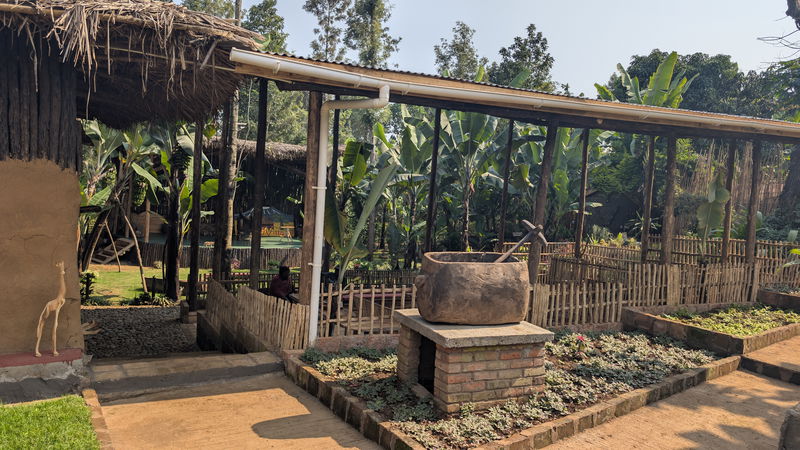
The slopes of Kilimanjaro are home to the Chagga people, masters of volcanic soil agriculture. A Chagga village day hike is a humid, green immersion into a "forest garden" system. Here, coffee, bananas, and yams grow in perfect harmony in a permaculture system.
A. Community Impact: Your visit directly supports village households and local cooperatives.
B. Ecological Insight: Depending on whether you hike near the Lemosho or Marangu gates, you will notice shifts in rainfall. Lemosho-side village trails have a denser canopy and mossier paths, reflecting the mountain's moisture patterns.
Rau Forest Reserve Walks
Located just on the outskirts of Moshi, the Rau Forest is a groundwater-fed sanctuary. It is a vital carbon sink and a haven for Black-and-White Colobus monkeys. A family-friendly hike in Tanzania here strengthens your cardiovascular conditioning in a shaded, oxygen-rich environment. It is the perfect place for "forest bathing" before the stark landscapes of the alpine desert.
Discover the hidden gems of Tanzania on our Cultural and Natural Heritage tours.
3. Usambara Mountains: Community-Based Trekking at Its Best
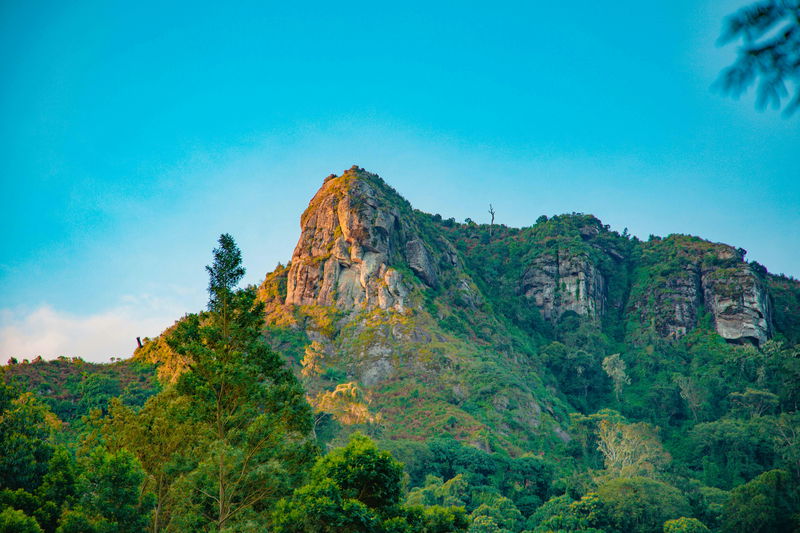
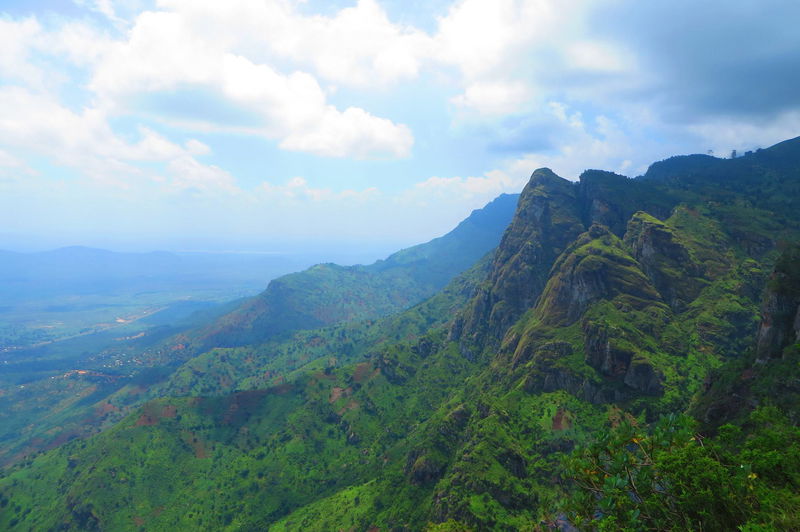
If Kilimanjaro is the challenge of a lifetime, the Usambara Mountains are the secret of a lifetime. Located near Lushoto, these mountains are part of the Eastern Arc, often called the "Galapagos of Africa" due to their high number of endemic species.
Lushoto Hiking Trails and Village-to-Village Treks
The beauty of the Usambara Mountains trek lies in its human scale. Unlike the high-traffic summit routes of Kili, these trails weave between smallholder farms, ancient forest patches, and dramatic ridgelines.
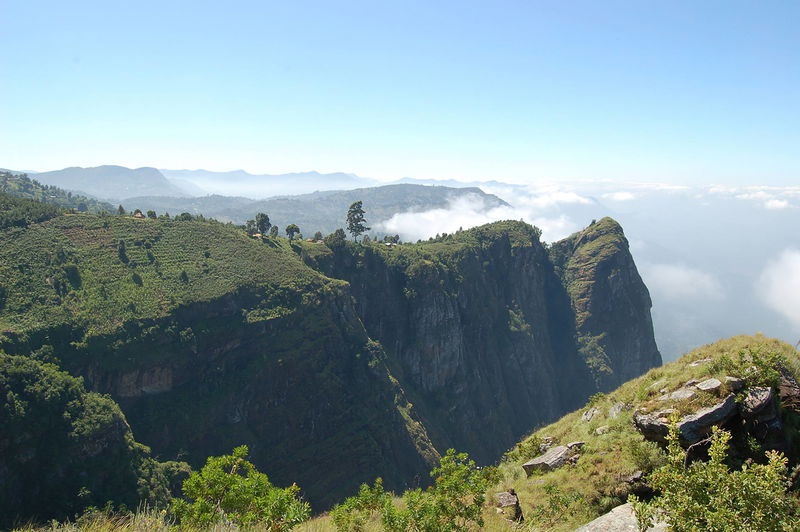
Irente Viewpoint: A must-do sunrise walk. You stand on a sheer cliff edge, looking down 1,000 meters to the Maasai Steppe below.
Lushoto Village-to-Village Treks: Spend 3 to 4 days walking from village to village, staying in local guesthouses. This is community-based tourism in Tanzania in its purest form, where your presence directly funds local schools and water projects.
Check out our Usambara Mountain hiking guides for detailed itineraries.
4. The Pare Mountains: A Hidden Bastion of Biodiversity
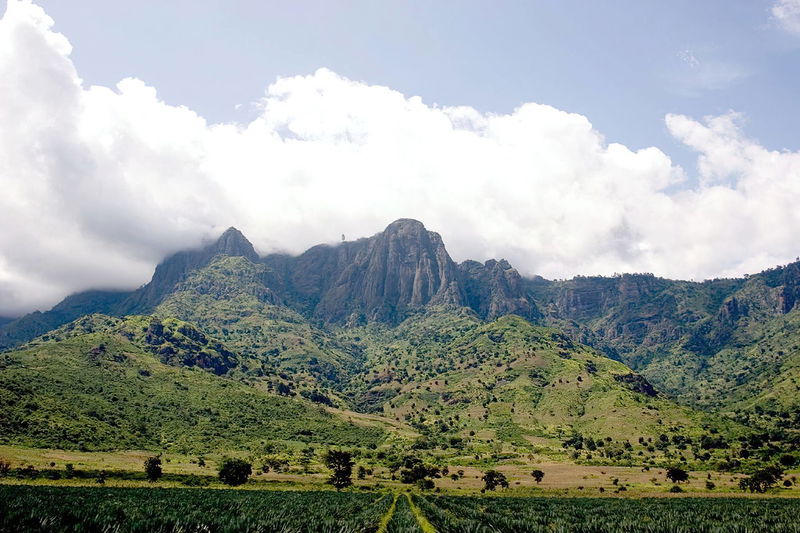
For the truly conscious traveler seeking a path less trodden, the Pare Mountains (South and North) offer an unparalleled experience in sustainable travel in Tanzania. Rising steeply from the plains between Kilimanjaro and the Usambaras, the Pare range is a landscape of ancient stone walls, hidden rainforests, and a cultural heritage that remains vibrantly intact.
Activities: From Ridge Walks to Clan History
A. Shengena Forest Trek: The highest point in the South Pare Mountains. This trek takes you through pristine montane forests where you can see the Rare South Pare White-eye bird.
B. Cultural Site Visits: Explore the "Malameni Rock," a place of historical significance, or visit traditional potters whose techniques have remained unchanged for generations.
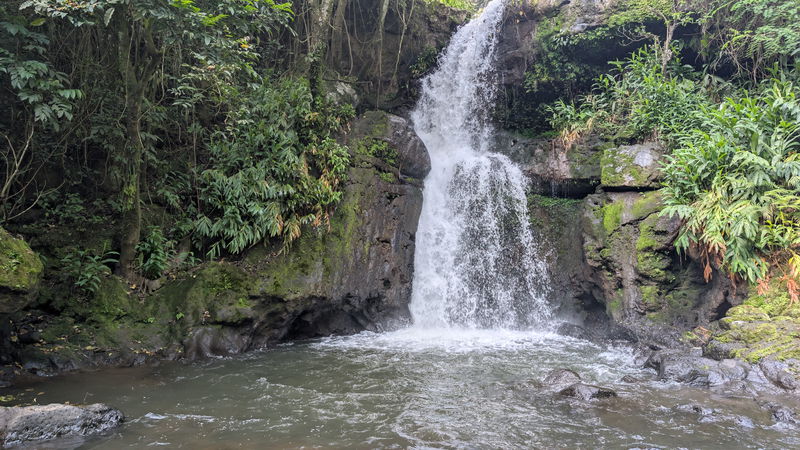
C. Forest Canopy Walks: Discover hidden waterfalls tucked away in the deep valleys of the North Pare range.
Ecological and Biodiversity Significance
The Pare Mountains are a critical link in the Eastern Arc chain. They act as "sky islands," where isolation has led to the evolution of unique plant and animal life. The forests here are vital water catchments for the surrounding arid lowlands. By participating in Usambara and Pare Mountains hiking tours, you support the protection of these "living fossils" from deforestation.
Cultural Heritage: The Spirit of the Wapare
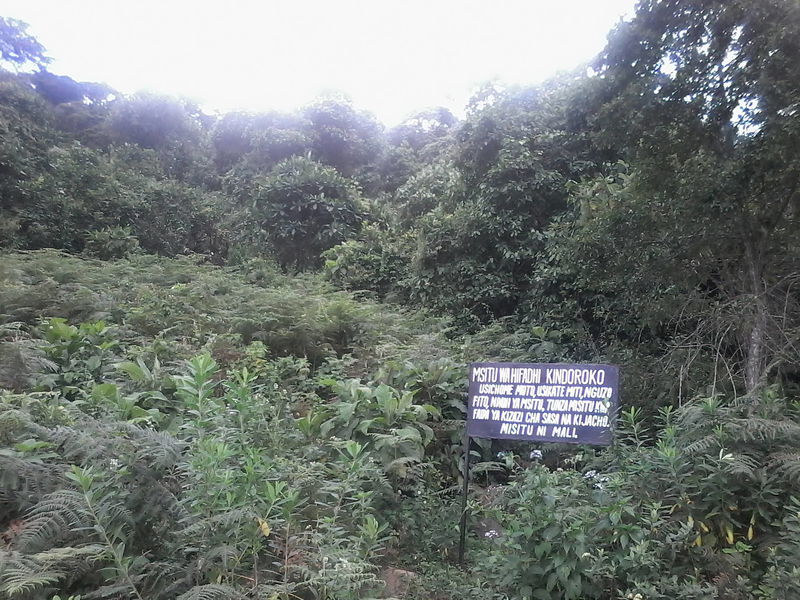
The Pare (Wapare) people are renowned for their traditional irrigation systems and terraced farming. A hike here often involves walking along these ancient stone terraces. The cultural heritage is deeply tied to the land; you will encounter "sacred forests" (Mshitu) where locals have protected the trees for generations for spiritual reasons—an early form of indigenous conservation that Kijani Tours deeply respects.
5. Hydration and Nutrition for Sustainable Performance
Your body is your most important piece of gear. At altitude, the dry, thin air accelerates dehydration, often before you feel thirsty.
A. Hydration Strategy: Drink 3–4 liters of water daily. Sip consistently. Proper hydration improves oxygen efficiency in your blood and keeps your cognitive clarity sharp during the final summit push.
B. Nutrition Strategy: High-altitude environments suppress appetite, but your "engine" needs fuel to generate heat. Eat small, calorie-dense meals rich in complex carbohydrates.
C. The Usambara Difference: During Usambara treks, you have the luxury of eating "farm-to-fork." Locally sourced organic produce—like Lushoto’s famous plums and pears—reduces the carbon footprint of your journey and supports local farming cooperatives.
6. Eco Hygiene and Leave No Trace Ethics
To ensure sustainable travel in Tanzania, we adhere to the strict principles of the Leave No Trace Center for Outdoor Ethics. The "Roof of Africa" is a fragile arctic environment, and the Usambaras/Pares are Eastern Arc biodiversity hotspots.
A. Waste Management: Pack out every single item you bring in, including fruit peels and biodegradable wipes.
B. Eco-Hygiene: Use biodegradable soap sparingly and ensure it is used at least 200 feet away from any water source.
C. Stay on the Path: Straying from established trails causes soil erosion and destroys delicate alpine flora.
D. Water Protection: Never wash directly in mountain streams. Use a small basin and dispose of greywater in soil away from the source.
7. Mental Health Benefits of Hiking
In 2026, Kijani Tours recognized that travel is as much about internal healing as it is about external exploration. The mental health benefits of hiking in Tanzania are profound and scientifically backed.
Stress Regulation: Immersing yourself in the Rau Forest or the Usambara canopy reduces cortisol levels. The "white noise" of mountain waterfalls acts as a natural sedative.
Cognitive Restoration: The rhythm of long-distance walking—especially the "pole pole" pace—fosters a state of mindfulness.
Confidence and Self-Efficacy: Completing a Lemosho Route acclimatization journey or a multi-day Pare trek reinforces self-belief and disciplined goal achievement.
8. Hiking with Children: Conscious Family Adventure
Can you bring the kids? Absolutely. We believe that a Tanzania adventure for kids is the ultimate classroom.
The Lower Slopes: For families, we recommend the Chagga village hike. The distances are manageable, and the "lessons" are hands-on. Children can learn about coffee roasting, bird identification, and the importance of forest conservation.
Safety Strategy: We select shaded routes with easy exit access and maintain a flexible pace. Our guides are experts at turning a hike into a scavenger hunt for chameleons.
Eco Education: We teach children the "Leave No Trace" philosophy early, encouraging them to be the future guardians of the planet.
See our family-friendly Tanzania tours for more inspiration.
9. Integrating Hiking with Broader Responsible Travel
Your trekking adventure doesn't have to end at the trailhead. Most Kijani Tours guests choose to integrate their mountain time with other conservation-focused experiences.
The Serengeti Safari: After the vertical world of the mountain, the horizontal infinity of the Serengeti provides a stunning contrast. We focus on ethical safaris that respect animal boundaries.
Tanzania beach holidays: Recovery is essential. Head to the coast for marine conservation exposure. Whether it’s the quiet beaches of Pangani or the turtle sanctuaries of Mafia Island, your coastal stay can support reef restoration projects.
10. Gear, Clothing, and Tech for Eco-Trekking
To be an eco-hiker, you must pack with intentionality. Quality over quantity is the rule.
To optimize your packing for a sustainable trek, we recommend a high-performance, eco-conscious gear strategy that prioritizes durability and environmental protection. Start with a double-sock system, featuring a thin moisture-wicking liner under a merino wool outer sock to prevent blisters and reduce the need for disposable bandages. Complement this with merino wool apparel layers; these are naturally odor-resistant, allowing you to wear them longer and wash them less, which significantly conserves water on the trail.
Furthermore, protecting your technology and the landscape requires intentional choices like using refillable hydration bladders to avoid the environmental toll of single-use plastics—an essential practice for sustainable hiking in Kilimanjaro. Since the high-altitude cold aggressively drains batteries, always keep your insulated electronics in an internal pocket close to your body heat. By following these minimalist, high-impact gear tips, you ensure your equipment works as hard as you do while safeguarding Northern Tanzania’s pristine ecosystems.
11. Frequently Asked Questions – Responsible Hiking in Northern Tanzania
Q: Are the Kilimanjaro lower-slope hikes safe for beginners? A: Yes! Trails like the Chagga village day hikes and Rau Forest are designed for all fitness levels. They offer a gentle introduction to the terrain and are perfect for beginner acclimatization.
Q: At what age can children safely join hiking trips? A: Children as young as five can enjoy lower-slope hikes. For the Kilimanjaro summit, the Tanzania National Parks Authority (TANAPA) generally requires children to be at least 10 years old.
Q: What makes the Pare Mountains unique for hikers? A: The Pare Mountains offer a "hidden" experience. They are less visited than the Usambaras, offering a deep dive into ancient clan history, traditional pottery, and "sky island" biodiversity that you won't find anywhere else.
Q: How do I handle hygiene without showers on Kilimanjaro? A: We provide "mountain showers" (basins of warm water). We urge the use of biodegradable, plastic-free wipes, which must be packed out and disposed of properly at camp.
Q: Can I combine eco hiking with cultural experiences? A: Absolutely. Engage with Chagga or Pare villages, support local coffee tours, stay in homestays, and learn about traditional agriculture and forest conservation.
Trek Lightly, Leave a Legacy
Eco hiking in Moshi, the Eastern Arc Mountains (Usambara and the Pare Mountains), reshapes how travelers engage with Tanzania. Every refillable bottle, every locally guided trail, and every respectful cultural exchange reinforces a sustainable tourism system that protects this land for the next century.
When you trek responsibly on Mount Kilimanjaro or walk between the ancient forests of Lushoto and Same, you do not just move across a landscape. You invest in conservation, empower local families, and cultivate a lasting resilience within yourself. Kijani Tours designs each hiking journey with that intention—balancing adventure, authenticity, and environmental integrity.

Exploring Tanzania with Purpose: Travel, Connection, and Giving Back
Do Hyenas Hunt? Secrets of the Savanna’s Hidden Hunter
Sat March 21, 2026
Read This Article
Summit to Savannah: The Ultimate Kilimanjaro and Safari Combo
Thu February 19, 2026
Read This Article
Before dawn on Mount Kilimanjaro, every step toward Uhuru Peak is a test of will against thin alpine air. You move through five distinct ecosystems—rainforest, moorland, alpine desert, and arctic summit—until sunrise spills over Africa’s highest point. The climb demands resilience, but it offers something rare in return: clarity, strength, and a deep connection to the land. Days later, the stillness of the summit gives way to the sweeping plains of the...
Kilimanjaro for Seniors: A Safe and Steady Summit Guide
Sat February 7, 2026
Read This Article
A silver mist drifts through Lemosho’s mahogany glades, carrying the scent of damp earth and ferns. Your trekking poles press into the soft trail, each step intentional, each breath a conversation with the mountain. Unlike the rush of younger climbers chasing Kilimanjaro’s summit, this is a slow-paced climb designed for senior adventurers. At Kijani Tours, we believe a senior-friendly ascent is about seeing, feeling, and connecting. Our guides move with care, watching...
Share This Post